
Film
The Master Mystery
- Spy action
- Action thriller
- Relentless
A 1918 serial thriller starring the legendary magician Harry Houdini as a government agent battling a robot guardian protecting a corrupt patents empire. Houdini does what he does best: escapes from increasingly diabolical restraints and traps. It's a thrilling, visually inventive piece of silent cinema that treats the impossible as entertainment, featuring stunts that still genuinely dazzle.
If you liked this
The Phantom Carriage1921
A Swedish masterpiece of suspense and supernatural mystery with ingenious visual effects and a gripping moral tale. Sergei Eisenstein considered it one of the greatest films ever made. Utterly hypnotic.
But Silent film moves at a different pace, and the print quality varies. The supernatural premise unfolds gradually rather than rushing to action.

Nosferatu1922
German Expressionist horror that redefined cinema through pure visual storytelling. The Automaton's unsettling geometry finds its kindred spirit here—menace created entirely through shadow, design, and performance.
But Genuinely eerie in ways that require patience. It's slow-burn dread, not action. Some find silent horror dated rather than timeless.

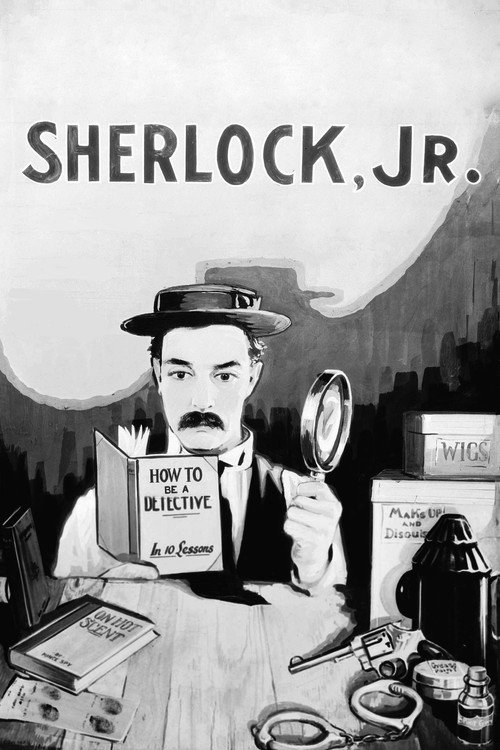
Sherlock Jr.1924
Buster Keaton's masterpiece of physical comedy and ingenious stunt work. Like Houdini, Keaton uses his body as the special effect, executing impossible escapes and chases with mathematical precision and breathless invention.
But Comedy from a century ago doesn't always land. The plot is thin, existing mainly as scaffolding for the gags. Requires appreciating physical comedy as art.
Not sure tonight? Get a pick in a minute, starting from The Master Mystery
The wildcard
Something you would not have found on your own.
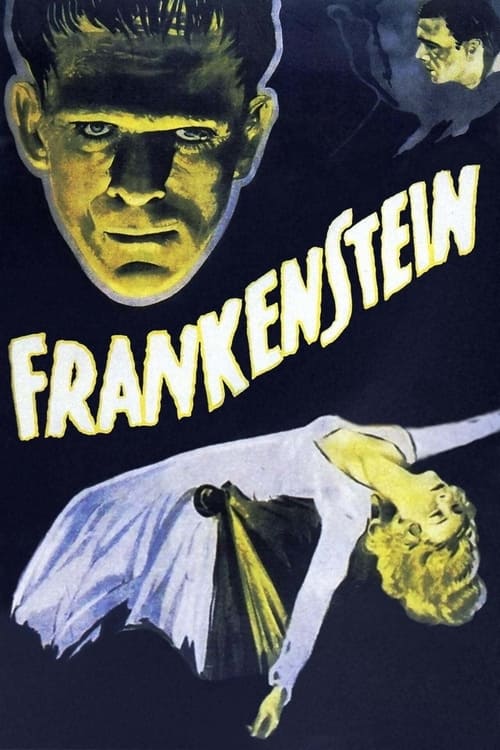
Frankenstein1931
Both films build menace around an artificial being designed to serve humanity but instead becomes the instrument of chaos. The Automaton guards secrets; the Monster is the secret. Both ask whether their creators bear responsibility for what they've made.
James Whale's Universal monster created the template for all creature films to follow. Like the Automaton, the Monster is a created being that horrifies by its very existence—but Whale forces us to see the tragedy in that creation.
But The special effects are crude by modern standards. The film is short and the pacing occasionally staggers. It can feel more quaint than frightening to contemporary viewers.
More like this (8)
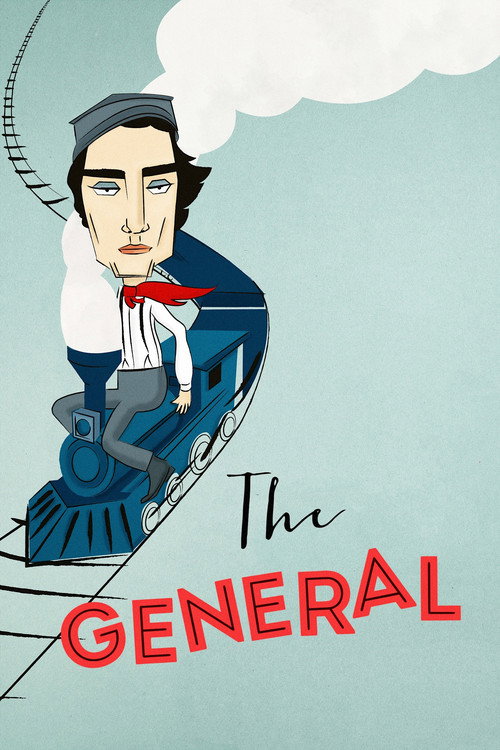
The General1926
Keaton's epic of chase, ingenuity, and escalating mechanical chaos. Like The Master Mystery, it's about a man defeating increasingly elaborate obstacles through wit and timing, staged with staggering technical ambition.
But The Civil War setting and humor feel remote. It's longer than it needs to be, and the comedy is understated rather than broad.
Intolerance: Love's Struggle Throughout the Ages1916
D.W. Griffith's apocalyptic masterwork uses four parallel stories across centuries to explore persecution and injustice. Visually and narratively audacious in ways that still astonish. A landmark.
But Scales of ambition don't guarantee coherence. The film is long, didactic, and the editing can feel chaotic. Griffith's politics are complicated and sometimes offensive.

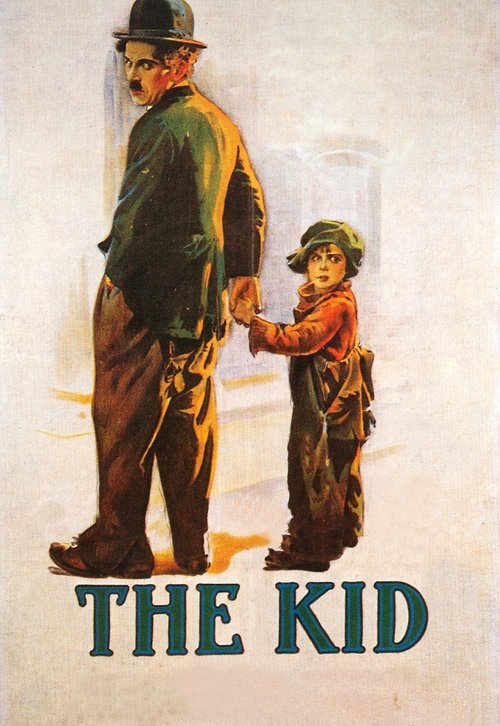
The Kid1921
Charlie Chaplin's only feature-length silent film balances slapstick, pathos, and social commentary. The physical comedy rivals Keaton and Houdini; the emotional core gives it unexpected weight.
But Emotional manipulation is deliberate and heavy-handed. The sentimentality may feel cloying. Some find Chaplin's politics and personal life off-putting.
Metropolis1927
Fritz Lang's vision of a futuristic dystopia, with the robot Maria as its unforgettable icon. The Automaton's sleek terror anticipates this by a decade. Massive sets, innovative effects, and a stark moral vision.
But Political commentary is blunt. Pacing drags. The restored print is superior but still far from pristine, and the story has dated gender politics.

The Lodger: A Story of the London Fog1927
Hitchcock's first thriller, a Jack the Ripper mystery with visual innovation and genuine suspense. Silent cinema used to show rather than tell; Hitchcock mastered that language from the start.
But Slow by modern standards and relies on intertitles for exposition. The mystery itself is fairly conventional. Hitchcock fans often prefer his later work.
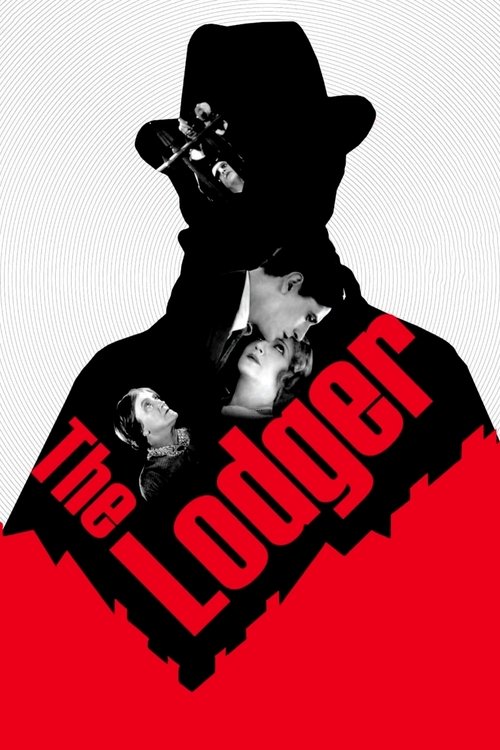
Pandora's Box1929
G.W. Pabst's tale of seduction and doom, with Louise Brooks in a performance that defines silent acting. Dark, complex, and entirely contemporary in its psychology and moral ambiguity.
But It's bleak and sad rather than thrilling. The film is fragmented in surviving prints. Not a story of triumph or escape—of slow, inexorable decline.

Häxan1922
Both treat the unknowable as visual spectacle. The Master Mystery finds wonder in mechanical terror; Häxan finds horror in superstition and imagination. Both use the fantastic to explore what humans fear most about losing control.
Benjamin Christensen's Swedish documentary-fantasy hybrid about witchcraft uses visceral imagery, surrealism, and genuine historical inquiry to explore fear itself. It's cinema as fever dream, utterly unlike anything else from the era.
But It's gruesome and deeply strange. There's no plot to follow. Some sequences are genuinely disturbing, and the film's relationship to its subject is deliberately disorienting.

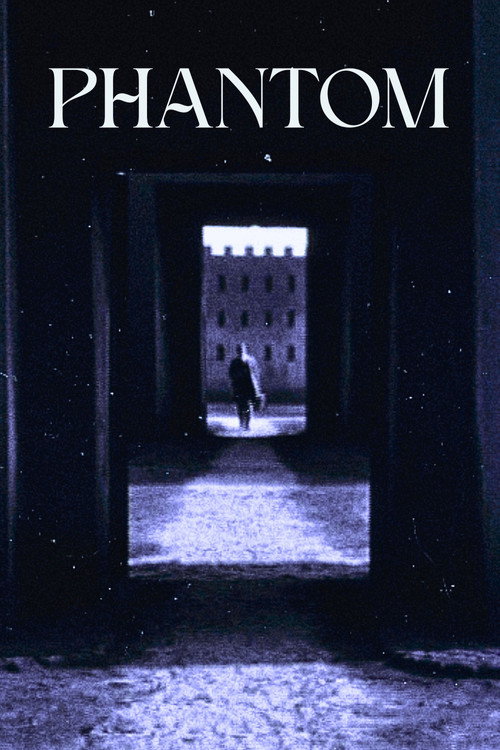
Phantom1922
Both are visual journeys through extraordinary circumstances created by obsessed men. Quentin Locke pursues the Automaton; the Phantom is pursued by his own desires. Both use cinema's capacity for visual strangeness to explore the gap between what we see and what we understand.
F.W. Murnau's haunting drama of obsession and delusion uses German Expressionist technique to create a world where psychology becomes visible. Visual storytelling at its absolute peak—every frame is composed like a painting.
But It's melancholic and introspective rather than thrilling. The plot is thin; the film is mostly atmosphere and internal states. Requires sitting quietly with mood rather than waiting for action.
People
Cast
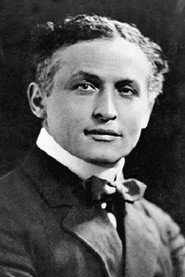 Harry HoudiniQuentin Locke
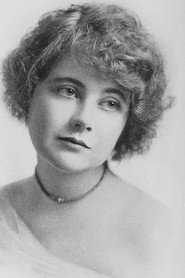 Marguerite MarshEva Brent
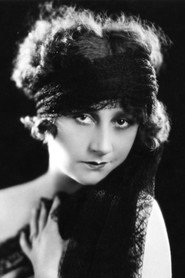 Ruth StonehouseZita Dane
- Edna BrittonDe Luxe Dora
- William PikePaul Balcom
- Charles E. GrahamHerbert Balcom
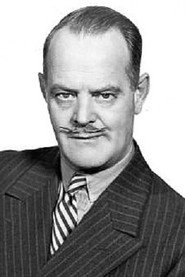 Floyd BuckleyQ the Automaton
- Jack BurnsPeter Brent
Directing
- Burton L. KingDirector
- Harry GrossmanDirector
Writing
- Arthur B. ReeveAuthor
- Charles LogueAuthor