
Film
Phantom
Other titles called Phantom: the 2013 film.
A 1922 German Expressionist masterpiece about obsession and desire. A mundane clerk becomes entranced by a mysterious woman and descends into a hallucinatory world where reality fractures. Visually stunning, psychologically unnerving, and wonderfully strange—silent cinema at its most experimental and emotionally raw.
Should you watch it?
Watch it if you love silent cinema's dreamy, unhinged inner worlds, where a dull clerk's obsession spills into shadowy streets and feverish dream logic, and you don't mind the old-fashioned pace.
Skip it if you need sound, quick cuts or a lean runtime; at nearly two hours of silent, stylised melodrama with intertitles, its romantic obsession can feel repetitive and slow.
What it asks of you: Settle in for almost two hours of silent images, reading title cards and letting mood do the work; the pace is unhurried and the shadows are thick.
Not sure? Find tonight's pick in a minute.
If you liked this
Nosferatu1922
Released the same year, this vampire film shares Phantom's German Expressionist visual language—stark shadows, warped sets, and a protagonist consumed by dark forces beyond his control. Haunting and hypnotic.
But Silent film pacing feels glacial to modern viewers, and the horror is more atmospheric suggestion than explicit gore, which can feel slow.

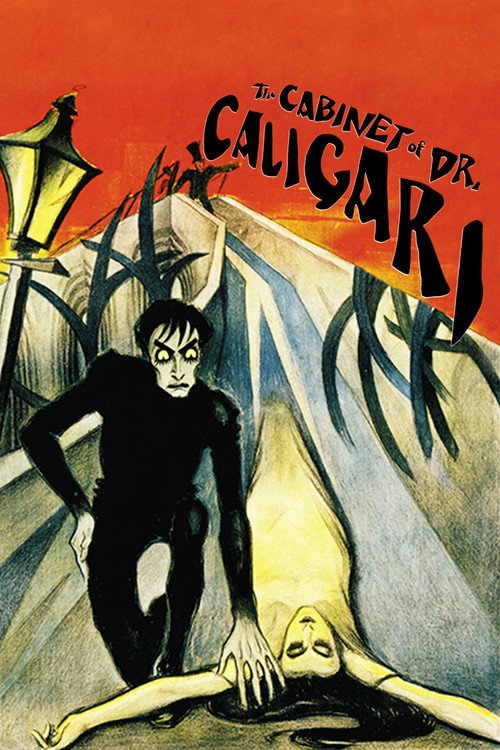
The Cabinet of Dr. Caligari1920
The definitive German Expressionist film—distorted sets, psychological terror, and an unreliable narrator spiral into madness. If Phantom intrigues you, this is essential context and equally mind-bending.
But The plot twist finale divides viewers, and some find the stylisation gets in the way of emotional investment rather than enhancing it.
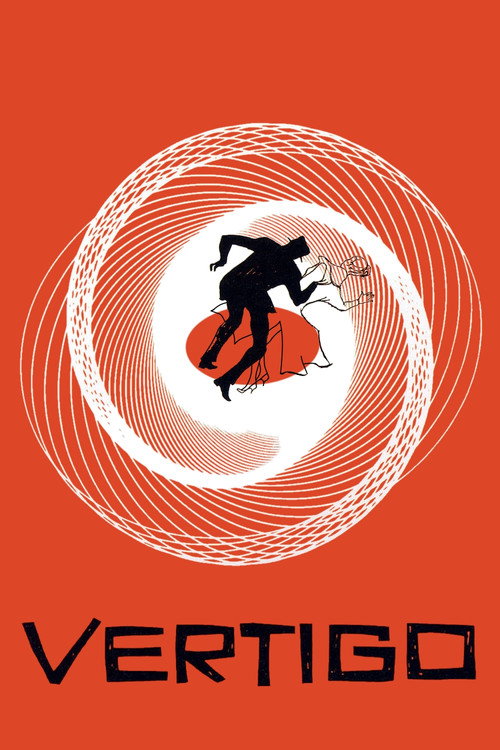
Vertigo1958
Hitchcock's obsession thriller echoes Phantom's descent into fantasy and desire. A man becomes consumed by a woman he cannot have, reality warps, and the film mirrors his fractured psychology through editing and visuals.
But Two hours thirty minutes of slow-burn dread won't appeal if you need plot momentum or clear narrative resolution.
Not sure tonight? Get a pick in a minute, starting from Phantom
The wildcard
Something you would not have found on your own.
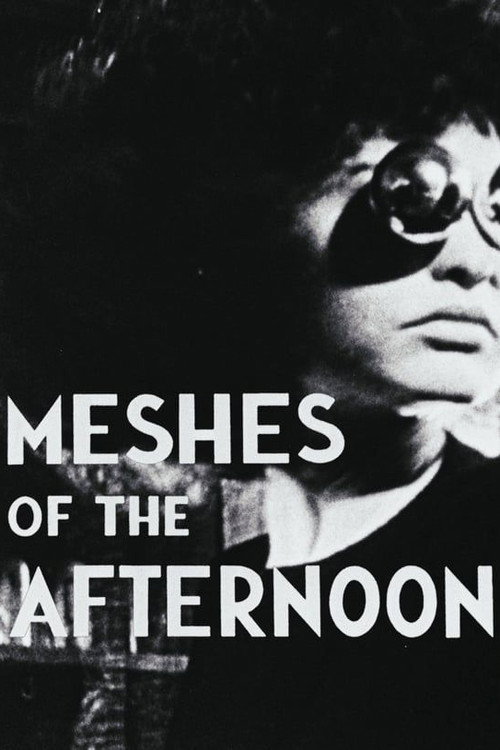
Meshes of the Afternoon1943
Both use visual distortion and repetition to map the internal landscape of obsession. Deren takes Phantom's dreamlike fragmentation and condenses it into its most essential form.
Maya Deren's 14-minute experimental film distils Phantom's obsession into pure cinema—a woman pursued by herself, keys multiplying, a staircase leading nowhere. It's visual poetry about desire and identity, shot with hallucinatory precision.
But It's avant-garde and abstract. If you need narrative logic or character motivation, you'll find it maddening rather than transcendent.
More like this (8)
Mulholland Drive2001
Lynch captures Phantom's dream logic and ambiguous reality—a woman in Los Angeles, two versions of identity, and a world that shifts beneath your feet. Surreal, sensual, and utterly committed to its strangeness.
But Deliberately fragmented and refuses to explain itself. If you need answers spelled out, this will frustrate you deeply.

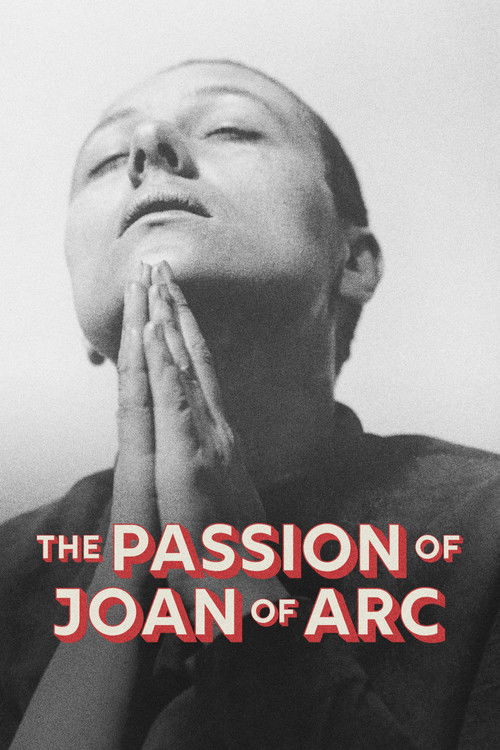
The Passion of Joan of Arc1928
Carl Theodor Dreyer's silent masterpiece about suffering and transcendence, with Renée Jeanne Macdonald's face filling the screen in anguished close-up. Raw emotion without dialogue, pure cinema.
But Relentlessly bleak and religious in its intensity. The repetitive interrogation scenes can feel punishing rather than enlightening.
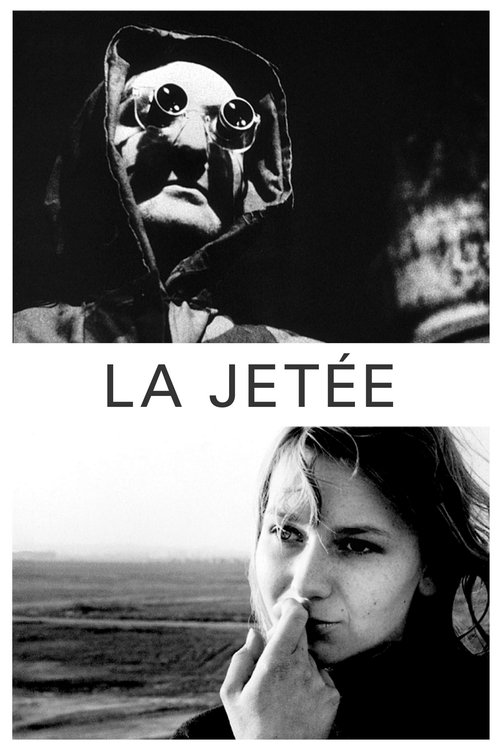
La Jetée1962
A 28-minute time-travel reverie constructed almost entirely from still photographs. Its poetic logic and emotional precision show cinema's power to suggest rather than show, much like Phantom's dreamlike flow.
But The experimental format—barely any motion—feels static to viewers expecting conventional narrative momentum.
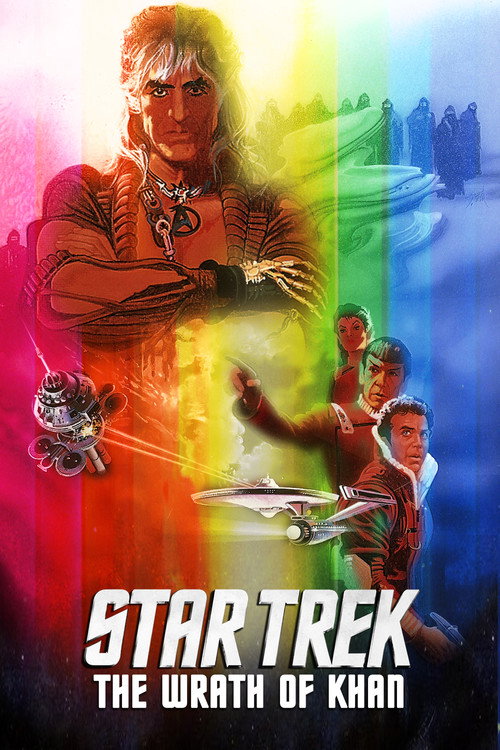
Star Trek II: The Wrath of Khan1982
A charismatic villain (Khan) embodies obsession and personal vendetta against a protagonist, creating psychological tension beneath the action. Both characters are trapped by their mutual fixation.
But It's a blockbuster Star Trek sequel that prioritises spectacle and quips over the brooding introspection Phantom offers.
Bitter Lake2015
Adam Curtis' three-hour essay-film meditates on power, desire, and delusion through archival footage and haunting music. Hypnotic and disorienting, it shares Phantom's sense of reality fragmenting under ideological pressure.
But It's an experimental documentary essay with no conventional narrative. If you want story over atmosphere, you'll be lost.
Synecdoche, New York2008
A theatre director's reality collapses as his fantasy of creation overtakes his life—sets within sets, actors playing actors, a dream logic that devours the dreamer. Obsessive and baroque, quietly devastating.
But Deliberately dense and opaque. Many viewers find it pretentious, and the bleakness can feel indulgent rather than illuminating.

Stalker1979
Both films treat obsession as a metaphysical condition. Where Phantom visualises desire through Expressionist distortion, Stalker internalises it through contemplative silence and the weight of expectation.
Andrei Tarkovsky's glacial sci-fi meditation follows a guide leading two men through a mysterious zone to a room that grants wishes. Philosophical, hypnotic, and consumed by desire and doubt—Phantom's existential weight in a different key.
But 163 minutes of philosophical science fiction with minimal plot. Long, slow, and resistant to interpretation. Patience is not optional.

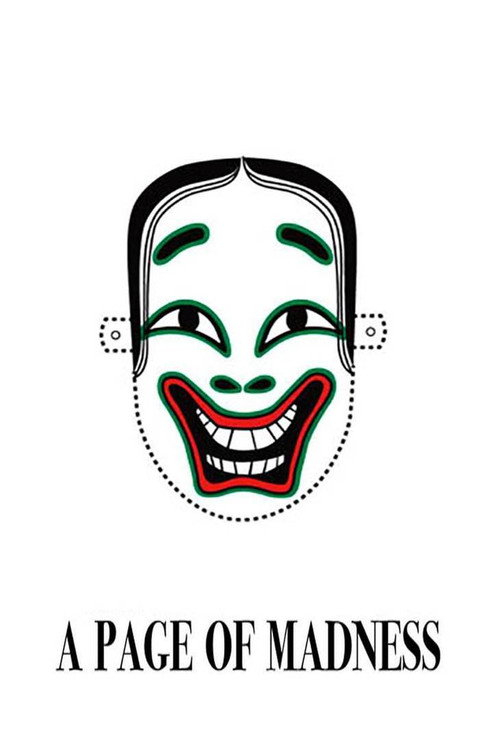
A Page of Madness1926
Like Phantom, it uses cinematic form itself—editing, perspective, composition—to express psychological collapse. Both films argue that cinema is the perfect medium for depicting the interior of a mind in crisis.
This Japanese experimental film (virtually lost, partially reconstructed) follows a man who enters an asylum as a janitor to rescue his wife. Shot with vertiginous angles and rapid cuts, it's fever-dream cinema about love, madness, and institutional horror.
But Silent, experimental, and semantically fractured. The narrative barely holds together, and the visual style requires active, exhausting engagement.
People
Cast
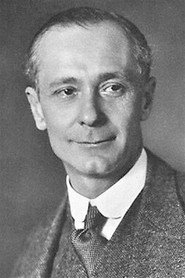 Alfred AbelLorenz Lubota
- Grete BergerPfandleiherin Schwabe / Pawnbroker Schwabe
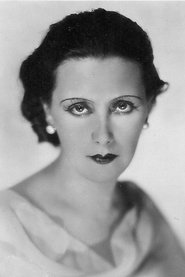 Lil DagoverMarie Starke
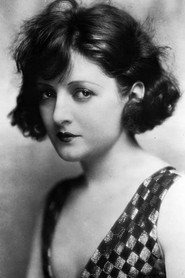 Lya De PuttiVeronika Harlan / Mellitta
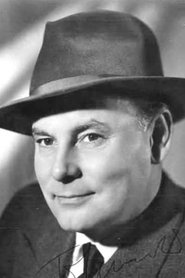 Anton EdthoferWigottschinski
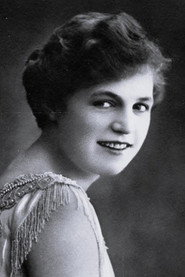 Aud Egede-NissenMelanie Lubota
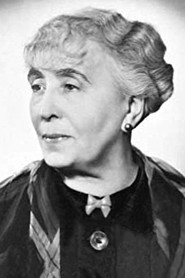 Olga EnglHarlans Frau / Harlan's Wife
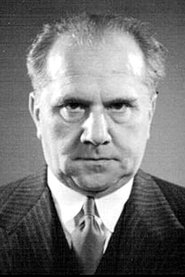 Karl EtlingerBuchbinder Starke / Bookbinder Starke
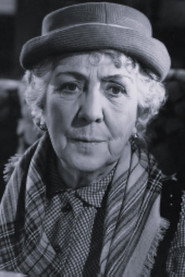 Ilka GrüningBaronin / Baroness
- Adolf KleinHarlan
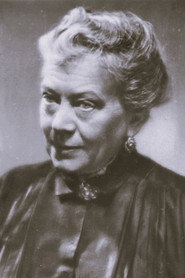 Frida RichardLubotas Mutter / Lubota's Mother
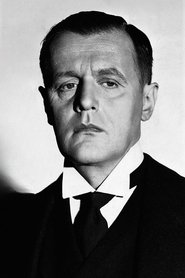 Hans Heinrich von TwardowskiHugo Lubota
Directing
- F. W. MurnauDirector
Writing
- Thea von HarbouAdaptation
- Gerhart HauptmannNovel
- Thea von HarbouWriter
Production
- Erich PommerProducer
- Herman BingUnit Manager
Recommended by
Variety, The Student of Prague, Merry-Go-Round, Quo Vadis?, The Master Mystery, Hell-Bound Train, The Spanish Dancer