
Film
Quo Vadis?
Other titles called Quo Vadis?: the 1951 film.
A silent Italian epic of Nero's Rome, all marble, fire and decadence. Emil Jannings commands the screen as history's most theatrical tyrant, presiding over orgies and persecutions with operatic menace. It's pure spectacle—thousands of extras, sets built to crush you, a film that moves like a pageant. Genuinely stunning if you can meet its stately pace.
If you liked this
The Phantom Carriage1921
Swedish director Victor Sjöström's haunting masterpiece about guilt and redemption, made just before Quo Vadis?. Proves silent cinema could do intimacy and terror as well as spectacle, with supernatural dread that still lands.
But It's a ghost story about alcoholism and poverty—emotionally heavy and bleak. The technical innovation is subtle rather than showy.

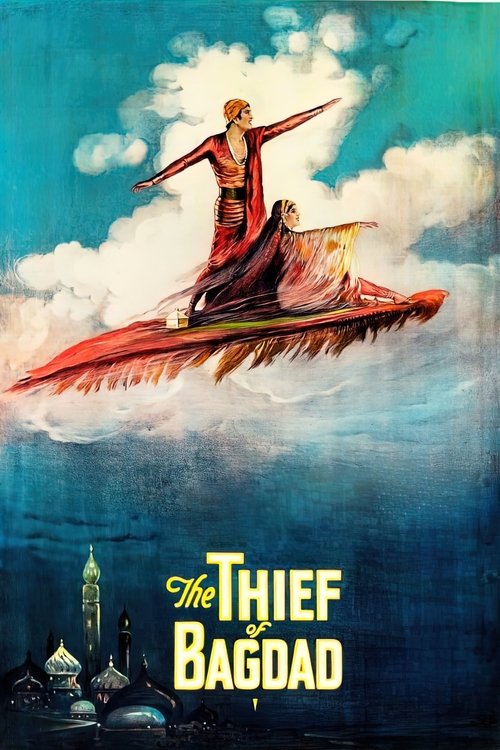
The Thief of Bagdad1924
Released the same year, with Douglas Fairbanks at his most acrobatic. Sumptuous sets, magic, adventure, and a lightness of touch that Quo Vadis? doesn't have. Pure joy in cinema's ability to create wonder.
But It's basically a fairy tale romp, so if you want moral weight or historical depth, you won't find it. The adventure is the point.
Battleship Potemkin1925
Eisenstein's Soviet masterpiece about revolution, made just after Quo Vadis?. Like it, this is cinema at maximum scale, but deployed for political fury instead of imperial grandeur. The Odessa Steps sequence changed filmmaking forever.
But It's a propaganda film for communism, and the montage editing style can feel choppy if you're not primed for it. Not entertaining in a comfort-food way.

Not sure tonight? Get a pick in a minute, starting from Quo Vadis?
The wildcard
Something you would not have found on your own.
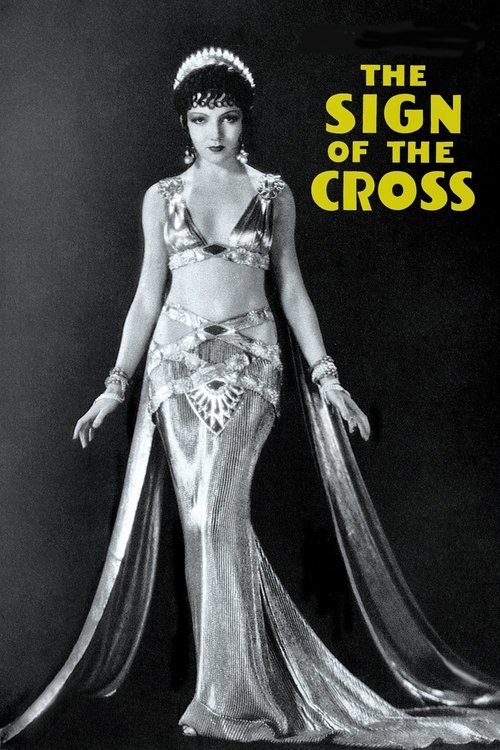
The Sign of the Cross1932
Both are DeMille epics built on scale and decadence in imperial Rome, separated only by the arrival of sound. Comparing them is like watching film technology's leap through the exact same story.
Cecil B. DeMille's sound remake of the same material—Nero, Christians, Rome, spectacle. But this one talks. It shows you exactly what was gained and lost when cinema added dialogue, and how the same epic impulse changes when actors can speak.
But The dialogue is period-heavy and the Christian morality is heavy-handed by modern standards. Watching two versions of the same story is a lot of Roman excess.
More like this (7)
Nosferatu1922
F.W. Murnau's vampire classic proves silent drama could be genuinely unsettling. Made just before Quo Vadis?, it shows you could use these massive production values to create dread instead of spectacle.
But It's slow-paced and atmospheric to the point of creeping rather than gripping. If you need plot momentum, this will test your patience.

The Cabinet of Dr. Caligari1920
German Expressionist masterpiece with deliberately warped sets and psychological horror. Proof that silent cinema could be intimate and disturbing, a complete tonal opposite to Quo Vadis?'s pageantry but equally influential.
But The distorted sets and stagey acting take adjustment. The plot is thin and the film moves like a dream logic rather than narrative drive.

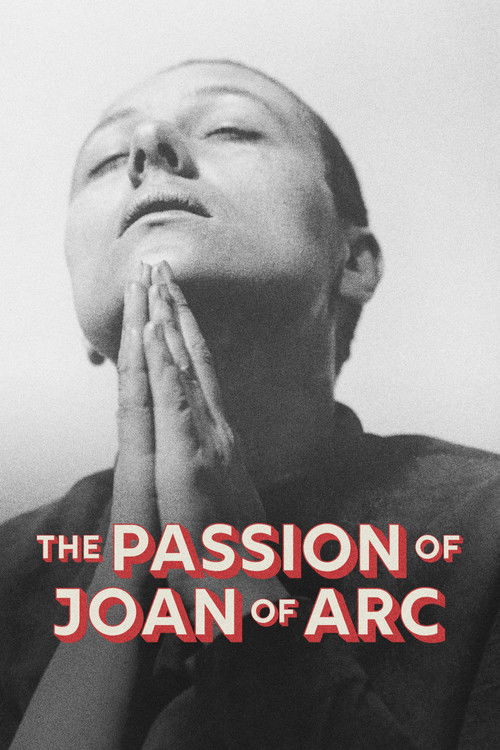
The Passion of Joan of Arc1928
Carl Theodor Dreyer's ravishing close-up portrait of faith, suffering and conviction. Made at the end of the silent era, it uses intimate faces instead of crowds. Renée Jeanne Falconetti's performance is one of cinema's wonders.
But It's a trial film with minimal plot movement. If you need action or variety, watching someone's face undergo spiritual anguish for 80 minutes might feel monotonous.
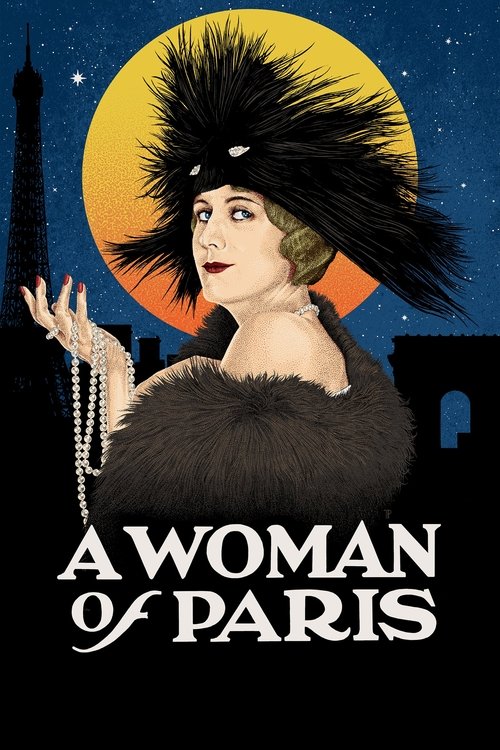
A Woman of Paris: A Drama of Fate1923
Chaplin's rare dramatic role, a mature tragedy about love and class in Paris. Subtle, witty, and proof that silent cinema could do sophisticated emotional nuance alongside Quo Vadis?'s grandeur.
But It's completely lacking Chaplin's comedy, so if you come for his famous persona, you'll be disappointed. The restraint can feel cold.
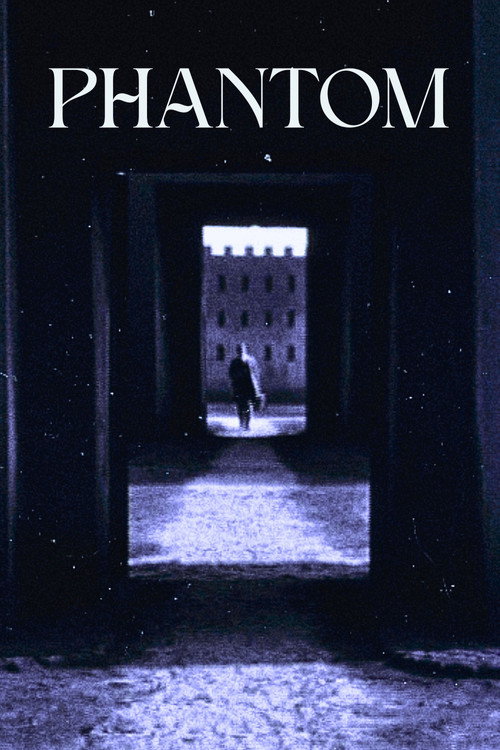
Phantom1922
F.W. Murnau's romantic tragedy uses expressionist shadows and a Paris Opera setting for Gothic melodrama. Stylish, eerie, and operating at a completely different emotional register from Quo Vadis?'s imperial sprawl.
But It's overwrought in a very specific German style, all angst and shadow. If you need clarity or straightforward storytelling, this is deliberately obscure.
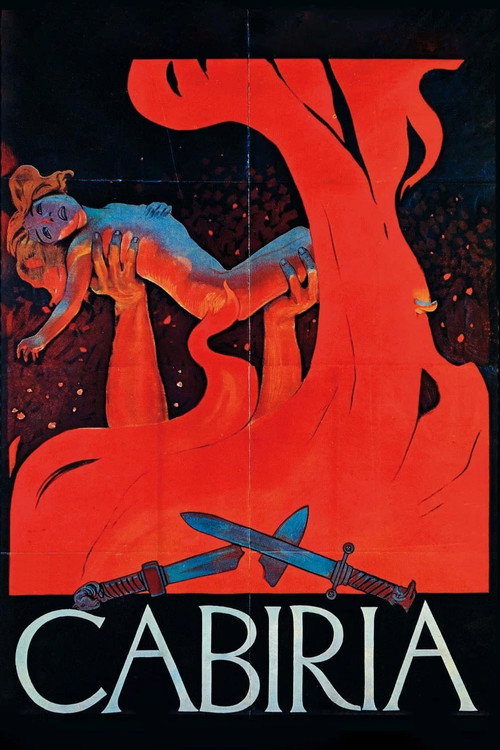
Cabiria1914
Quo Vadis? is basically Italian cinema learning to make an even bigger version of what Cabiria proved audiences would sit through. Direct lineage, same studio tradition.
The Italian silent epic that preceded Quo Vadis? by a decade and directly influenced it. Ancient Rome, thousands of extras, sets of staggering scale. This is the DNA of what Jannings walked into—the birth of the historical epic spectacle.
But At 148 minutes it's relentless in its pacing and the plot is thin. It's basically an excuse for set pieces, which is thrilling if that's what you want and exhausting if you don't.
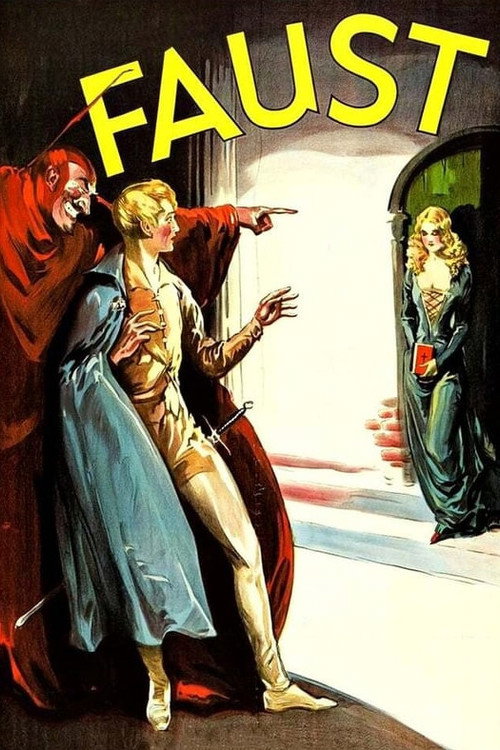
Faust1926
Both films are about men corrupted by absolute power, but one shows it as historical spectacle and the other as expressionist nightmare. They're the same moral story told in the opposite visual language.
F.W. Murnau's late masterpiece about temptation, power, and damnation. German Expressionism at its peak, using shadow and distortion instead of marble and crowds. Same era as Quo Vadis?, completely opposite aesthetic, but both about absolute corruption.
But It's abstract and nightmarish where Quo Vadis? is concrete. The visual style demands active decoding. If you want straightforward narrative, this is deliberately hallucinatory.
People
Cast
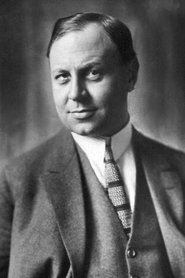 Emil JanningsNerone
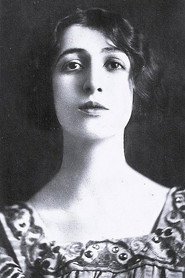 Elena SangroPoppea
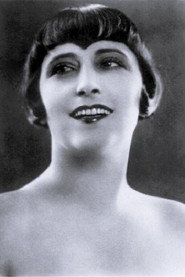 Rina De LiguoroEunica
- Lillian Hall-DavisLicia
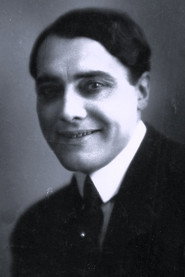 Andrea HabayPetronius
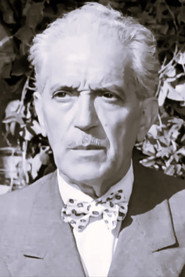 Raimondo Van RielTigellinus
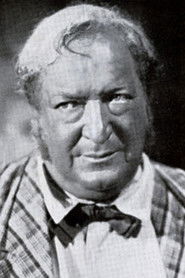 Gildo BocciVittelius
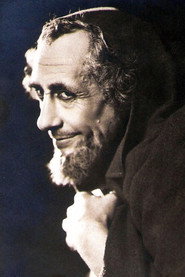 Gino ViottiChilone Chilonides
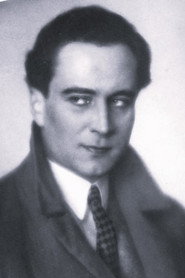 Alphons FrylandVinicius
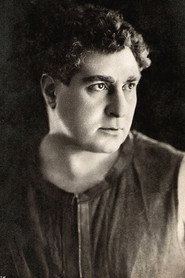 Bruto CastellaniUrsus
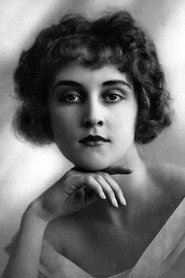 Elga BrinkDomitilla
- Arnold KentRoman Guard
Directing
- Gabriellino D'AnnunzioDirector
- Georg JacobyDirector
Writing
- Henryk SienkiewiczNovel
- Gabriellino D'AnnunzioWriter
- Georg JacobyWriter