
Film
Cabiria
Cabiria is an epic Italian historical drama from 1914 following a young girl enslaved in Carthage and her rescue by a Roman spy and a mighty slave. It's a sweeping, visually ambitious spectacle—part adventure, part tragedy—shot with a scale and cinematic ingenuity that feels almost impossible for its era. For anyone curious about cinema's foundation or epic storytelling before sound, it's essential and genuinely gripping.
Should you watch it?
Watch it if you love grand silent spectacle, sweeping sets and the slow pleasure of watching an early film find its own language, with a hero who is more muscle than words.
Skip it if you need quick dialogue and tight editing, since at 148 minutes the pace is leisurely, intertitles interrupt often, and the acting is broad by modern standards.
What it asks of you: A long, unhurried evening: nearly two and a half hours of silent scenes that reward patience, with faces and vast sets doing the talking rather than quick cuts.
Not sure? Find tonight's pick in a minute.
If you liked this
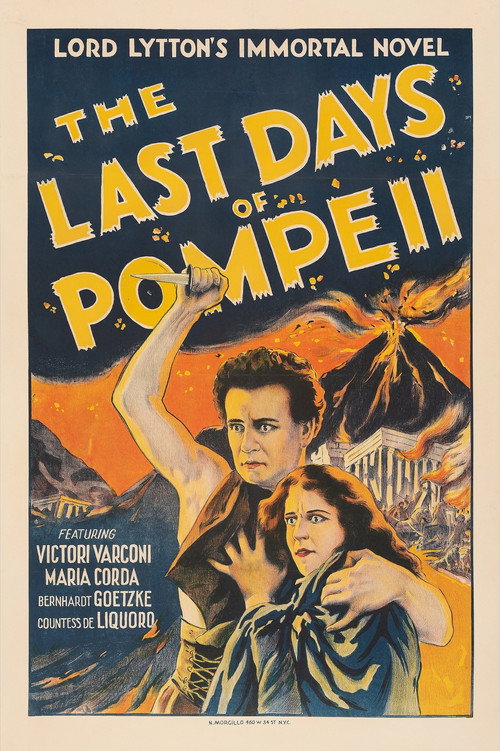
The Last Days of Pompeii1926
Another Italian epic with similar scale and moral conviction, tracking separate lives converging in catastrophe. The eruption sequence remains genuinely awe-inspiring, and the emotional stakes feel earned across its runtime.
But Some restoration prints vary wildly in quality. The pacing, even by silent standards, can feel deliberate to the point of drag in the middle hour.
Metropolis1927
Fritz Lang's German masterpiece channels Cabiria's ambition into pure visual prophecy—a futuristic city-state built on slave labour, divided by class, demanding moral reckoning. The set design alone justifies the commitment.
But The restored cut is nearly 2.5 hours and unapologetically operatic in tone. Some viewers find the simplicity of its class politics dated rather than timeless.

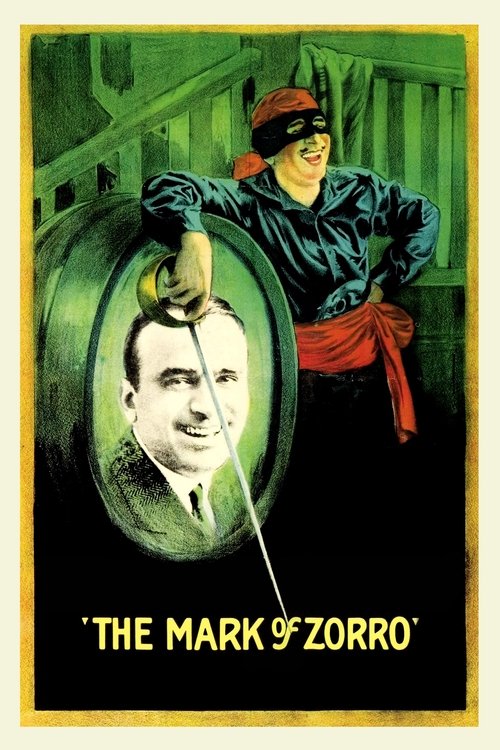
The Mark of Zorro1920
A swashbuckling adventure with genuine wit and grace: Fairbanks invents the modern action hero, a masked avenger protecting the dispossessed from corruption. It's thrilling, clever, and far more fun than its earnest contemporaries.
But The politics are costume-box simplicity compared to Cabiria's weightiness. If you're seeking moral complexity, this prioritises charm and momentum instead.
Not sure tonight? Get a pick in a minute, starting from Cabiria
More like this (5)
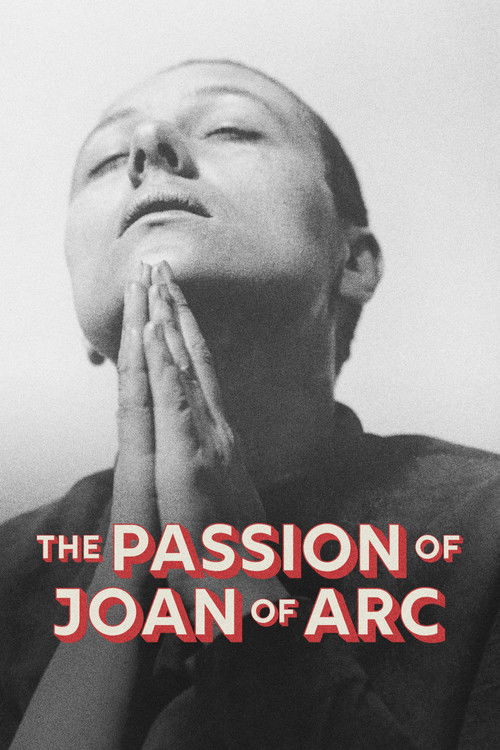
The Passion of Joan of Arc1928
Carl Theodor Dreyer strips away spectacle entirely, finding cosmic drama in close-ups of Renée Jeanne's face as Joan faces trial and execution. An interior epic: faith, fear, resignation, defiance, all legible in her expression.
But It is slow, repetitive, and emotionally punishing. Not a film that offers you comfort or release—only unflinching witness to suffering.
The Phantom Carriage1921
Swedish masterpiece about a man condemned to drive Death's carriage through the night, shown his life's cruelty through supernatural visitation. Formally inventive, genuinely moving, the special effects hold up with eerie grace.
But Its spiritual moralism will feel heavy-handed to secular viewers. The pacing is glacial even by the standards of the era.

Nosferatu1922
A vampire film that works as atmosphere, dread, and visual poetry rather than narrative thriller. Max Schreck's creature is less monster than force of nature—shadow made flesh, corruption given shape.
But Plot is minimal and repetitive; the real experience is mood. If you need character development and dialogue, you'll find it skeletal.

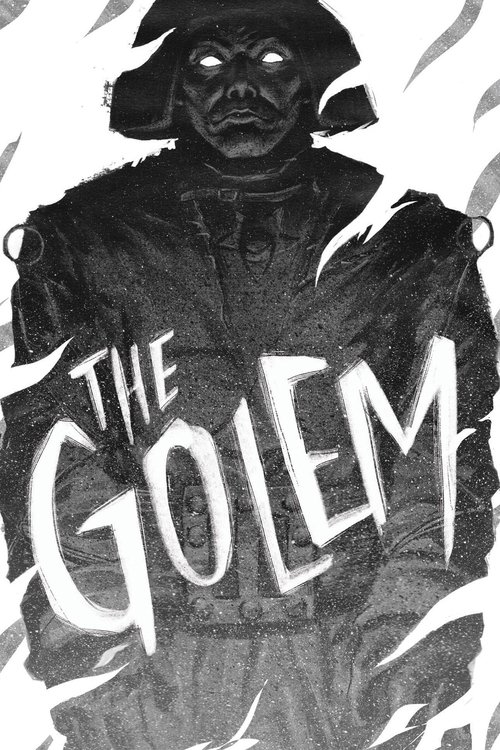
The Golem: How He Came into the World1920
A creation myth in expressionist German cinema: a rabbi fashions a clay giant to protect his people, and it becomes something he cannot control. Visually hypnotic, darkly funny, and morally complicated about power and violence.
But The narrative is episodic and sometimes slack. Some versions are heavily truncated, making restoration history matter more than most films.
Häxan1922
A Danish-Swedish hybrid part-documentary, part-theatre, part-fever dream about witchcraft across history. Wildly inventive, grotesque, funny, and more formally daring than anything its year had a right to produce.
But It's genuinely disturbing in ways modern horror rarely attempts. Some sequences are designed to unsettle rather than entertain, and it's not always clear which impulse governs each scene.

People
Cast
- Carolina CatenaCabiria (Chlld)
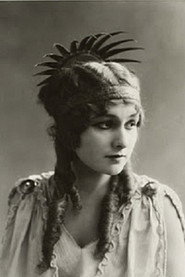 Lidia QuarantaCabiria (Adult)
- Gina MarangoniCroessa
- Dante TestaKarthalo
- Umberto MozzatoFulvio Axilla
- Bartolomeo PaganoMaciste
- Raffaele di NapoliBodastoret - the Innkeeper
- Emilio VardannesHannibal
- Edoardo DavesnesHasdrubal
 Italia Almirante-ManziniSophonisba - Hasdrubal's Daughter
- Alex BernardSiface "Syphax" - King of Cirta
- Luigi ChelliniScipione "Scipio" - the Consul
Directing
- Giovanni PastroneDirector
Writing
- Emilio SalgariNovel
- Titus LiviusOriginal Story
- Gabriele D'AnnunzioScreenplay
- Giovanni PastroneScreenplay
Production
- Giovanni PastroneProducer
Recommended by
Pompeii, L'Atlantide, Sodom and Gomorrah, The Assassination of the Duke de Guise, The Last Days of Pompeii, Salammbô, Quo Vadis?