
Film
The Last Days of Pompeii
Other titles called The Last Days of Pompeii: the 1926 film, the 1935 film.
A 1959 Italian adventure film where a returning centurion investigates his father's murder in Pompeii as the volcano looms. Steve Reeves flexes his way through romance, betrayal, and ancient intrigue with the earnest sincerity of early sword-and-sandal cinema. It's kinetic, melodramatic, and completely comfortable with its own absurdity—perfect if you want spectacle without irony.
Should you watch it?
Watch it if you love old-school sword-and-sandal spectacle, with a muscular hero, a lurid high-priest villain and a city visibly coming apart under a sky full of ash, played straight without winking at the camera.
Skip it if you want history handled with care, since this 1959 peplum trades accuracy for colour, melodrama and a hero who has more confidence than nuance, and the acting leans broad.
What it asks of you: It runs about an hour and forty minutes at a brisk clip, asking you to meet its big, operatic emotions on their own terms rather than hunting for subtlety.
Not sure? Find tonight's pick in a minute.
If you liked this
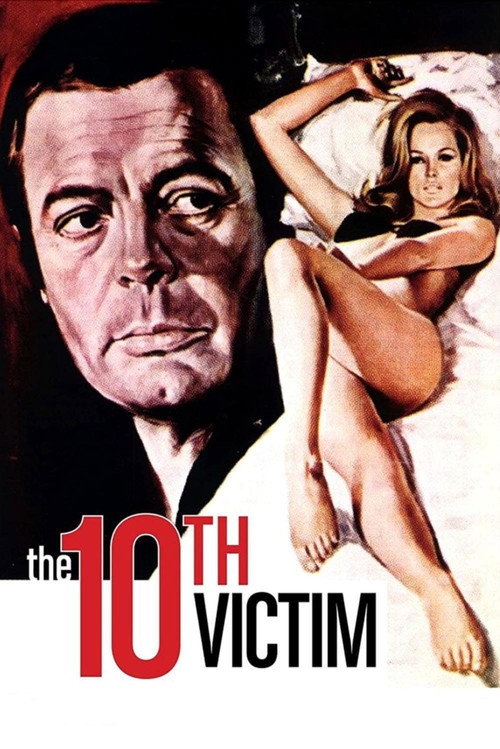
The 10th Victim1965
Italian sci-fi pulp with the same campy energy and baroque plotting. Features Monica Vitti and Marcello Mastroianni in a future where killing is sport. Wildly imaginative production design and a refusal to take itself seriously.
But The pacing is deliberately strange and the tone shifts jarringly. If you need a clear narrative engine, this will frustrate you.
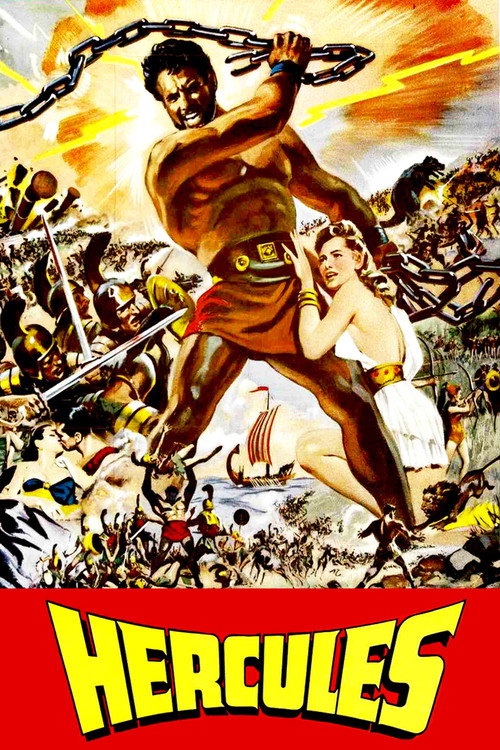
Hercules1958
Steve Reeves' breakthrough role in the film that launched a thousand Italian muscle-man adventures. The template for everything that followed: earnest hero, impossible tasks, monsters, romance, and zero self-consciousness about spectacle.
But The dubbing is notably stiff and the dialogue occasionally nonsensical. Action beats matter far more than script coherence.
Romulus and Remus1961
Romulus and Remus saga with Steve Reeves again, leaning harder into the mythological epic. Gorgeous colour cinematography, sweeping battles, and that particular brand of historical-ish storytelling where accuracy is a suggestion, not a rule.
But Extremely long and the narrative meanders. Two-hour runtime for what could be a ninety-minute film.
Not sure tonight? Get a pick in a minute, starting from The Last Days of Pompeii
The wildcard
Something you would not have found on your own.
The Red Shoes1948
Both films treat cinematic spectacle as the primary emotional language. In Pompeii, the volcano and action are what you feel; in The Red Shoes, the dance and design are what you feel. Neither apologizes for prioritizing beauty and scale over realism.
A film about obsession and sacrifice where the spectacle itself—production design, dance, colour—becomes the emotional argument. Like Pompeii, it's utterly committed to visual grandeur as narrative substance rather than decoration. Powell and Pressburger at peak invention.
But The plot is secondary to the filmmaking. If you need character motivation spelled out, you'll find it frustratingly opaque. Long ballet sequences may test your patience.

More like this (8)
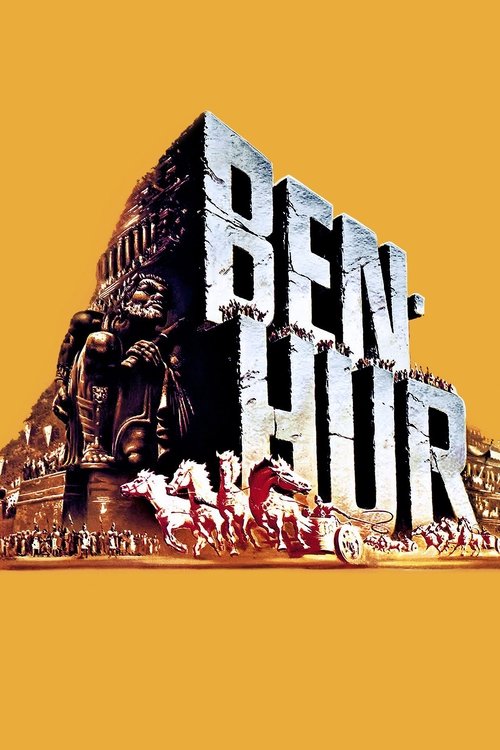
Ben-Hur1959
The prestige version of ancient Rome spectacle. Chariot race remains one of cinema's great action sequences. Charlton Heston in peak form and William Wyler directing with absolute command. Genuinely moving beneath the scale.
But Deeply religious in its thematics—the conversion arc isn't incidental. Running time of nearly four hours demands commitment.
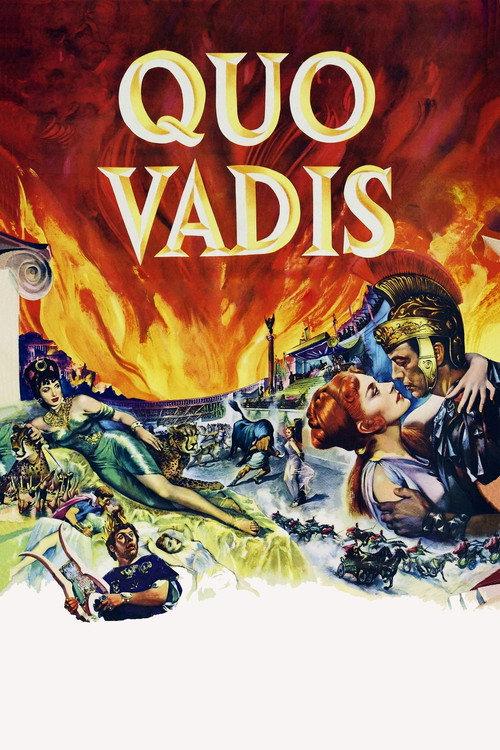
Quo Vadis1951
Rome under Nero with Robert Taylor and Ava Gardner. Peter Ustinov steals every scene as the mad emperor. Enormous cast, real sets, and that mixture of historical epic and intimate drama that justifies the budget.
But The pacing is stately and the sexual politics are very much of the 1950s. Some sequences drag considerably.
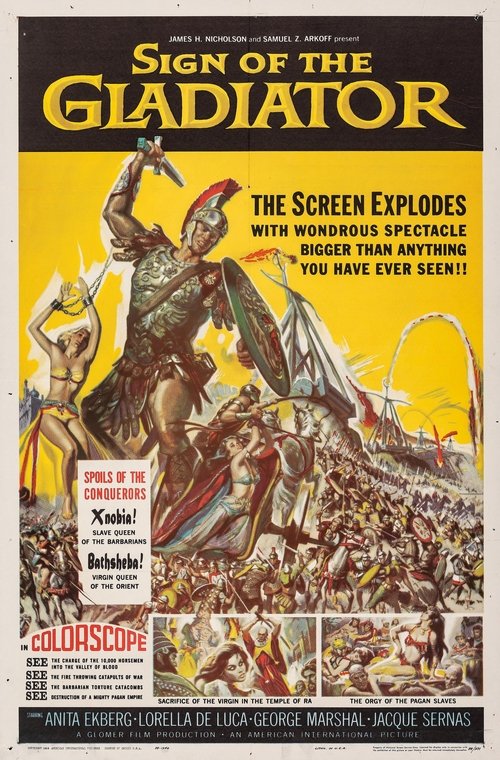
Sign of the Gladiator1959
Anwar Kawadri as a rebel fighting Roman oppression with sword work and righteous anger. Economical storytelling with real stakes. The kind of mid-tier adventure that knows exactly what it is and doesn't waste your time.
But The production values are visibly lower. You're watching this for the story and action, not for spectacle.
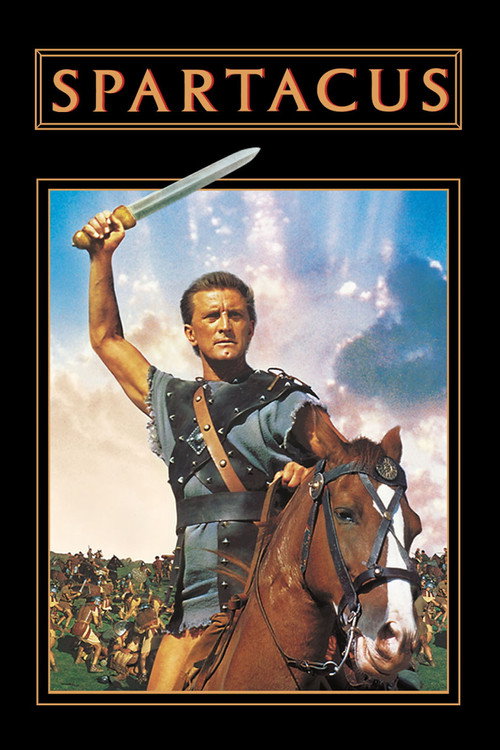
Spartacus1960
Kirk Douglas leading a slave revolt against Rome. Stanley Kubrick directing with intelligence and scale. The gladiator training sequences are brutal and the moral argument is actual substance, not window dressing.
But Nearly four hours long and the politics can feel heavy-handed. The final act loses momentum.
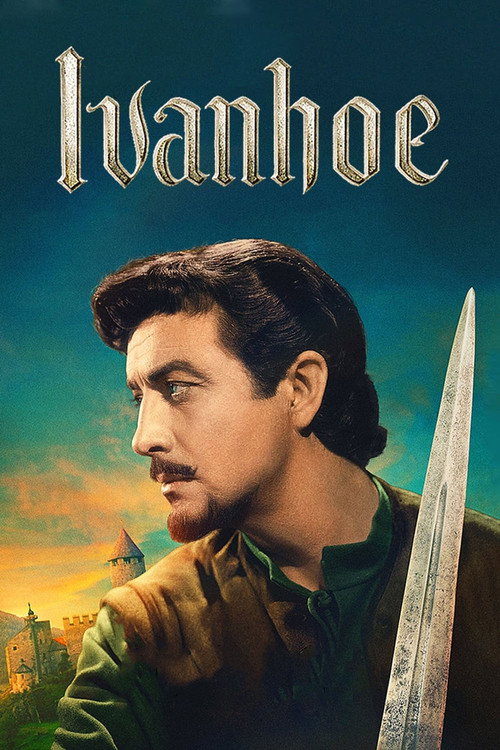
Ivanhoe1952
Medieval adventure with Robert Taylor and Elizabeth Taylor. Jousting tournaments, noble feuds, and Technicolor romance. If you want that same earnest sweep but with knights instead of Romans, this is the template.
But The script is considerably more formal than Pompeii. It takes itself seriously in ways that can feel stodgy.
The Loves of Hercules1960
Steve Reeves again—this time fighting monsters and seducing women across mythological landscapes. Cheerfully episodic and utterly unconcerned with narrative logic. Pure adventure in the most basic sense.
But No attempt at character depth whatsoever. This is 103 minutes of posing, fighting, and romantic conquest.
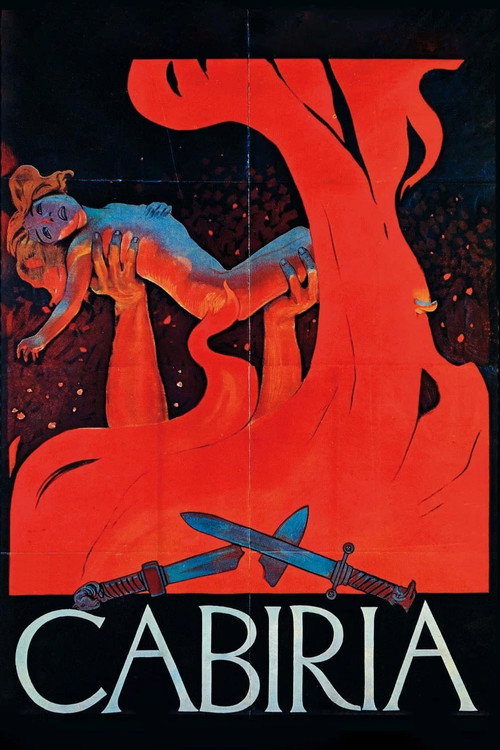
Cabiria1914
Direct lineage. Cabiria established the visual and narrative language of the Roman epic that Pompeii speaks fluently 45 years later. One is the root; the other is the fruit.
The original Roman epic—D.W. Griffith learned from this. A girl sold into slavery during the Punic Wars. Enormous sets, genuine crowds, incredible action for 1914. Silent cinema at its most ambitious and technically audacious. The ancestor of everything Pompeii inherits.
But It's silent and nearly two hours long. The acting style is extremely theatrical. Watching it requires genuine patience and an open mind about what cinema was.
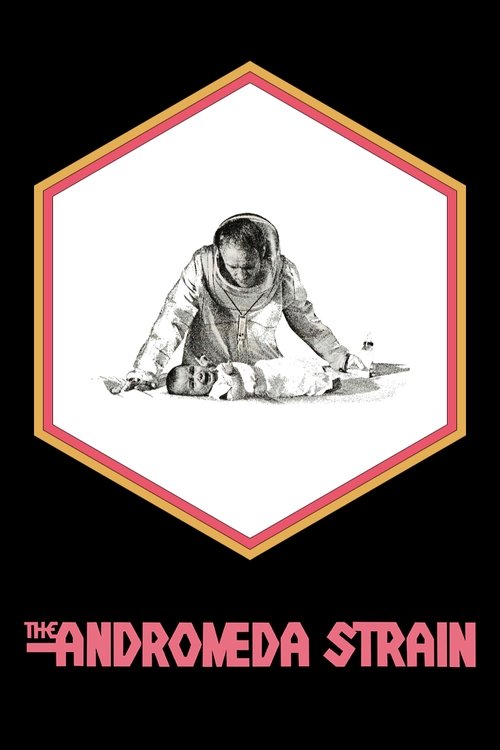
The Andromeda Strain1971
Both are disaster narratives where a city or civilization faces obliteration and individuals are caught in historical forces beyond their control. Pompeii dresses it in romance and adventure; Andromeda Strain strips it to procedural tension. Same skeleton, opposite emotional temperatures.
A catastrophe film where the real threat is invisible and scientific. Michael Crichton's adaptation is methodical, tense, and genuinely smart. The aesthetic is clinical modernism against cosmic dread. No heroes flexing—just competent people racing against impossible odds.
But Completely different register from Pompeii. Slow-burn thriller rather than action-adventure. The science is the drama, not explosions or romance. Could feel austere if you're expecting heroic gesturing.
People
Cast
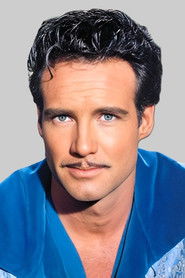 Steve ReevesGlaucus Leto
 Christine KaufmannElena / Ione
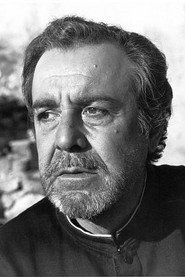 Fernando ReyArbaces, High Priest of Isis
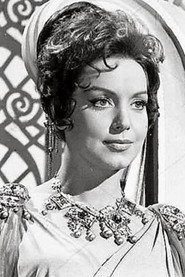 Barbara CarrollNydia
 Anne-Marie BaumannJulia
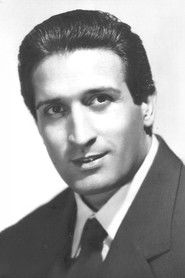 Mimmo PalmaraGallinus, a Praetorian Guard
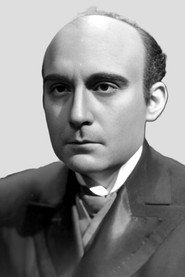 Guillermo MarínAscanius, Consul of Pompei
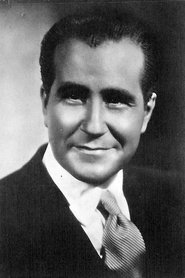 Carlo TamberlaniOlinto, Christian Leader
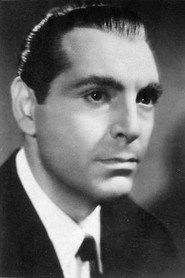 Mino DoroConsul
 María SilvaJulia's Maid
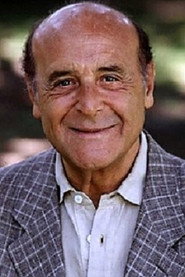 Jesús PuenteRoman Senator
- Vicky LagosWoman in Red
Directing
- Sergio CorbucciAssistant Director
- Sergio LeoneCo-Director
- Mario BonnardDirector
- Duccio TessariFirst Assistant Director
- José CastanyerScript Supervisor
- Augusto FenollarSecond Assistant Director
Writing
- Edward George Bulwer-LyttonNovel
- Duccio TessariWriter
- Ennio De ConciniWriter
- Luigi EmmanueleWriter
- Sergio CorbucciWriter
- Sergio LeoneWriter
Production
- Lucio FulciAssociate Producer
- Paolo MoffaExecutive Producer
- Antonio MontoyaProduction Assistant
- Luigi PininiProduction Assistant
- Miguel Asensio LlamasProduction Assistant
- Cesare SecciaProduction Manager
- Eduardo de la FuenteProduction Manager
- Renato SilvestriProduction Manager
- Alfonso FabrizioProduction Secretary
- Renato SilvestriSupervising Producer
Recommended by
Slave of the Cannibal God, Romulus and Remus, The Trojan Horse