
Film
The Trojan Horse
A 1961 Italian sword-and-sandal epic that follows Aeneas from Troy's fall through his voyage to Italy. Earnest, sweeping, and gloriously unashamed of its ambitions: Steve Reeves muscles his way through classical mythology with genuine conviction. It's the kind of film that believes in its own mythology.
If you liked this
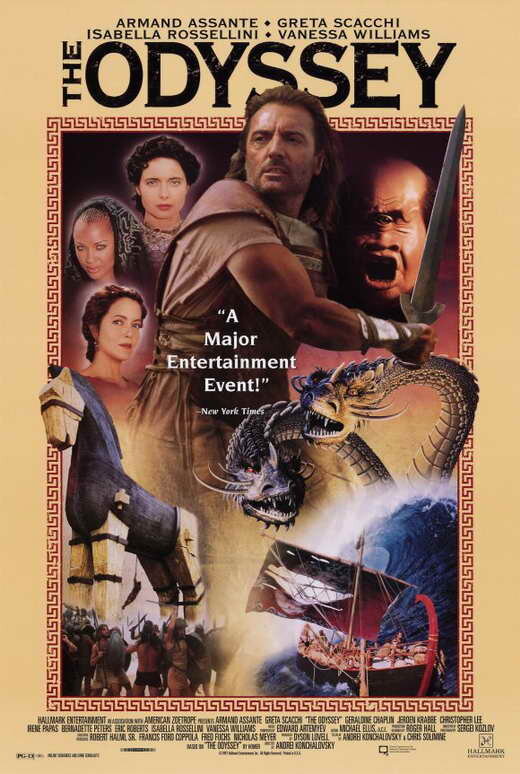
The Odyssey1997
Andrzej Żuławski's miniseries captures the same epic wandering—a hero displaced, seeking home across mythic seas. It has the gravitas and visual splendor that '90s television could muster, treating Homer with reverence.
But Slower and more introspective than action-adventure. At nearly eight hours, it demands patience and will feel remote if you're not invested in the journey itself.
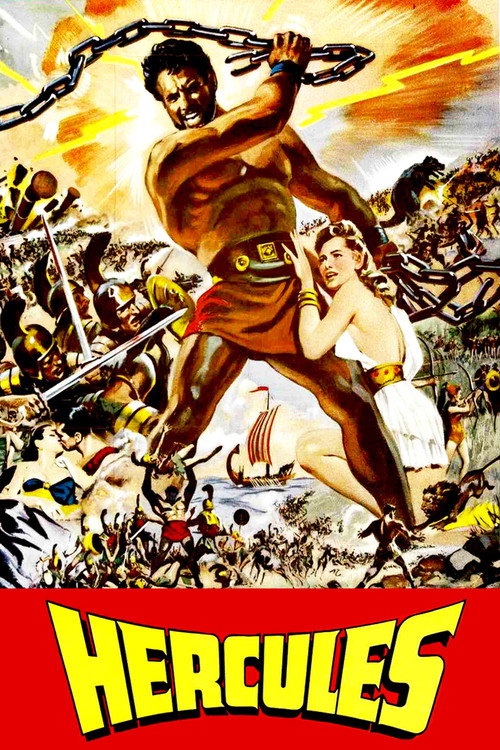
Hercules1958
Reeves again, in the same muscular idiom, bringing invulnerability and moral certainty to ancient legend. It's the DNA of every muscle-bound hero film since. Pure, unironic spectacle made with absolute confidence.
But The plot exists to hang action sequences on. Dialogue is functional, the pacing meanders, and modern sensibilities about gender and conflict won't find much comfort here.
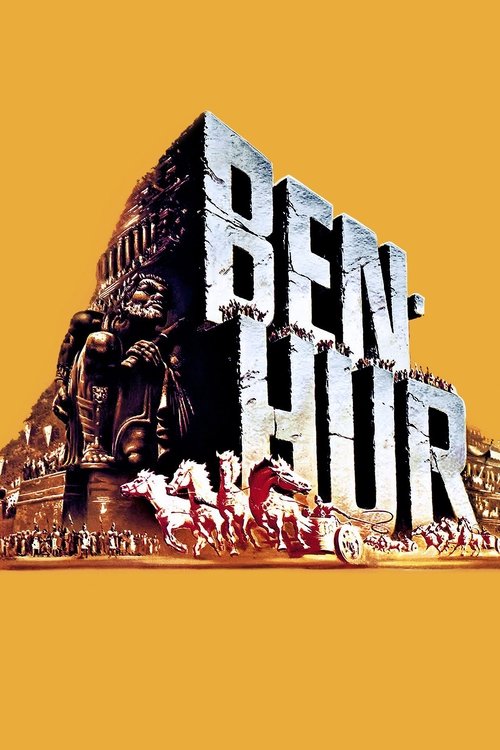
Ben-Hur1959
Epic scope, genuine stakes, and a focus on survival and redemption across displacement. Charlton Heston brings weight to a hero remade by circumstance. The chariot sequence alone justifies the three-hour runtime.
But Monumentally long and occasionally ponderous. The religious framework sits heavily, and some dialogue creaks under the weight of its own dignity.
Not sure tonight? Get a pick in a minute, starting from The Trojan Horse
The wildcard
Something you would not have found on your own.
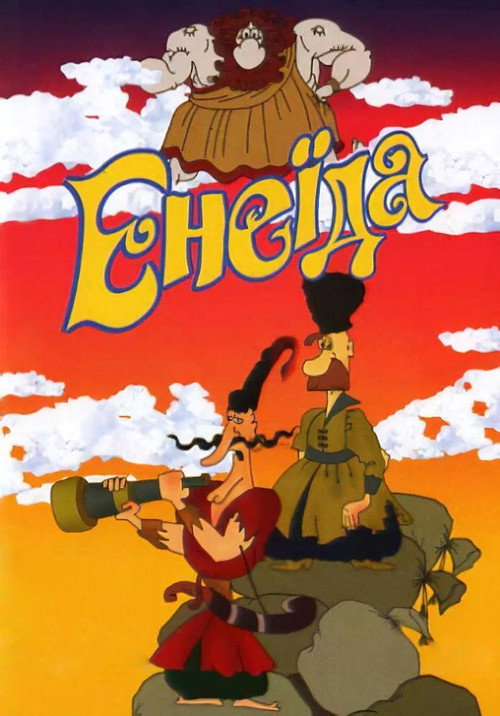
Eneida1991
Both trace the founding of Rome through Aeneas, but Pasolini strips away the adventure-serial framework to explore what the journey actually costs, spiritually and morally. One is mythology as entertainment; the other is mythology as philosophy.
Pier Paolo Pasolini's filmed version of Virgil's poem—a completely different animal than sword-and-sandal spectacle. It finds mythology as intimate, savage, and spiritual rather than as action-adventure. Pasolini treats ancient Rome as a state of consciousness.
But Avant-garde, cryptic, and deliberately anti-narrative. If you want plot, character arcs, and clear heroism, this will feel like punishment rather than cinema. Expect fragmentation and ambiguity.
More like this (8)
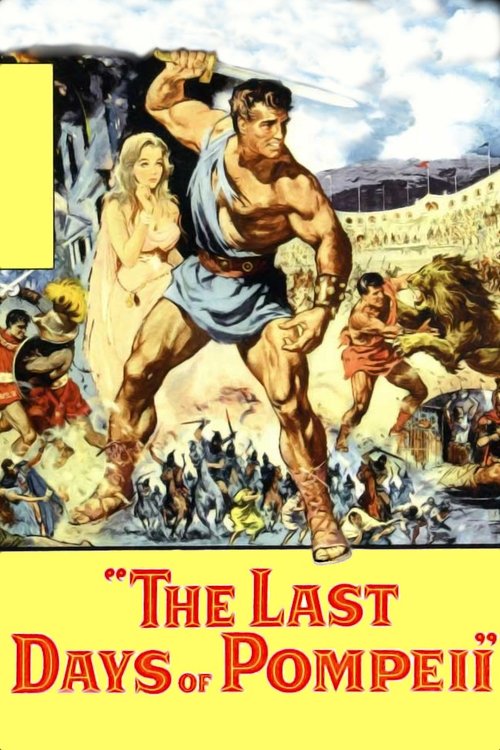
The Last Days of Pompeii1959
Another Italian sword-and-sandal effort from the same era, with similar earnestness about translating classical catastrophe to the screen. It captures the same blend of spectacle and sincerity that makes '60s epics so compelling.
But Narrative coherence takes a backseat to set pieces. The dubbing can be distracting, and the dramatic arcs feel secondary to the production's visual ambitions.
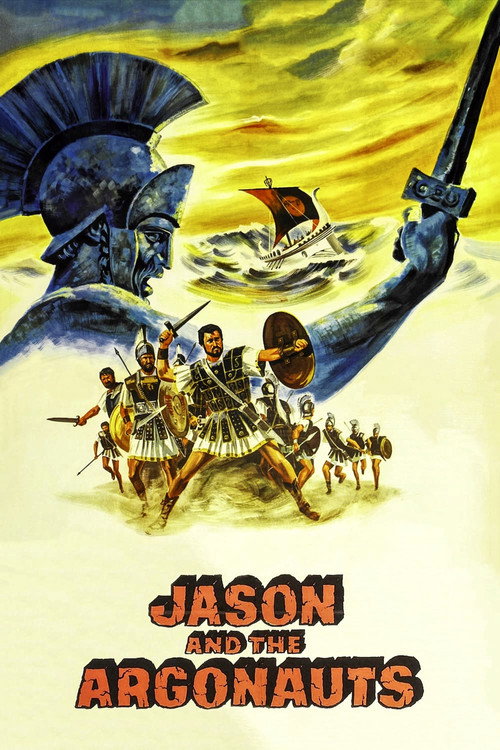
Jason and the Argonauts1963
Stop-motion fantasy from Ray Harryhausen, bringing Greek mythology to vivid life with imaginative creature work. It treats the fantastical elements as genuinely wondrous rather than camp, even as it entertains.
But Harryhausen's animation, while groundbreaking, feels dated now. Plot is episodic, and the skeleton duel aside, the pacing can feel slack between showpieces.
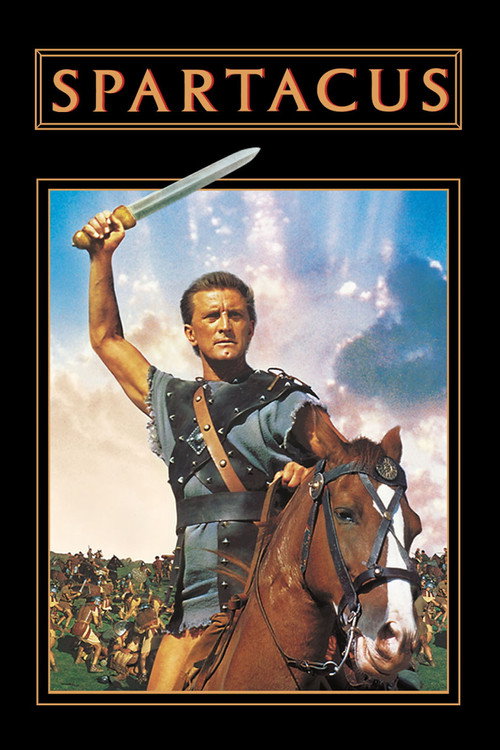
Spartacus1960
Kubrick's Roman epic, operatic and politically charged, with a hero fighting for freedom rather than destiny. Kirk Douglas brings complexity to rebellion. It's the thinking person's sword-and-sandal film.
But Nearly four hours of heavily symbolic drama. The sexual politics read as progressive for 1960 but dated now, and the ending is deliberately downbeat.
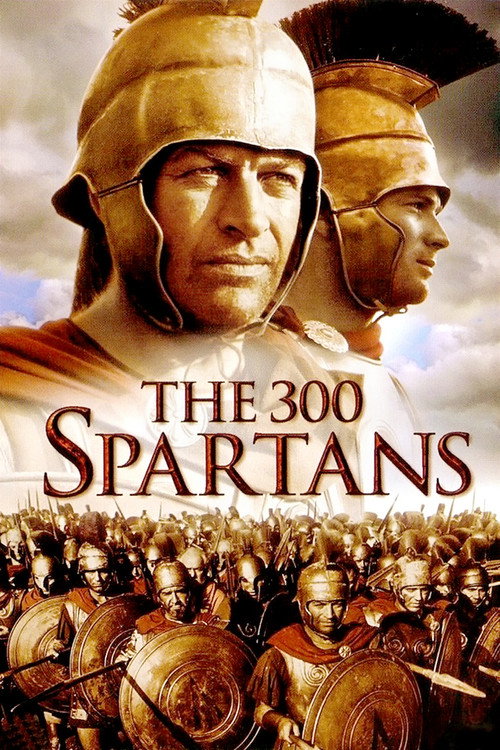
The 300 Spartans1962
Greek heroes against impossible odds, told with kinetic energy and real attention to ancient warfare. The siege mentality and moral clarity give it urgency that many epics lack. It moves faster than you'd expect.
But The historical liberties are egregious. The Persians are painted as an undifferentiated enemy horde, and the film's politics can feel uncomfortably martial when viewed with modern eyes.
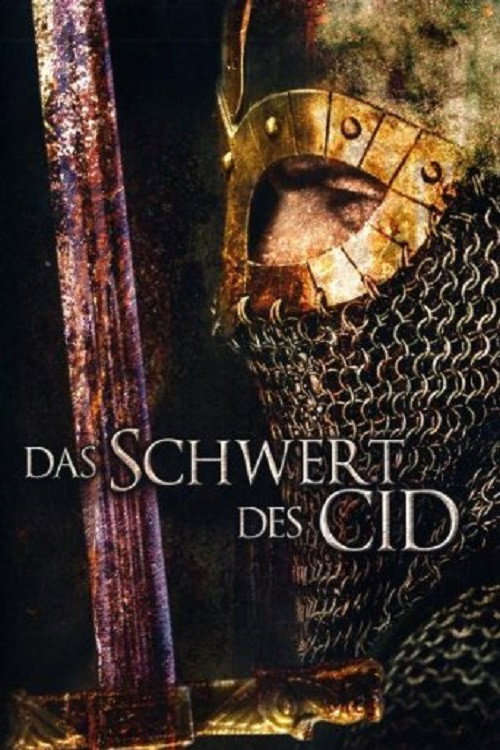
The Sword of El Cid1962
Charlton Heston again, this time as a Spanish medieval hero. If you're drawn to Reeves's earnest physicality and sweeping historical narratives, this offers similar satisfactions with a different mythological framework.
But Even more plot-thin than most historical epics. It exists to stage battles and noble speeches, with characterization reduced to basic heroism and honor.
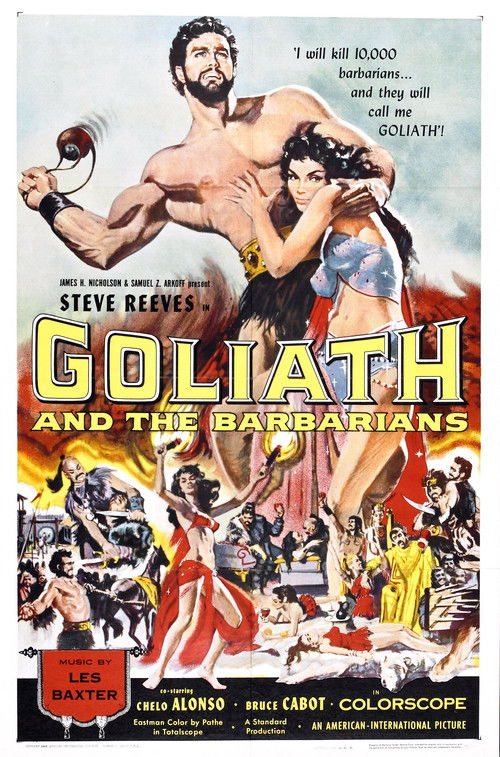
Goliath and the Barbarians1959
A minor entry in the sword-and-sandal canon, but it has a genuine B-movie charm and commitment to its own absurdity that's oddly refreshing. Sometimes the earnestness of these films is their greatest strength.
But Not even the admirers of this genre would call it well-made. The script is thin, the dubbing is rough, and even at ninety minutes it feels padded.
The Leopard1963
Both are Italian productions concerned with Italian national destiny and greatness, but Visconti uses history to explore decline and adaptation rather than triumph. Where *The Trojan Horse* celebrates foundation, *The Leopard* mourns transformation.
Luchino Visconti's masterpiece about Italian nobility in historical upheaval. Visually sumptuous, emotionally devastating, and profoundly meditative on power, legacy, and the passage of time. It redefines what Italian cinema could do.
But Deliberately paced, three hours long, and primarily concerned with interior emotional states rather than external action. If you need momentum and plot progression, this will feel glacial.

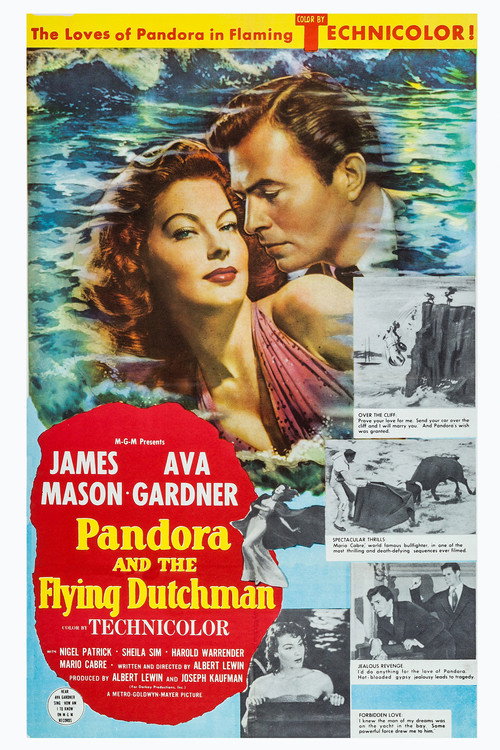
Pandora and the Flying Dutchman1951
Both use classical mythology as a framework for exploring human compulsion and fate. But where *The Trojan Horse* believes in destiny as heroic narrative, *Pandora* sees it as a trap—beautiful, inescapable, and tragically inevitable.
Albert Lewin's baroque fantasy-mystery where mythology and desire collide in a dreamlike Mediterranean setting. It's gorgeous, strange, erotic, and genuinely unconcerned with historical accuracy. Cinema as visual poem rather than narrative.
But Bewilderingly plotted, occasionally incoherent, and deeply strange about gender. Ava Gardner's character exists partly as an object of male obsession. The pacing is hypnotic and digressive—not everyone will surrender to it.
People
Cast
 Steve ReevesAeneas
 Juliette MaynielCreusa
 John Drew BarrymoreUlysses
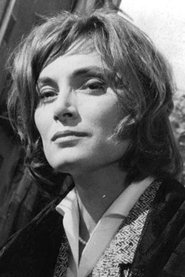 Lidia AlfonsiCassandra
 Edy VesselHelen
 Warner BentivegnaParis
 Luciana AngiolilloAndromache
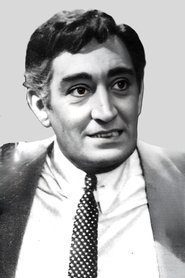 Arturo DominiciAchilles
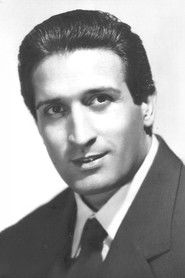 Mimmo PalmaraAjax
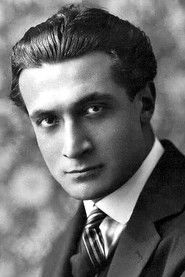 Nerio BernardiAgamemnon
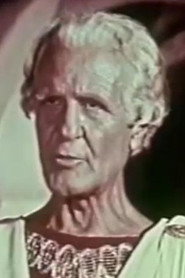 Nando TamberlaniMenelaus
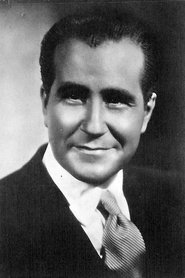 Carlo TamberlaniRe Priamo
Directing
- Giorgio FerroniDirector
- Piero BraccialiniFirst Assistant Director
Writing
- Federico ZardiScreenplay
- Giorgio FerroniScreenplay
- Giorgio SteganiScreenplay
- Ugo LiberatoreScreenplay
- Giorgio SteganiStory
- Ugo LiberatoreStory
Production
- Giampaolo BigazziProduction Manager
- Arrigo PeriProduction Secretary
- Cecilia BigazziUnit Manager
Recommended by
Helen of Troy, Romulus and Remus, Goliath and the Barbarians