
Film
Hercules
Other titles called Hercules: the 1997 film, the 2014 film.
A 1958 Italian sword-and-sandal spectacular where Steve Reeves—all magnificent muscle and earnest charm—teams up with Jason for the Argonauts' voyage while romancing a king's daughter. It's campy, breathlessly sincere, and made with genuine craft. Pure popcorn mythology, unashamed in its pleasures.
Should you watch it?
Watch it if you love old-fashioned sword-and-sandal spectacle played straight, with a muscle-bound hero, cheerfully creaky special effects and a plot that wanders from one myth to the next like a happy tourist.
Skip it if you need a tight, modern script or a hero with inner doubts; this one is broad, earnest and episodic, and its charm depends on accepting big grins and simple heroics without irony.
What it asks of you: It runs about an hour and a half and moves in brisk, self-contained chunks, so you can follow it without much attention, though its clunky pacing lets the mood sag between set pieces.
Not sure? Find tonight's pick in a minute.
If you liked this
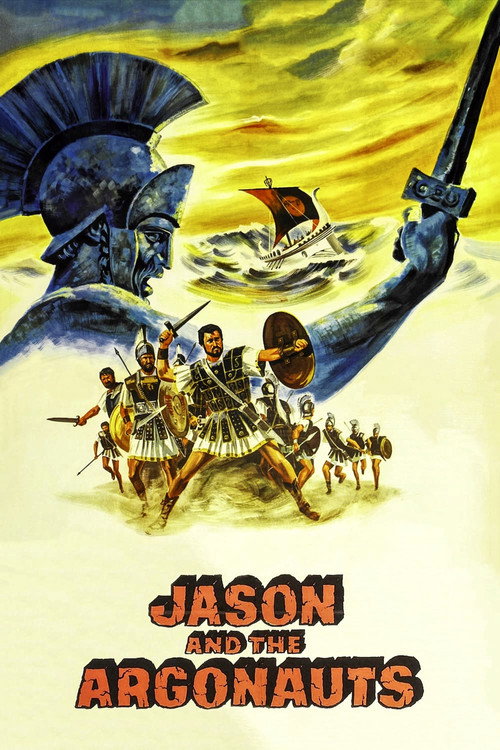
Jason and the Argonauts1963
Ray Harryhausen's stop-motion mythological creatures are endlessly inventive, and the sword-fighting skeletons remain genuinely thrilling. A masterclass in how to make wonders on a budget, with real dramatic weight beneath the spectacle.
But The pacing drags in places, and dialogue can feel perfunctory. Some of the sepia-toned photography hasn't aged as gracefully as the effects.
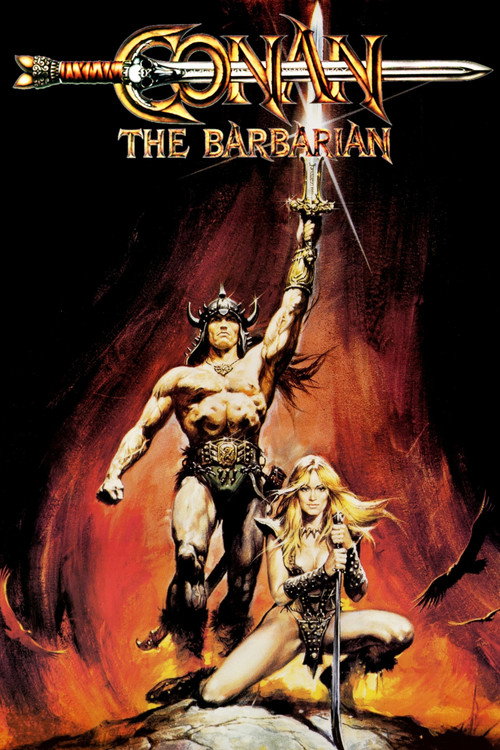
Conan the Barbarian1982
Arnold Schwarzenegger embodies the same muscle-bound heroism Reeves brought to Hercules, but Milius makes it genuinely mythic and genuinely brutal. A thinking person's sword-and-sorcery film, scored by John Williams.
But The violence is substantive and unsparing—not cartoonish fun. Some find the pace meditative rather than thrilling; it's not action-packed throughout.
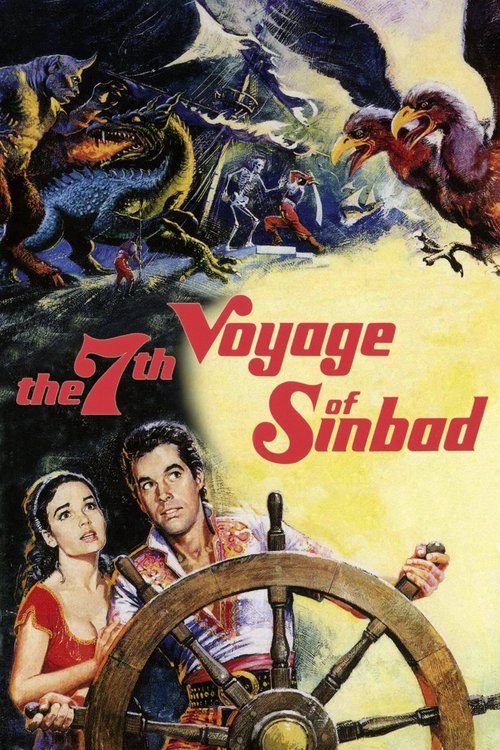
The 7th Voyage of Sinbad1958
Released the same year as this Hercules, it's Harryhausen at peak ingenuity—a cyclops, a dragon, a sword-fighting skeleton. Lavish, pulpy, and endlessly inventive. The pure joy of adventure cinema.
But Plot is thin as gossamer and dialogue exists mainly to string together set pieces. It's unabashedly a vehicle for effects rather than character or drama.
Not sure tonight? Get a pick in a minute, starting from Hercules
The wildcard
Something you would not have found on your own.
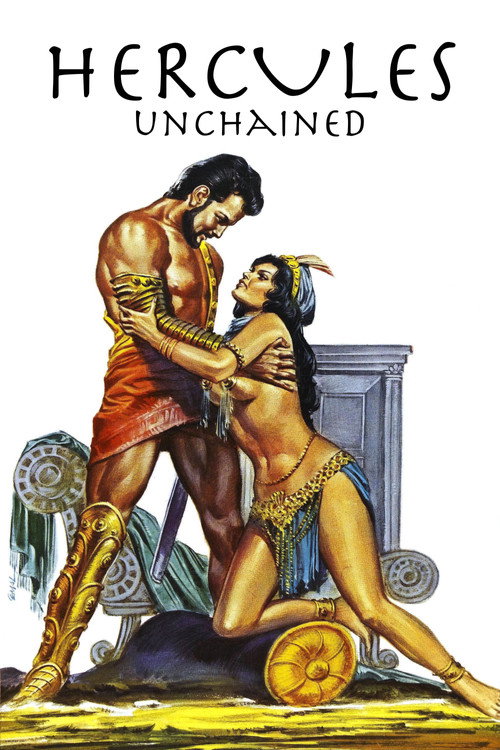
Hercules Unchained1959
This is the direct continuation of the same story, with the same cast, same ethos—what happens when you loved the first one enough to fund a sequel immediately.
The actual sequel, made immediately after, with Reeves and Koscina reprising their roles—even more baroque, with Hercules literally fighting a sea monster and battling over love and duty. It doubles down on the camp and sincerity that makes the original sing.
But It's longer, slower, and even more narratively scattered. Italian sword-and-sandal films assume patience you may not have after the first one.
More like this (8)
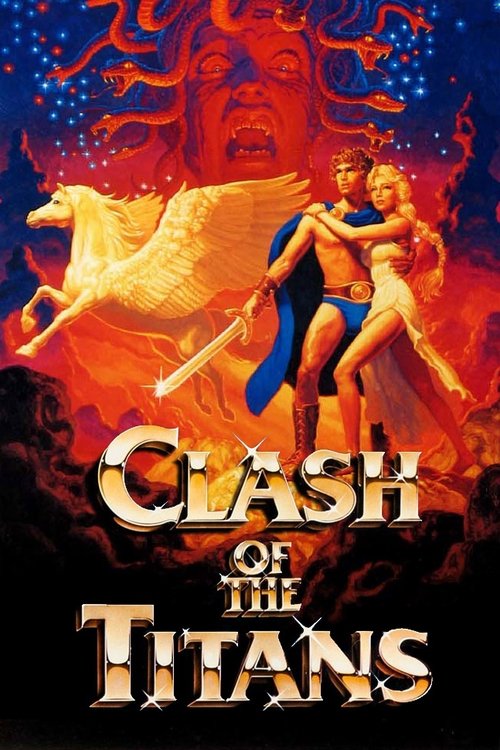
Clash of the Titans1981
Harryhausen's final major film, with Laurence Olivier and a menagerie of mythological creatures. The Medusa sequence alone justifies the watch; it's grand, earnest, and genuinely imaginative.
But Hammy acting, thin plotting, and some of the effects are visibly dated. The pacing can feel ponderous to modern viewers.
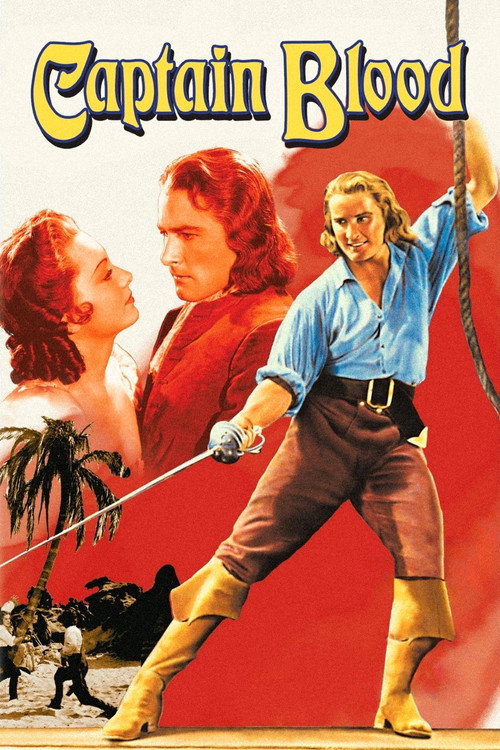
Captain Blood1935
Errol Flynn's swashbuckling adventure is the DNA for everything that follows—including sword-and-sandal films. Beautifully shot, genuinely witty, with real stakes beneath the derring-do.
But It's a 1930s film, so pacing and some attitudes feel period-specific. If you find older films creaky, this won't change your mind.
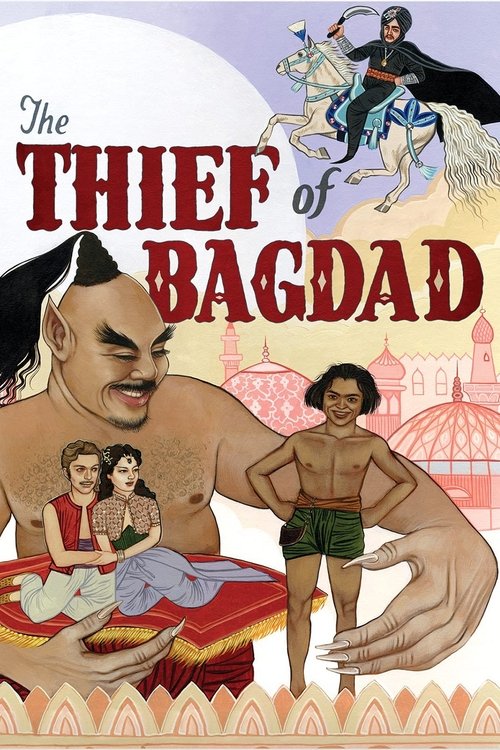
The Thief of Bagdad1940
British Technicolor fantasy with genuinely inventive practical effects—flying carpets, genies, and real magic-show ingenuity. A joy to watch for the sheer imagination on display.
But Dated depictions of non-Western cultures sit uncomfortably. The romantic plot is paper-thin by design.
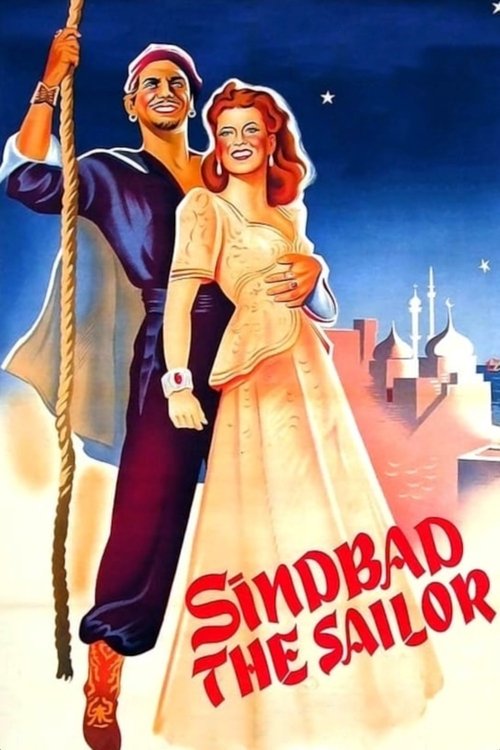
Sinbad the Sailor1947
Douglas Fairbanks Jr. in Technicolor adventure with practical effects and genuine spectacle. It captures the same spirit of mythic adventure, just with pirates instead of gods.
But The film is frothy and slight—pure entertainment with minimal substance. Some of the effects are crude by any era's standards.
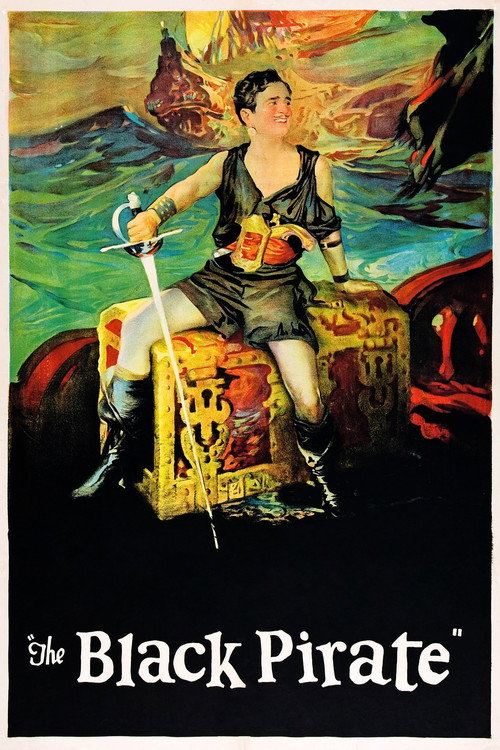
The Black Pirate1926
Douglas Fairbanks Sr. in an early Technicolor swashbuckler with genuine stunt work and physical comedy. The progenitor of the adventure-hero template that Reeves would later inherit.
But As a silent film, it requires patience with intertitles and period acting style. Some of the gags don't land for modern audiences.
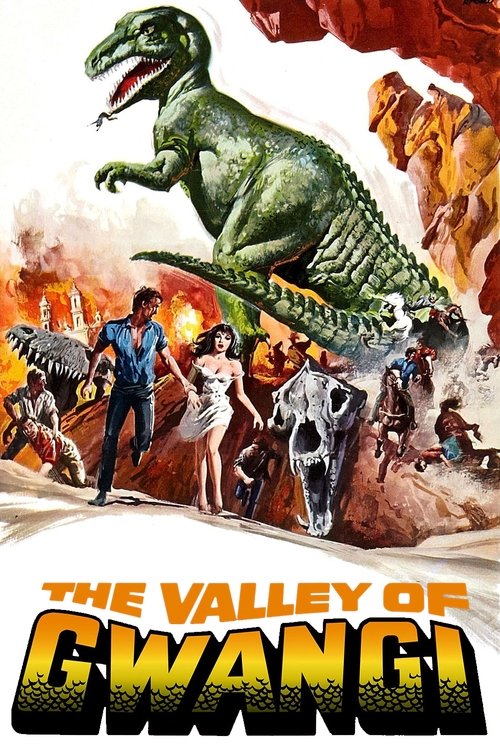
The Valley of Gwangi1969
Harryhausen's dinosaur Western is gloriously weird—cowboys fighting a prehistoric beastie. Utterly earnest, magnificently silly, and endlessly charming in its audacity.
But The plot is threadbare and some performances are wooden. The dinosaur effects, while impressive for 1969, are clearly stop-motion to modern eyes.
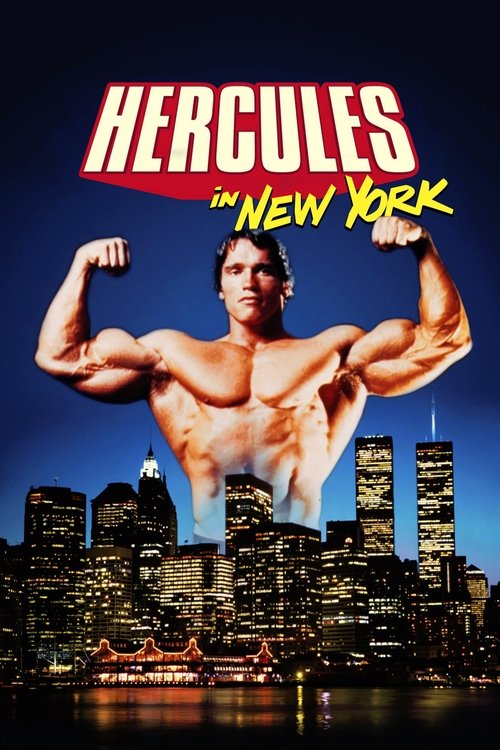
Hercules in New York1970
The muscle-bound demigod fish-out-of-water premise pushed into such different registers—the mythic taken to the mundane—that it becomes a funhouse-mirror inversion of what makes the 1958 film work.
Arnold Schwarzenegger's debut: Hercules arrives in modern Manhattan, dubbed over in post, wearing an absurd blonde wig, battling a bear in Central Park. It's bad in precisely the way that becomes transcendent—sincere, baffled, gorgeous-looking.
But The dubbing is atrocious and intentionally so. It's aggressively low-budget and the plot makes no sense. You have to be in the mood for something that's unintentionally hilarious.
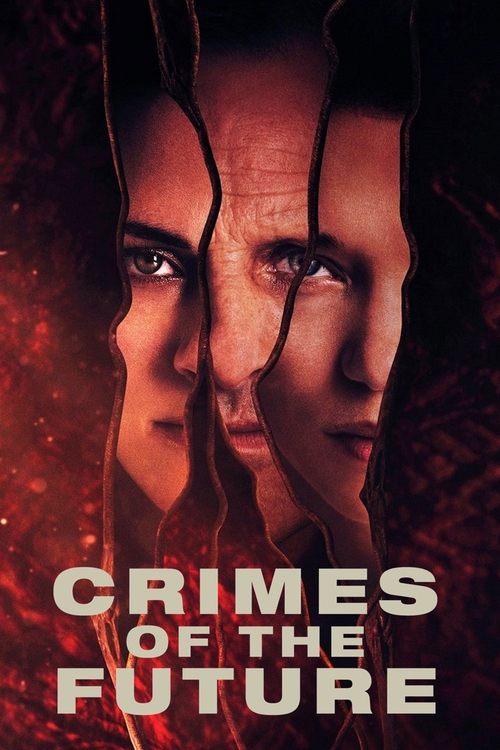
Crimes of the Future2022
Both are films unafraid to be ridiculous in service of actual mythmaking—sincere about absurdity, treating impossible bodies as sites of genuine pathos rather than carnival spectacle. One is joyful, one is anguished, but both genuinely believe what they're showing you.
Cronenberg's operatic sci-fi body-horror film starring Viggo Mortensen as a man whose flesh evolves involuntarily. It's the anti-1958-Hercules: inward, agonized, grotesque where Reeves was radiant. Both are sincere myths about transformation.
But It's slow, deliberately repulsive, and philosophically oblique. If you cannot sit with discomfort and ambiguity, it will feel like watching someone else's fever dream.
People
Cast
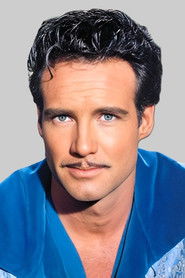 Steve ReevesErcole (Hercules)
 Sylva KoscinaIole, Daugher of Pelias
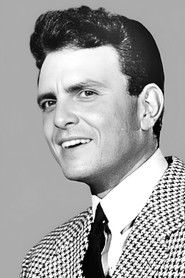 Fabrizio MioniJason
 Gianna Maria CanaleAntea, Queen of the Amazons
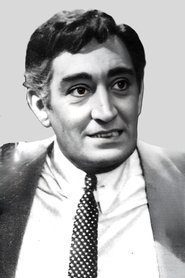 Arturo DominiciEurysteus
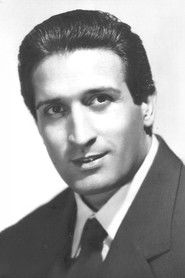 Mimmo PalmaraIphitus, Son of Pelias
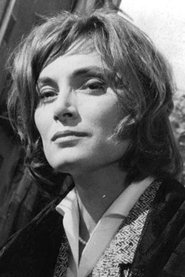 Lidia AlfonsiThe Sybil
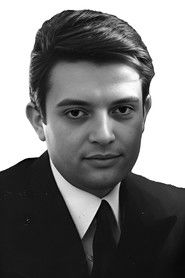 Gabriele AntoniniUlysses
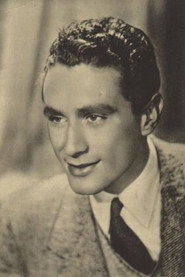 Aldo FiorelliArgos
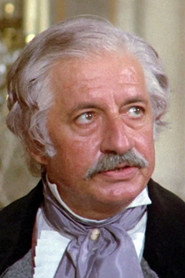 Andrea FantasiaLaertes
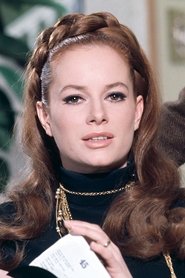 Luciana PaluzziIole's Maid
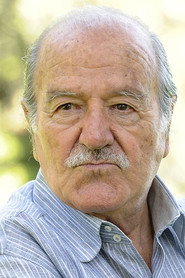 Ivo GarraniPelias, King of Iolcus
Directing
- Pietro FrancisciDirector
- Ettore MattiaFirst Assistant Director
- Gigliola RosminoScript Supervisor
- Pietro NuccoriniSecond Assistant Director
Writing
- Pietro FrancisciAdaptation
- Apollonios RhodiosNovel
- Ennio De ConciniScreenplay
- Gaio FratiniScreenplay
- Pietro FrancisciScreenplay
Production
- Federico TetiProducer
- Massimo De RitaProduction Assistant
- Ferruccio De MartinoProduction Manager
- Spartaco ConversiProduction Secretary
- Mario PisaniUnit Manager
Recommended by
Romulus and Remus, The Last Days of Pompeii, The Trojan Horse, Goliath and the Barbarians, Sign of the Gladiator