
Film
The Valley of Gwangi
A ramshackle Wild West show in 1900s Mexico discovers a prehistoric valley and captures a dinosaur to put on display. What sounds bonkers absolutely is: stop-motion dinosaurs in dusty towns, genuine wonderment mixed with B-movie plotting, and the palpable joy of a film that knows exactly what it is and leans into it hard.
Should you watch it?
Watch it if you love old-fashioned creature features where a cowboy yarn and a monster movie share a campfire, and you don't mind stop-motion effects that look handmade.
Skip it if you need modern effects or a tight, brisk plot, since the creature work looks its age and the first act is slow to reach the monsters.
What it asks of you: Patience for a long, ambling first act of frontier business before the monsters take over; the tone stays light and unhurried, closer to a Saturday matinee than a grim thriller.
Not sure? Find tonight's pick in a minute.
If you liked this
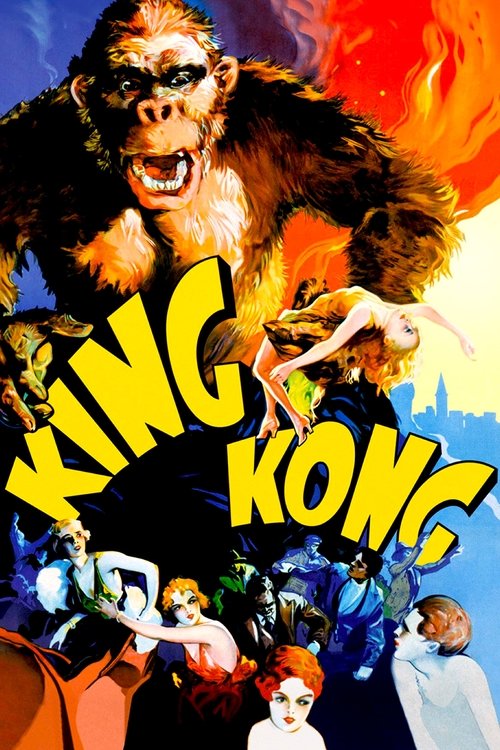
King Kong1933
The spiritual ancestor: giant creature captured for exhibition, brought to civilization, catastrophe ensues. But Kong has operatic tragedy; Gwangi has charm and ingenuity with a fraction of the budget.
But Nearly 100 years old and the pacing drags in stretches. If you need narrative momentum above all else, this will test your patience.
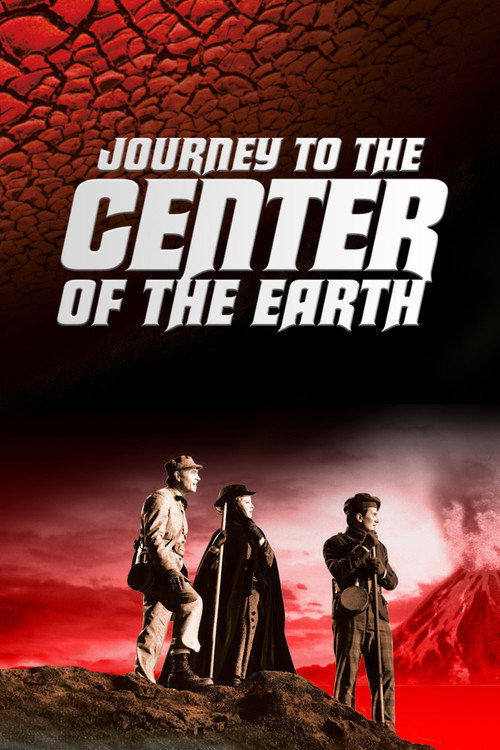
Journey to the Center of the Earth1959
Same era, same spirit—expedition into impossible terrain, rubber dinosaurs that somehow work, adventure that's earnest rather than ironic. The sixties loved their pulp.
But The romance subplot feels obligatory. If you're watching purely for the prehistoric creatures, the human drama will feel like filler.
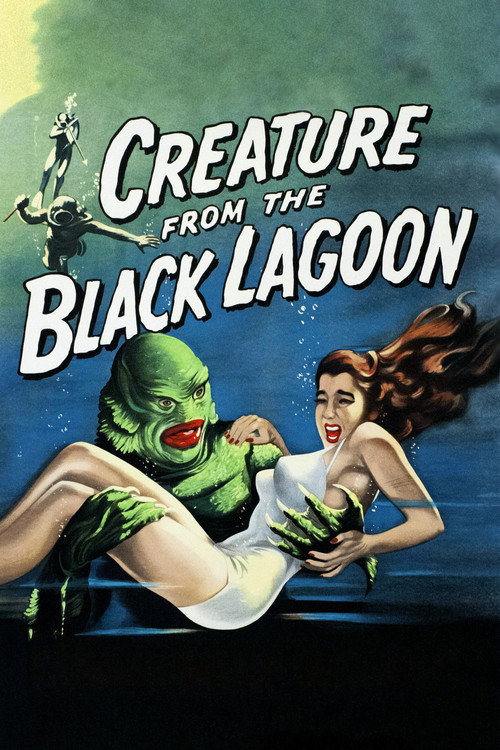
Creature from the Black Lagoon1954
Universal's masterclass in making a rubber suit menacing. Atmospheric, genuinely tense in places, and the creature design is iconic. A reminder that practical effects have real weight.
But It's slow. Modern editing has spoiled us; this takes its time between scares, and not everyone has patience for that anymore.
Not sure tonight? Get a pick in a minute, starting from The Valley of Gwangi
The wildcard
Something you would not have found on your own.
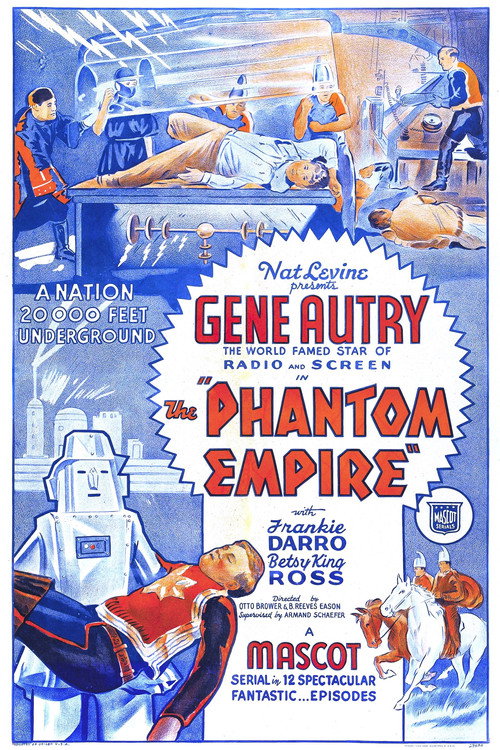
The Phantom Empire1935
Both films blend Western frontier mythology with prehistoric/impossible discovery in the same landscape. Gwangi is what you get when The Phantom Empire has a bigger budget and takes itself half-seriously.
Gene Autry—the singing cowboy—discovers an underground lost world beneath the American West and fights robots and dinosaurs. It's Western, sci-fi, and musical all at once. A direct ancestor to Gwangi's hybrid DNA, and fascinatingly pulpy.
But It's a serial reformatted into a feature, so it's repetitive and threadbare even by 1935 standards. The production values are bargain-basement, and Autry's singing comes at odd moments.
More like this (6)
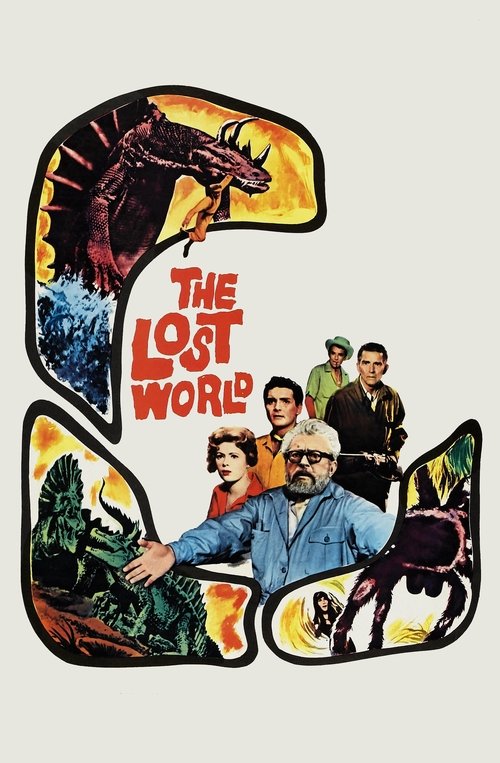
The Lost World1960
Conan Doyle's lost-world fiction made flesh (or rubber). A different expedition, different dangers, same primordial spirit. Michael Rennie carries it with quiet competence.
But The stop-motion work varies wildly in quality. Some scenes dazzle; others feel like someone's university project. Inconsistency can jar you out of immersion.
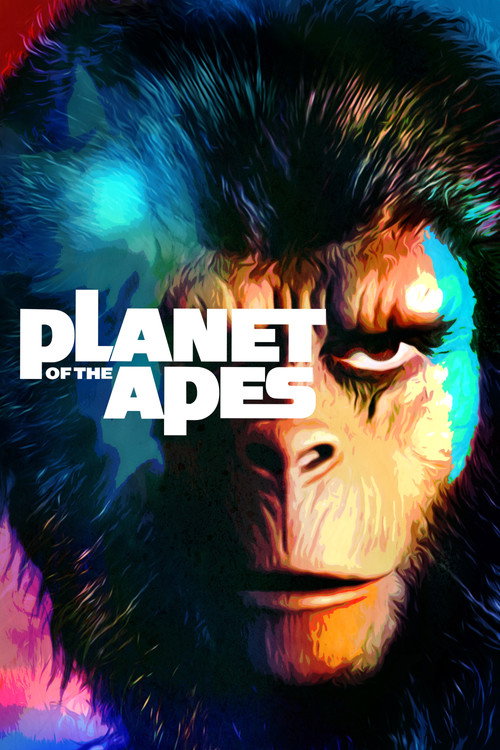
Planet of the Apes1968
Released the year before Gwangi, this shows what speculative sci-fi could achieve with ambition and makeup artistry. Sharp social commentary wrapped in adventure—it rewards attention.
But The action sequences feel stationary compared to modern blockbusters. And the ending twist, famous as it is, loses impact if you already know it coming in.
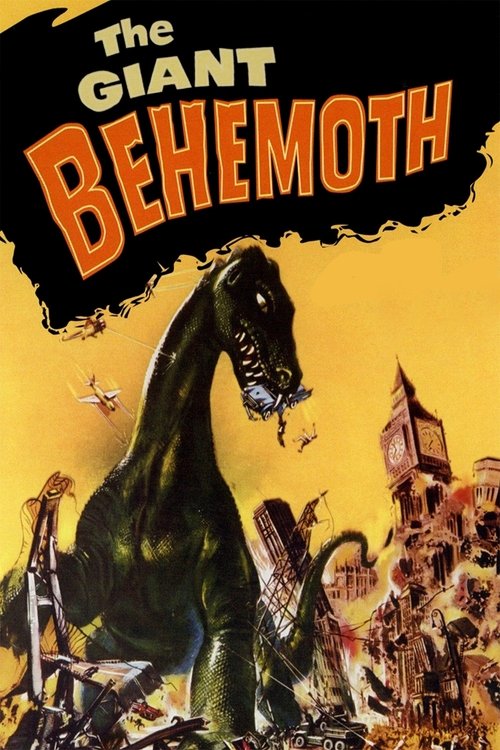
The Giant Behemoth1959
Creature on the loose in urban settings; a short, efficient creature feature that understands its job is to entertain, not overthink. Practical and satisfying.
But It's slight. 79 minutes, and even that feels padded. There's a reason this isn't as remembered as it deserves to be: minimal character depth.
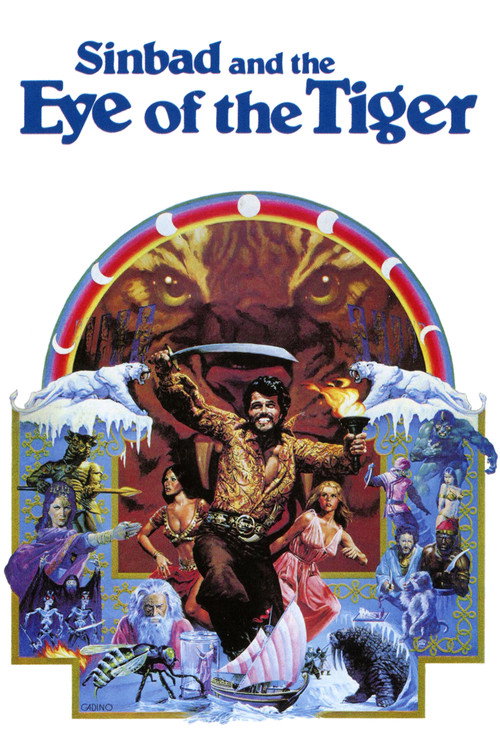
Sinbad and the Eye of the Tiger1977
Later Harryhausen, so the effects are sharper, but it carries the same pulp-adventure spirit. Monsters, magic, sword-swinging—the formula works because it's honestly executed.
But By the seventies, audiences expected more narrative sophistication. This is pure spectacle, which some find hollow without deeper story.
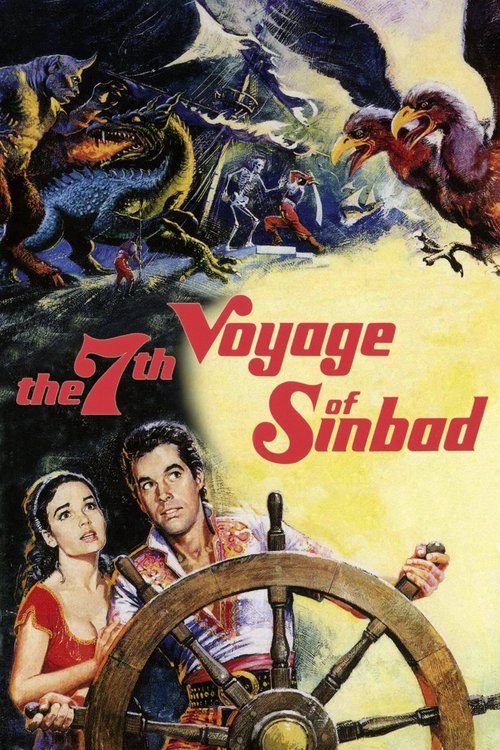
The 7th Voyage of Sinbad1958
Cyclops, rocs, dragon sword-fights—Harryhausen's first color film is a masterpiece of creature-feature craft. Efficient storytelling, gorgeous set design, pure fantasy adventure.
But The romance is saccharine, the damsel needs constant rescuing, and the pacing assumes you're watching on a Saturday matinee in 1958.
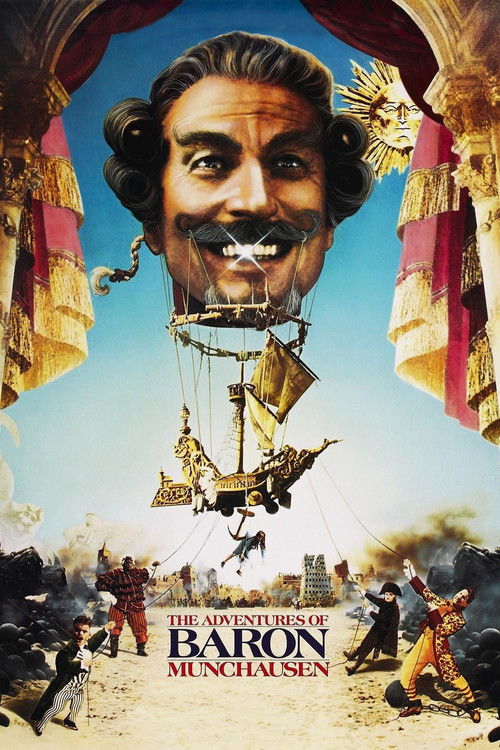
The Adventures of Baron Munchausen1988
Both films prioritize the visual experience and the *feeling* of adventure over script discipline. A ramshackle Western adventure and a ramshackle fantasy epic, united by their refusal to be slick or safe.
Terry Gilliam's fever dream about a man telling impossible adventure stories. It has Gwangi's commitment to practical, handmade spectacle over logic—pirates, storms, monsters, collapsing cities—all built from sets and puppets and sheer ambition.
But It's visually chaotic, narratively slack, and deeply weird. Gilliam's maximalism overwhelms clarity. If you need coherent plotting, this will frustrate you constantly.
People
Cast
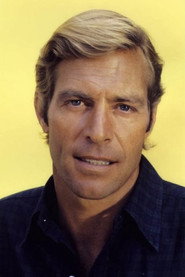 James FranciscusTuck Kirby
 Gila GolanT.J. Breckenridge
 Richard CarlsonChamp Connors
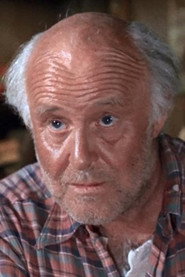 Laurence NaismithProfessor Bromley
 Freda JacksonTia Zorina - the Witch
 Gustavo RojoCarlos dos Orsos
- Dennis KilbaneRowdy
- Mario De BarrosBean
 Curtis ArdenLope
- Jose BurgosThe Dwarf (uncredited)
 Robert RiettiCarlos (voice / uncredited)
Directing
- Carlos GilAssistant Director
- Pedro VidalAssistant Director
- Jim O'ConnollyDirector
- Ricardo HuertasSecond Unit First Assistant Director
Writing
- William BastScreenplay
Production
- Ray HarryhausenAssociate Producer
- Charles H. SchneerProducer
- Miguel GilProduction Manager
- Luis RobertsProduction Supervisor
Recommended by
Mysterious Island, One Million Years B.C., At the Earth's Core, When Dinosaurs Ruled the Earth, The Land Unknown, The Last Dinosaur, The Lost World, Hercules, The Vengeance of She