
Film
The Phantom Empire
A 1935 serial that crashes a singing cowboy, an underground technologically advanced civilization, and a radio broadcast schedule into pure imaginative chaos. Gene Autry plays himself, juggling guitar numbers with sci-fi intrigue in a film that feels like four different movies arguing at once. It's weird and earnest and utterly fearless about its own absurdity—a perfect window into early Hollywood's anything-goes experimental period.
Should you watch it?
Watch it if you relish odd genre collisions, like a singing cowboy stumbling into a sunken civilization with ray guns, and you find creaky 1930s serial charm delightful.
Skip it if you need tight modern pacing or a coherent plot, since this loose, cheerful mess stalls for songs and sprawls across hours of cliffhangers and padding.
What it asks of you: Expect a very long haul, roughly four hours, with slow stretches, sudden jumps in tone, and plenty of patience for dated acting.
Not sure? Find tonight's pick in a minute.
If you liked this
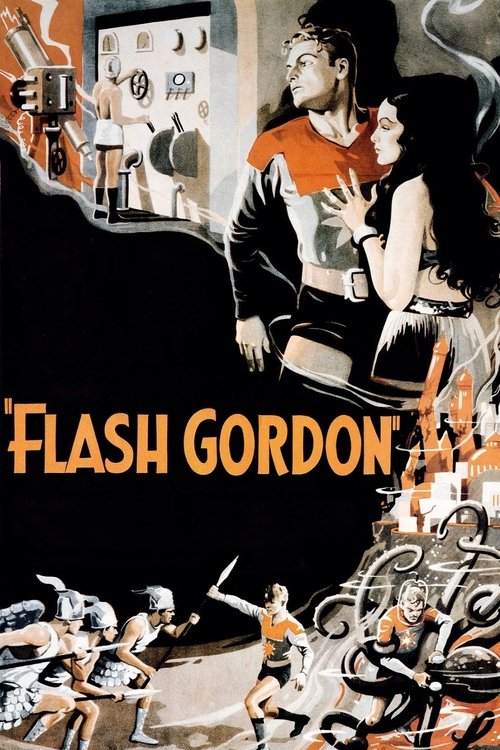
Flash Gordon1936
Serial adventure with the same pulpy energy and unashamed sci-fi invention: ray guns, alien civilizations, cliffhanger pacing. Made just a year later, it proves The Phantom Empire wasn't alone in this kind of audacious genre-blending.
But Buster Crabbe's camp sensibility and the cheap effects will either delight or fatigue you depending on your patience for 1930s serial acting.
King Kong1933
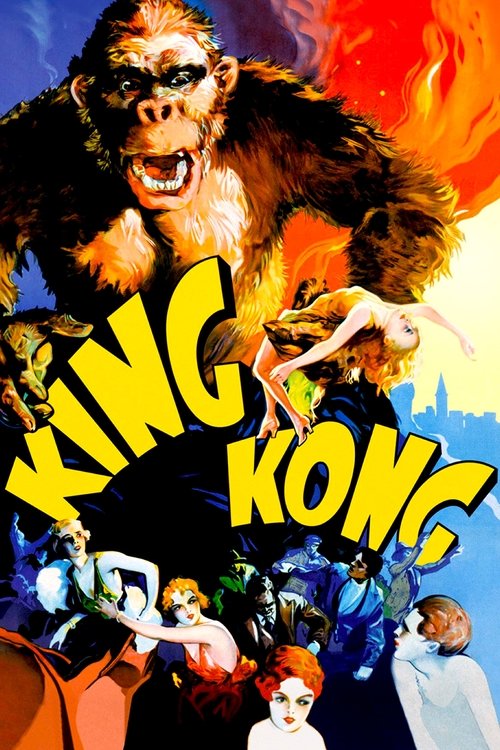
Another pre-Code Hollywood spectacular that casually mixes adventure, romance, giant monsters, and spectacle without worrying if the tones match. Same era of filmmaking that prioritized wonder over coherence.
But At over three hours, it requires real commitment, and some of the racial politics around Skull Island are deeply uncomfortable by any standard.
The Adventures of Robin Hood1938
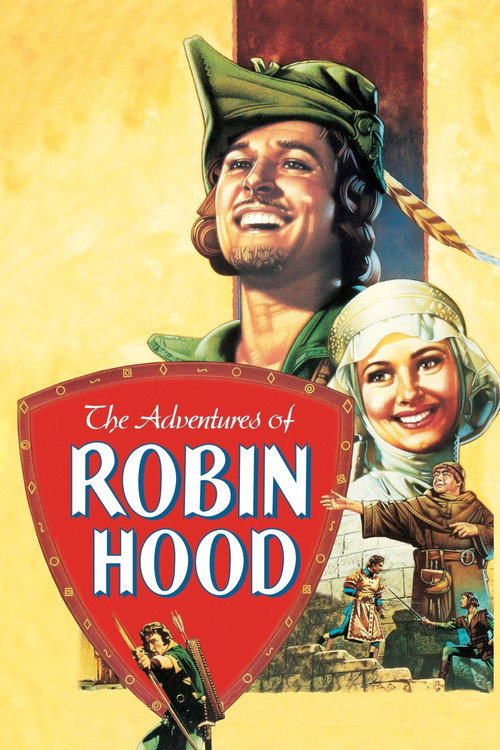
Errol Flynn in Technicolor, treating adventure with joyful energy and genuine romance. Hollywood still operating at peak confidence before the formulas solidified—genre rules exist to be bent.
But The swashbuckling heroics and romance subplot may feel slight compared to modern action, and the theatrical style isn't for everyone.
Not sure tonight? Get a pick in a minute, starting from The Phantom Empire
The wildcard
Something you would not have found on your own.
A Connecticut Yankee in King Arthur's Court1949
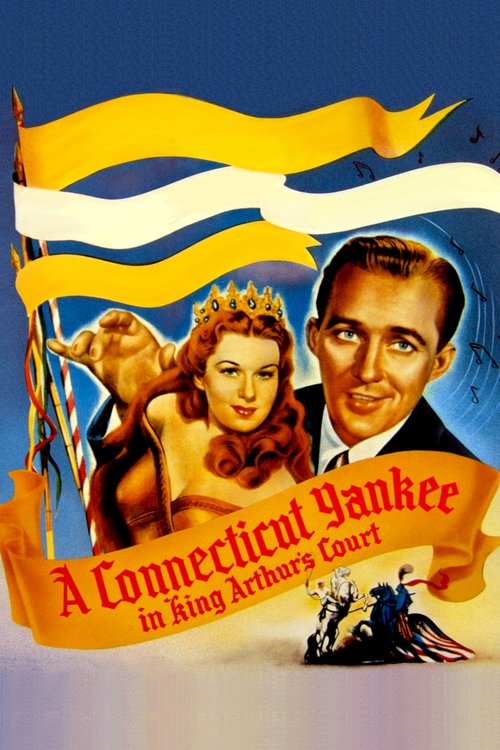
Both films use a displaced hero navigating between incompatible worlds as a framework for comedy, music, and earnest moralizing about surface corruption.
Will Rogers as a man from one era dropped into another, using his wits and contemporary knowledge to navigate culture clash and romance. Same premise—a surface-dweller in an alien world—but a musical comedy instead of sci-fi adventure.
But It's a talking-heavy period piece that prioritizes charm over plot momentum, and the humor depends entirely on whether Rogers' particular vaudeville style lands for you.
More like this (7)
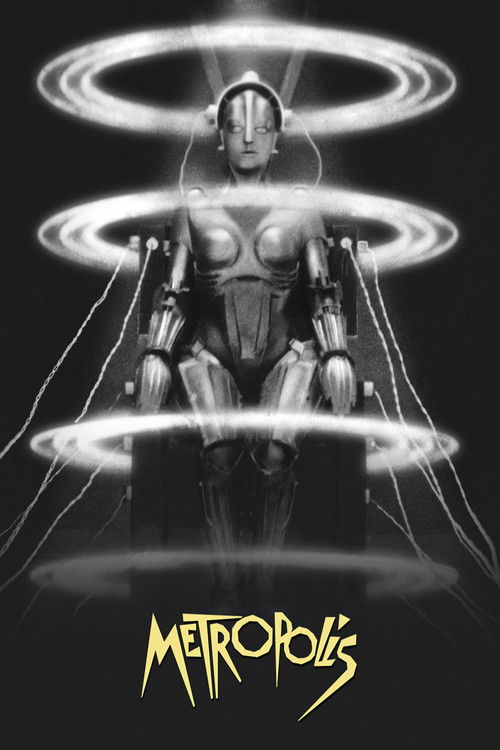
Metropolis1927
A visionary city built underground, class conflict, futuristic technology, and mad ambition. German Expressionism meets science fiction in a film that makes The Phantom Empire's buried civilization feel less lonely.
But Silent film pacing moves slowly by modern standards, and the restored versions vary wildly in length and missing sequences.
Nosferatu1922
A civilization hidden beneath the surface plotting invasion and destruction. Same expressionist-influenced visual language and era of filmmaking that embraced genuine strangeness.
But Silent film conventions and the psychological horror register feel distant, and the pacing will test modern attention.

The Cabinet of Dr. Caligari1920
Distorted sets, hidden identities, and moral corruption—German Expressionism's influence on how to visualize a world gone wrong. Part of the DNA of 1930s genre cinema.
But It's extremely stylized and theatrical in a way that can feel affected; very slow by contemporary standards.

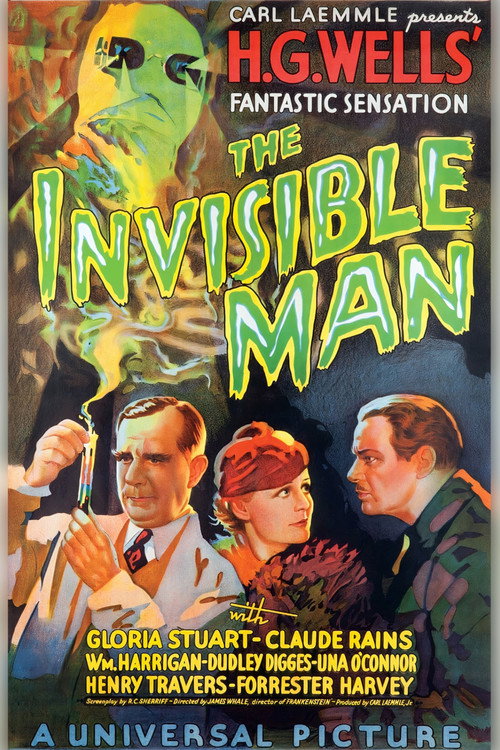
The Invisible Man1933
James Whale's sci-fi spectacle with genuine menace and inventive effects work. Shows what Universal was capable of during the same period, a studio contemporaneous with Autry's experiment.
But The plotting is thin and the sexual politics are murky; it's best enjoyed as atmosphere and technical marvel rather than story.
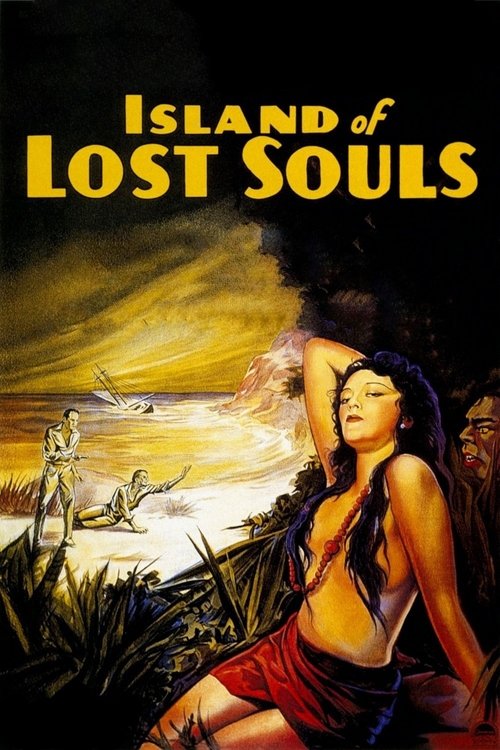
Island of Lost Souls1932
Another 1930s film that puts a hidden civilization on screen—hybrid creatures, moral decay spreading from the surface world, Charles Laughton chewing scenery. Same era of fearless genre hybridization.
But It's genuinely nasty and involves animal-human hybrids in ways that may disturb; the science-fiction rationale for cruelty feels thin.
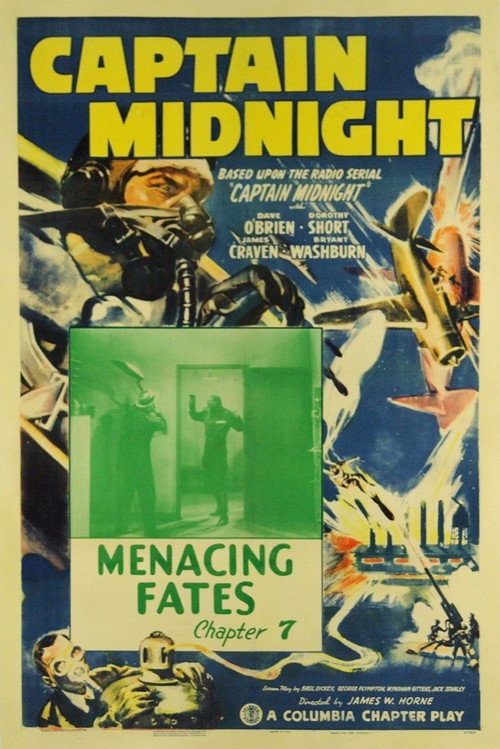
Captain Midnight1942
Both are radio-era serials obsessed with technology as both salvation and threat, with heroes trying to prevent moral decay through intervention.
A 15-episode serial where an aviator battles mad scientists and spies with gadgetry and romance. Same serial DNA, same adventure-radio crossover energy, same willingness to pile genres on top of each other.
But It's unabashedly pulp and moves fast, which means plot points arrive without explanation; patience required for the chapter-by-chapter format.
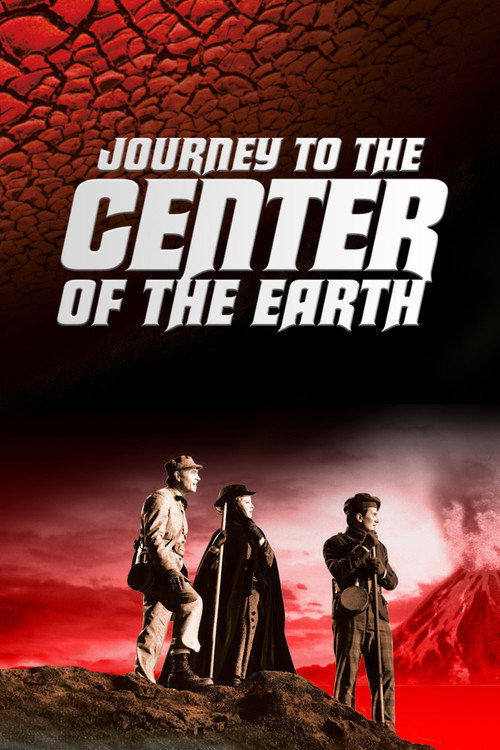
Journey to the Center of the Earth1959
Both imagine thriving civilizations beneath the surface awaiting discovery, but where Phantom Empire treats it as pulp chaos, this treats it as wonder—different philosophies of the same buried-world premise.
James Mason and Pat Boone descend into a world of hidden civilization and geothermal wonder—Jules Verne adapted with genuine spectacle and earnest science-fiction whimsy. Shows what buried-world cinema became after the serials.
But The tone is square and the romance is slack; it plays adventure straight where Phantom Empire embraced its own craziness.
People
Cast
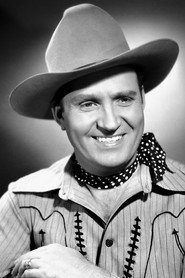 Gene AutryGene Autry
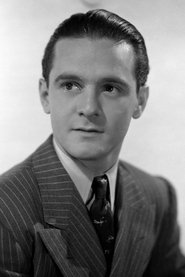 Frankie DarroFrankie Baxter
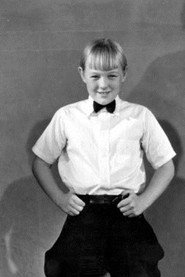 Betsy King RossBetsy Baxter
 Dorothy ChristyQueen Tika
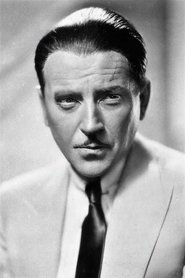 Wheeler OakmanLord Argo
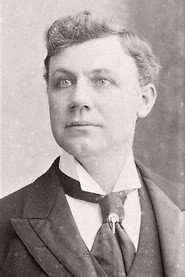
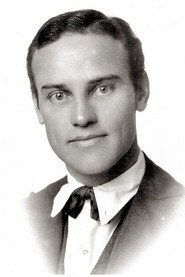
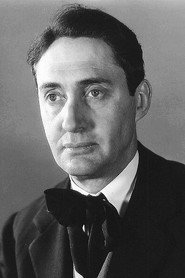 J. Frank GlendonProf. Beetson (as Frank Glendon)
 Smiley BurnetteOscar (as Lester 'Smiley' Burnett)
- Peter PotterPete (as William Moore)
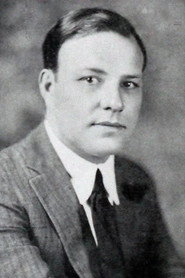 Edward Peil Sr.Cooper (as Edward Piel Sr.)
- Jack CarlyleSaunders
Directing
- Armand SchaeferContinuity
- John RathmellContinuity
- B. Reeves EasonDirector
- Otto BrowerDirector
Writing
- Gerald GeraghtyStory
- Hy FreedmanStory
- Wallace MacDonaldStory
Production
- Nat LevineProducer
Recommended by
The Valley of Gwangi, Big Bad Beetleborgs, The Spider's Web, The Oregon Trail, Riders of Destiny