
Film
The Spider's Web
A 1938 serial following pulp vigilante The Spider as he battles a criminal mastermind plotting to overthrow the US government. Five hours of pure adventure cinema: cliffhangers, impossible escapes, and stylized action that moves like a comic book. For anyone curious about how serial storytelling worked before television, or who loves the DNA of modern superhero films.
If you liked this
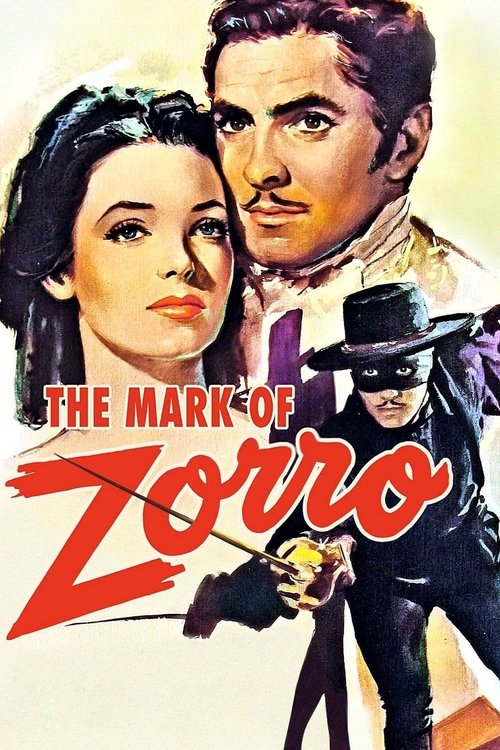
The Mark of Zorro1940
Tyrone Power's definitive masked avenger prototype. Swashbuckling action, clever disguise work, and romance that actually lands. This is the template The Spider's Web follows, executed with Hollywood polish and genuine charm.
But Considerably slower paced than modern action. The sword work is more theatrical than visceral, and the political stakes feel quaint now.
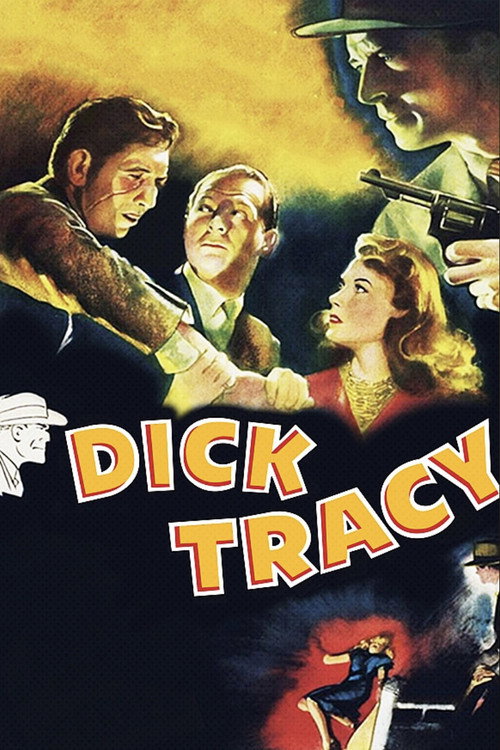
Dick Tracy1945
Warren Beatty's obsessive comic-book adaptation captures the same pulp energy: primary-colour aesthetics, grotesque villains, and action that prioritizes spectacle over realism. Same serialized DNA, full Technicolor intensity.
But Deliberately artificial in a way that alienates viewers wanting grit. The style overwhelms narrative coherence; you're watching design more than story.
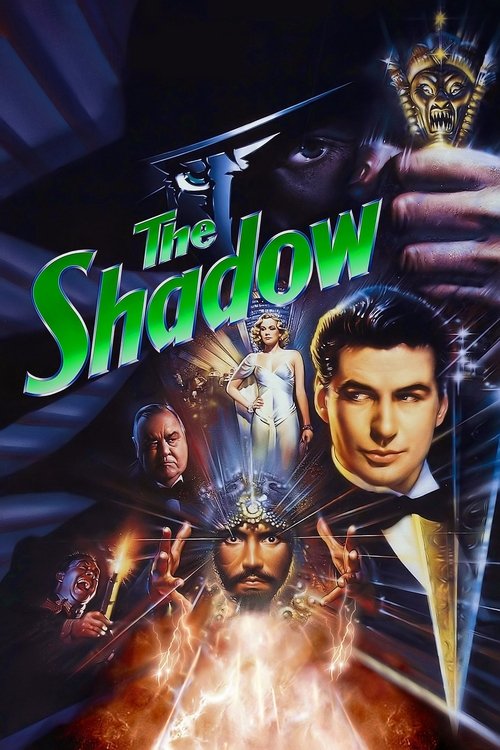
The Shadow1994
Alec Baldwin as another pulp radio hero fighting organized crime in period New York. Embraces the same serialized adventure tone with genuine affection. If you enjoyed The Spider's energy, this captures it for a modern audience.
But Occasionally slides into camp that feels unintentional. The plot mechanics creak noticeably, and the romance subplot stalls momentum.
Not sure tonight? Get a pick in a minute, starting from The Spider's Web
The wildcard
Something you would not have found on your own.
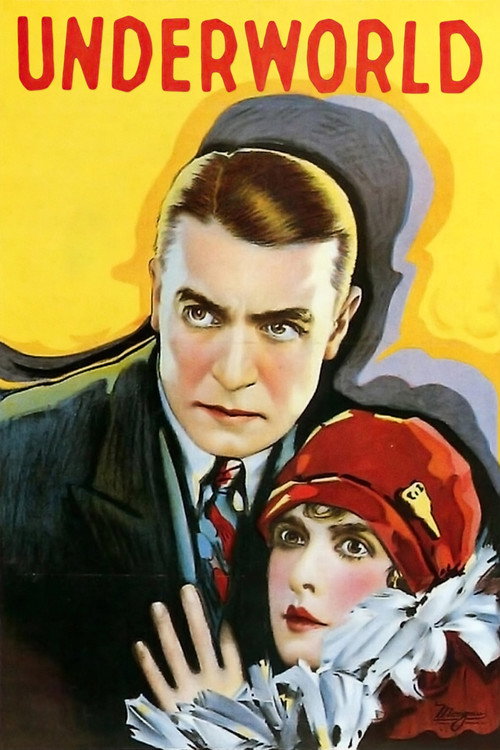
Underworld1927
Both use urban geography and shadow as weapons; both treat crime as spectacle worth watching rather than judging.
Josef von Sternberg's silent crime film invented the visual language The Spider's Web uses: shadows, architecture as character, violence as style. Five years earlier and in a different medium, but this is where the serial's aesthetic lineage begins. Watching it feels like discovering the source code.
But Silent film is a completely different experience. No dialogue means sustained visual attention; fast cutting and editing compensate for missing sound. Patience is essential.
More like this (7)
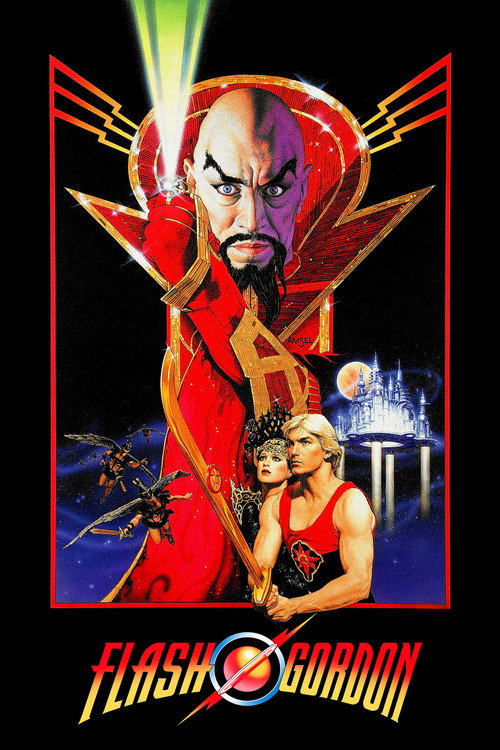
Flash Gordon1980
Pure serial adventure remade with anarchic joy. Space opera spectacle, campy dialogue, and stunt work that prioritizes fun over believability. Celebrates rather than apologizes for its pulp roots—The Spider's spirit in a different costume.
But Deliberately silly in a way some viewers read as stupid. If you want to be taken seriously, this film doesn't care.
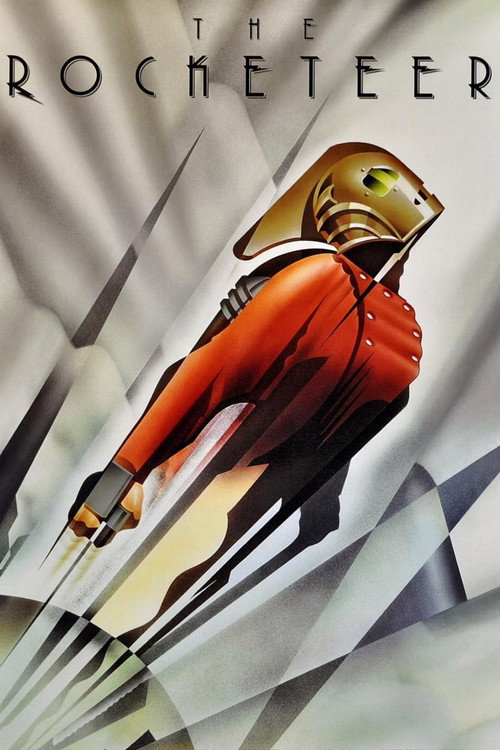
The Rocketeer1991
Period action-adventure with real production craft behind its serial inspirations. Stunt work, practical effects, and a hero fighting Nazis and mobsters with glee. Understands what makes pulp adventure fun without becoming ironic about it.
But Feels slightly safer and more calculated than genuine serials. The earnestness occasionally tips toward blandness.
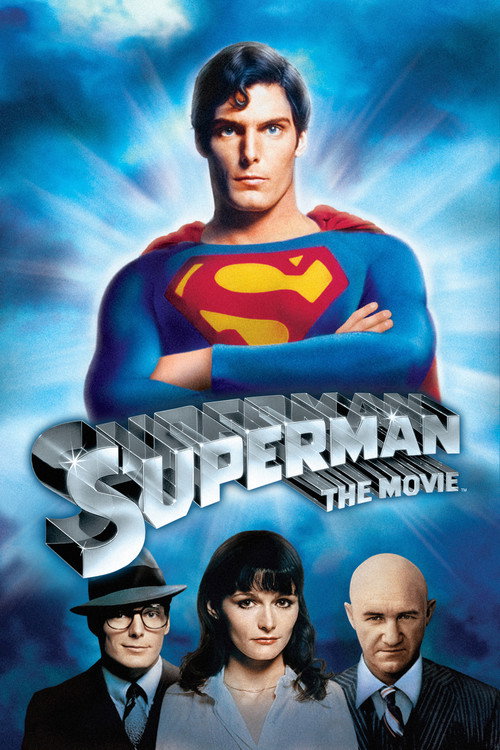
Superman1978
Treats comic-book source material with complete sincerity. Reeve's performance combines decency with physical heroism in ways that legitimized pulp character adaptation. Shows how to translate serial adventure for mass audiences without condescension.
But Three hours with a slow first half. The romance plot competes for time with action, and some find the earnestness dated.
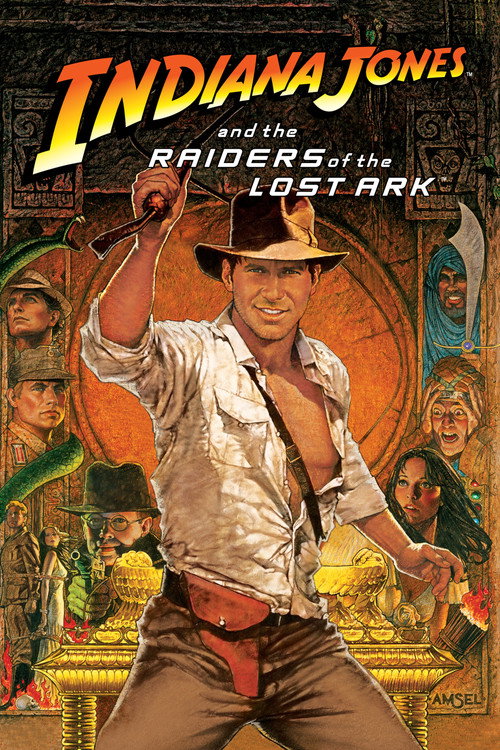
Raiders of the Lost Ark1981
Spielberg weaponizes serial adventure grammar—cliffhangers, impossible odds, romance, action that flows scene to scene. Every frame acknowledges The Spider's DNA while executing with modern technical mastery.
But So influential it feels familiar now. The action occasionally stalls for exposition, and some set pieces haven't aged as well as others.
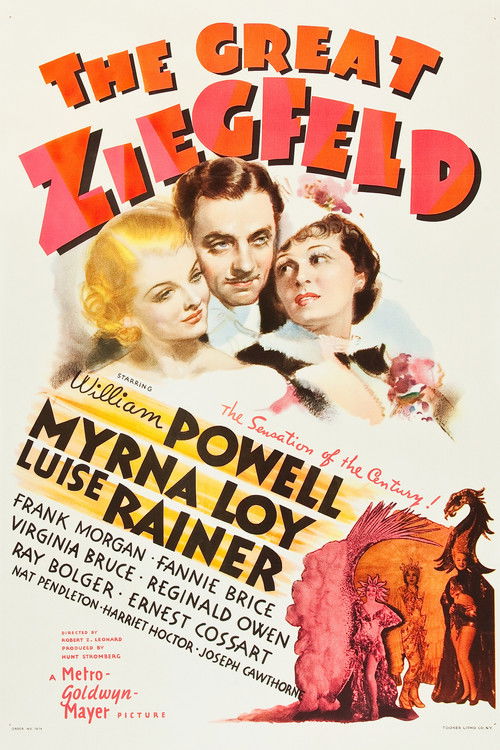
The Great Ziegfeld1936
A different kind of spectacle cinema from The Spider's era. Tells you what 1938 audiences expected from filmmaking: production design, music, novelty, and technical ambition used purely for entertainment. Context for why serials felt so immediate and necessary.
But A three-hour musical biography will sound deathly boring to many. The entertainment logic is completely alien to modern pacing expectations.
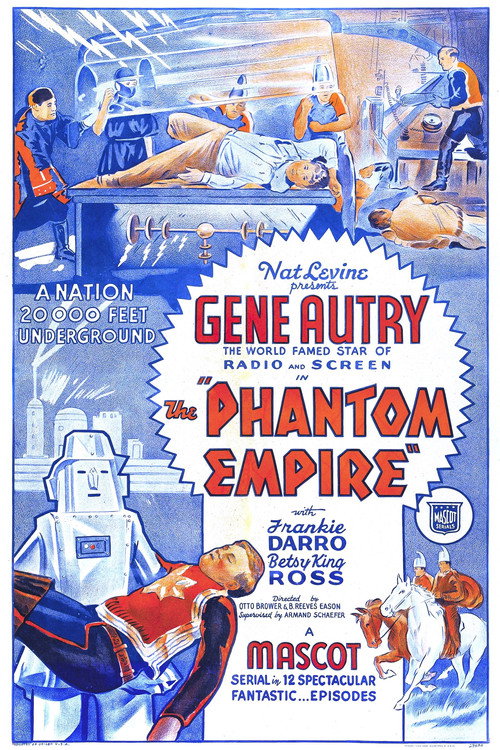
The Phantom Empire1935
Gene Autry in a serial combining Western, science fiction, and action adventure—pure genre collision executed with no self-consciousness. Shows how elastically filmmakers mixed pulp elements before standardization set in.
But Genuinely strange plotting that prioritizes novelty over coherence. The tonal shifts are jarring, and some elements read as unintentionally awkward now.
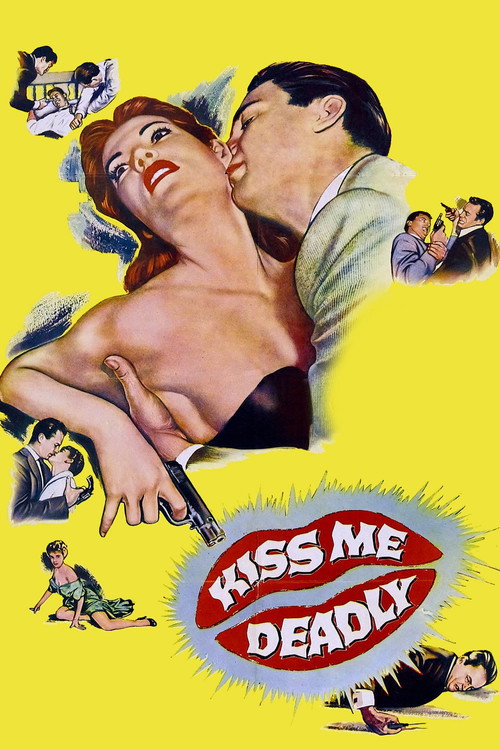
Kiss Me Deadly1955
Both follow masked/obsessed avengers destroying criminal networks, but Aldrich weaponizes the same template as social critique where The Spider's Web treats it as adventure.
Robert Aldrich's brutal Mike Hammer adaptation takes pulp adventure seriously—treats it as noir, not fun. Same vigilante template as The Spider, same criminal underworld, same obsessive protagonist, but filtered through 1950s cynicism instead of 1930s earnestness. Shows what happens when you stop celebrating the form and interrogate it.
But Genuinely violent and misogynistic in ways that feel unironic. The nihilism is heavy; this is not entertainment designed to delight. Some find it fascinating; others find it unpleasant.
People
Cast
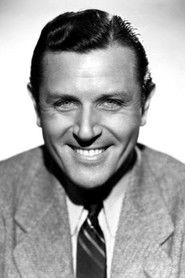 Warren HullThe Spider / Richard Wentworth / Blinky McQuade
 Iris MeredithNita Van Sloan
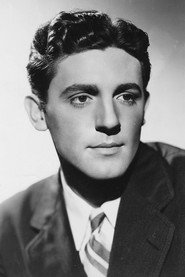 Richard FiskeJackson
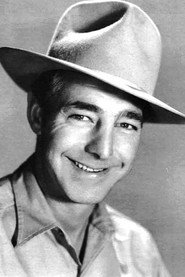 Kenne DuncanRam Singh
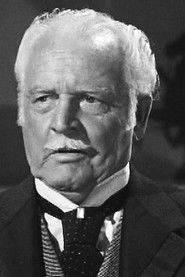 Forbes MurrayPolice Commissioner Stanley Kirk
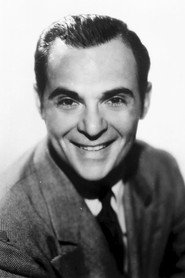 Marc LawrenceSteve Harmon
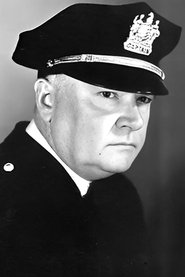
- Eugene Anderson JrJohnnie Sands
 Ann DoranMason's Secretary
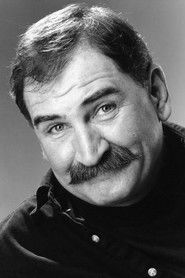 Paul WhitneyGray
- Beatrice CurtisKate Sands
- Gordon HartJ. Mason
Directing
- James W. HorneDirector
- Ray TaylorDirector
Writing
- Basil DickeyScreenplay
- George H. PlymptonScreenplay
- Mart RamsonScreenplay
- Robert E. KentScreenplay
Production
- Jack FierProducer