
Film
The Oregon Trail
Other titles called The Oregon Trail: the 1936 film.
A 1939 Western serial following a troubleshooter investigating sabotage along the Oregon Trail. Episodic, energetic, and plainly a product of its era—these serials unfolded across multiple reels with cliffhangers and stunt work designed to bring audiences back next week. It's pure adventure filmmaking, cheerful and unpretentious, for anyone curious about how Hollywood kept people in seats before television existed.
Should you watch it?
Watch it if you love old-fashioned horse opera where the plot is a clean machine of ambushes, chases and wagon-train peril, and you don't mind sitting through a long stretch of it.
Skip it if you want psychological depth or a western that rewards slow, quiet character work; this is action machinery first, and its sheer length will test anyone not already fond of the genre.
What it asks of you: Plan for more than five hours, arriving in long stretches of riding, scrapping and dust-ups, paced for patience rather than for a single sitting.
Not sure? Find tonight's pick in a minute.
If you liked this
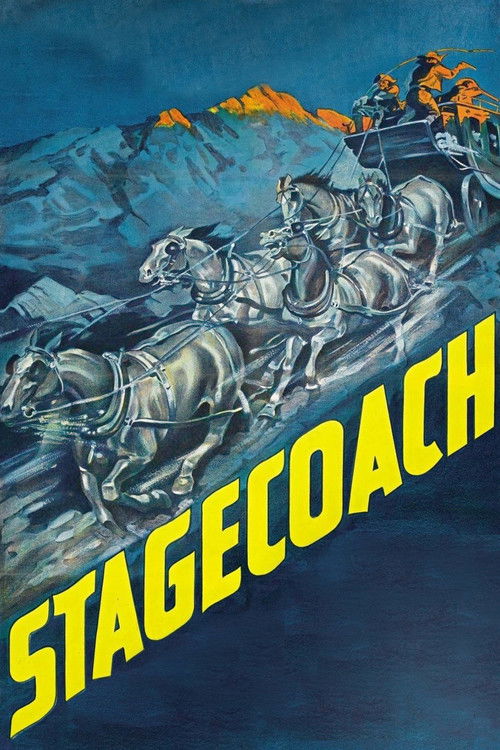
Stagecoach1939
John Ford's masterpiece of the Western form, released the same year. A microcosm of American society trapped in a stagecoach crossing dangerous territory, with psychological depth and moral complexity that elevated the entire genre.
But It moves at a deliberate pace and the social commentary can feel heavy-handed to modern viewers accustomed to faster storytelling rhythms.
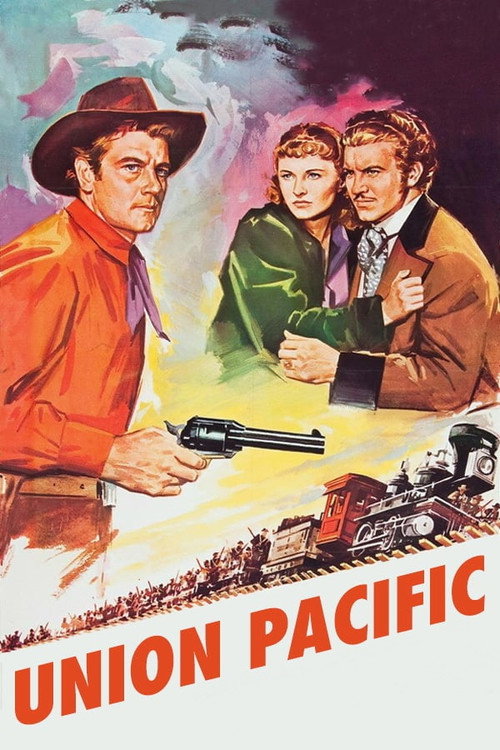
Union Pacific1939
Cecil B. DeMille's epic about the building of the transcontinental railroad. Massive in scope, with spectacle and sabotage plots that echo the serial's concerns, but executed as a sprawling feature with major stars and bigger budgets.
But Nearly two and a half hours long, and DeMille's direction can feel theatrical and overwrought by contemporary standards.
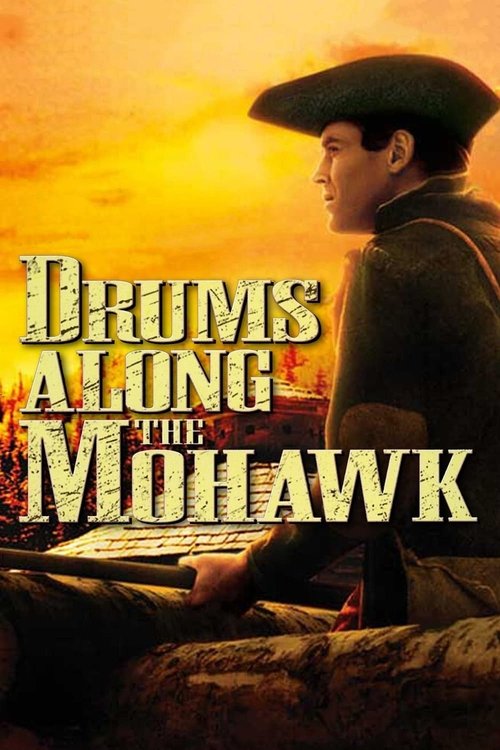
Drums Along the Mohawk1939
John Ford again, this time in Technicolor, following settlers on a frontier river during the Revolutionary War. Adventure and domestic life intertwined, with the same spirit of American expansion that drives the Oregon Trail narrative.
But The early Technicolor is gorgeous but the film's attitudes toward Native Americans are deeply uncomfortable and dated.
Not sure tonight? Get a pick in a minute, starting from The Oregon Trail
The wildcard
Something you would not have found on your own.
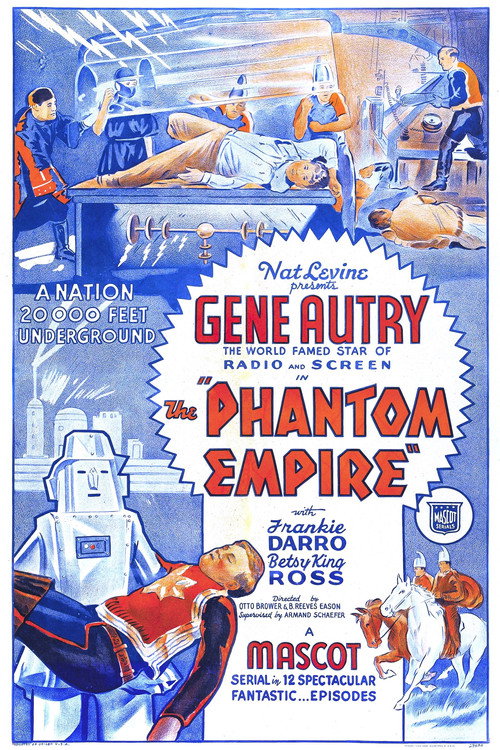
The Phantom Empire1935
Both are episodic serials from the Golden Age of Hollywood adventure filmmaking, designed to be consumed in chunks with cliffhangers and recurring action sequences rather than as unified narratives.
A serial that predates the Oregon Trail by four years, starring Gene Autry. It combines the Western with science fiction—a secret underground civilization beneath a ranch—creating something genuinely bonkers and utterly of its moment. If you want to understand the DNA of what made these serials work, this is the ancestor.
But The production values are threadbare, the logic is nonsensical, and it requires patience with a format designed for audiences who didn't need everything explained or justified. It's less a story than a series of excuses for the next stunt.
More like this (8)
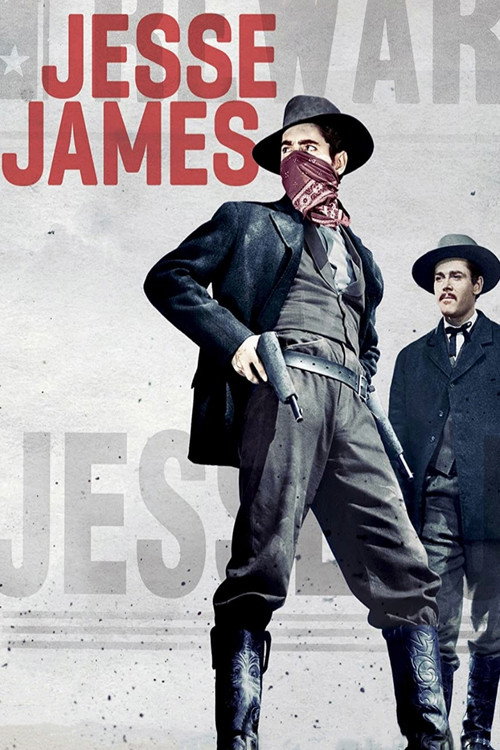
Jesse James1939
A major Western released in the same prolific year, with Tyrone Power and Henry Fonda. Outlaw mythology treated as spectacle and moral ambiguity, with action sequences that still hold up remarkably well.
But The sympathetic portrayal of an outlaw may feel odd if you want clear moral stakes in your Western.
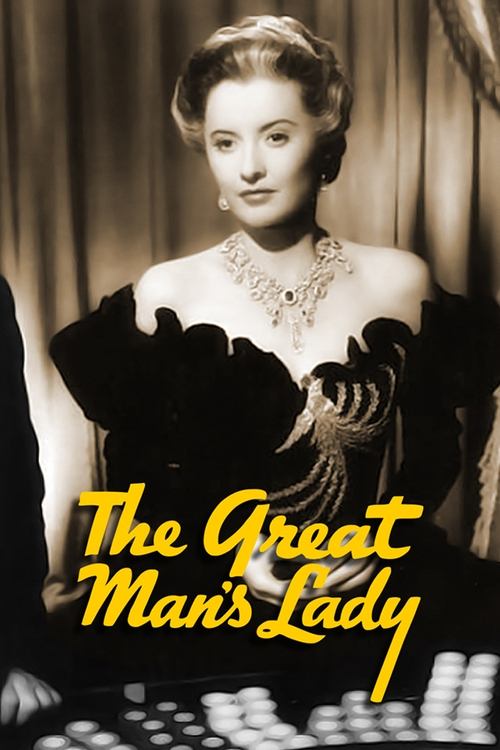
The Great Man's Lady1941
Barbara Stanwyck in a sweeping frontier epic about the woman behind the man, spanning decades of Western settlement. Ambition, sacrifice, and the real costs of expansion—told with intelligence and emotional weight.
But It's fundamentally a domestic drama in Western clothing, which may disappoint if you came for action and gunplay.
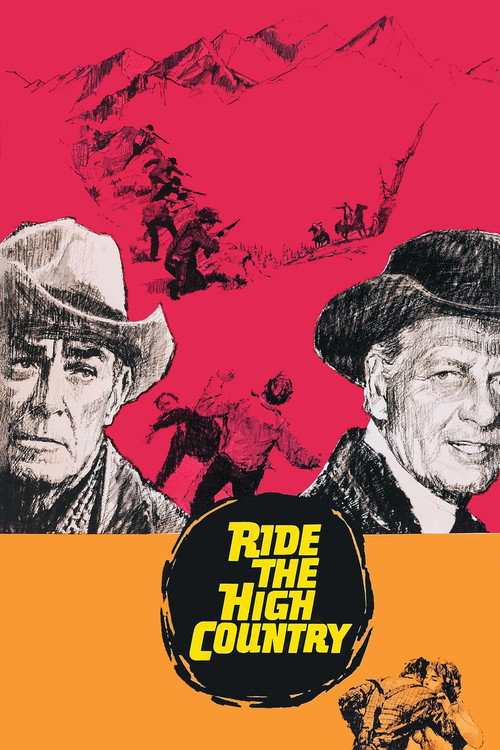
Ride the High Country1962
Joel McCrea and Randolph Scott as aging lawmen in a changing West. A meditation on obsolescence and honor, with crisp cinematography and action that feels earned rather than obligatory. A bridge between old and new Westerns.
But The pacing is unhurried and it's more interested in character and landscape than plot momentum.
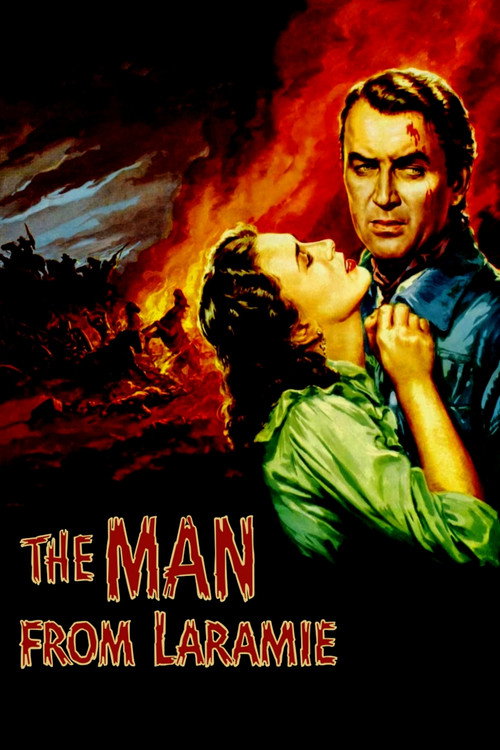
The Man from Laramie1955
James Stewart in a mature Western about revenge and justice. Beautifully shot in VistaVision, with a genuinely compelling mystery at its heart and performances that treat the genre as seriously as any drama.
But It's a slower burn than the serial format, and some may find the psychological tension exhausting rather than engaging.
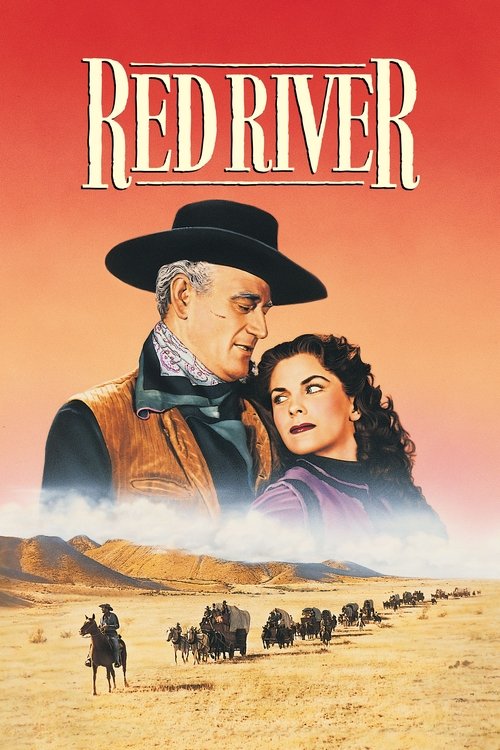
Red River1948
Howard Hawks' cattle drive epic with John Wayne and Montgomery Clift. A study of obsession and generational conflict on the frontier, with sequences of cattle herding that are genuinely thrilling and beautifully choreographed.
But The relationship between the two leads is homoerotic enough to make some uncomfortable, and the female characters are largely decorative.
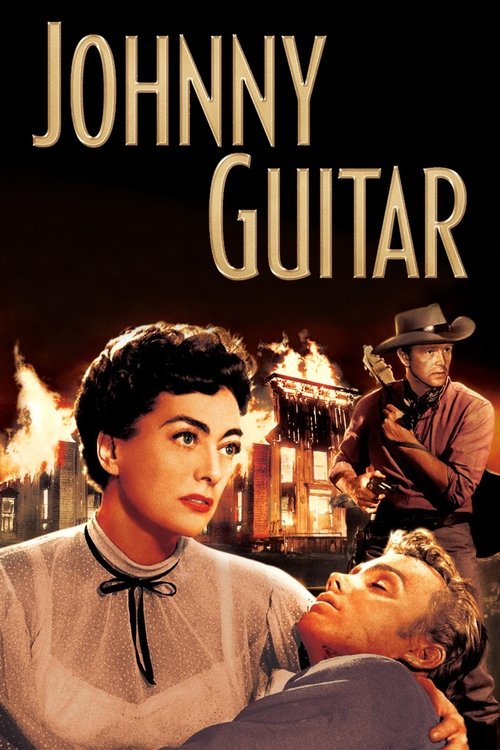
Johnny Guitar1954
Nicholas Ray's weird fever-dream Western where Joan Crawford runs a saloon and outlaws clash with settlers. Genuinely strange, visually striking, and interested in power and ambition in ways most Westerns aren't.
But It's deliberately artificial and stagey, and if you want gritty realism or traditional Western storytelling, this will feel perverse and wrong.
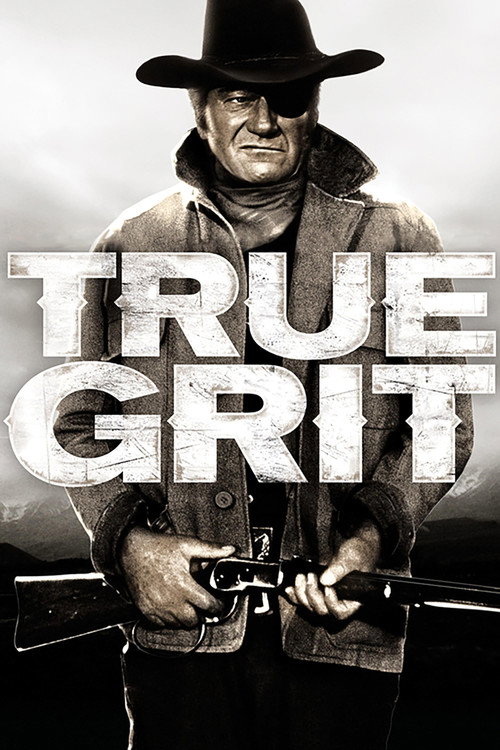
True Grit1969
Both center on a troubleshooter hired to solve problems on a dangerous frontier journey, but True Grit treats that premise as the vehicle for examining grief, age, and the end of the frontier myth itself.
John Wayne's only Oscar-winning performance as Rooster Cogburn, hired to hunt a man across Indian Territory. It's a Western about the trail—pursuit, landscape, the relationship between a gruff man and a determined girl—but filtered through 1960s cinema and genuine emotional stakes that feel modern even now.
But It's sentimental in places, and if you're allergic to child characters driving the emotional core of a story, this will grate.
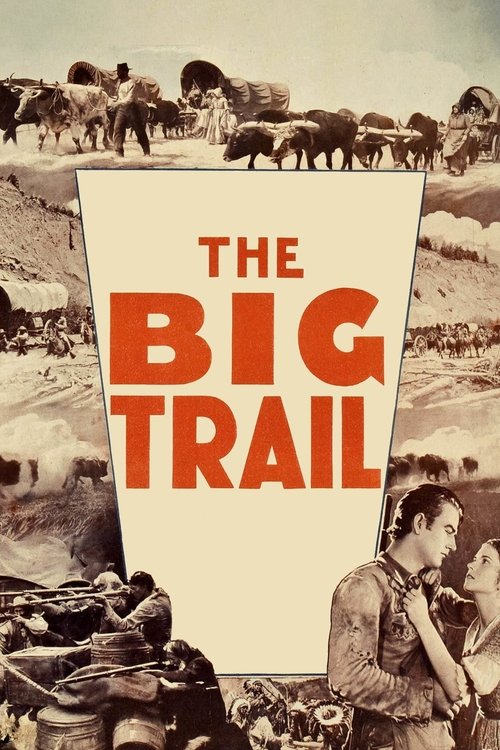
The Big Trail1930
It's literally about the same event and landscape, but made a decade earlier and more earnestly, treating the Oregon Trail not as adventure serial fodder but as an epic historical moment worthy of Hollywood's biggest gestures.
John Wayne's first major role in a sprawling Western about wagon trains heading west on the Oregon Trail itself. Shot in an early widescreen format called Grandeur, it's technically and narratively ambitious—a real attempt to capture the scale and hardship of frontier expansion.
But Wayne is green and the film's pacing is uneven; it's a noble mess rather than a finished masterpiece, and the politics are deeply, casually racist.
People
Cast
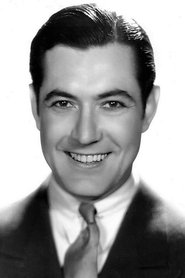 Johnny Mack BrownJeff Scott
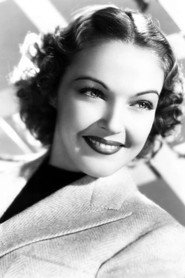 Louise StanleyMargaret Mason
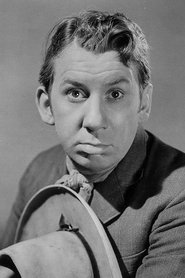 Fuzzy KnightDeadwood Hawkins
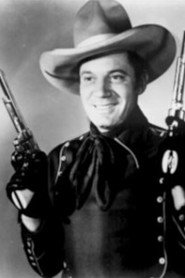 Bill Cody Jr.Jimmie Clark
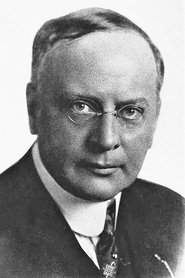 Edward LeSaintJohn Mason
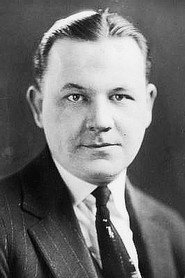 James BlaineSam Morgan
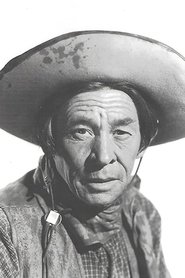 Charles Stevens'Breed'
- Jack C. SmithBull Bragg
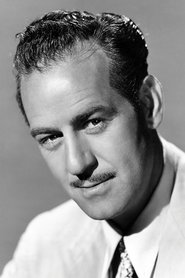 Roy BarcroftColonel Custer
 Charles MurphyTompkins
 Colin KennySlade - Morgan Henchman
 Forrest TaylorDaggett - Morgan Henchman
Directing
- Ford BeebeDirector
- Saul A. GoodkindDirector
Writing
- Basil DickeyScreenplay
- Edmond KelsoScreenplay
- George H. PlymptonScreenplay
- W.W. WatsonScreenplay