
Film
Union Pacific
Union Pacific is Cecil B. DeMille's sweeping 1939 Western about the race to build a transcontinental railroad. It's a grand, energetic affair—part romantic triangle, part sabotage thriller, part historical spectacle. Barbara Stanwyck holds the center while Joel McCrea and Robert Preston circle. It's for anyone who loves old Hollywood ambition: all those extras, all that earnest conviction, all that plot.
If you liked this
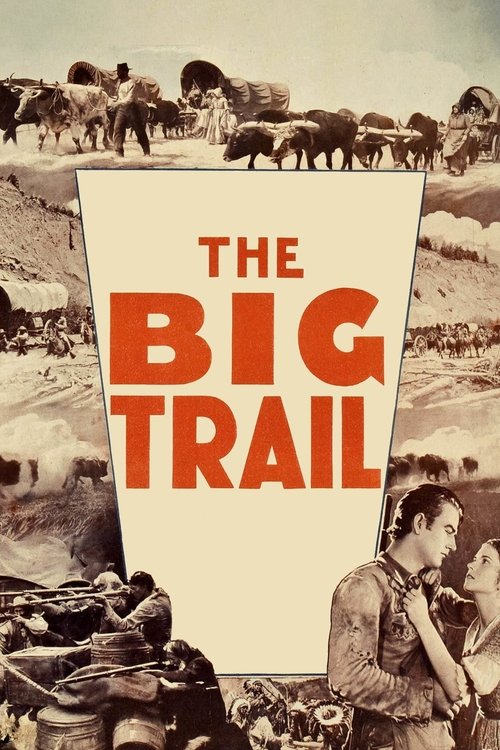
The Big Trail1930
John Ford's epic Western about the opening of wagon routes west, equally ambitious in scope and equally invested in the mythology of American expansion. Stunning Monument Valley cinematography and genuine spectacle.
But At nearly three hours with a younger, less-experienced cast, it moves differently than you might expect. Some sequences feel glacial by modern standards.
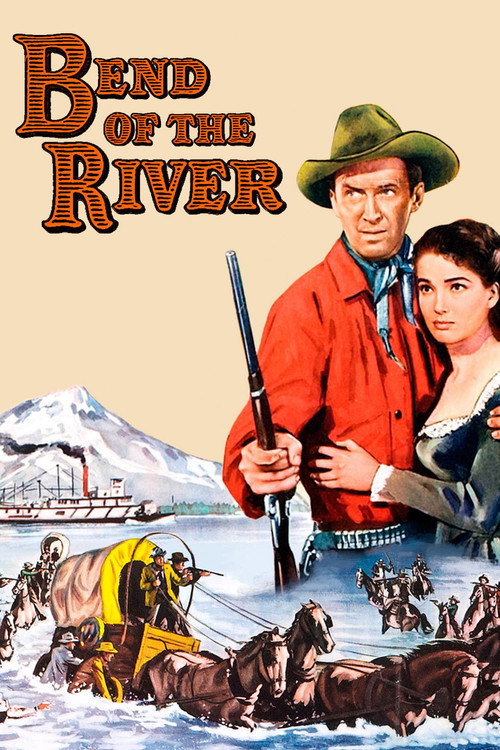
Bend of the River1952
James Stewart and Rock Hudson navigate ambition, betrayal, and the frontier during the Oregon Territory gold rush. Anthony Mann's direction brings moral complexity that elevates what could have been simple adventure.
But The film takes its time establishing character over action, and some viewers find Mann's deliberate pacing tedious rather than thoughtful.
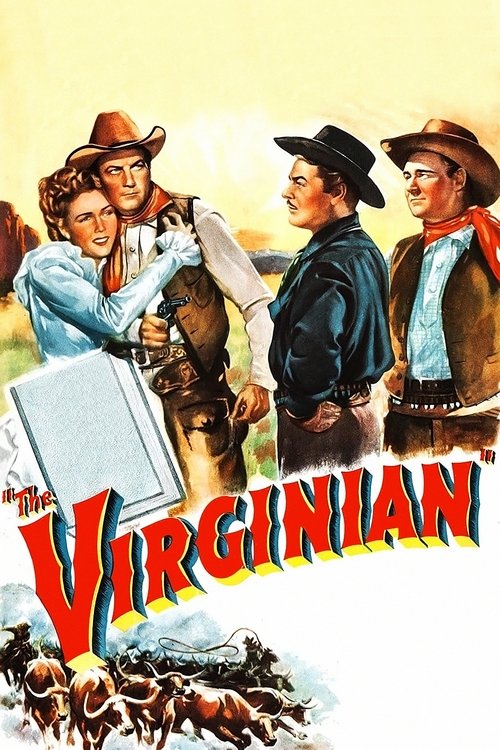
The Virginian1946
Joel McCrea again, this time as the iconic rancher caught between duty and conscience. It's the definitive adaptation of Wister's novel, with stunning Technicolor and a famous shooting that still lands hard.
But The gender politics feel frozen in amber. The female leads exist primarily as romantic objects or obstacles, which can make viewing uncomfortable.
Not sure tonight? Get a pick in a minute, starting from Union Pacific
The wildcard
Something you would not have found on your own.
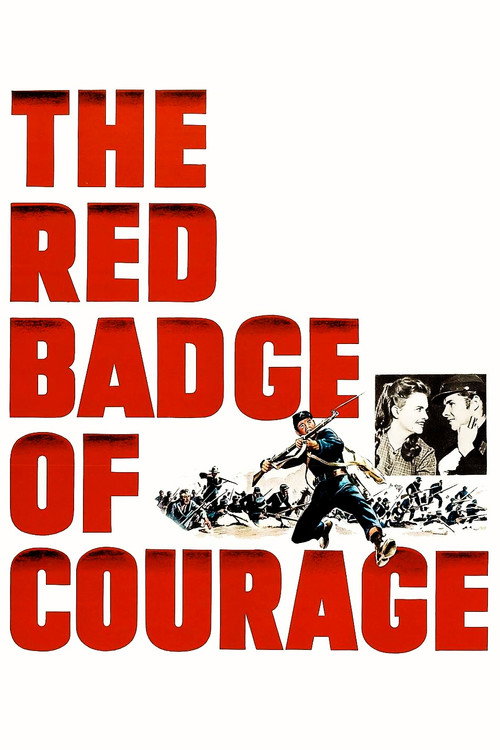
The Red Badge of Courage1951
Both examine American ambition during the Reconstruction era, using individual stories to interrogate grand historical narratives and the cost of nation-building.
John Huston's adaptation of Stephen Crane's Civil War novel is the spiritual sibling to Union Pacific—both about Americans proving themselves through collective effort, both about the gap between mythology and reality. It's handheld, intimate, and refuses spectacle even when filming battle.
But Made in near-experimental style for 1951, it's fragmented and sometimes opaque. You're asked to feel the chaos rather than follow clear narrative beats.
More like this (8)
Johnny Guitar1954
Nicholas Ray's fever-dream Western features Joan Crawford as a saloon owner defending her property against encroachment. Strange, stylized, more interested in power and obsession than historical accuracy.
But Its baroque visual style and emotional extremity feel totally divorced from realism. The plot, on surface reading, feels slight compared to its presentation.

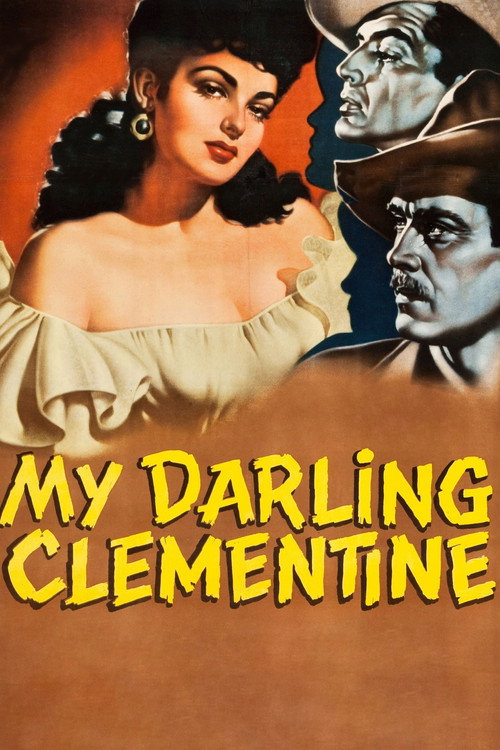
My Darling Clementine1946
John Ford's Wyatt Earp story is tender and mythic in equal measure—less interested in gunplay than in the loneliness of civilization emerging from wilderness. Henry Fonda is unforgettable.
But Very little actually happens. If you want action or plot momentum, this meditative approach will frustrate you.
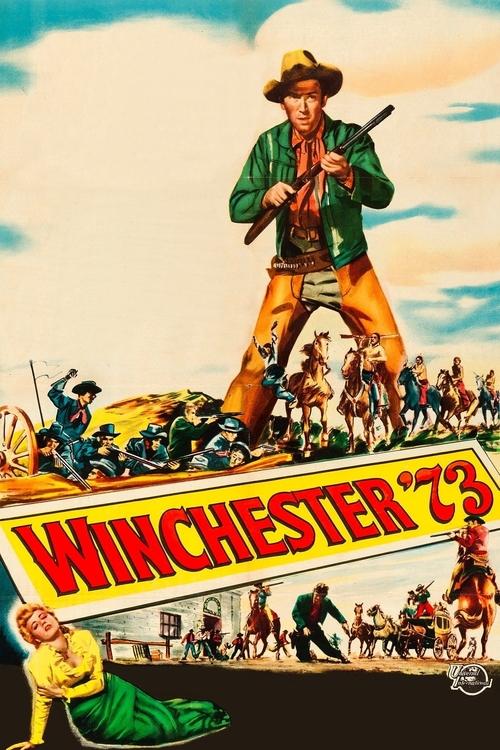
Winchester '731950
James Stewart and Anthony Mann reunite for this tense, lean Western following a rifle as it passes between characters. It's economical, smart, and uses the weapon as thematic anchor rather than just firepower.
But The episodic structure means we never settle with any character long enough to deeply invest. It prioritizes momentum over emotion.
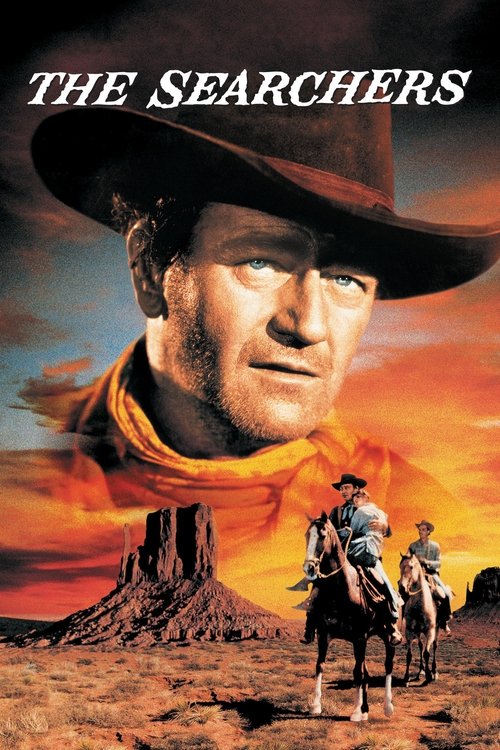
The Searchers1956
John Wayne at his most complex, hunting through Monument Valley for his abducted niece. Ford's masterpiece about obsession, racism, and the myth of the West—beautiful and morally dark.
But Wayne's character is genuinely hard to like, and the film's racial attitudes, though deliberately criticized by Ford, still make viewing complicated today.
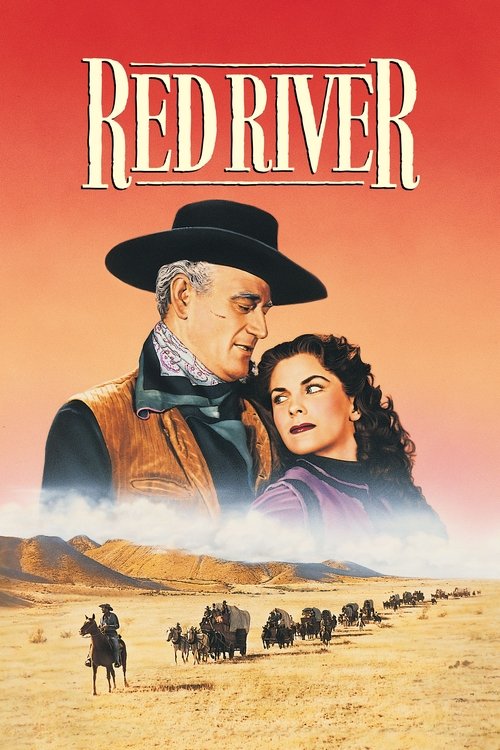
Red River1948
Howard Hawks' cattle-drive epic with John Wayne and Montgomery Clift facing off across generational lines. Electric tension, real stakes, and the most homoerotic confrontation in classic Western cinema.
But The climax resolves a conflict built across two hours in a way that feels dramatically unconvincing. Some find it deflating.
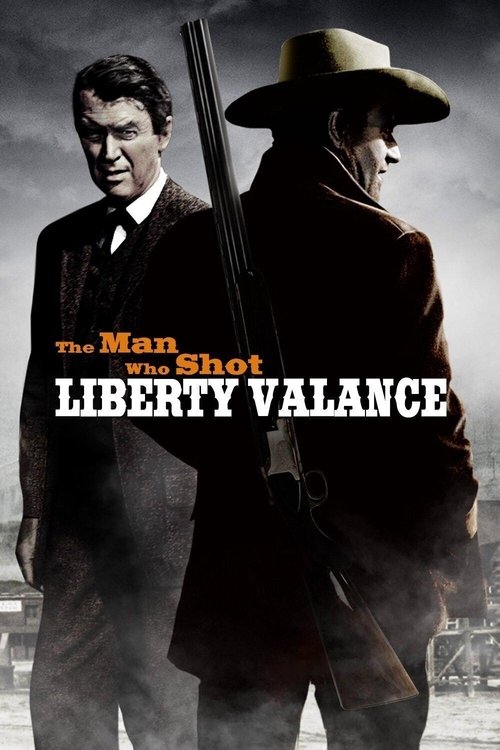
The Man Who Shot Liberty Valance1962
John Ford's late Western about myth versus history, with James Stewart and Lee Marvin caught between truth and legend. Deliberately made in black-and-white to evoke earlier cinema, it's Ford looking back.
But It's slow, melancholic, and ultimately pessimistic about American ideals. Ford's elegiac tone doesn't suit everyone's expectations for the genre.
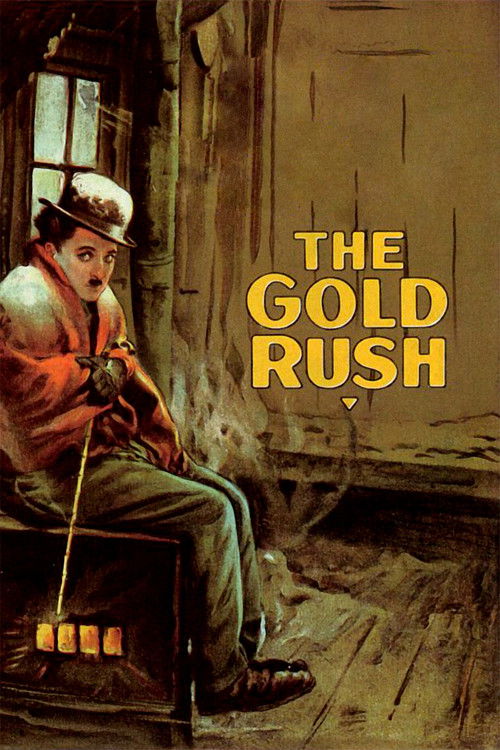
The Gold Rush1925
Both are myths about American expansion and greed, but Chaplin's version laughs at the dream rather than celebrating it, finding wisdom in failure rather than triumph.
Chaplin's Gold Rush is about people swarming toward opportunity in the wilderness—the same primal engine as Union Pacific, but filtered through comedy and humanity rather than spectacle. The Tramp survives through luck and kindness rather than grit, which inverts the railroad film's values completely.
But It's silent, it's sentimental in ways that can feel cloying, and Chaplin's pathos isn't everyone's register. The pacing is deliberate.
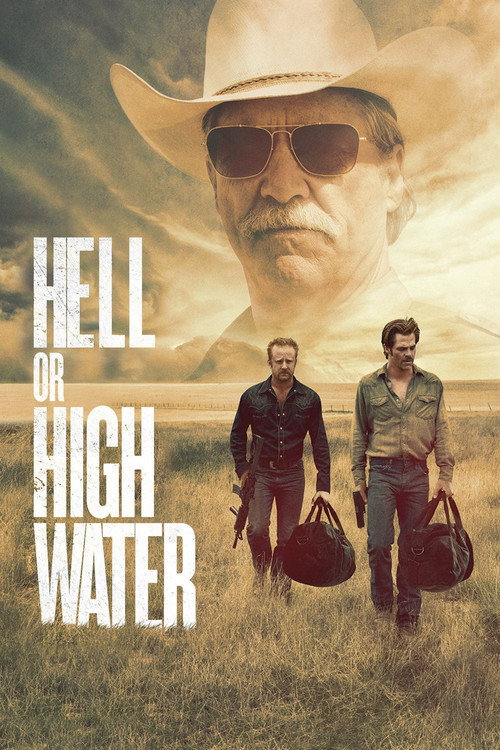
Hell or High Water2016
Both pit individuals against systems of power and expansion; where Union Pacific celebrates the railroad's inevitable progress, Hell or High Water mourns what gets crushed beneath it.
David Mackenzie's modern Western about brothers robbing banks to save their inherited land is structurally identical to Union Pacific's cat-and-mouse game, but trades historical spectacle for intimate character study. Lean, intelligent, propulsive—proof the Western's DNA still works.
But It's deliberately unglamorous and morally messy. If you want clear heroes or historical grandeur, this contemporary realism will feel diminished by comparison.
People
Cast
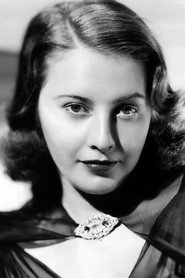 Barbara StanwyckMollie Monahan
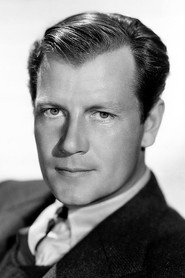 Joel McCreaJeff Butler
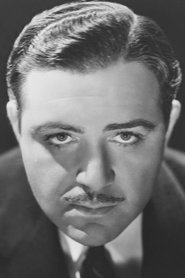 Akim TamiroffFiesta
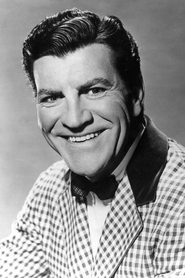 Robert PrestonDick Allen
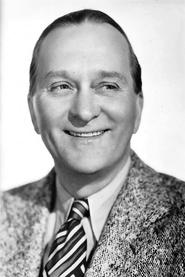 Lynne OvermanLeach Overmile
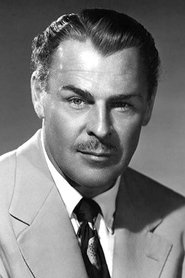 Brian DonlevySid Campeau
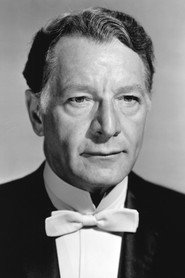 Robert BarratDuke Ring
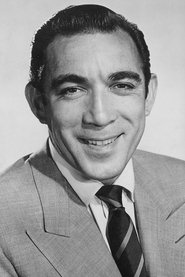 Anthony QuinnCordray
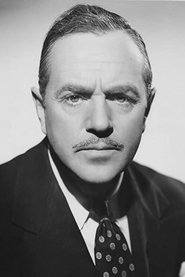 Stanley RidgesGen. Casement
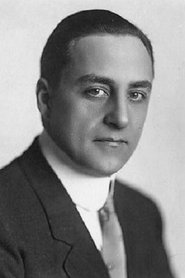 Henry KolkerAsa M. Barrows
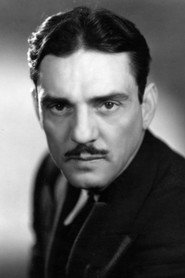 Francis McDonaldGen. Dodge
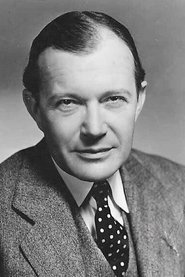 Willard RobertsonOakes Ames
Directing
- Cecil B. DeMilleDirector
- Arthur RossonSecond Unit Director
Writing
- Jack CunninghamAdaptation
- C. Gardner SullivanScreenplay
- Jesse Lasky Jr.Screenplay
- Walter DeLeonScreenplay
- Ernest HaycoxStory
Production
- William H. PineAssociate Producer
- William LeBaronExecutive Producer
- Cecil B. DeMilleProducer
Recommended by
The Iron Horse, They Died with Their Boots On, The Oregon Trail, The Return of the Cisco Kid