
Film
The Virginian
Other titles called The Virginian: the 1929 film, the 1962 series (NBC).
A 1946 Western about a quiet, morally principled cowboy navigating duty, romance, and violence on the frontier. Joel McCrea commands the film with understated dignity, letting action and moral dilemmas do the heavy lifting. It's a character study wrapped in gunfights—for viewers who want depth beneath the dust and saddles, and who appreciate a hero defined by what he won't compromise.
If you liked this
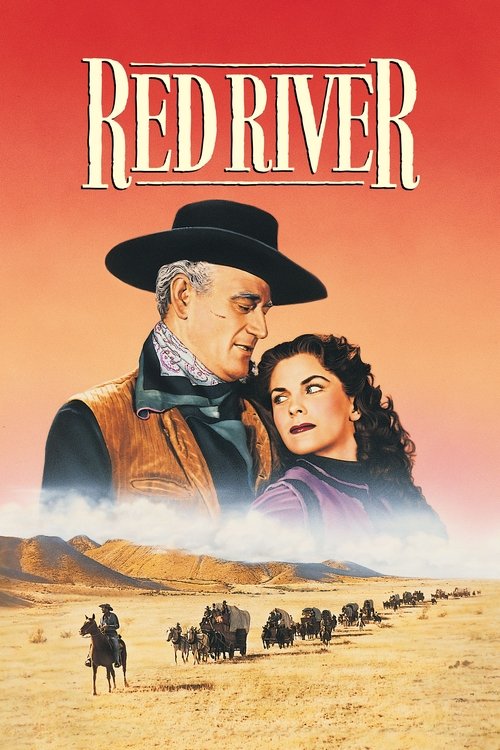
Red River1948
Howard Hawks' masterpiece about cattle, pride, and a son who must oppose his father. Montgomery Clift and John Wayne create electric tension, and the film builds toward moral reckoning with the same weight The Virginian carries into its climax.
But It's a long, methodical film more interested in character than action. Patience required; no quick cuts or easy resolutions.
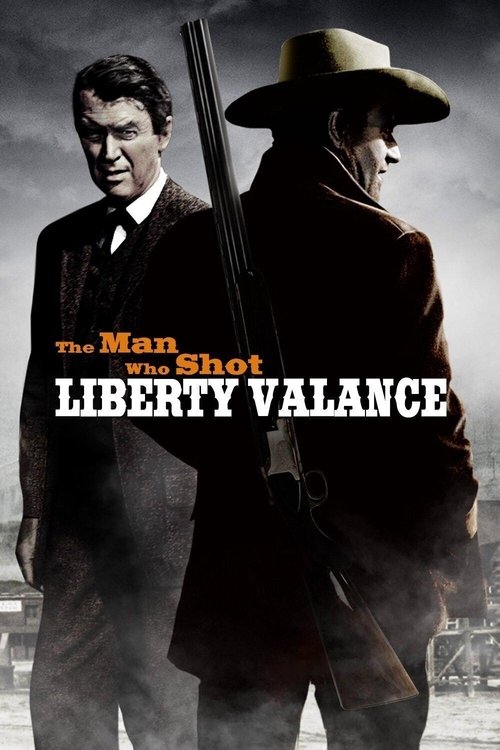
The Man Who Shot Liberty Valance1962
Ford's meditation on Western myth versus frontier reality, with James Stewart as a lawman choosing between violence and principle. It shares The Virginian's interest in what civilization costs, and what it gains.
But The black-and-white cinematography and deliberate pacing feel antiquated to modern eyes. It's a slow burn about memory and lies, not action.
Johnny Guitar1954
An offbeat Western where a woman runs a saloon and a man supports her without needing to dominate. Joan Crawford and Sterling Hayden have an unusual, quietly intense chemistry that echoes the Virginian and Molly's tension.
But It's stranger and more symbolic than most Westerns—the plot gets dreamlike. Not what you expect from the genre, which some find pretentious.

Not sure tonight? Get a pick in a minute, starting from The Virginian
The wildcard
Something you would not have found on your own.
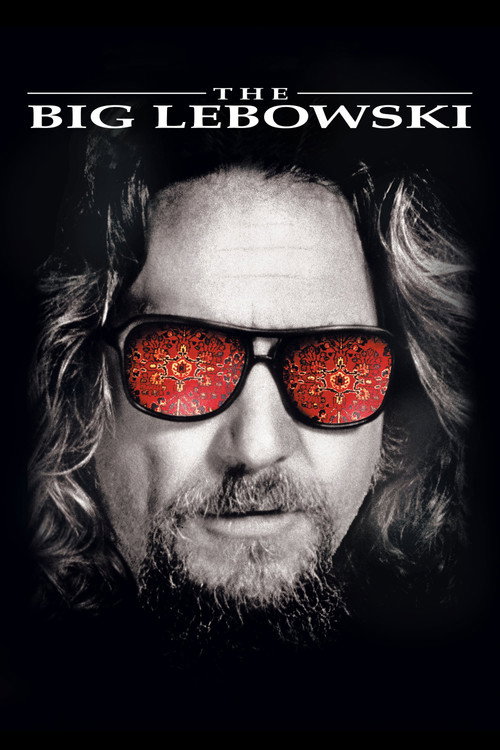
The Big Lebowski1998
Both center on a quiet, principled protagonist whose moral code isolates him in a world that doesn't share it. Both are structured around fidelity to an internal compass rather than external reward.
The Coen Brothers remake the Western as a 1990s Los Angeles noir. A man of principle—Jeff Bridges' Dude—navigates a morally corrupt world where almost everyone else is compromised. It's a Western set in bowling alleys, not saloons, but the architecture is identical: an outsider's code meeting modernity.
But It's a comedy, often absurdist. If you want a straight Western, you'll find it deliberately ridiculous. The humor is not for everyone, and the plot is deliberately messy.
More like this (8)
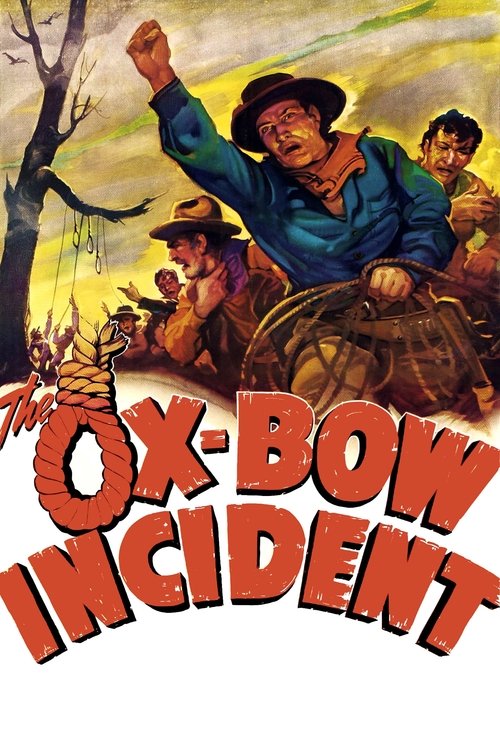
The Ox-Bow Incident1943
Henry Fonda's searing look at mob justice and the fragility of morality when fear takes over. Like The Virginian, it asks what a good man does when the community around him turns corrupt—but darker, with no easy answers.
But It's genuinely bleak. No hero triumphantly vindicated, no neat moral victories. Ends with dread rather than relief.
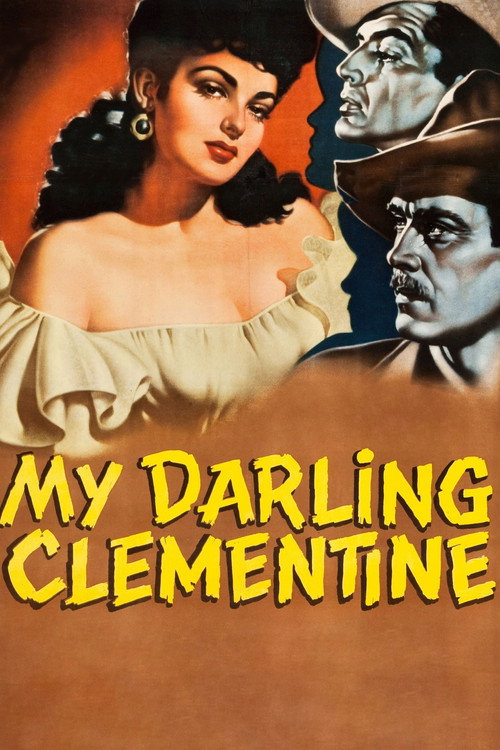
My Darling Clementine1946
Ford and Henry Fonda again, this time at the O.K. Corral. A Western about restraint and doing what's right when you'd rather not. Released the same year as The Virginian; both films trust their audience to read stillness as strength.
But Very little happens in conventional terms. Long scenes of men talking, thinking, being. If you want plot momentum, you'll find it slow.
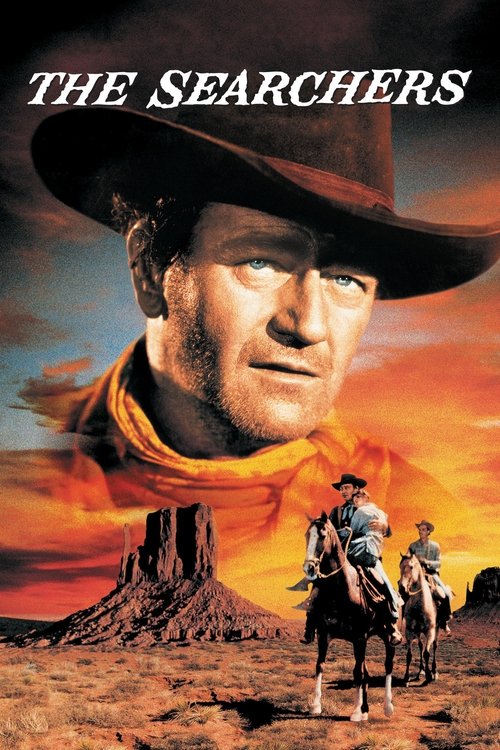
The Searchers1956
Wayne's most complex role: a man driven by rage and racism, morally compromised but undeniably capable. The film asks harder questions about the frontier hero than The Virginian does, without abandoning its tension or beauty.
But It's uncomfortable and deliberately so. Wayne's character is not likeable, and the film doesn't soften that. Long and visually demanding.
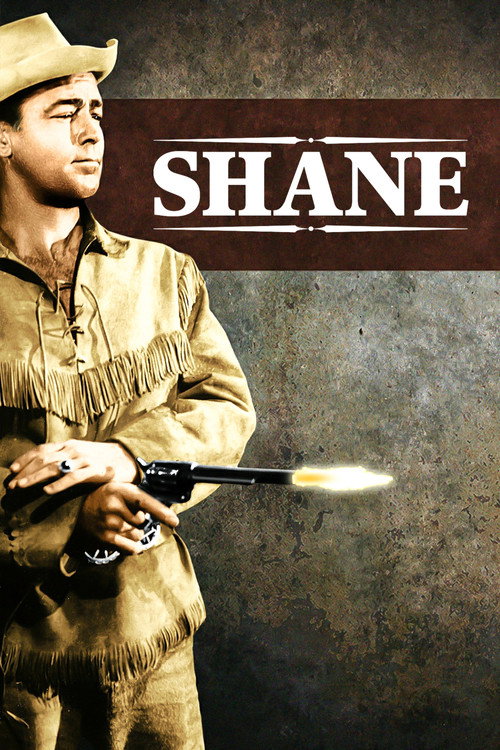
Shane1953
A quiet gunslinger tries to leave violence behind but is drawn back in by principle. Alan Ladd's stillness mirrors Joel McCrea's—both actors understand that power often sits quiet in a room.
But Very sentimental about frontier life and the damage of guns. If you dislike earnestness or prefer cynicism, it will feel dated.
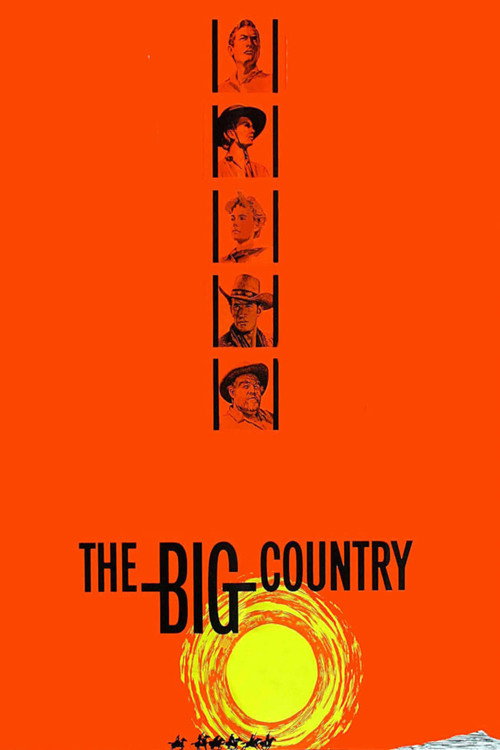
The Big Country1958
Gregory Peck as a Easterner trying to prove himself through reason rather than violence—a direct inversion of the Virginian. The landscape is monumental, the conflict internal. A Western about the refusal to fight needlessly.
But Nearly two hours of Technicolor vista and debate. Plot moves slowly; spectacle matters more than narrative. Can feel like a landscape painting with dialogue.
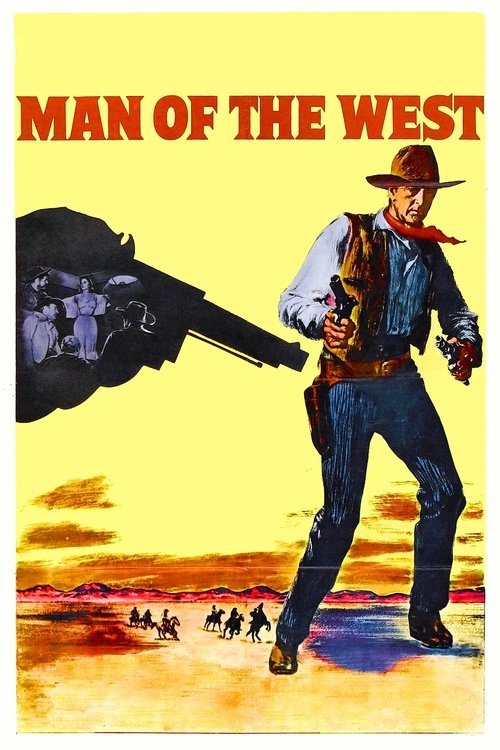
Man of the West1958
Anthony Mann's lean, brutal Western about a man reclaiming his humanity after violence. Gary Cooper confronts his outlaw past. Darker and grittier than The Virginian, but with the same moral architecture underneath.
But It's harsh and ugly in places. The violence is not sanitized, and some of the psychology is disturbing. Not a comfortable watch.
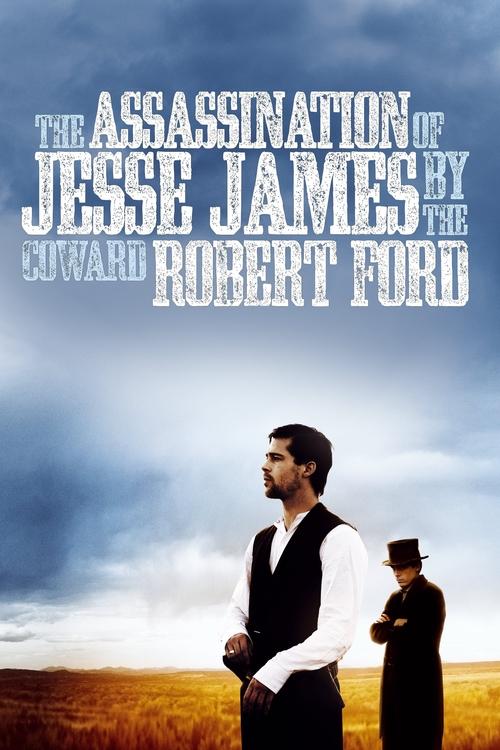
The Assassination of Jesse James by the Coward Robert Ford2007
Both examine the frontier hero as a construction—a story people tell themselves about virtue and violence. The Virginian earns moral authority; this film asks what happens when that authority becomes a cult.
A hypnotic, visually ravishing film about the mythology of the West and the man-worship that destroys both worshipper and worshipped. Jesse James is the dark double of the Virginian—a figure of impossible grace and terrible violence. Slow, meditative, and obsessive.
But It's nearly two and a half hours of brooding, literary cinema. Plot is secondary to atmosphere and psychological obsession. Frustrating if you want clarity or traditional narrative momentum.
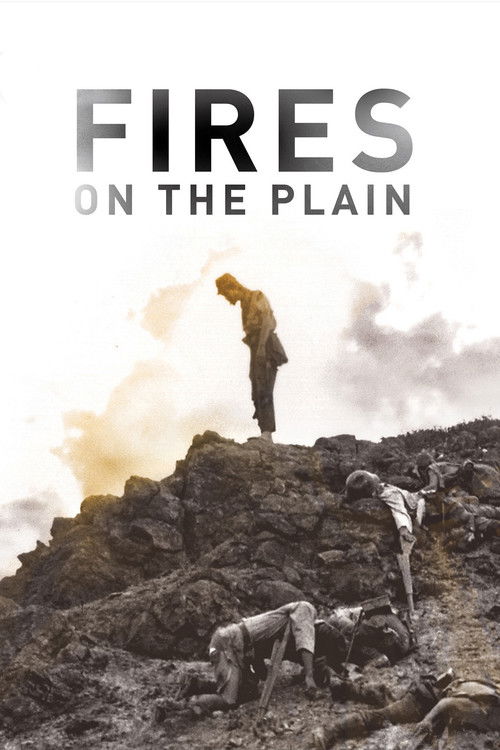
Fires on the Plain1959
Both feature men trying to uphold a code—honor, principle, restraint—in brutal circumstances where those codes are tested to breaking. But where The Virginian affirms the possibility of virtue, Fires on the Plain questions whether virtue survives when systems collapse.
A Japanese film about a soldier abandoned in the Philippines at the end of World War II, struggling to survive and maintain dignity amid degradation. It strips away the mythology of heroism to show desperation and moral collapse. Radically bleak, but profound about what civilization demands of us.
But It's difficult viewing—hunger, cannibalism, psychological breakdown. Black-and-white and subtitled, with no comfort or catharsis. Entirely opposed to Western genre conventions.
People
Cast
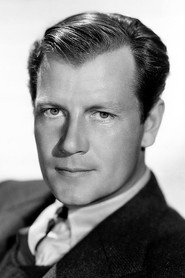 Joel McCreaThe Virginian
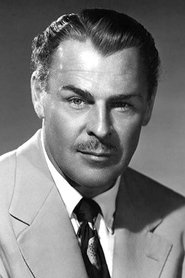 Brian DonlevyTrampas
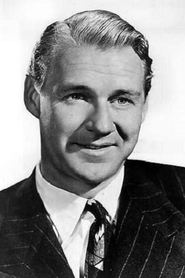 Sonny TuftsSteve Andrews
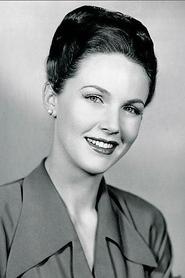 Barbara BrittonMolly Wood
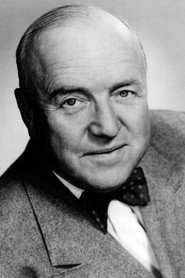 William FrawleyHoney Wiggen
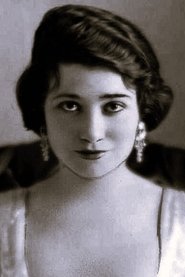 Fay BainterMrs. Taylor
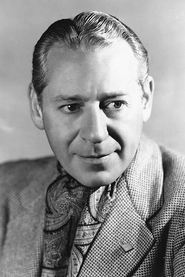 Henry O'NeillMr. Taylor
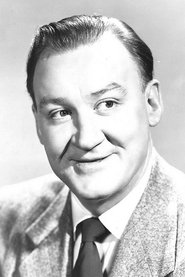 Tom TullyNebraska
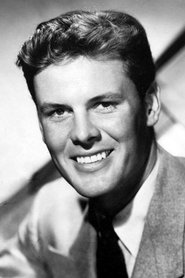 Bill EdwardsSam Bennett
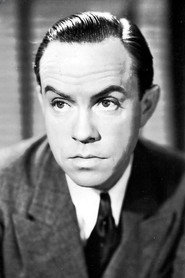 Paul GuilfoyleShorty
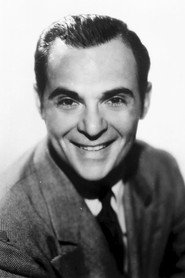 Marc LawrencePete
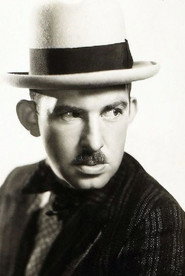 Vince BarnettBaldy
Directing
- Stuart GilmoreDirector
Writing
- Howard EstabrookAdaptation
- Owen WisterNovel
- Albert HackettScreenplay
- Frances GoodrichScreenplay
Production
- Howard EstabrookProducer