
Film
My Darling Clementine
John Ford's stark, unhurried telling of the Wyatt Earp legend, shot in black-and-white across Monument Valley's mesas. It's less about the gunfight than the space around it — dances, quiet nights, a town learning to be civil. Fonda plays Earp with a stillness that lets the myth breathe. For anyone who loves Westerns as elegy rather than shoot-'em-up, this is close to the genre's high-water mark.
If you liked this
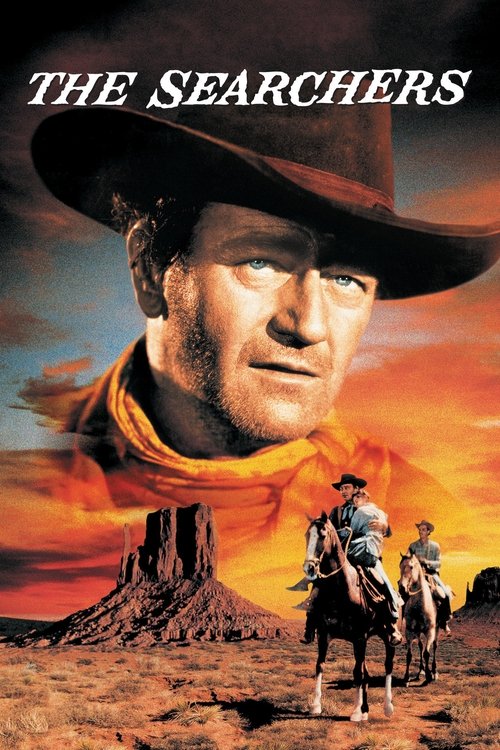
The Searchers1956
Ford's most towering Western, with Wayne playing against his usual heroism as a man consumed by hatred — the same director and landscapes, pushed into darker, more morally troubled territory.
But Bleaker and more uncomfortable, wrestling with racism in ways that can feel raw or dated depending on the viewer.
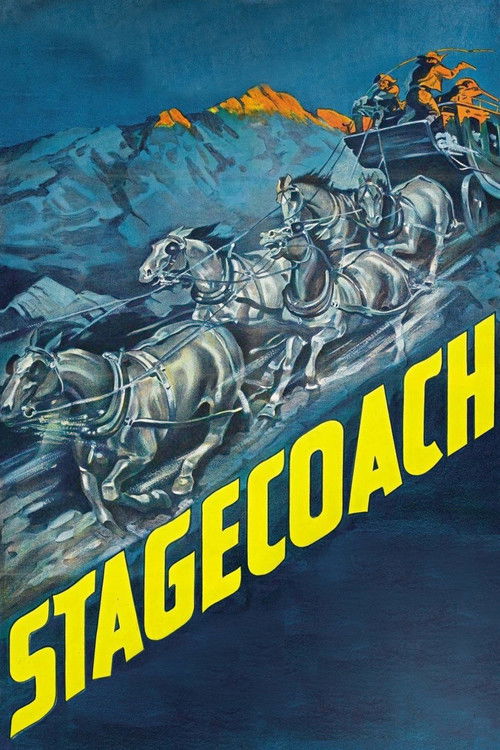
Stagecoach1939
The film that made Wayne a star and gave Ford his first taste of Monument Valley — a tighter, more classical ensemble Western full of Old West archetypes done right.
But Simpler morality and some character types that haven't aged gracefully, especially next to Clementine's more nuanced people.
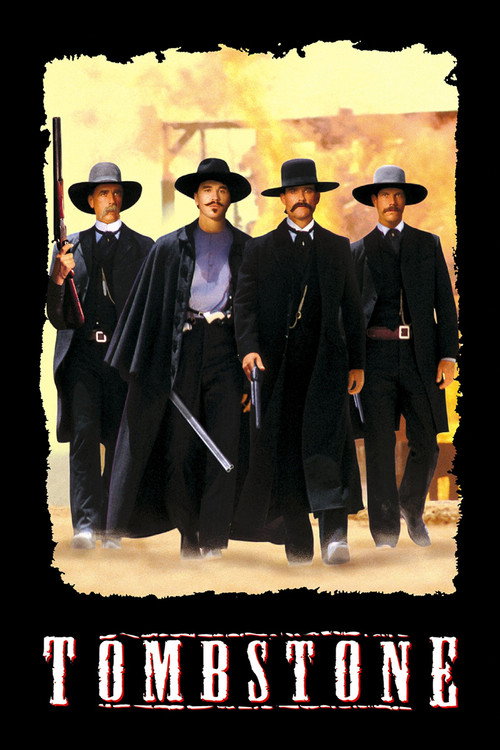
Tombstone1993
The same Earp-Holliday-O.K. Corral story, but louder, funnier, and soaked in blood — a big, quotable ensemble piece that treats the legend as entertainment rather than elegy.
But All swagger and spectacle where Clementine is quiet and mournful; less interested in myth-making than in having a great time.
The wildcard
Something you would not have found on your own.
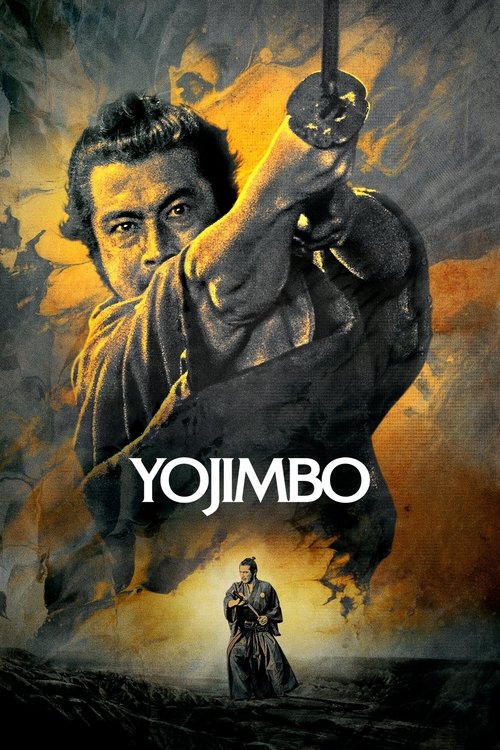
Yojimbo1961
Same outsider-cleans-up-a-lawless-town engine as Clementine, and the connection runs both ways — Kurosawa loved Ford's Westerns, and his samurai films then reshaped the genre right back, most famously into the spaghetti Western.
Kurosawa's wandering ronin walks into a corrupt town and cleans it up through sheer will — the same mythic shape as Earp in Tombstone, but sharper, funnier, and gorgeously composed.
But Subtitled and unmistakably Japanese in rhythm, with less romance and more black comedy than Clementine's stateliness.
More like this (8)
Gunfight at the O.K. Corral1957no page yet
Lancaster and Douglas bring star power to the same Earp/Holliday story, dressed up in glossy 1950s Technicolor — a very different, more conventional take on the same legend.
But Studio-polished and comparatively safe, without Ford's visual poetry or his interest in what civilization actually costs.
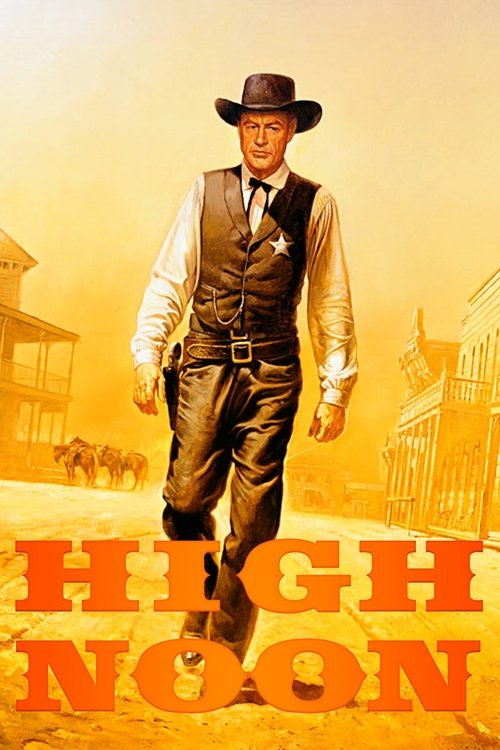
High Noon1952
A lawman alone against a town that won't help him, told almost in real time — a masterclass in tension and one of the genre's clearest statements about duty and cowardice.
But Ticking-clock urgency instead of Clementine's patience — a completely different rhythm if you came for slow-burn atmosphere.
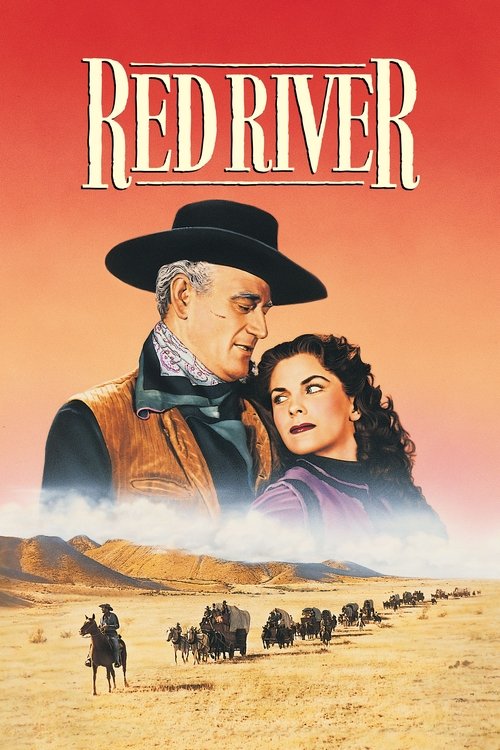
Red River1948
Wayne as a father figure turning monstrous on a cattle drive — epic, brutal, gorgeously shot, one of the best Westerns about what the frontier does to men.
But No Earp mythology here, just a different story entirely, and a longer, more grueling watch.
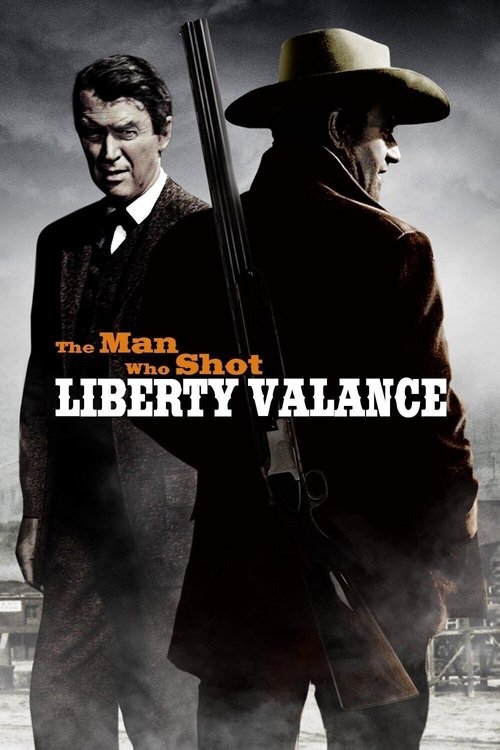
The Man Who Shot Liberty Valance1962
Ford, decades later, turning around to pick apart the very myths Clementine helped build — a talky, melancholic film about legend versus truth that rewards knowing his earlier work.
But Much less action, more conversation and regret — a slower, sadder film that some viewers find static.
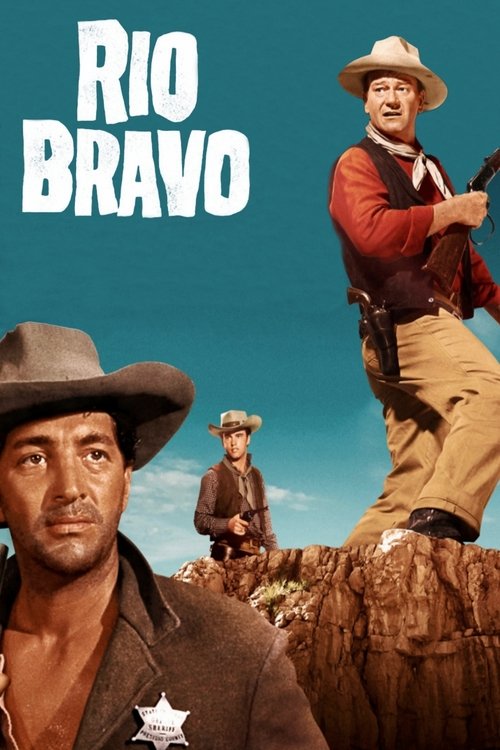
Rio Bravo1959
Hawks' answer to High Noon: a warm, hangout Western where the lawman actually has friends, full of easy charm and a soundtrack you'll be humming for days.
But Lighter and looser than Clementine, with less interest in myth or melancholy — just good company.
Winchester '731950no page yet
Jimmy Stewart against type in a tight, mean little revenge story, using a rifle changing hands as the thread tying it all together — lean, twisty, terrifically shot.
But Smaller in scope and ambition, and less interested in civilization and community than in pure vengeance.
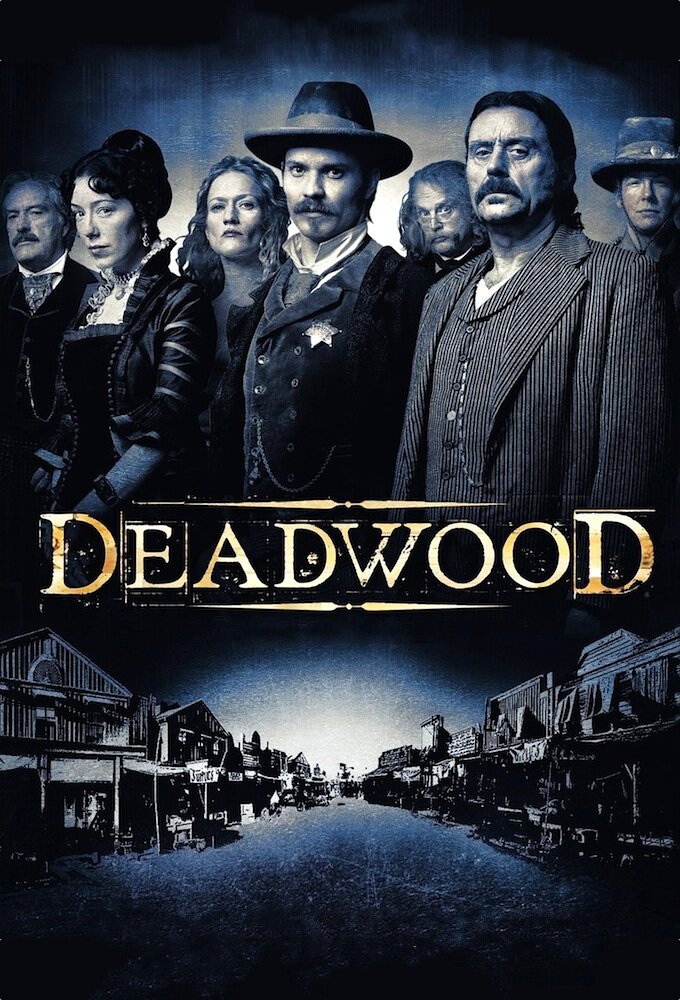
Deadwood2004
Both are about a lawless camp inventing order out of nothing — church, saloon, court — but Deadwood strips away Ford's romanticism to show the greed and brutality underneath the myth-making.
The same frontier-town-becomes-civilization story Clementine tells, except filthy, funny, and unflinching about what it actually took — one of the great TV Westerns, dialogue like Shakespeare wrote it drunk.
But Three seasons deep, relentlessly profane and violent — the tonal opposite of Ford's calm, stately restraint.
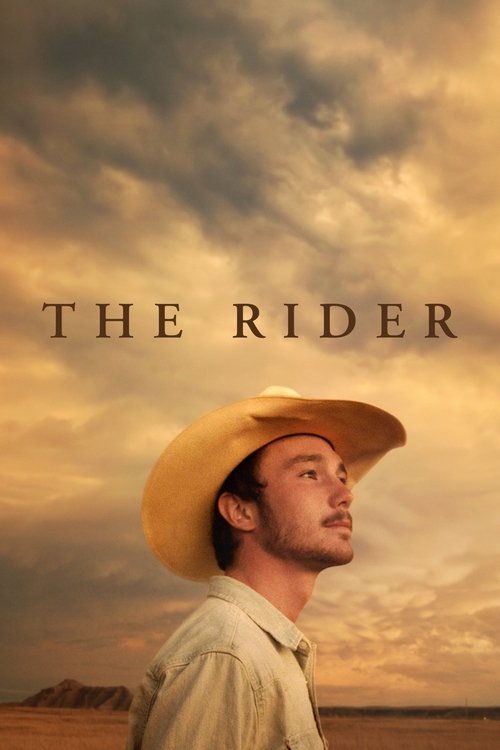
The Rider2018
Clementine is about the West being tamed into myth; The Rider is about ordinary people today still living inside that myth's wreckage, using real ranch hands instead of actors to close the gap between legend and life.
A real Lakota cowboy plays a version of himself after a rodeo injury threatens his identity — a quiet, aching film about what the cowboy myth costs the people living it now.
But No shootouts, no traditional plot — just a slow, tender character study that some will find too still.
People
Cast
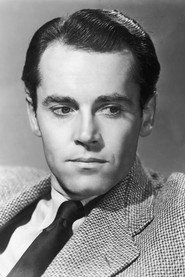 Henry FondaWyatt Earp
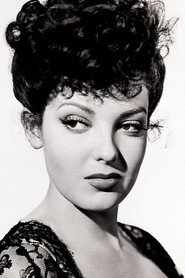 Linda DarnellChihuahua
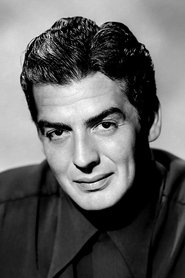 Victor MatureDr. John 'Doc' Holliday
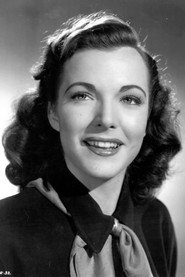 Cathy DownsClementine Carter
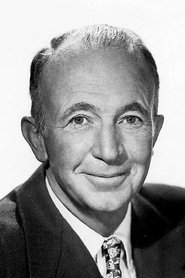 Walter BrennanOld Man Clanton
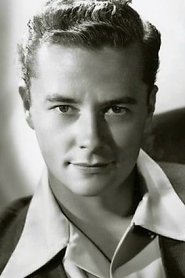 Tim HoltVirgil Earp
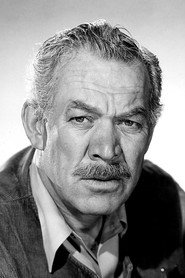 Ward BondMorgan Earp
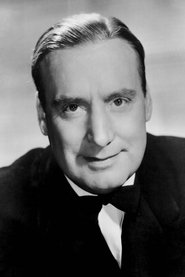 Alan MowbrayGranville Thorndyke
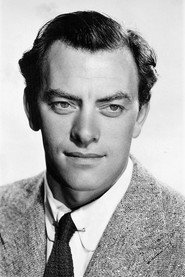 John IrelandBilly Clanton
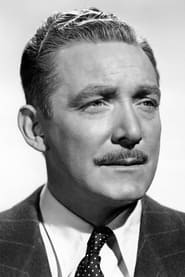 Roy RobertsMayor
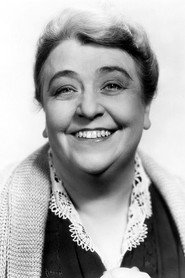 Jane DarwellKate Nelson
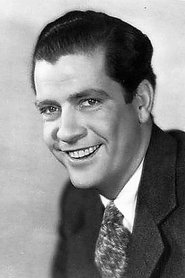 Grant WithersIke Clanton
Directing
- Edward O'FearnaAssistant Director
- William EckhardtAssistant Director
- Wingate SmithAssistant Director
- Lloyd BaconCo-Director
- John FordDirector
- Jack SonntagSecond Assistant Director
Writing
- Stuart N. LakeNovel
- Samuel G. EngelScreenplay
- Winston MillerScreenplay
- Sam HellmanStory
Production
- Ray C. MooreLocation Manager
- Samuel G. EngelProducer
- Raymond A. KluneProduction Manager
Recommended by
The Man Who Shot Liberty Valance, Tombstone, The Ox-Bow Incident, The Assassination of Jesse James by the Coward Robert Ford