
Film
Hell's Hinges
A 1916 Western where a hired gun sent to intimidate a preacher falls for the minister's sister instead, flipping the script on frontier morality. William S. Hart in raw, physical form, wrestling with conscience and desire across the dusty streets of Hell's Hinges. Genuinely moving beneath the action—a film about what civilization costs and what it saves.
Should you watch it?
Watch it if you love silent-era Westerns built on blunt moral lines, where a hard man's change of heart plays out in saloon brawls and bold, dusty images rather than in dialogue.
Skip it if you need subtle performances or a slow, talky build; the acting is broad, the intertitles do much of the work, and at barely an hour it moves quickly toward its climax.
What it asks of you: Patience with silent conventions: big gestures, printed title cards and a melodramatic rhythm, all packed into a short runtime that rewards a willingness to read the picture.
Not sure? Find tonight's pick in a minute.
If you liked this
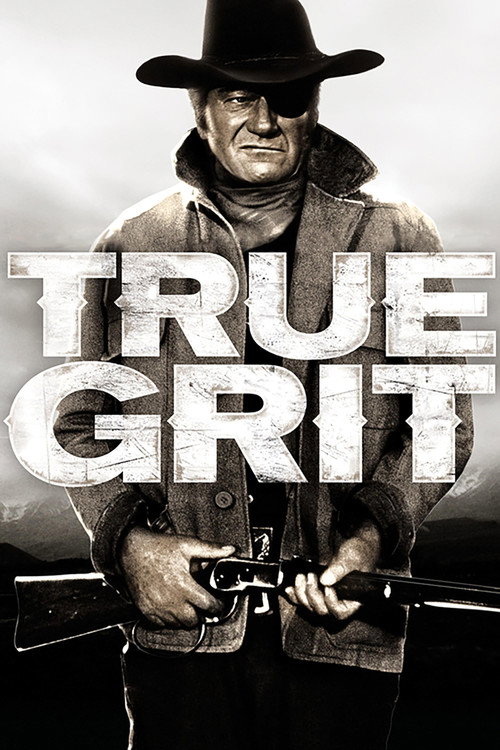
True Grit1969
John Wayne as a hard-bitten US Marshal, Mattie Ross as a girl who hires him to hunt her father's killer. The moral clarity, the odd-couple partnership, the earned redemption—all present and accounted for. A masterwork.
But The 1969 version can feel slow if you're expecting pure action. Some find Wayne's performance more mannered than natural.
The Ballad of Little Jo1993
A woman disguises herself as a man to survive in the Old West. It shares Hell's Hinges' interest in identity, morality, and the frontier as a place where people can be remade. Quietly radical.
But Austere and deliberately paced. Not interested in gunfights or typical Western spectacle—it's about survival and hard choice.

Johnny Guitar1954
A woman runs a saloon and stands against the town mob. Like Hell's Hinges, it's a Western that questions frontier orthodoxy and lets a central character undergo genuine transformation. Strange, operatic, unforgettable.
But The gender dynamics will seem odd if you expect traditional Westerns. The ending is abrupt. Some find it too stylized.

Not sure tonight? Get a pick in a minute, starting from Hell's Hinges
The wildcard
Something you would not have found on your own.
Sunrise: A Song of Two Humans1927
Both films center on a man pulled between corruption and love, and both argue that conscience and attachment to another person can literally save a soul from damnation.
Murnau's German Expressionist masterpiece: a man tempted to betray his wife and child, then redeemed through love. The visual language is utterly unlike Hell's Hinges, but the emotional and moral architecture is identical—temptation, crisis, the redemptive power of grace.
But It's a German Expressionist film from 1927 made by F.W. Murnau: the style is deliberately artificial, the acting broad, the world nightmarish. If you want realism you will not find it here.

More like this (8)
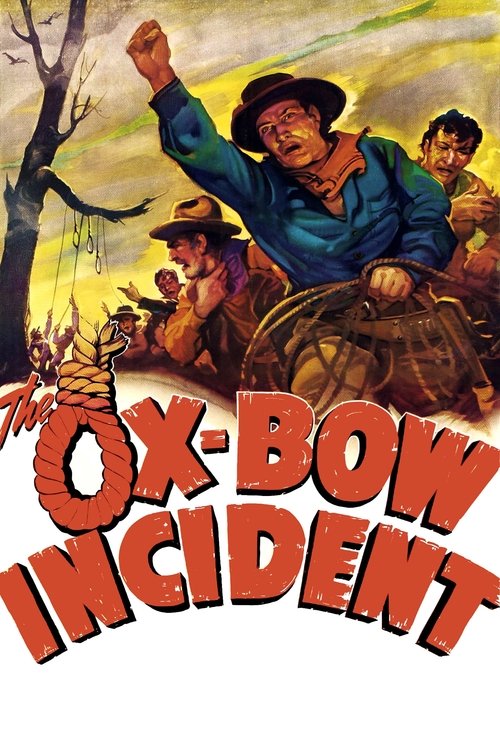
The Ox-Bow Incident1943
A lynch mob forms over a cattle theft. It's about how civilization crumbles and the role conscience plays—the same argument Hell's Hinges is making, but darker, more pessimistic, and devastating.
But It's a moral play, not an adventure. No heroics, no romance, no comfort. Relentlessly bleak.
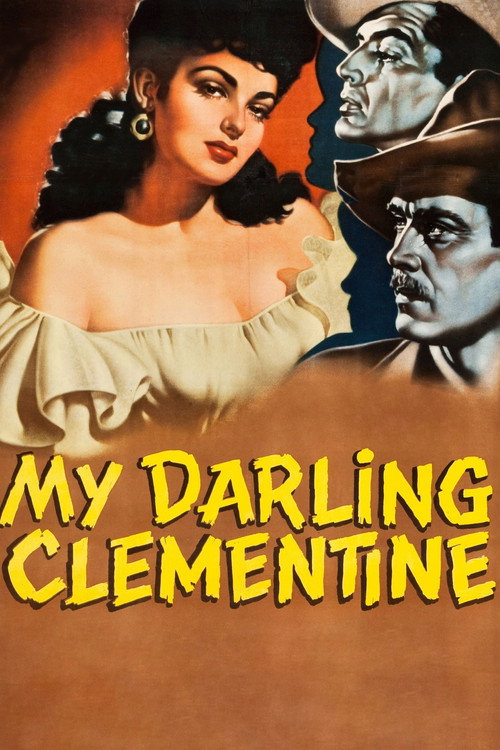
My Darling Clementine1946
Ford's Tombstone: order versus chaos, the individual conscience versus the mob. Fonda and Russell create real tenderness amid the violence. The Wyatt Earp legend stripped down to something humane.
But Extremely leisurely pacing. Many scenes of men just sitting and talking. Requires patience with Ford's rhythms.
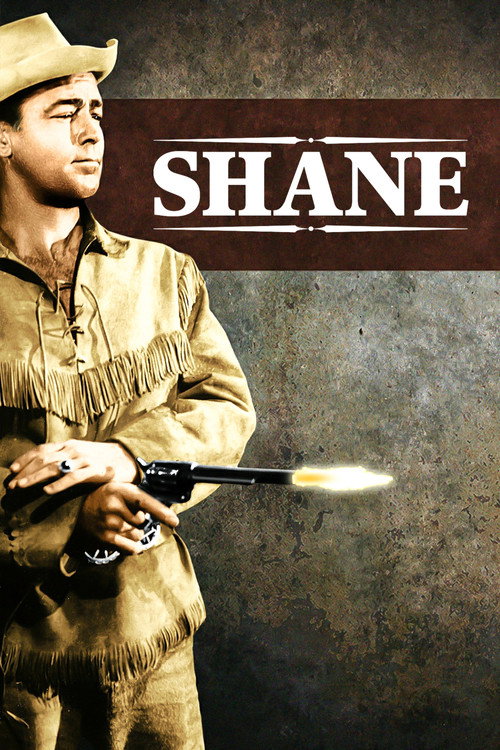
Shane1953
A gunslinger hired to protect a homestead, torn between violence and peace, between loyalty and self-preservation. The same spiritual crisis as Blaze Tracy faces, played out with beauty and heartbreak.
But The boy's adoration of Shane can feel maudlin. It's also very much a product of 1950s sentimentality about the frontier myth.
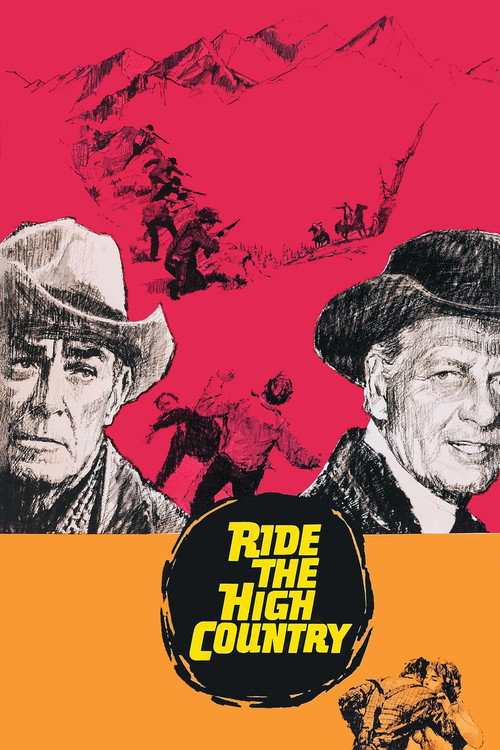
Ride the High Country1962
Two aging lawmen, one honest and one corrupted, take a job guarding a gold shipment. Peckinpah interrogates masculinity, loyalty, and the cost of staying true when the world moves on. Elegant and melancholy.
But Joel McCrea and Randolph Scott are familiar territory for some. The pacing is deliberate; action is sparse.
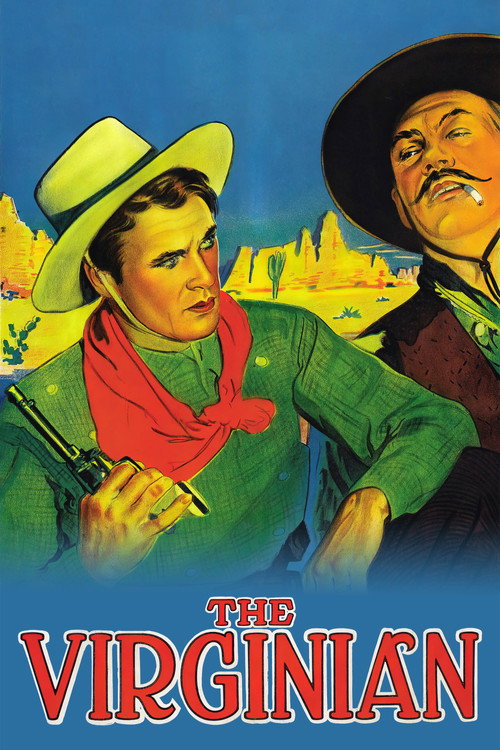
The Virginian1929
Gary Cooper as a ranch foreman who must choose between friendship and justice. It's one of the first sound Westerns and it grapples seriously with moral choice in ways that echo Hell's Hinges' concerns.
But It's almost a century old and shows it—dialogue can feel stiff, the romance subplot is thin. Silent-film acting still dominates some moments.
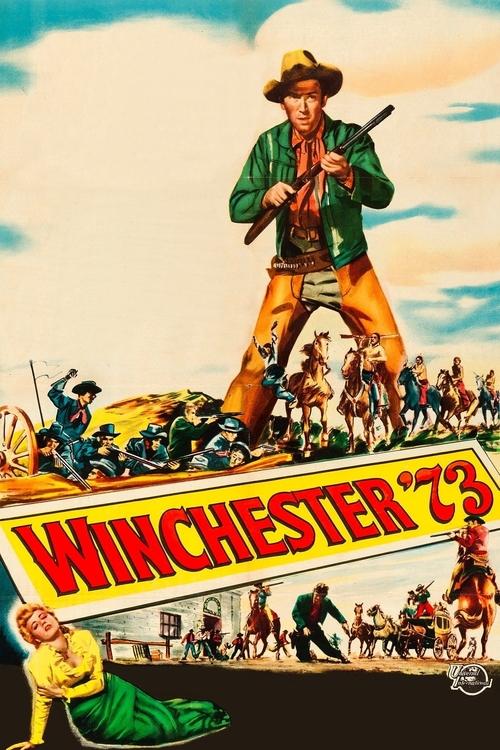
Winchester '731950
Anthony Mann and James Stewart made several revisionist Westerns; this one follows a rifle's journey and a man's obsession. It's darker than Hell's Hinges but shares the interest in how violence corrupts and how redemption is fragile.
But The plot is episodic and can feel scattered. Stewart's obsessive character is not always sympathetic, and the film doesn't soften that.
Stalker1979
Both films ask what happens when a person is tested by desire—will they choose the easy thing or the right thing? Both are fundamentally about whether faith and integrity can survive temptation.
Tarkovsky's science-fiction film follows a guide leading two men through a mysterious zone toward a room that grants wishes. It's meditative, philosophical, about faith and temptation and whether desire itself is corrupting. A completely different language, but the same question.
But It is very, very slow. No action, minimal plot, almost no dialogue for stretches. Three hours of men walking through grass. Requires genuine patience and surrender.

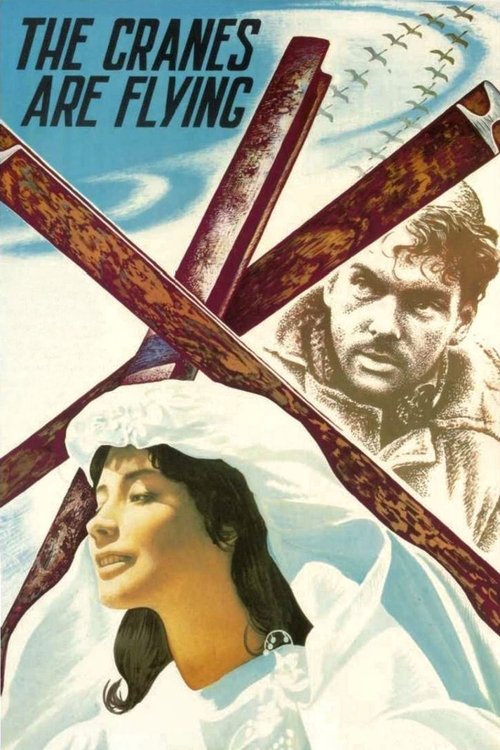
The Cranes Are Flying1957
Like Hell's Hinges, it's about a character standing at a moral crossroads—choosing between survival/pleasure and fidelity/integrity—and it treats that choice as literally life-and-death, not abstract.
Soviet film about a young woman separated from her lover by World War II, then drawn toward a corrupting affair with his cousin. It's a melodrama about choice and consequence, set in a world being unmade by history. The moral complexity is surprising and real.
But It's a Russian film from 1957, so expectations of pacing and style should adjust accordingly. The romance plot may feel overstated if you prefer restraint. Subtitled.
People
Cast
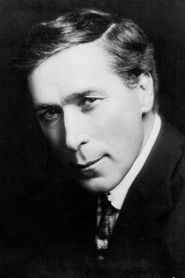 William S. HartBlaze Tracy
 Clara WilliamsFaith Henley
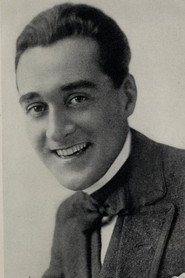 Jack StandingRev. Robert 'Bob' Henley
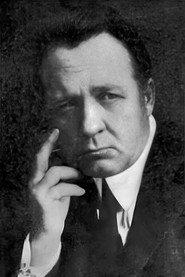 Alfred HollingsworthSilk Miller
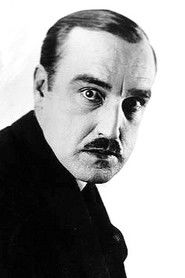 Robert McKimA Clergyman
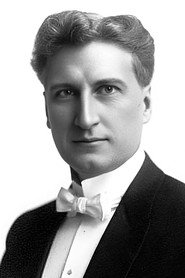 J. Frank BurkeZeb Taylor
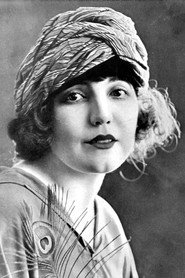 Louise GlaumDolly
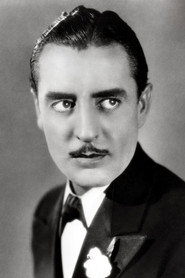 John GilbertRowdy Townsman (uncredited)
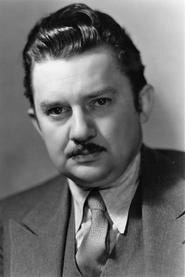 Jean HersholtBartender (uncredited)
 Fritz the HorseTracy's horse (uncredited)
 Bob KortmanRowdy Townsman (uncredited)
 Wheeler OakmanRowdy Townsman (uncredited)
Directing
- Charles SwickardDirector
Writing
- C. Gardner SullivanScreenplay
Production
- Thomas H. InceProducer
Recommended by
His Regeneration, The Squaw Man, #Love, White Lightning, The Great K&A Train Robbery, Chrome and Hot Leather, Tumbleweeds, Riders of the Purple Sage