
Film
The Great K&A Train Robbery
A 1926 silent Western where cowboy Tom Mix goes undercover to stop train robberies plaguing a railroad. Brisk and propulsive, it's pure stunt spectacle—Mix was famous for performing his own dangerous work, and it shows. For anyone who loves old Hollywood craft, early action cinema, or simply wants to see what the West looked like when movies were still finding their voice.
Should you watch it?
Watch it if you love silent-era westerns where the stunts and the galloping horse do the talking, and a hobo sidekick and a railroad caper sound like pure fun.
Skip it if you need modern pacing or sharp dialogue, since this is a brisk 52-minute silent picture with broad performances and creaky plot mechanics.
What it asks of you: Not much beyond patience with silent-film conventions. It is short, plays its action broadly, and rewards you for watching the body rather than reading the intertitles closely.
Not sure? Find tonight's pick in a minute.
If you liked this
The Phantom Carriage1921
A Swedish silent masterpiece about guilt, redemption, and the supernatural. Visually inventive in ways that still astonish, with emotional depth that transcends the era. It proves the 1920s could do profound.
But Black-and-white silent film with occasional intertitles moves at its own pace. The metaphysical plot requires patience and attention from modern viewers unfamiliar with the form.

Nosferatu1922
The grandfather of vampire cinema, with German Expressionist visuals that remain genuinely unsettling. Shadows and geometry do the work that CGI tries and fails to replicate. Essential horror history that actually horrifies.
But Silent film with jerky framerate and no score in most versions. The pacing is deliberate and strange; it doesn't feel like modern horror, and that takes adjustment.

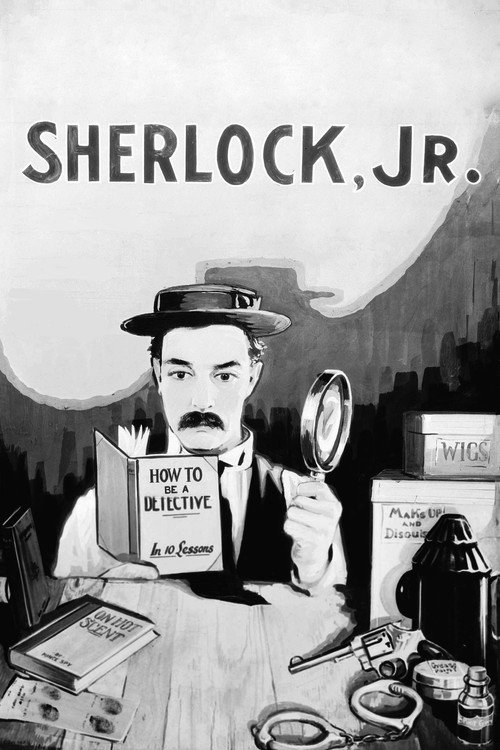
Sherlock Jr.1924
A comedian-stuntman at his absolute peak, performing impossible physical comedy with mathematical precision. The dream sequence alone revolutionized what film could do. Funny, audacious, and technically brilliant.
But Silent comedy means you're reading jokes as much as watching them. Some gags land softly by modern standards; the pace assumes you're watching closely, not half-listening.
Not sure tonight? Get a pick in a minute, starting from The Great K&A Train Robbery
The wildcard
Something you would not have found on your own.
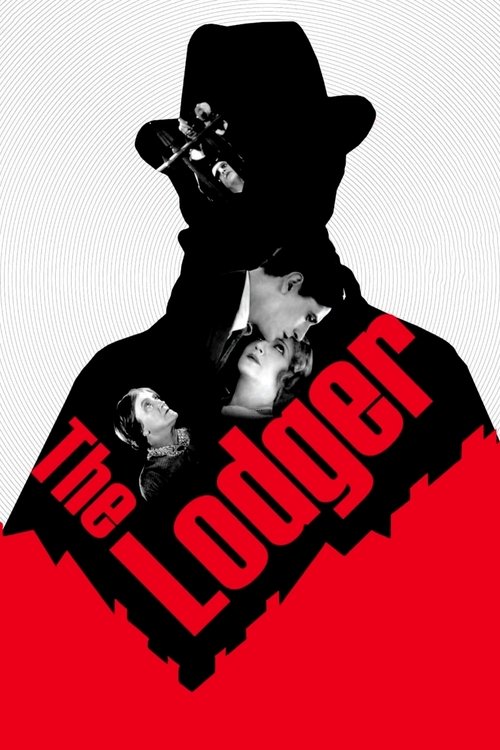
The Lodger: A Story of the London Fog1927
Both are 1920s action films where the hero must uncover deception and solve a crime. Both use performance and visual storytelling over exposition. Mix's undercover work parallels Hitchcock's exploration of hidden identity and suspicion.
Alfred Hitchcock's first thriller—a landlady suspects her new tenant of being Jack the Ripper. Tense, visually inventive, and psychologically astute. It shows Hitchcock inventing suspense cinema while the Western was still the dominant action form.
But Silent and deliberately slow, building dread rather than action. Modern viewers expecting plot momentum will find it patient to the point of stalling; the ambiguity may feel unresolved rather than sophisticated.
More like this (8)
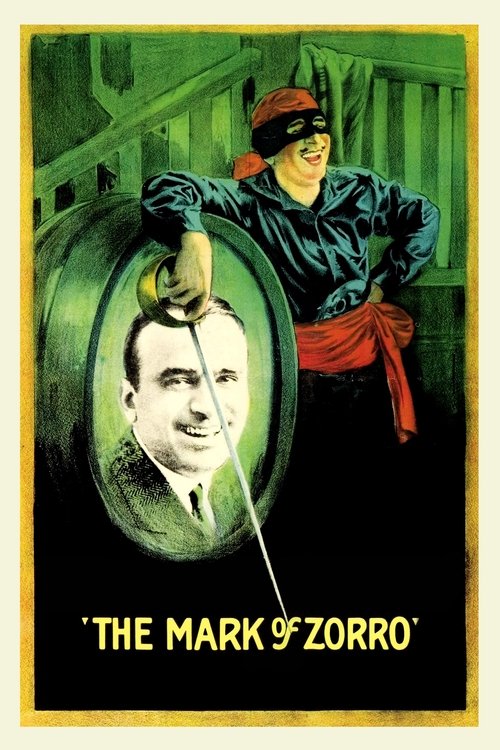
The Mark of Zorro1920
Douglas Fairbanks invents the superhero film—masked hero, double identity, swashbuckling action, moral clarity. It's the DNA for everything that came after. Utterly charming and surprisingly sophisticated about performance and deception.
But The melodrama is earnest and occasionally overwrought. If you can't embrace the theatrical intensity, the film's emotional beats will feel quaint rather than thrilling.
Sunrise: A Song of Two Humans1927
F.W. Murnau's masterpiece about a marriage threatened and restored. Technically revolutionary—moving camera, complex lighting, stunning set design—but driven by genuine tenderness. It's how you make beauty from heartbreak.
But Silent film with a slow, contemplative rhythm. The emotional register is vulnerability rather than action; it requires openness to feeling something quiet and old.

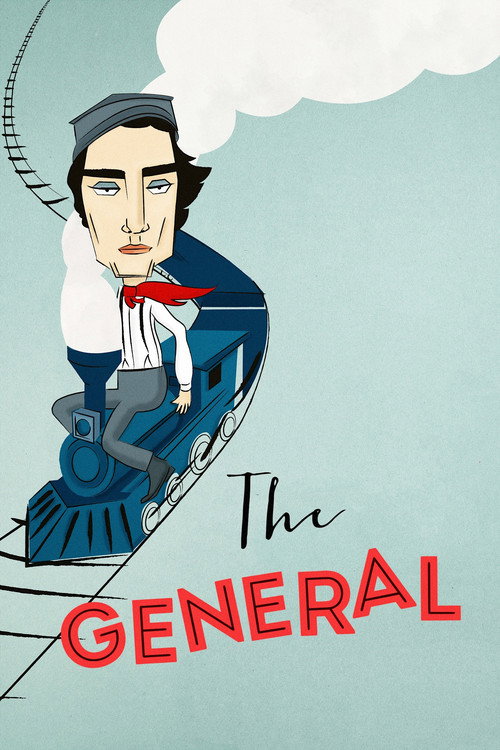
The General1926
Buster Keaton as a train engineer during the Civil War, performing impossible stunts with a locomotive. Comedy, action, and technical mastery in perfect balance. A film that still feels alive and inventive a century later.
But The Civil War setting and Keaton's deadpan style won't appeal to everyone. Some sight gags are dated; the pacing is patient, not punchy.
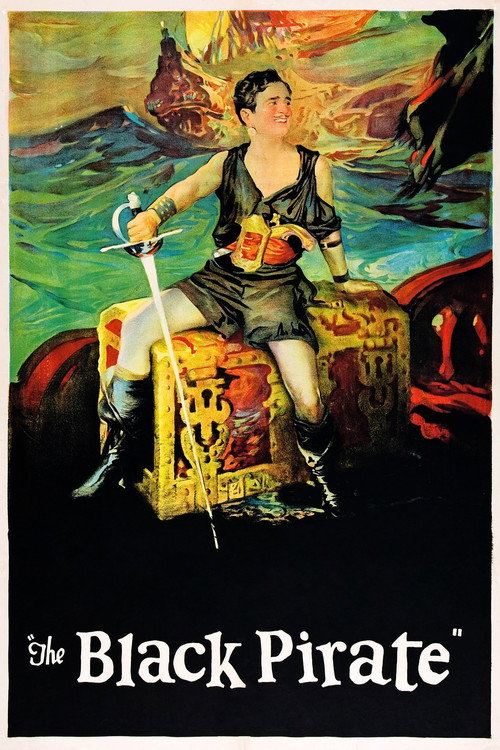
The Black Pirate1926
Douglas Fairbanks in Technicolor (rare for the era), doing shipboard acrobatics and sword-fighting with style. Pure adventure cinema—agile, confident, visually gorgeous for its time. A master performer showing you exactly what he can do.
But The plot is thin and the acting is theatrical. If you want narrative complexity, you're in the wrong film. It's a stunt reel dressed as a movie.
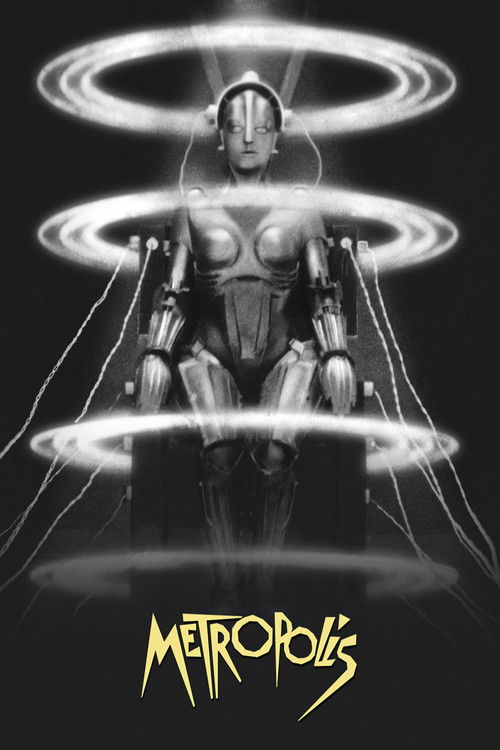
Metropolis1927
Fritz Lang's sci-fi epic about class warfare in a futuristic city. Architecturally stunning, thematically rich, and genuinely visionary. Even in fractured form, it's one of cinema's most important works and astonishingly ambitious.
But At over two hours, it's dense and sometimes slow. The restored version still has missing sequences. The dialogue (intertitles) can feel didactic; the pacing is operatic, not thrilling.
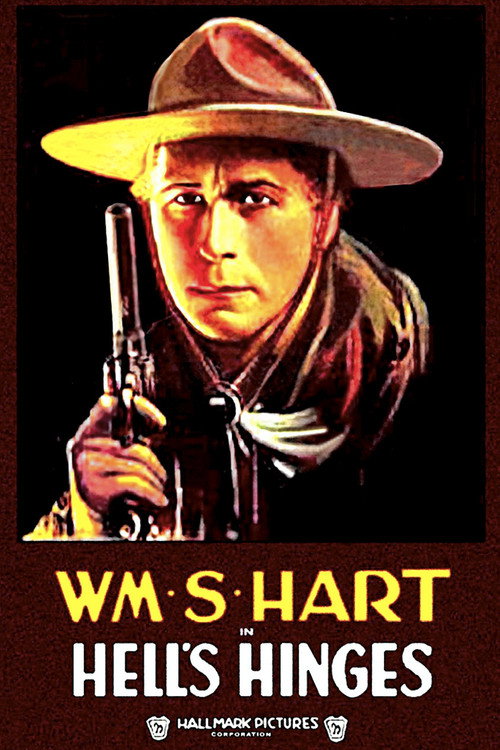
Hell's Hinges1916
William S. Hart as a outlaw redeemed by love—a Western with actual moral complexity and emotional stakes. Hart's naturalistic acting style feels almost modern. A surprisingly moving film hidden in the Western genre.
But At a decade older than most silent Westerns, the image quality is poor and the pacing plodding by comparison. The sentiment may feel excessive to contemporary eyes.
Man with a Movie Camera1929
Both celebrate human physicality and mechanical precision—Mix through stunt work, Vertov through editing and camera movement. Both are films *about* how bodies and machines interact, told through action rather than dialogue.
Dziga Vertov's Soviet documentary about a day in the city—no plot, no actors, just the machinery of urban life filmed with radical creativity. It's a symphony of movement, editing, and visual possibility. A genuine revolution in what cinema could be.
But Purely experimental with no narrative and no conventional arc. It demands active viewing and rewards it, but feels more like art installation than film. There is nothing to 'follow,' which alienates viewers wanting story.

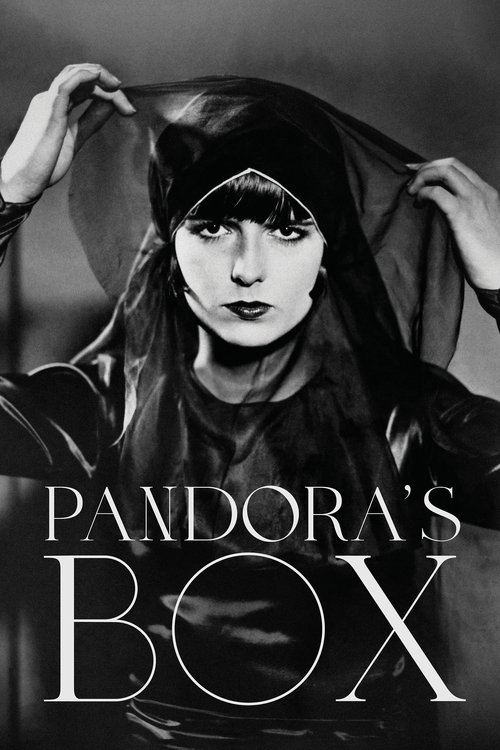
Pandora's Box1929
Where *The Great K&A Train Robbery* shows the hero restoring order through performance and deception, *Pandora's Box* shows deception and performance destroying order. Both use performance as the engine of the plot, but one is a morality tale and the other is a tragedy—radically different registers, same formal idea.
G.W. Pabst's Berlin-set tragedy about a woman whose sexuality destroys everyone around her. Louise Brooks is magnetic and tragic. It's decadent, erotic, and utterly devoid of moral judgment—the opposite of Hollywood's certainty.
But It's bleak and amoral in ways that feel almost hostile to optimism. The film doesn't resolve or redeem; it observes decline with something like aesthetic pleasure. That's not what most people want from cinema.
People
Cast
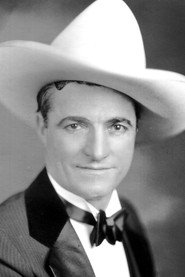 Tom MixTom Gordon
- Tony the HorseTony - Tom's Horse
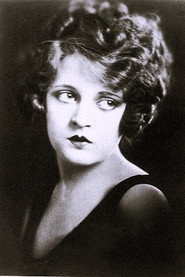 Dorothy DwanMadge Cullen
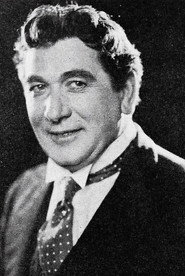 Will WallingEugene Cullen
- Harry GrippDeLuxe Harry
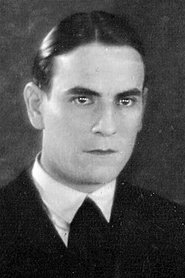 Carl MillerBurton Holt
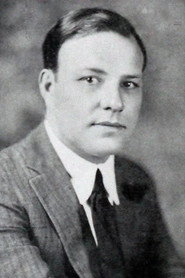 Edward Peil Sr.Bill Tolfree
- Curtis 'Snowball' McHenrySnowball
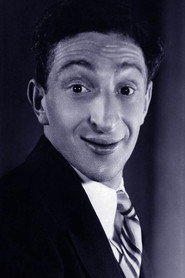 Sammy CohenMan in upper berth of train (uncredited)
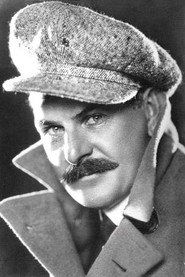 Duke R. LeeHenchman (uncredited)
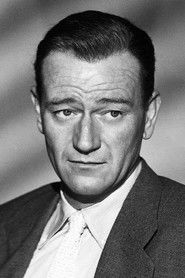 John WayneExtra (uncredited)
Directing
- Lewis SeilerDirector
Writing
- Paul Leicester FordNovel
- John StoneScenario Writer
Production
- Lewis SeilerProducer
Recommended by
The Adventures of Sherlock Holmes, The Gay Caballero, Man of the Forest, Riders of the Purple Sage