
Film
Riders of the Purple Sage
A 1925 silent Western about a Texas Ranger hunting for his abducted sister across dangerous frontier country. Tom Mix commands the screen with physical grace and moral certainty, though the narrative simplicity and theatrical conventions feel remote now. For silent-film enthusiasts and those curious about early Western iconography.
If you liked this
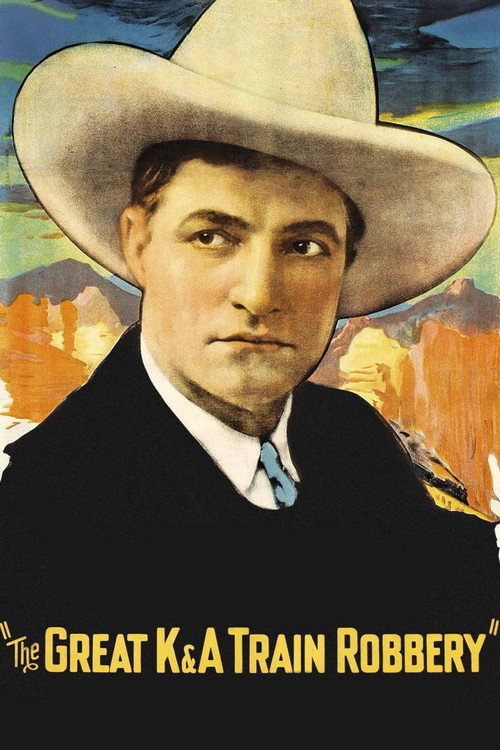
The Great K&A Train Robbery1926
A contemporary silent Western by the same studio, with Tom Mix again demonstrating why he was the era's biggest action star. Stunts that still feel dangerous decades later.
But The melodramatic plot around a stolen payroll feels thin by modern standards, and restoration quality varies wildly depending on which print you find.
The Phantom Carriage1921
A Swedish masterpiece that proves silent cinema could achieve genuine psychological depth and visual innovation. Influenced decades of genre work, including horror.
But It's glacially paced and heavy with existential dread—the opposite of a popcorn picture. Subtitles add cognitive load.

Tumbleweeds1925
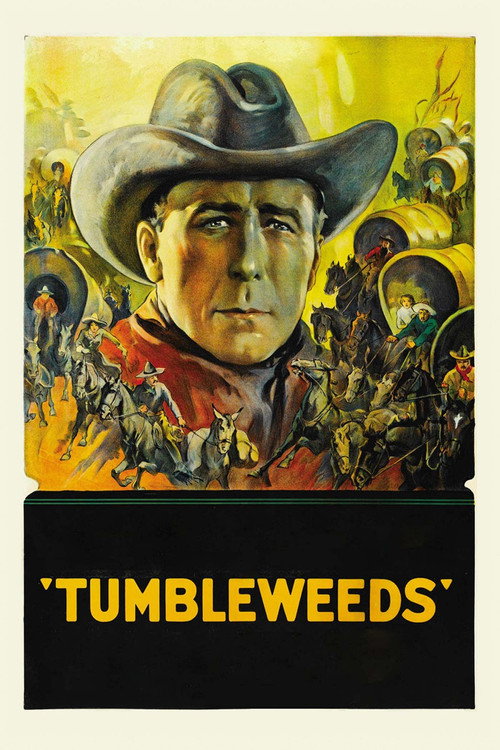
William S. Hart's final film, made the same year as *Riders*. A valedictory meditation on the West's ending, shot with real melancholy and compositional beauty.
But Hart was nearly 60 and no longer the action hero. The elegiac tone won't satisfy anyone looking for rousing adventure.
Not sure tonight? Get a pick in a minute, starting from Riders of the Purple Sage
The wildcard
Something you would not have found on your own.
Sunrise: A Song of Two Humans1927
Both are stories of moral temptation and spiritual redemption told through physical action rather than dialogue. Both hinge on whether a man will choose right or wrong under pressure.
F.W. Murnau's masterpiece uses the full vocabulary of silent cinema—shadow, geometry, movement—to tell a story of temptation and redemption. Watching it will rewire how you understand visual storytelling.
But It's set in a small town rather than the frontier, and it's a marriage drama, not an action picture. If you want plot, this will frustrate you.

More like this (8)
The Vanishing American1925
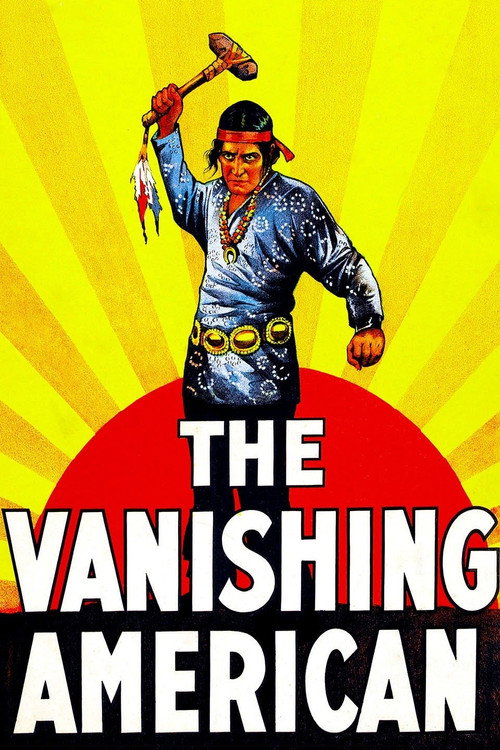
Another 1925 Western, but this one grapples seriously with the treatment of Native Americans. A surprising moral complexity from the period.
But The film's own racial attitudes are unavoidably of its time, which makes watching it complicated and occasionally uncomfortable.
The Iron Horse1925
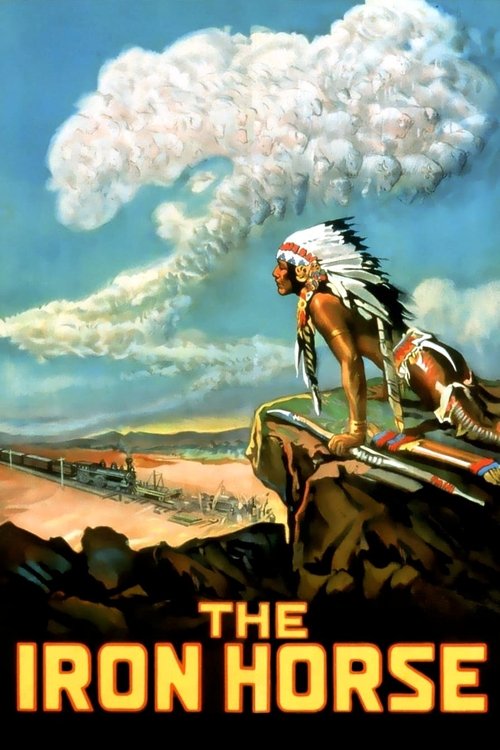
John Ford's epic about the transcontinental railroad. Vast landscapes, crowd scenes of genuine scale, and the kind of production value that silenced critics.
But At over two and a half hours, it moves like a train itself. Patience required; rewards not guaranteed.
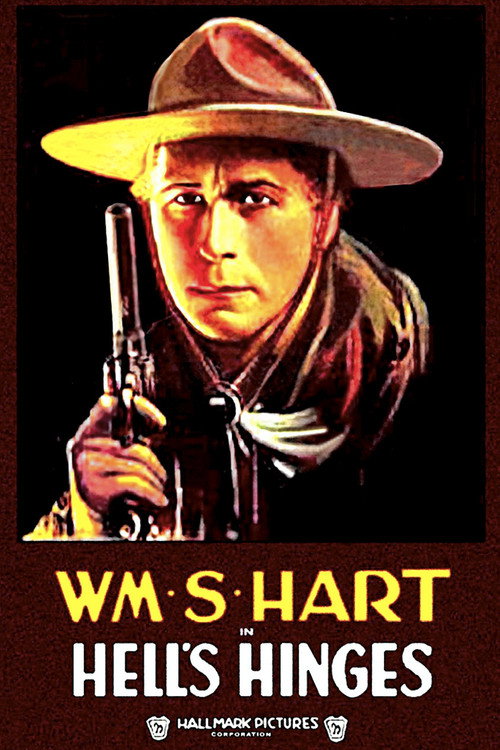
Hell's Hinges1916
William S. Hart in one of the best silent Westerns ever made. A genuinely violent story about a man finding redemption in a corrupt frontier town.
But The print quality is often poor, and the pacing assumes an audience willing to sit with long scenes of stillness and mood-building.
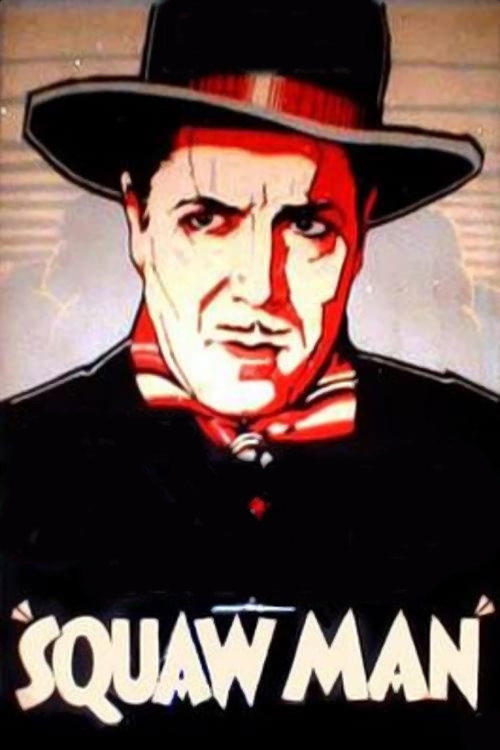
The Squaw Man1931
Cecil B. DeMille's third and final version of his own story—a Western that's also a meditation on race and belonging. Technically sophisticated for its era.
But The racial politics, even sympathetic for the time, now read as patronizing. The sound recording is notably harsh.
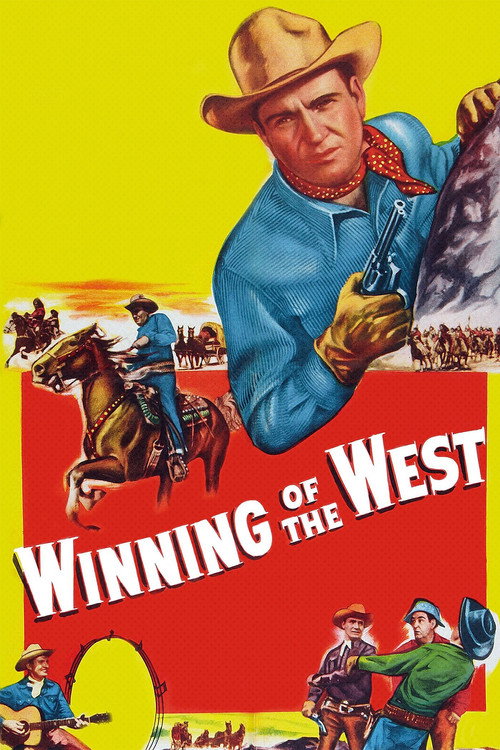
Winning of the West1953
James Arness in a solid early role for the actor who'd define TV Westerns. A competent, unpretentious film that knows what it is.
But It was made in the 1950s when the genre had already calcified into formula. There's nothing here you haven't seen before.
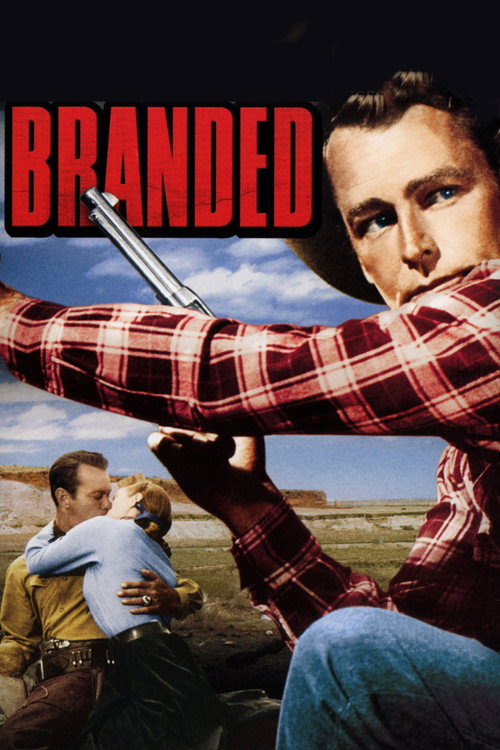
Branded1950
Joel McCrea as a man falsely imprisoned, seeking revenge and redemption in the West. A taut, well-made noir-inflected Western from the genre's late period.
But It plays it very safe. By 1950, McCrea was reliably competent but not electrifying, and the script shows its age.
Johnny Guitar1954
Both pit a righteous outsider against mob violence and corruption, but where Mix's ranger defeats evil through action and virtue, Ray's film suggests that moral clarity itself might be a delusion.
Nicholas Ray's 1954 Western radically inverts every convention—the hero is a woman (Joan Crawford), the love triangle has no men, and the whole film pulses with suppressed sexuality and psychological warfare.
But It's genuinely strange and refuses to perform the genre correctly. If you want a normal Western, this will seem perverse. It also divides critics sharply.

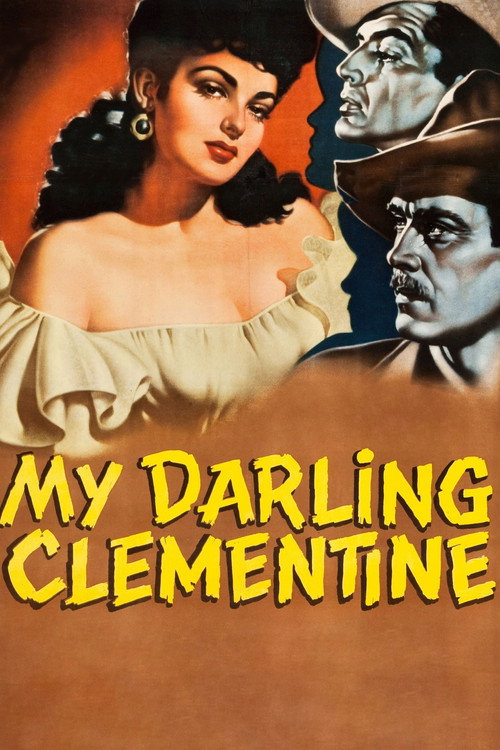
My Darling Clementine1946
Both end with a violent confrontation that should feel triumphant but instead feels elegiac—the death of an era. But Mix's film still believes in the happy ending, while Ford's does not.
John Ford's meditation on the OK Corral and frontier justice, shot in black and white with operatic beauty. A Western about the cost of civilization and the men left behind by it.
But It's elegiac and slow, more interested in atmosphere and moral ambiguity than in the gunfight everyone knows is coming. The climax is almost incidental.
People
Cast
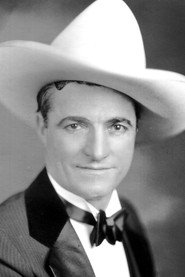 Tom MixJim Carson
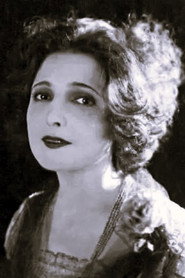 Mabel BallinJane Withersteen
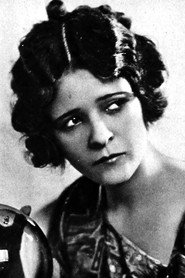 Beatrice BurnhamMilly Erne
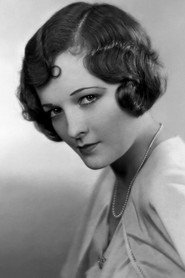 Marian NixonBess Erne
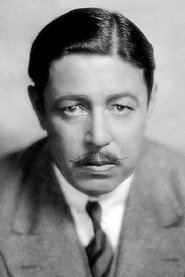 Warner OlandLew Walters aka Judge Dyer
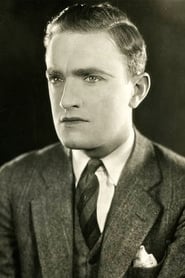 Harold GoodwinBern Venters
- Arthur MorrisonFrank Erne
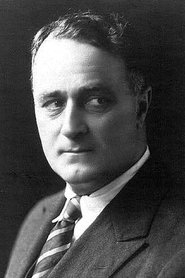 Wilfred LucasOldring
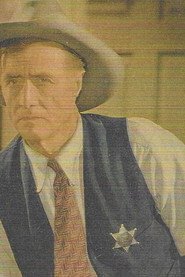 Charles Le MoyneRichard Tull
- Seessel Anne JohnsonBess as a Child
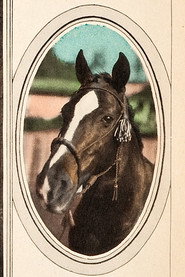 Tony the HorseTony
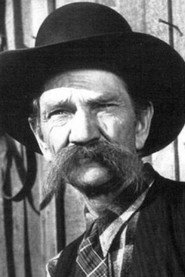 Hank BellBarfly
Directing
- Lynn ReynoldsDirector
Writing
- Zane GreyNovel
- Edfrid A. BinghamWriter