
Film
The Rainbow Trail
A 1925 silent Western following a man searching for his lost uncle in a hidden Utah valley, caught between outlaws and impossible choices. Tom Mix delivers the effortless physicality that made him a star—stunts feel lived-in rather than performed. It's a rescue story that trusts landscape and action over melodrama, ideal for anyone discovering what silent cinema could do before sound arrived to narrow the grammar.
If you liked this
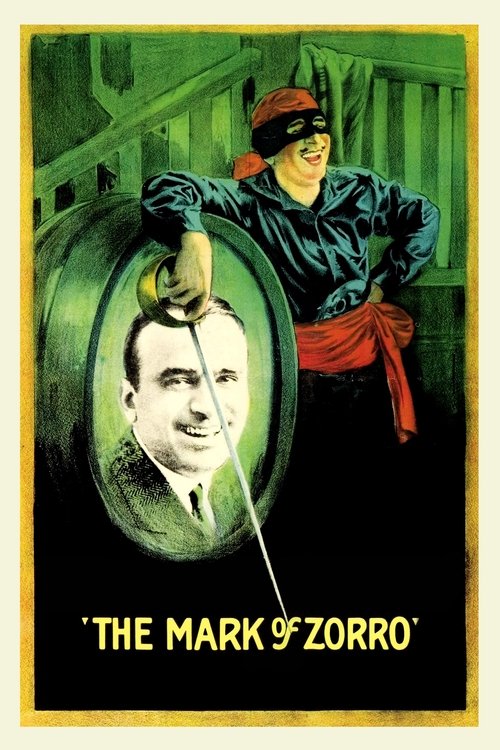
The Mark of Zorro1920
Douglas Fairbanks in peak form, inventing the masked-hero template with sword work and rooftop chases that still astonish. A film that moves like a dancer; silent action cinema at its most joyful and assured.
But The villains are cartoonish even by 1920 standards, and the romantic plot sits heavy in the middle when you'd rather watch Fairbanks improvise.
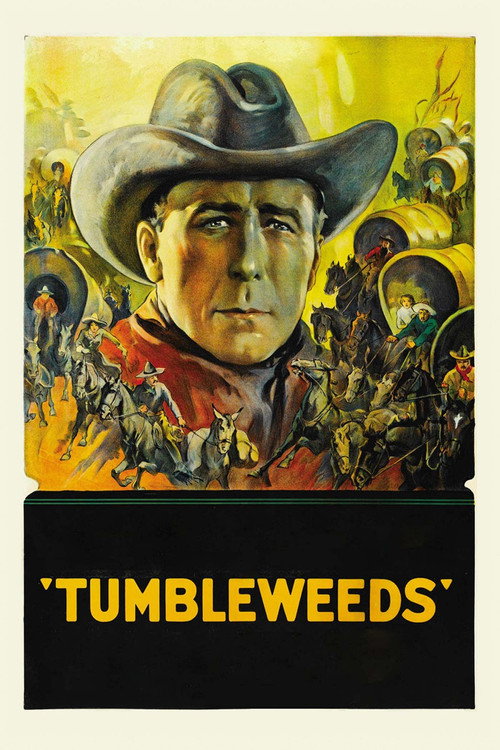
Tumbleweeds1925
Tom Mix's final silent film, made the same year as Rainbow Trail. A Western about the Oklahoma Land Rush that balances spectacle with genuine human stakes, shot with remarkable depth and clarity.
But Nearly three hours long, and the plot meanders once the initial rush sequence ends. Mix's persona can feel repetitive if you're watching multiple films in succession.
The Phantom Carriage1921
A Swedish masterpiece about guilt and redemption that proves silent cinema could do moral complexity. Ástor Lagerkrantz and Liliane Lilien give performances of bruised tenderness; the visual storytelling is incomparable.
But It's slow by design, and the supernatural elements may feel overwrought if you're not in the mood for Scandinavian melancholy.

Not sure tonight? Get a pick in a minute, starting from The Rainbow Trail
The wildcard
Something you would not have found on your own.
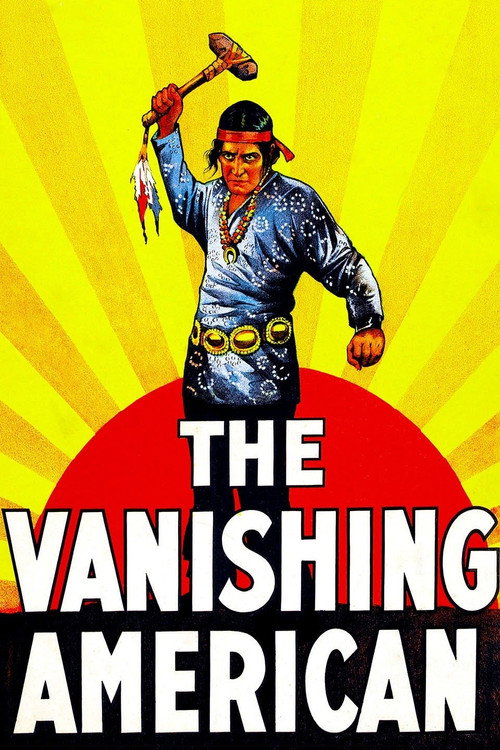
The Vanishing American1925
Both are Zane Grey adaptations from 1925 about landscape as destiny, but Vanishing American uses that landscape to tell a story of dispossession rather than rescue fantasy.
A Zane Grey Western that tackles Native American displacement head-on, centering a Navajo hero (played by Richard Dix) in a story about broken treaties and cultural survival. Made the same year as Rainbow Trail but operating in a different moral register entirely.
But The film wrestles with race in ways that are progressive for 1925 but still imperfect by modern standards. The romantic subplot undercuts the political power, and the ending softens what could have been a harder statement.
More like this (7)
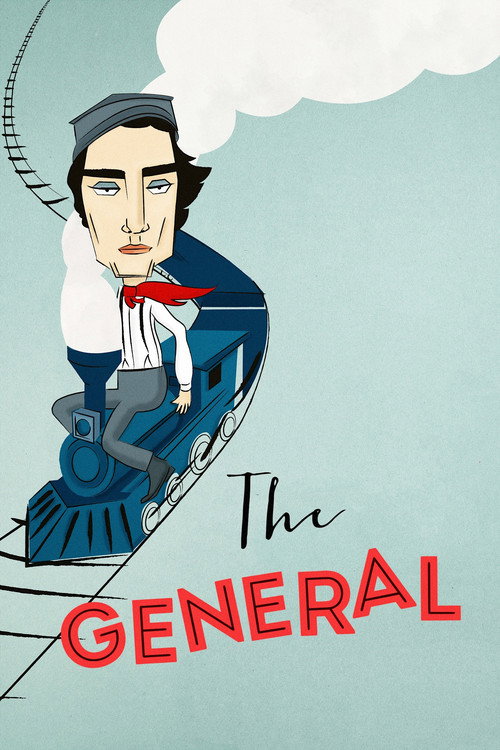
The General1926
Buster Keaton piloting a locomotive through the American Civil War with the precision of a master. Every frame is composed like a painting; every gag lands because it's rooted in physics and character, not mugging.
But Keaton's face is notoriously blank, and if deadpan doesn't work for you, you'll miss why the comedy matters. It can feel cold to viewers expecting warmth.
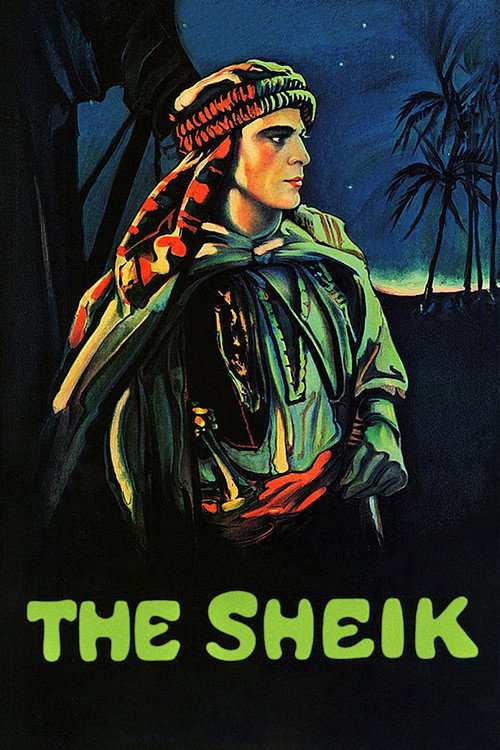
The Sheik1921
Rudolph Valentino at maximum intensity in a proto-action romance set in the North African desert. It's camp now, but it's *meant* to be seductive and dangerous; the film understands its own absurdity and leans into it.
But The sexual politics are dated in ways that can feel queasy even as satire. Pacing drags in Act Two while plot machinations resolve themselves.
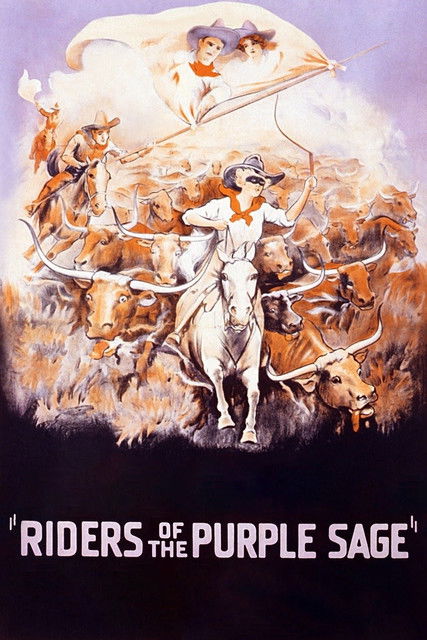
Riders of the Purple Sage1925
Another Zane Grey adaptation with Tom Mix, showcasing the landscape and his gift for physical storytelling. A revenge Western with genuine stakes and a hero who isn't sure he deserves redemption.
But If you've seen one Mix Western, the formula becomes visible—the good man tested, the outlaw neutralized, the girl waiting. It doesn't deviate much from that template.
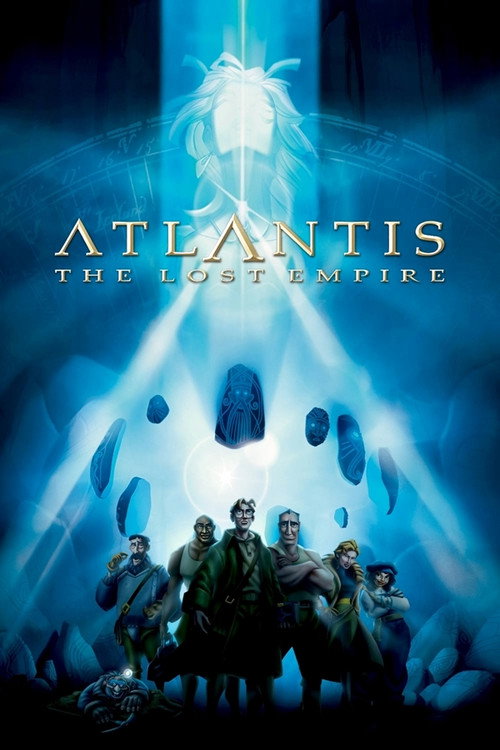
Atlantis: The Lost Empire2001
A German disaster epic that reconstructs the Titanic wreck with startling ambition, years before Cameron. The scale is genuine, the crowd work is orchestral, and the ship sinking still devastates because the film earns the emotion.
But Running 90 minutes, it moves slowly by modern standards, and the melodrama can feel overwrought. The acting style is theatrical in ways some find exhausting.
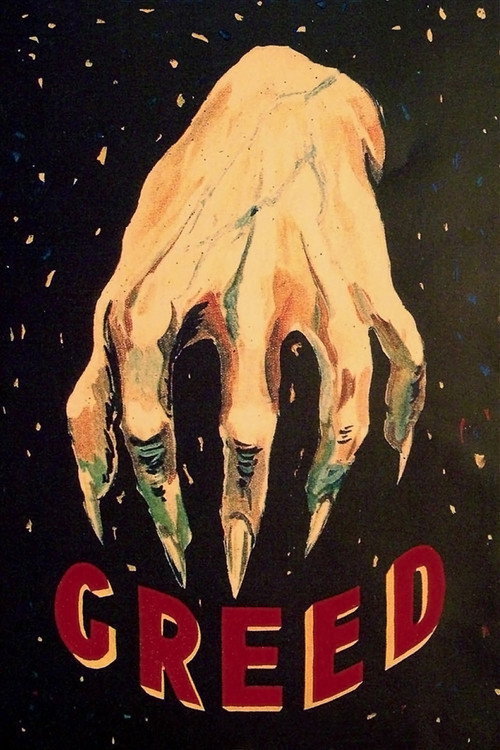
Greed1924
Erich von Stroheim's masterpiece about obsession and marriage's dissolution, shot with documentary realism and geometric precision. Watching it is like looking into a wound; cinema has rarely done human degradation so honestly.
But It's deliberately ugly and unpleasant, three hours of watching decent people corrode. The pacing is glacial and the ending offers no catharsis, only inevitability.
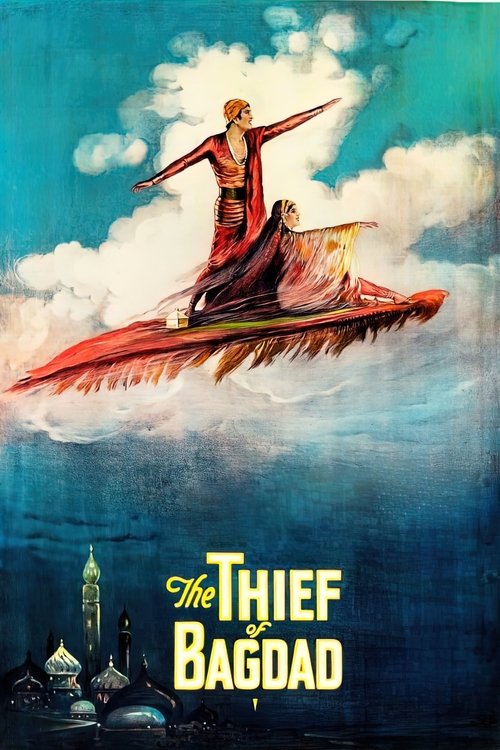
The Thief of Bagdad1924
Douglas Fairbanks in a fantasy adventure with production design that influenced every fantasy film after. It's playful and visually gorgeous, a reminder that silent cinema didn't need dialogue to create wonder.
But The 'exotic' setting relies on orientalist tropes that age poorly. The plot is gossamer-thin and the film coasts on spectacle rather than story.
Sunrise: A Song of Two Humans1927
Both center on a hidden or isolated place—the valley, the farm—as a moral space threatened by outside corruption. But Sunrise urbanizes the conflict, making the real danger not outlaws but desire itself.
F.W. Murnau's masterpiece about temptation and reconciliation, where the city seduces a man away from his wife and farm. Shot with German expressionist language—shadow, distortion, montage—it transforms a small story into metaphysical drama.
But It's relentlessly stylized and can feel mannered. The woman's infidelity goes unjudged in a way that may feel morally slippery; the film's forgiveness is automatic rather than earned.

People
Cast
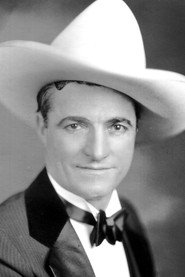 Tom MixJohn Shefford
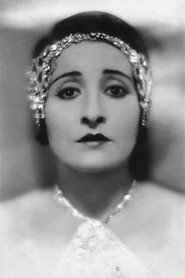 Diana MillerAnnie
 Anne CornwallFay Larkin
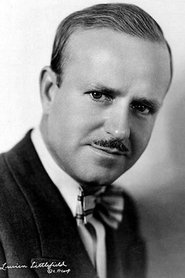 Lucien LittlefieldJoe Lake
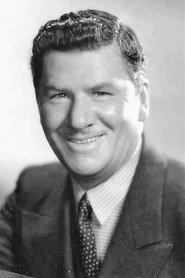 George BancroftJake Willets
- Thomas DelmarVenters
 Vivien OaklandBessie Venters
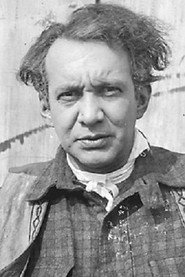 Fred DeSilvaShadd
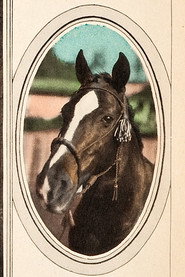 Tony the HorseJohn's Horse
Directing
- Lynn ReynoldsDirector
Writing
- Lynn ReynoldsAdaptation
- Lynn ReynoldsScreenplay
- Zane GreyStory