
Film
The Vanishing American
A 1925 Western centered on Navajo life and dignity, shot on location with authentic tribal involvement. *The Vanishing American* is a rare silent-era film that treats its Native American subjects as protagonists rather than obstacles, offering genuine insight into reservation life and the systemic injustice its people faced. It's patient, visually striking, and morally serious in ways that feel ahead of its time.
If you liked this
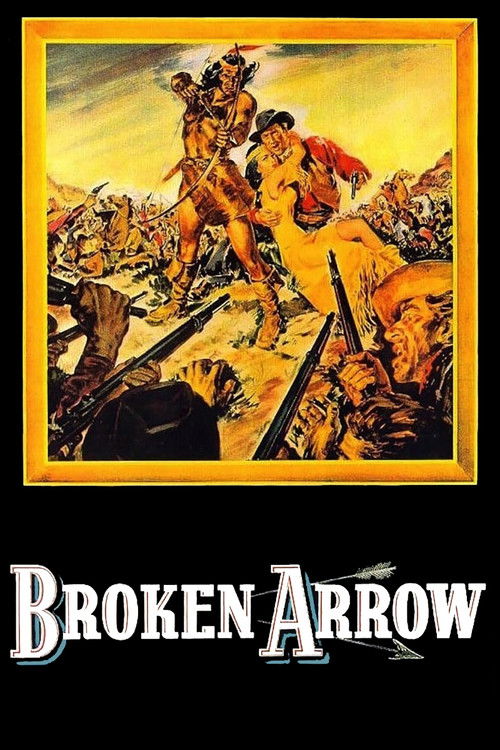
Broken Arrow1950
James Stewart plays an Apache leader in this revisionist Western that challenges the genre's casual racism. It's entertaining adventure that also asks its audience to see Native Americans as fully human—radical for 1950, and still effective.
But The film still operates within Hollywood conventions and Stewart's character gets more screen time than the Apache perspectives. Some of the mythology is flattened for mainstream consumption.
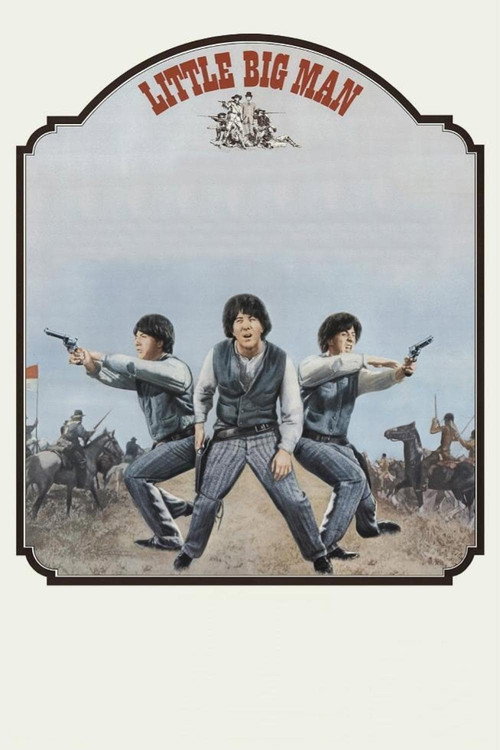
Little Big Man1970
Dustin Hoffman's picaresque journey through the Old West becomes a savage critique of American expansion and genocide. It's funny and heartbreaking by turns, formally inventive, and genuinely angry beneath the comedy.
But The tonal shifts between satire and tragedy can feel jarring. Some of the humor lands harder on modern sensibilities than others, and the runtime is substantial at 139 minutes.
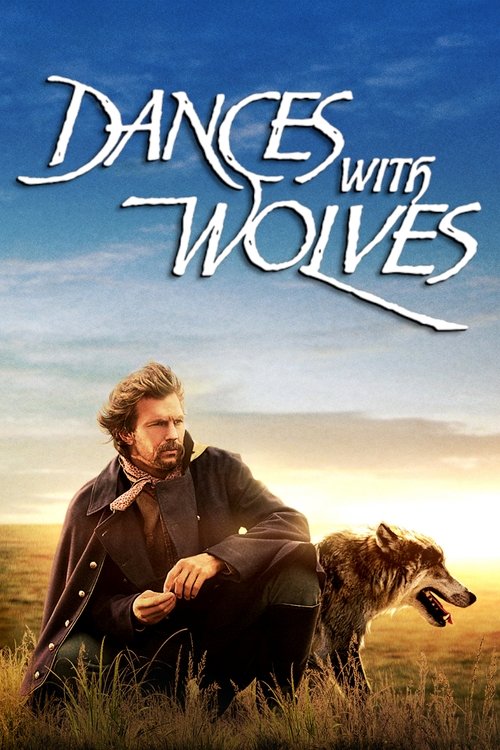
Dances with Wolves1990
Kevin Costner's epic takes the time to show Lakota life, language, and community as intricate and beautiful. The battle sequences are stunning, but what lingers is the depth of connection between cultures and the tragedy of inevitable loss.
But Costner's character remains the emotional center, so it's still somewhat a white man's perspective on Indigenous experience. The length—over three hours—requires commitment.
Not sure tonight? Get a pick in a minute, starting from The Vanishing American
The wildcard
Something you would not have found on your own.
The Ballad of Little Jo1993
Both films center on characters who exist outside the dominant power structure—one through tribal identity, one through gender masquerade—and examine how institutions try to erase or assimilate them.
A woman passes as a man in the Old West to survive as a landowner. It's visually austere, quietly radical, and driven by Suzy Amis's controlled performance. The film asks what freedom costs and who gets to claim it.
But It's deliberately slow and unsentimental. There's no catharsis or redemption arc; it's a film about survival that refuses easy emotion.

More like this (7)
Johnny Guitar1954
Nicholas Ray's fever-dream Western is genuinely strange: a woman rancher stands against a lynch mob, gender roles are inverted, and the violence is operatic. Joan Crawford is formidable; the whole film feels like a fever dream.
But It prioritizes mood and strangeness over plot clarity. Some viewers find it confusing rather than intriguingly weird, and the pacing is deliberately slow.

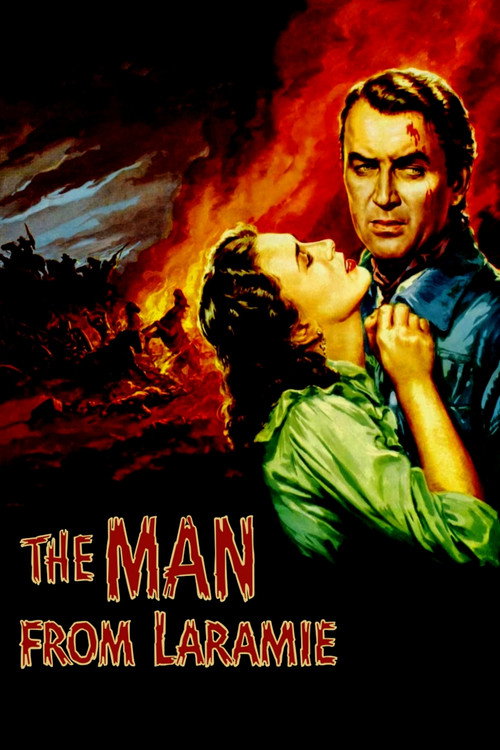
The Man from Laramie1955
Anthony Mann's Western is a tense, complex thriller about masculinity and revenge, with James Stewart and Lee Van Cleef delivering performances that cut deep. The landscape becomes a character itself; the emotional stakes feel genuinely precarious.
But It's darker and more psychologically wound than traditional Westerns. The violence, while not graphic by modern standards, is purposeful and sometimes difficult to watch.
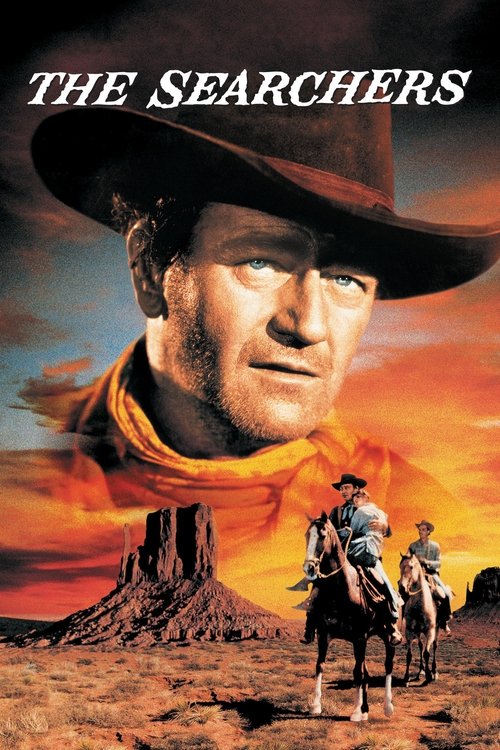
The Searchers1956
John Ford's masterpiece follows an obsessed man hunting across Monument Valley in stunning VistaVision. John Wayne delivers the best performance of his career; the film's moral complexity has deepened with time.
But It's long, methodical, and can feel glacial in pacing. Wayne's character is deeply flawed and driven by racism, which—while the point—makes him hard to root for throughout.
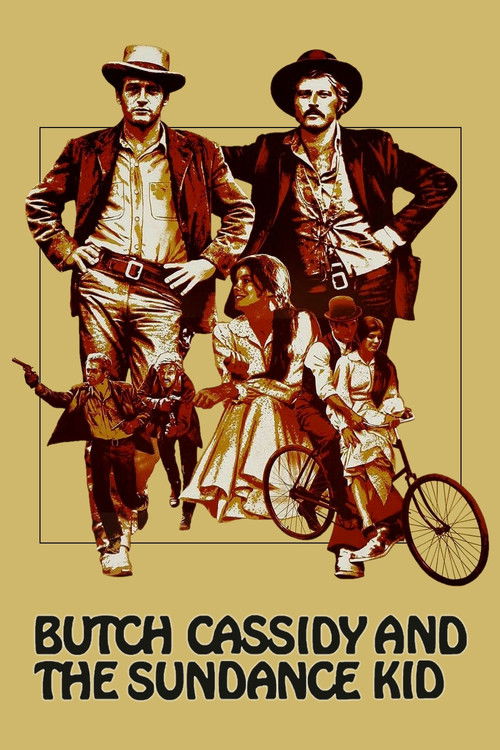
Butch Cassidy and the Sundance Kid1969
Newman and Redford crackle with charm and wit in this revisionist Western that plays the outlaws as charismatic underdogs. It's funny, moving, and looks beautiful; the tone is light without feeling frivolous.
But The charm can feel like it's avoiding deeper questions about violence and consequence. It's a caper film more than a serious examination of the era.
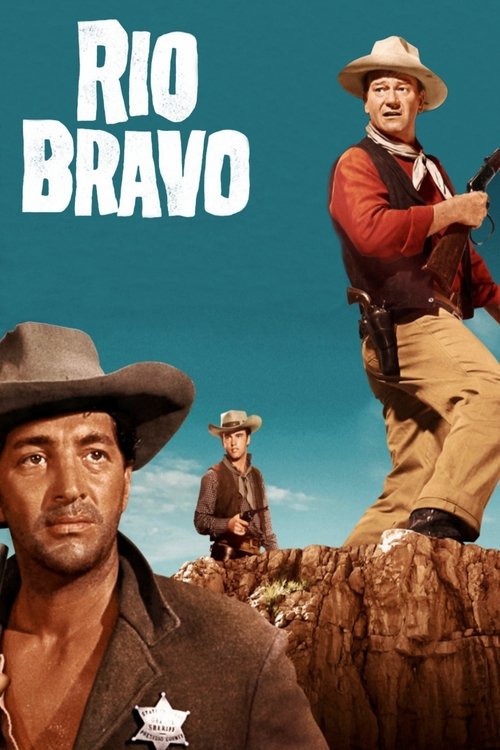
Rio Bravo1959
Hawks' Western is a siege film in disguise: John Wayne and a ragtag crew defend a jail against overwhelming odds. It's economical, witty, and uses confined space to build tension; the camaraderie feels earned.
But The story is minimal and the pacing is deliberate. It's less interested in plot momentum than in character interaction, which can feel slow to viewers wanting action.
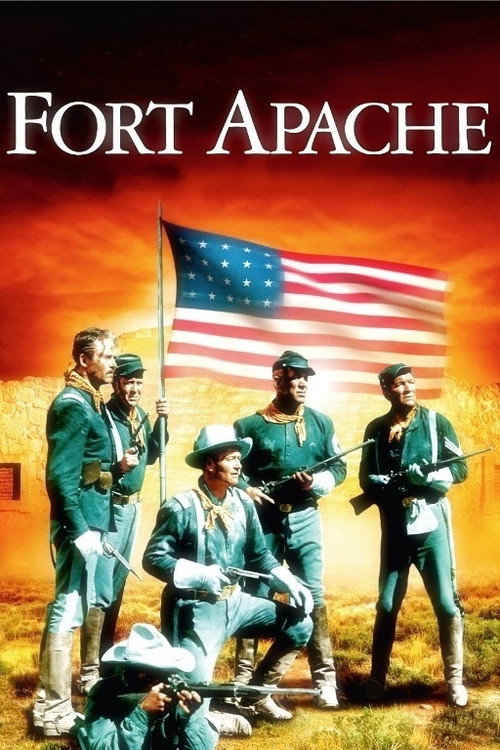
Fort Apache1948
John Ford's meditation on military honor and Apache resistance is formally brilliant and troubling. Henry Fonda commands the screen; the ambiguity about who the real villain is stays with you.
But The sympathies are complicated and the Apache perspective is still limited by the era. Some of the racial attitudes embedded in the film are uncomfortable even as the film criticizes them.
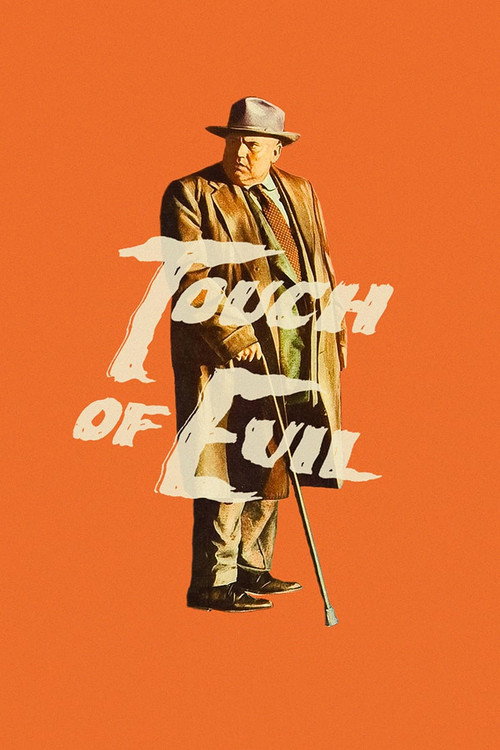
Touch of Evil1958
Both examine how institutional power corrupts and crushes the vulnerable. *Touch of Evil* brings noir fatalism to the border; *The Vanishing American* brings moral seriousness to the reservation. Both ask whether justice is possible when the system is rigged.
Welles' noir masterpiece is about corruption and moral compromise at the US-Mexico border. The opening shot is one of cinema's greatest achievements; the film is formally audacious and morally murky in ways that haunt you.
But It's not a Western and its structure is deliberately fragmented. The racial politics are complex and sometimes troubling; it's a film about power imbalances, not resolution.
People
Cast
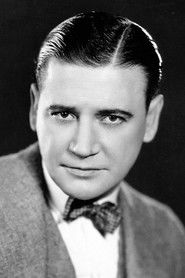 Richard DixNophaie
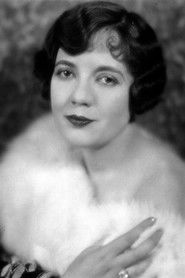 Lois WilsonMarion Warner
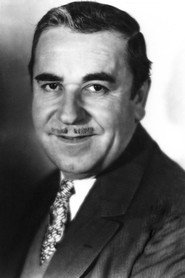 Noah BeeryBooker
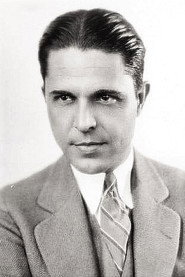 Malcolm McGregorEarl Ramsdale
- NockiIndian Boy
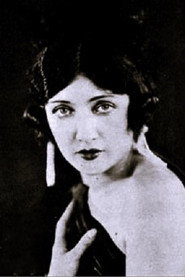 Shannon DayGekin Yashi
 Gary Cooper(uncredited)
Directing
- George B. SeitzDirector
Writing
- Lucien HubbardAdaptation
- Zane GreyNovel
- Ethel DohertyWriter
Recommended by
The Last Outlaw, The Patent Leather Kid, Man of the Forest, The Rainbow Trail, Riders of the Purple Sage