
Film
Tumbleweeds
A 1925 silent Western where William S. Hart plays a hardened cowboy chasing land and love during the Oklahoma land rush. It's a lean, muscular film—Hart was a genuine star of the form, and this captures the mythology of the frontier with surprising emotional weight. For anyone curious about what Westerns were before the genre calcified into convention, or who appreciates the physicality of silent cinema.
If you liked this
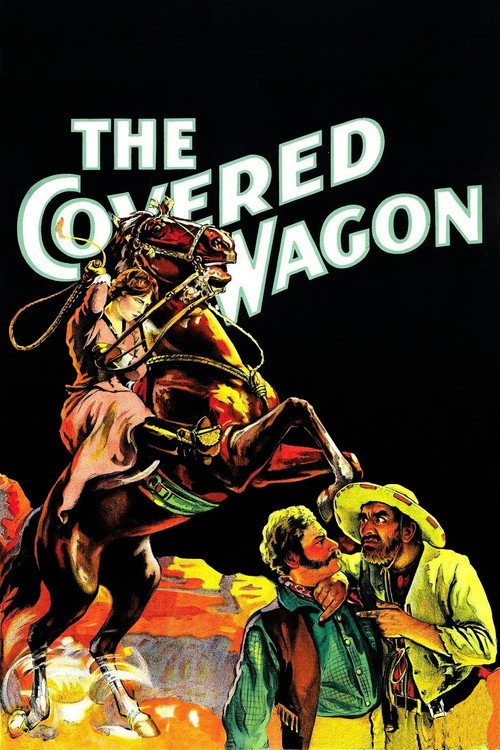
The Covered Wagon1923
An epic land-rush narrative that shares Tumbleweeds' fascination with frontier settlement, but on a grander scale. James Cruze's direction captures the scope and human cost of westward expansion with real sophistication for the period.
But Runs over three hours and moves at silent-film pace. The romance subplots can feel thin compared to the spectacle, and some attitudes toward Indigenous peoples are dated even for 1923.
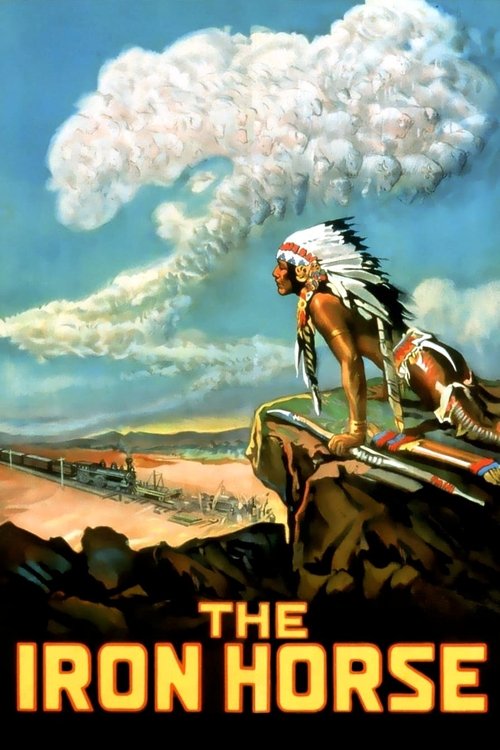
The Iron Horse1925
John Ford's masterpiece about the transcontinental railroad, made just a year before Tumbleweeds. A Western epic with documentary precision and genuine emotional stakes. Ford understood how to make landscape and labor feel heroic without false sentiment.
But Silent, and quite long. The plot meanders deliberately—if you want a tight narrative, this rewards patience in a way that might feel like work.
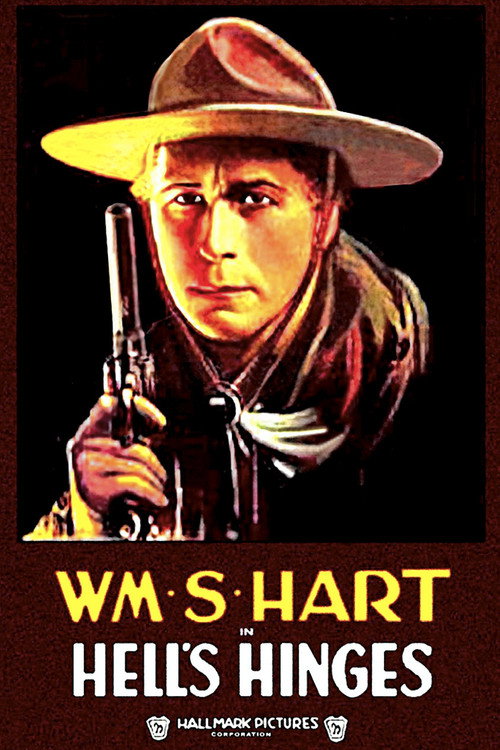
Hell's Hinges1916
An earlier Hart vehicle that defined the gunslinger-with-a-conscience archetype. Rougher and darker than Tumbleweeds, it shows Hart's gift for playing men caught between civilization and their own nature. Essential for understanding his whole project.
But Even more primitive technically than Tumbleweeds, and genuinely brutal in places. The pacing feels fractured to modern eyes—less a story than a series of confrontations.
Not sure tonight? Get a pick in a minute, starting from Tumbleweeds
The wildcard
Something you would not have found on your own.
Sunrise: A Song of Two Humans1927
Both films use the frontier or rural space as a test of character and commitment. Both ask whether a man can choose domesticity over his nature. But Murnau goes inward where Hart goes outward—it's the same question posed as tragedy instead of action.
F.W. Murnau's masterpiece about temptation, rural life, and the fragility of love. Like Tumbleweeds, it uses the landscape as a character and asks whether civilization can hold people who are drawn to wildness. The visual poetry is staggering.
But It's German Expressionism applied to an American story—it looks and feels nothing like Tumbleweeds. The emotional register is anguish rather than adventure. If you want Western action, this is the opposite.

More like this (8)
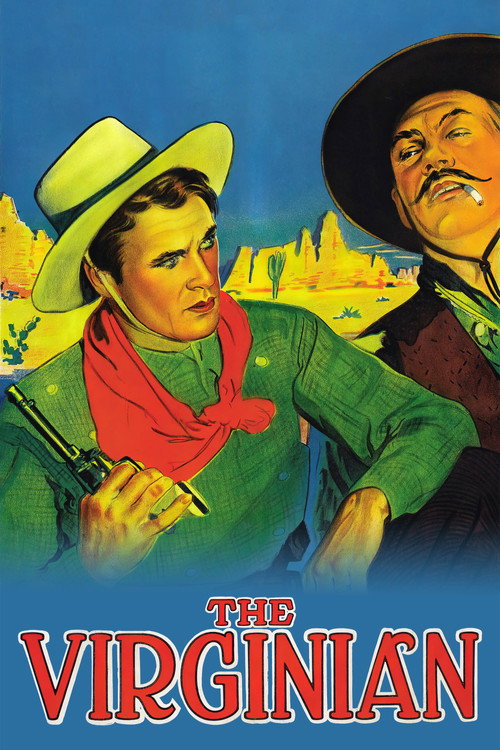
The Virginian1929
Gary Cooper in the role Hart might have played a generation earlier—a Western about honor and restraint from a man who understands that code intimately. Still silent, but made with all the technical confidence of the late silent era.
But The moral framework is stuffy by today's standards. You have to buy into a code of masculine restraint that can read as pretentious if you're not in the right mood.
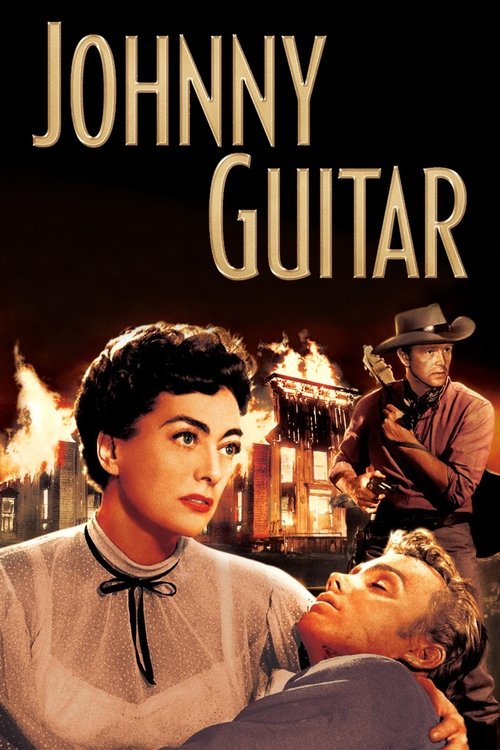
Johnny Guitar1954
Nicholas Ray's radical rethinking of the Western, with Joan Crawford as a saloon owner and gunfighter. A direct line from Hart's tough, unsentimental frontier types, but remade strange and baroque and concerned with gender in ways Hart's era never could be.
But It's maximalist and sometimes overwrought. The plot is secondary to mood and iconography. If you want a conventional Western narrative, you won't find it here.
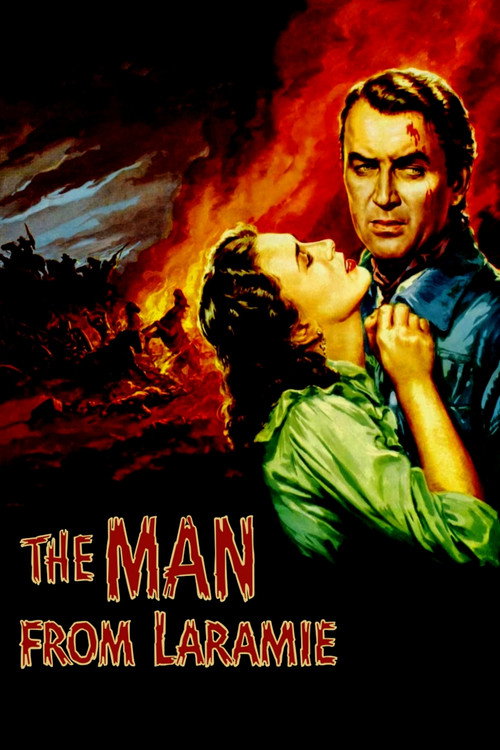
The Man from Laramie1955
Anthony Mann and James Stewart made a series of Westerns about men driven by obsession and vengeance. This is the toughest and most psychologically complex. Stewart plays a character far from his comedic persona—Hart would have recognized himself in that hardness.
But It's more interested in trauma and violence than romance or redemption. The ending offers no neat resolution. If you want catharsis, this isn't it.
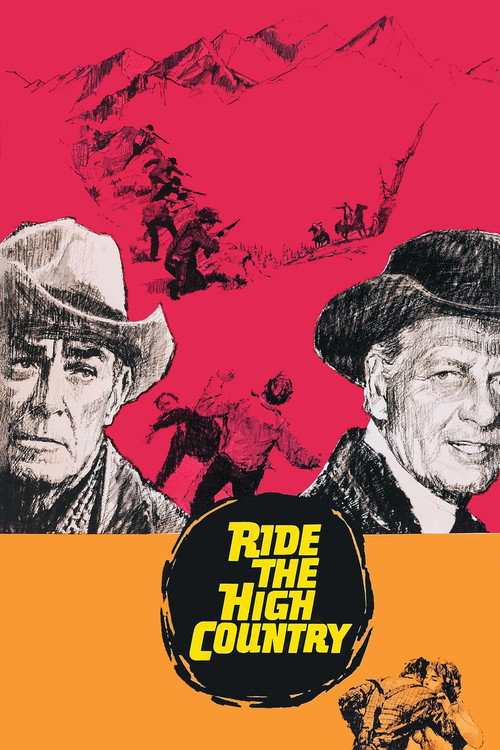
Ride the High Country1962
Joel McCrea and Randolph Scott play aging lawmen in a late-career Western about fading codes and old men trying to matter. It's economical and mournful—a genuine elegance to how it handles obsolescence and honor.
But It's melancholic more than exciting. The action sequences are brief. If you came for gunfights and chases, you're signing up for meditation instead.
The Ballad of Little Jo1993
A revisionist Western about a woman who passes as a man on the frontier. It shares Hart's interest in the frontier as a place where people remake themselves, but asks harder questions about identity and belonging than the 1925 version could.
But It's methodical and sometimes austere. The tone is somber—there's little romance or comfort. It's a difficult film, intentionally.

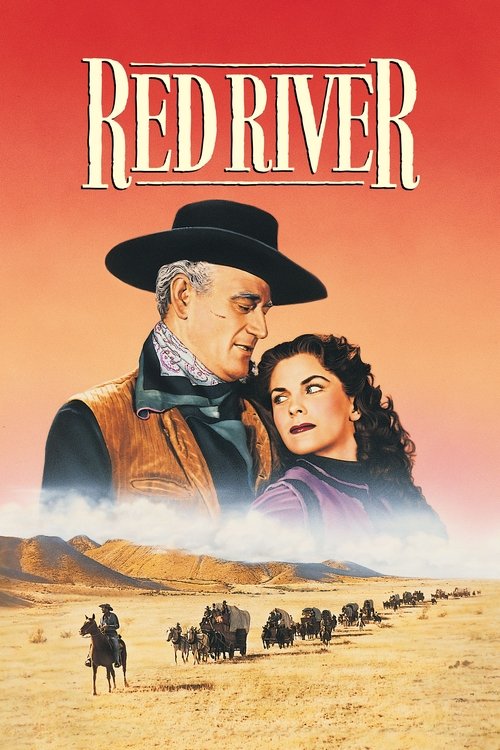
Red River1948
Hawks' cattle-drive epic with John Wayne and Montgomery Clift. A mythic story about masculine authority and the cost of obsession. Wayne plays a man who resembles Hart's hard frontier types, but older and more compromised.
But Nearly two hours long and sometimes feels it. Wayne's character is genuinely unsympathetic for long stretches. The ending settles things too neatly after all that tension.
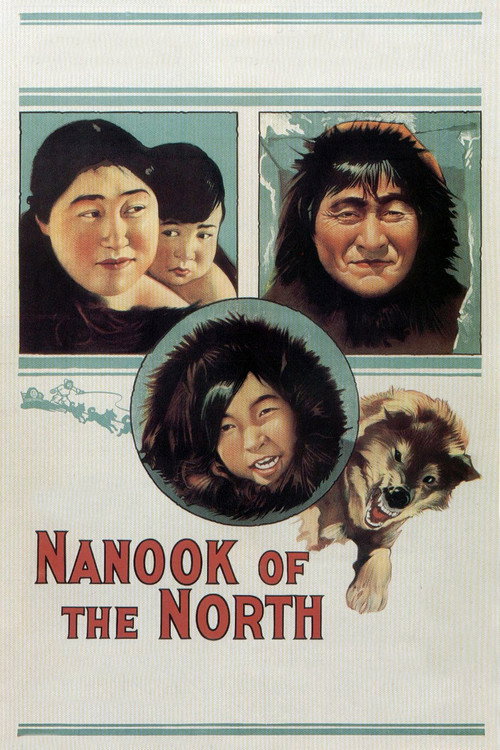
Nanook of the North1922
Both are genuinely interested in how people inhabit harsh places. Neither is interested in romance as an escape—both see it as something that has to survive alongside the work of staying alive. They're both myths about settlement, told through observation rather than melodrama.
Robert Flaherty's documentary about Inuit life in the Arctic. A foundational work of cinema that observes survival and adaptation with the same unsentimental eye Hart brings to the frontier. You're watching humans negotiate an indifferent landscape for their lives.
But It's not a narrative film—there's no plot, no romantic arc. It moves at documentary pace. And it's been criticized for staging scenes rather than capturing them, which some find disqualifying.
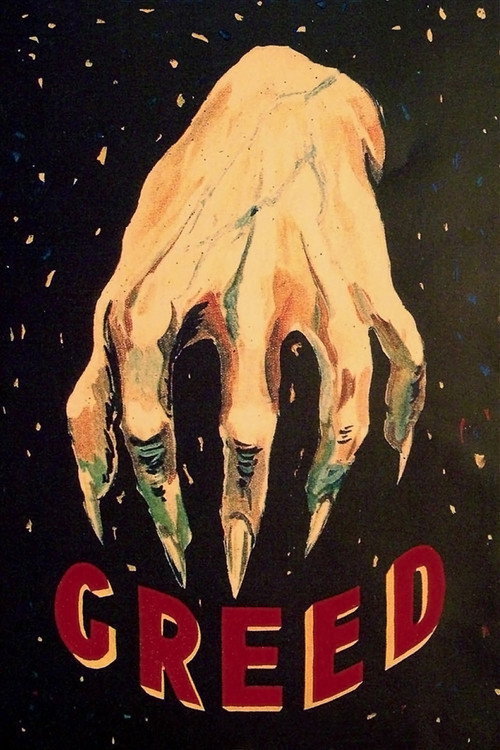
Greed1924
Both use the Western landscape as a crucible where character is tested and revealed. But Hart believes in the frontier as transformative; Stroheim believes it reveals what was always there—greed, cruelty, indifference. They're arguing about whether the land can save us or only expose us. Tumbleweeds says yes; Greed says no.
Erich von Stroheim's savage masterpiece about a dentist, his wife, and inherited money in San Francisco and the Mojave Desert. Made the same year as The Iron Horse, it's the opposite impulse—a Western that's not about the frontier myth at all, but about human beings grinding toward destruction.
But It's punishing. The original cut runs nearly nine hours; even the restored versions are over three. Stroheim finds nothing redemptive in his characters or the landscape. If you want myth-making, this is corrosive.
People
Cast
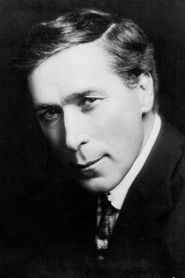 William S. HartDon Carver
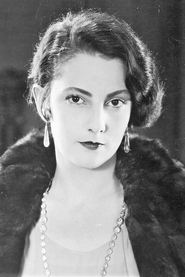 Barbara BedfordMolly Lassiter
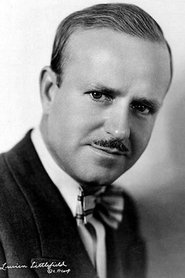 Lucien LittlefieldKentucky Rose
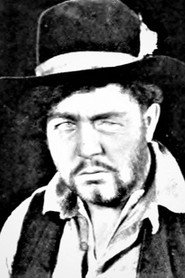 J. Gordon RussellNoll Lassiter
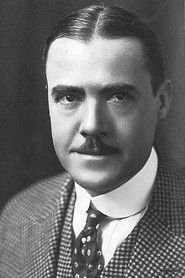 Richard NeillBill Freel
 Jack MurphyBart Lassiter
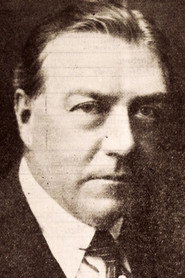 James GordonJoe Hinman
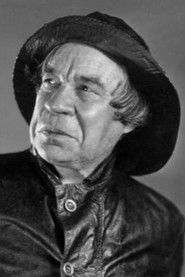 George F. MarionOld Man
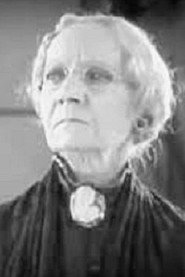 Gertrude ClaireOld Woman
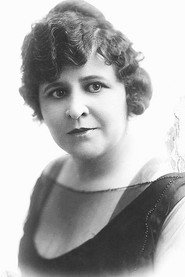 Lillian LeightonWidow Riley
- Taylor N. DuncanCavalry Major
Directing
- King BaggotDirector
- William S. HartDirector
Writing
- C. Gardner SullivanAdaptation
- Hal G. EvartsStory
Recommended by
The Squaw Man, Out California Way, The Rainbow Trail, Riders of the Purple Sage