
Film
Out California Way
- Musical
- Light-hearted
A 1946 B-western where newcomer Monte Hale tries to break into Hollywood while helping a kid and his trick horse get their shot on film. It's the kind of cheerful, music-filled studio product built to get you in and out in 67 minutes, all sincerity and optimism. Perfect if you love the golden-age studio system or want to see how the industry actually worked back then.
If you liked this
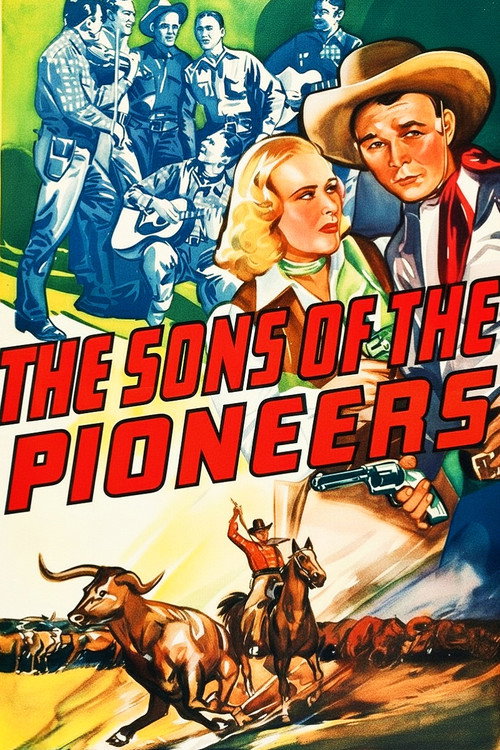
The Sons of the Pioneers1942
A genuine musical western where the harmony and the horses matter equally. Smart plotting, real warmth, and the kind of singing-cowboy authenticity that makes Out California Way feel like part of a living tradition.
But It's slower than you'd expect and the emotional register is genuinely earnest—no irony shield here, which can feel uncomfortably naked to modern ears.
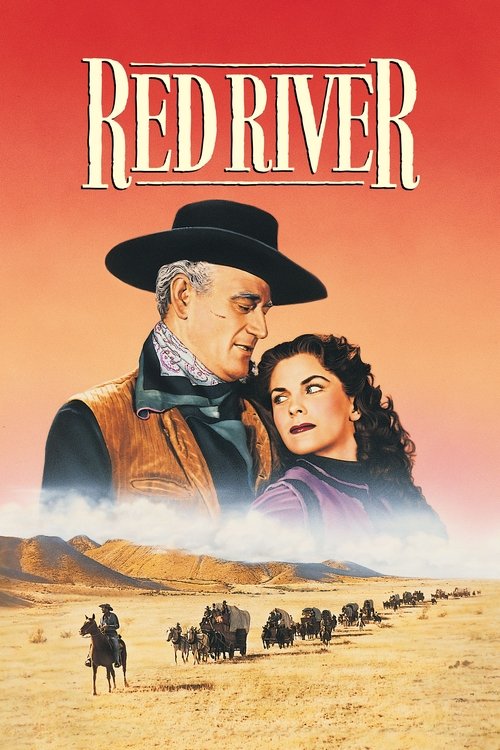
Red River1948
Howard Hawks' masterpiece western made two years after this, but with the same commitment to showing how work actually happens—cattle drives, stunt work, the daily grind. Elevated to art, but the DNA is the same.
But It's 133 minutes of serious drama with real violence. You will feel the difference from a studio program picture.
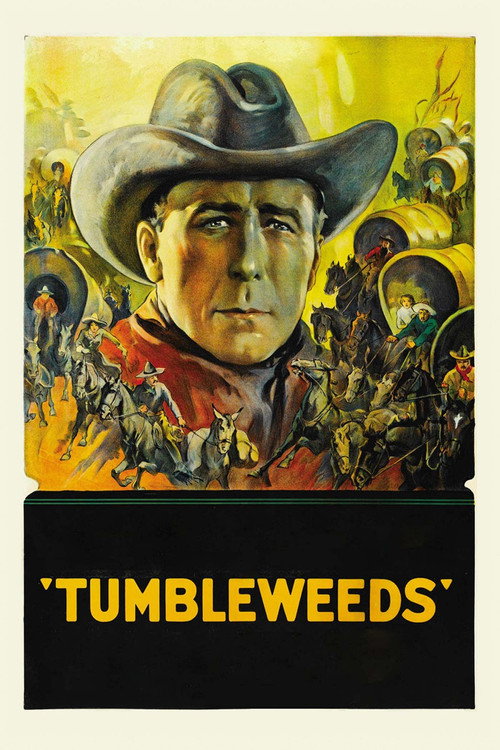
Tumbleweeds1925
William S. Hart at the tail end of silent westerns, doing the same basic work Monte Hale does—selling audiences on the idea of the honest cowboy hero. A direct ancestor, and genuinely moving when Hart lets the character breathe.
But Silent film moves differently, and Hart's style can read as static if you're not attuned to how much expression he puts into stillness and eyes.
Not sure tonight? Get a pick in a minute, starting from Out California Way
The wildcard
Something you would not have found on your own.
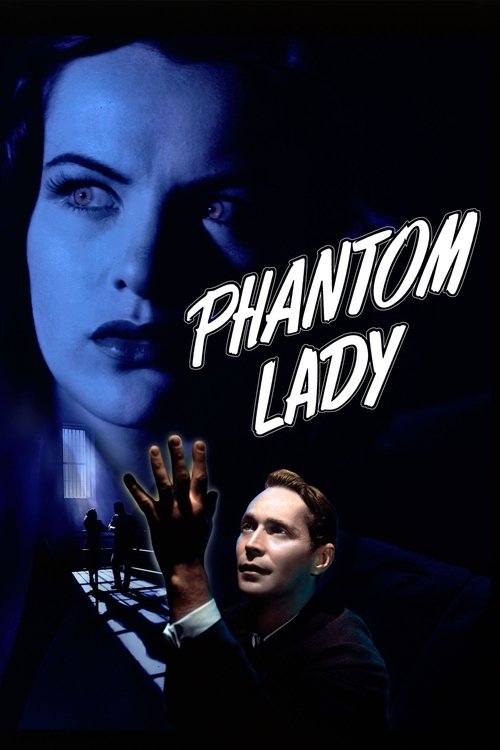
Phantom Lady1944
Robert Blake, but inverted: watching him in a world where childhood charm becomes something suspect rather than precious.
Robert Blake (who plays Danny here as a child actor) in a stunning film noir where he's not the cute kid but a genuinely unsettling presence in a real thriller. See what happened to him when he left the B-western lot.
But It's a dark, sexual, violent picture—the opposite of Out California Way's innocence. The tonal whiplash is intentional and real.
More like this (8)
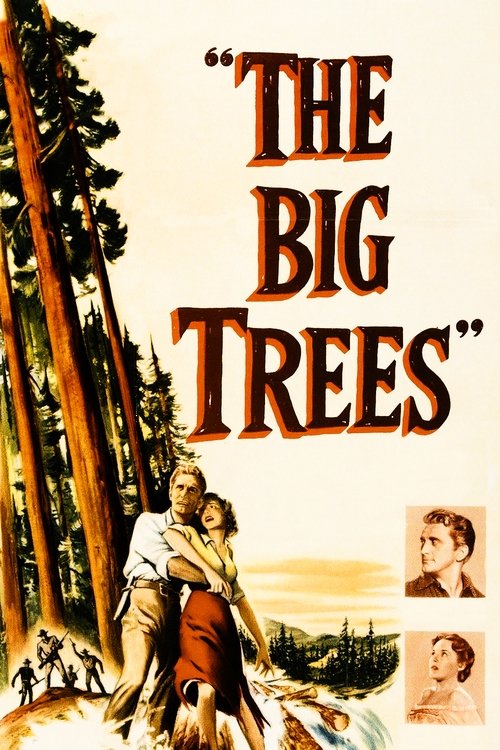
The Big Trees1952
Kirk Douglas in a later B-western that remembers why these stories worked: good men, clear stakes, beautiful locations, and music that matters. It's shameless and it knows it, which is its own kind of charm.
But The production values are noticeably lower than prestige pictures, and the formula can feel predictable if you're cynical about Hollywood's playbook.
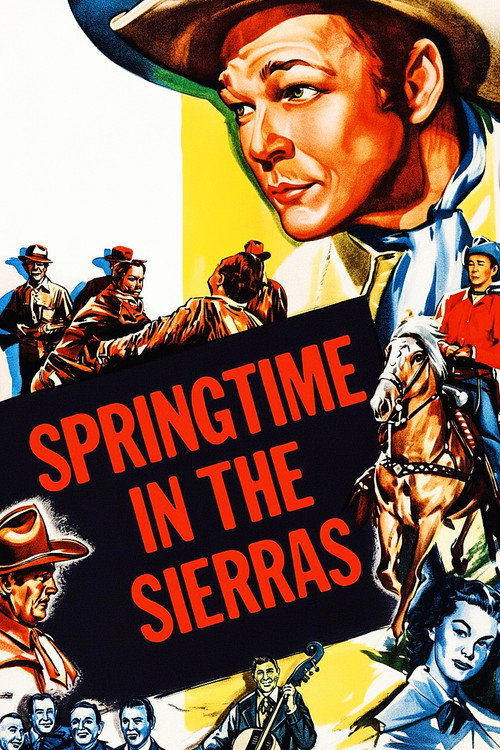
Springtime in the Sierras1947
Gene Autry doing exactly what Monte Hale is doing here—singing cowboy, a kid, a horse, an honest plot about getting a break. Made the same year, same studio energy, same unironic commitment to the formula that worked.
But If you don't like the genre DNA, seeing it again slightly better-funded won't convert you.
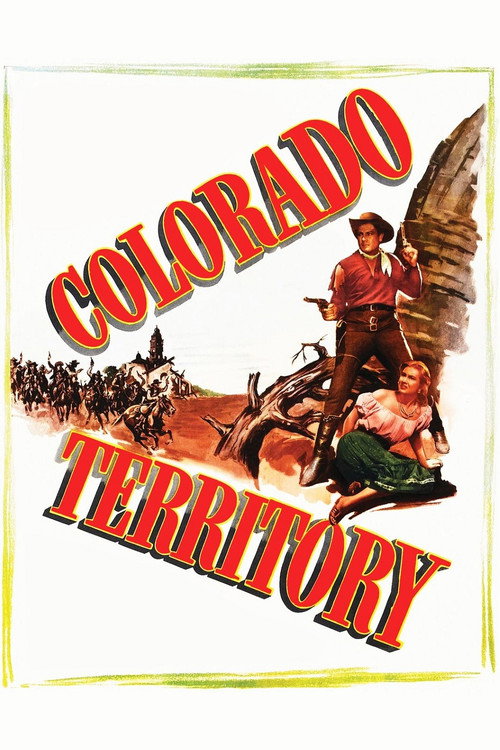
Colorado Territory1949
Raoul Walsh remakes an old gangster picture as a western, proving the genre could handle real emotional complexity. Darker than Out California Way, but from the same moment when studios were learning the form.
But It's considerably more cynical and violent, which breaks the spell of the simple morality play.
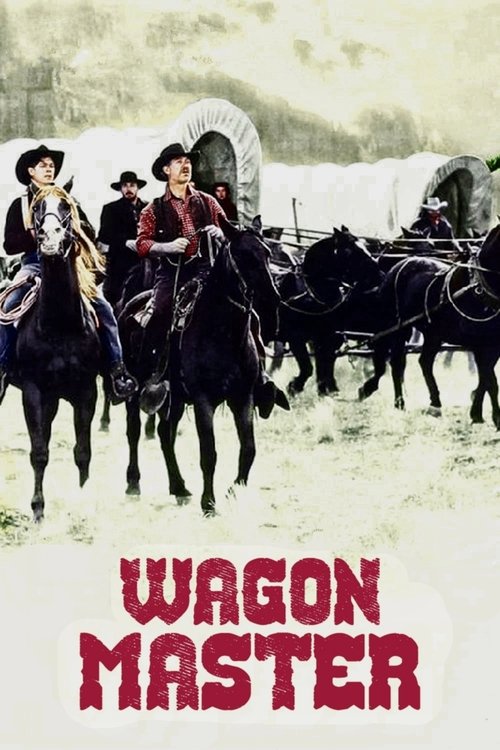
Wagon Master1950
John Ford taking B-western tropes seriously, finding poetry in the formula that Monte Hale's picture follows straightforwardly. A bridge between studio product and art.
But Ford's pacing is deliberate. If you're expecting 67 minutes of plot, 80 will feel long even though it's better.
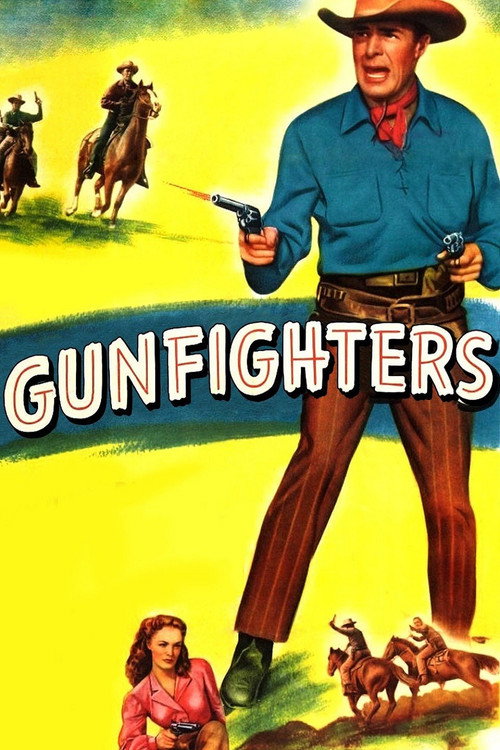
Gunfighters1947
A genuine curiosity—a western made by Joel McCrea that actually works, with the kind of dusty authenticity that suggests real experience. Made the same year, same confidence in the form.
But It's rougher around the edges than studio pictures, and that roughness doesn't always feel intentional.
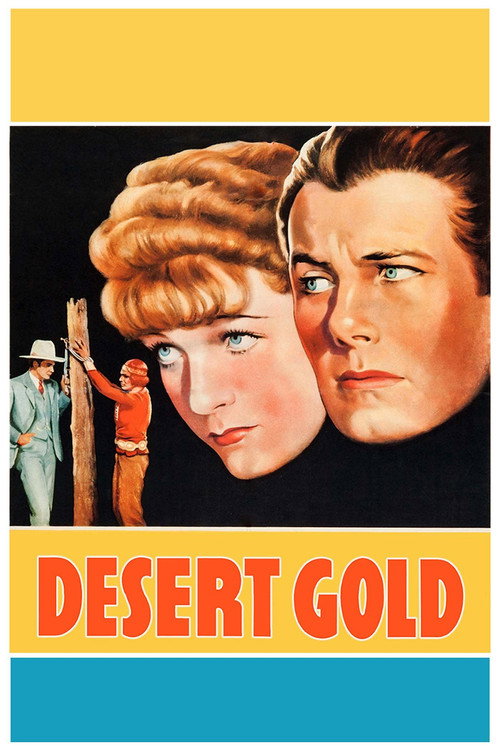
Desert Gold1936
An earlier version of the same template, before the formula crystallized. Seeing where Monte Hale's picture came from—the seeds of the exact machinery that was still running a decade later.
But It's dated in ways even 1946 managed to avoid, and the pacing reflects an earlier era's patience.
The Red Shoes1948
Both are studio-system love letters: one naive, one knowing. Both ask what it costs to make it. The answers could not be more different.
A British Technicolor musical obsessed with show business, ambition, and getting your break—exactly the theme of Out California Way, but transformed into something genuinely transcendent. Powell and Pressburger found the poetry in the same desperation.
But It's two hours of pure visual intensity, dense with meaning, completely humorless. Where Out California Way is a breeze, this is a storm.

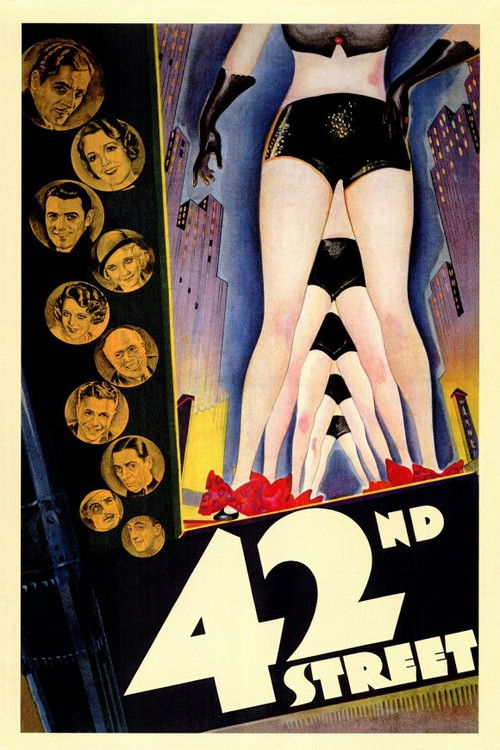
42nd Street1933
The exact same plot DNA (talent meets luck meets sabotage meets triumph) but from the moment it was new and meant something different. One is a nostalgic echo; the other was a prayer.
The granddaddy of all 'kid gets a break' stories, made in the Depression when the stakes were actually life-or-death. Busby Berkeley's choreography and the raw hunger of the performances make this the ur-text that Out California Way descends from.
But It's slow by modern standards and the plot is negligible—you're really there for the dancing and the desperation, not narrative momentum.
People
Cast
 Monte HaleMonte Hale
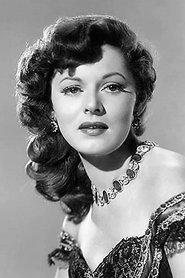 Lorna GrayGloria McCoy
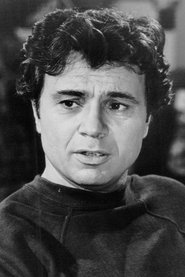 Robert BlakeDanny McCoy
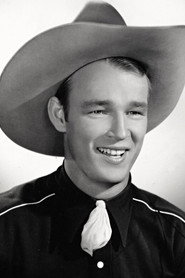 Roy RogersRoy Rogers
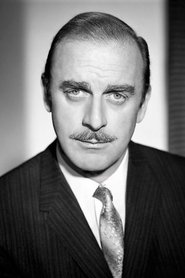 John DehnerRod Mason
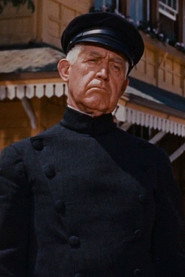 Nolan LearyGeorge Sheridan
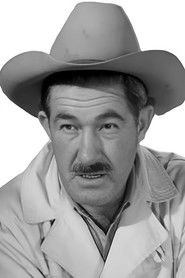 Fred GrahamAce Hanlon
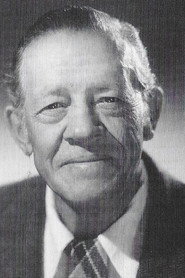 Tom LondonJohnny
- Jimmy StarrJimmy Starr
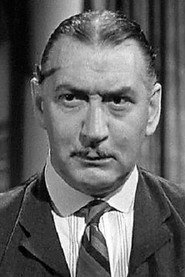 Edward KeaneE.J. Pearson
- Foy WillingFoy
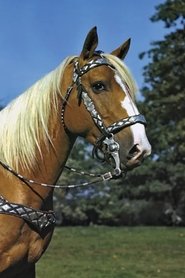 TriggerTrigger
Directing
- Lesley SelanderDirector
Writing
- Betty BurbridgeScreenplay
- Barry ShipmanStory