
Film
Colorado Territory
A 1949 Western noir about an escaped outlaw drawn into one final heist. It's stylish and moody, shot through with genuine fatalism—this isn't a romp but a fall. The chemistry between Joel McCrea and Virginia Mayo crackles against a landscape that feels as much like a trap as a frontier. For anyone who loves Westerns with moral weight and a visual language borrowed from noir.
If you liked this
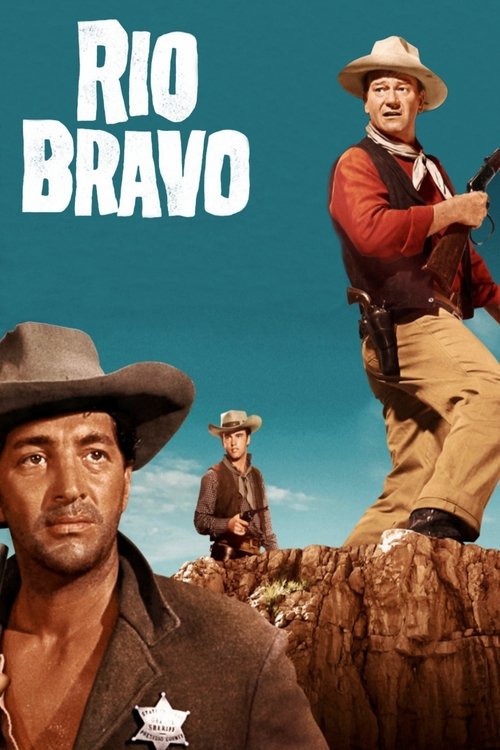
Rio Bravo1959
Hawks' masterpiece of siege and character: a sheriff, a drunk, a kid, and a woman hold a jailhouse against an army. It's funny, tense, and deeply felt—the Western as intimate chamber piece.
But Three hours and forty minutes of talk between shootouts will test your patience if you need constant action.
The Ballad of Little Jo1993
A woman passes as a man in the Old West. Shot in austere colors with a deadpan eye, it's revisionist without preaching—a portrait of survival and the masks we wear.
But The pacing is deliberate to the point of glacial; it moves like someone thinking, not like a story rushing.

Johnny Guitar1954
Ray's fever dream of a Western: a woman owns a saloon, a rival wants her land, and the violence explodes in Technicolor fury. It's weird, camp, beautiful, and genuinely subversive about gender.
But The dialogue is arch and theatrical; if you want naturalism, this will feel mannered and strange.

Not sure tonight? Get a pick in a minute, starting from Colorado Territory
The wildcard
Something you would not have found on your own.
In a Lonely Place1950
Both films use male magnetism as a trap rather than a redemption. The woman loves him, but we're made to understand what that costs her. In both, charm is a kind of corruption.
Ray's noir about a violent, charming man accused of murder. It's a love story and a character study of someone we can't quite trust. The parallel to Colorado Territory is spiritual—both are about charisma as a liability.
But Bogart's protagonist is genuinely difficult to like; the film offers no comfort or clear moral ground.

More like this (8)
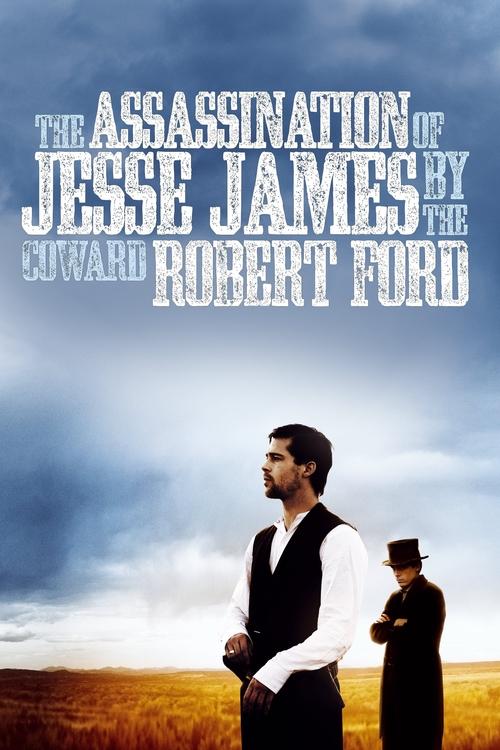
The Assassination of Jesse James by the Coward Robert Ford2007
Slow, painterly, psychologically intricate study of obsession and myth. Roger Deakins' cinematography is astonishing. It reaches toward something true about fame and the men who chase it.
But Three hours of whispered conversations and long silences. Patience isn't just helpful—it's mandatory.
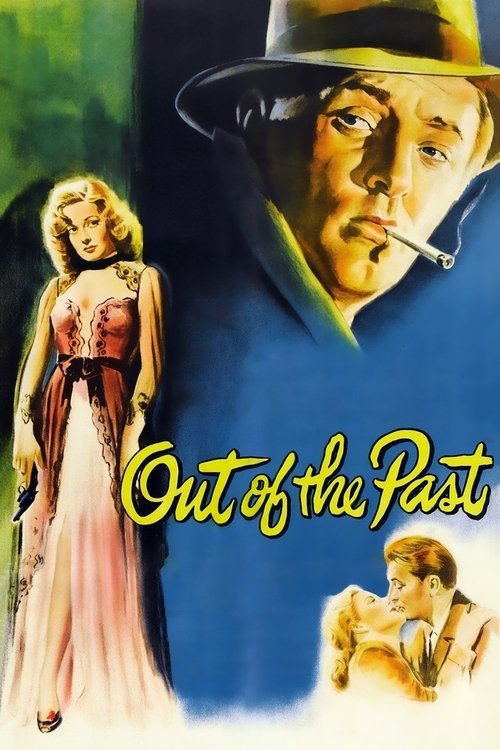
Out of the Past1947
The noir playbook written in neon and shadow. A man thinks he's escaped his past; he hasn't. The dialogue sparkles and the doom is exquisite. Essential viewing for anyone who loves Colorado Territory's mood.
But The plot spirals; it's designed to confuse. If you need clarity over atmosphere, you'll be frustrated.
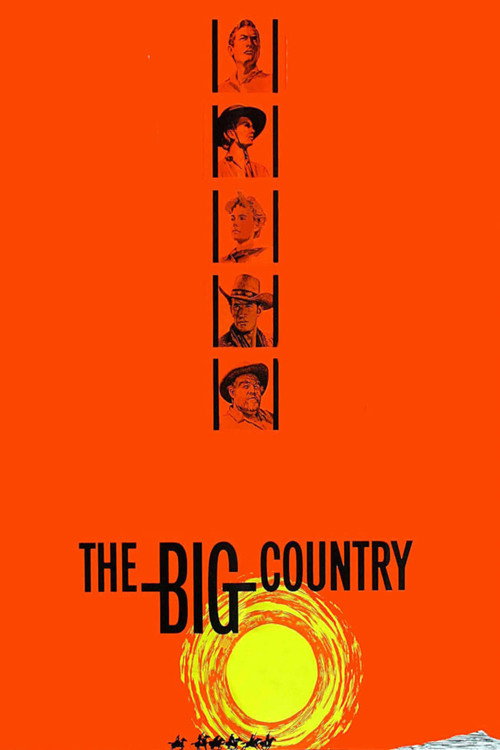
The Big Country1958
Wyler's epic of a Easterner arriving in the West to marry into a feud. It's grand, deeply humane, and built on the idea that violence solves nothing. William Wyler and James Dean are magnificent.
But At two hours forty minutes, it's a commitment, and some of the early romance scenes can feel slow.
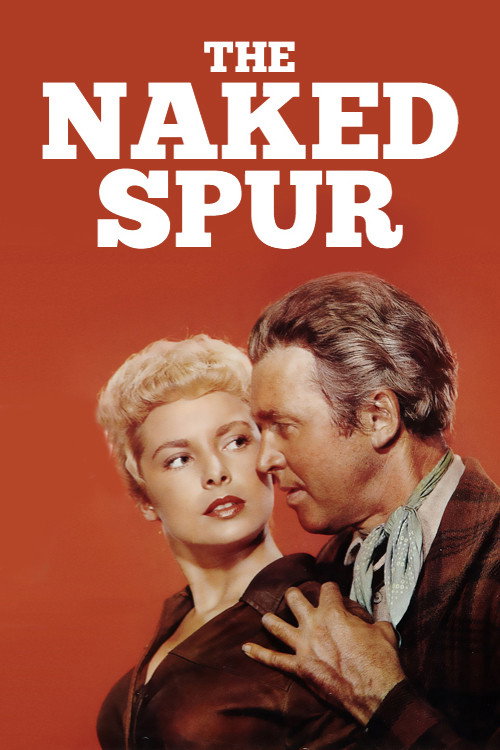
The Naked Spur1953
Mann's psychological Western about a bounty hunter and his quarry trapped together by circumstance. Claustrophobic, paranoid, brilliantly acted. James Stewart is wounded and mean in ways you won't expect.
But The emotional temperature is cold and skeptical; if you want noble heroes, look elsewhere.
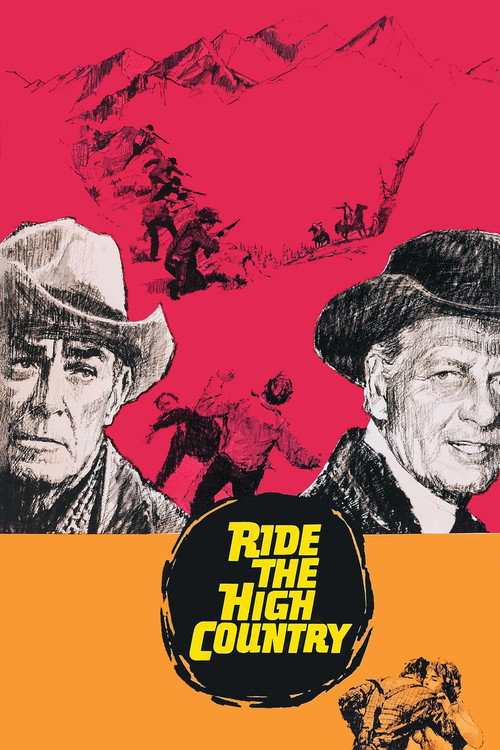
Ride the High Country1962
Peckinpah's elegy for the Old West: two aging lawmen, hired to escort gold, encounter their own obsolescence. It's tender and tough, a farewell to a world that's disappearing.
But The final act violence is harsh and uncomforting; it doesn't feel like catharsis.
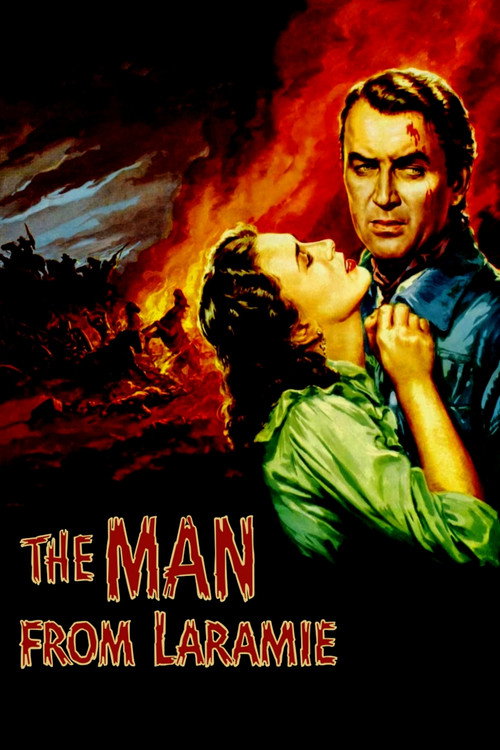
The Man from Laramie1955
Anthony Mann at his best: a man seeking his brother's killer in ranching country, caught between two powerful families. Taut, intricate, and psychologically complex for a studio Western.
But It's a plot-heavy revenge tale that requires attention; if you want to coast, it won't let you.
The Asphalt Jungle1950
Both films understand the heist as inevitable doom dressed in competence. The planning is meticulous. The ending is written before the job starts. The only question is which man breaks first.
Huston's heist film is the template: the planning, the assembly, the execution, the unraveling. It's austere, procedural, and ends in genuine tragedy. McQueen's one-last-job echoes it perfectly.
But It's a blueprint, not a spectacle. If you need visual fireworks or quick cuts, the slow professionalism will bore you.

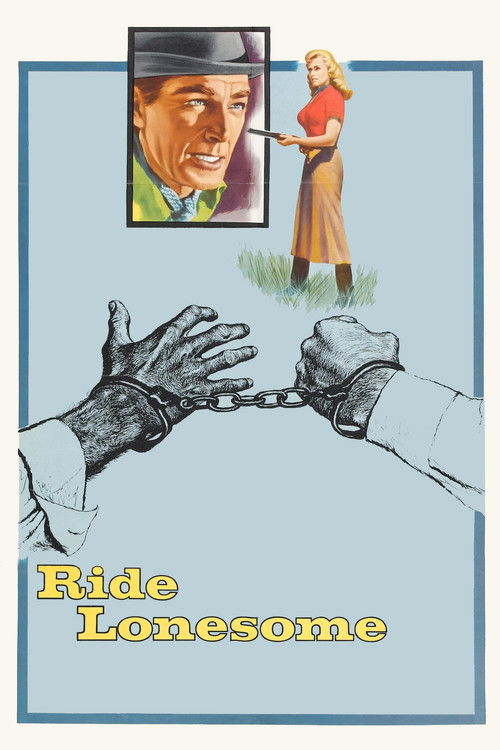
Ride Lonesome1959
Same DNA: a man and a landscape, a past that won't release him, the question of what makes a man continue. Both films know that the West is beautiful and that beauty doesn't redeem anything.
Budd Boetticher's masterpiece: a bounty hunter escorts a prisoner through landscape that seems to want to kill them both. It's philosophical, sparse, and morally intricate. Randolph Scott is unforgettable—burnt out, professional, decent.
But Seventy-three minutes with minimal plot and maximal mood. If you need story momentum, it moves at the speed of sun-bleached rock.
People
Cast
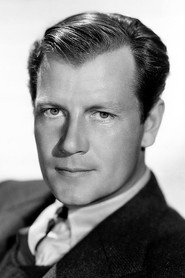 Joel McCreaWes McQueen
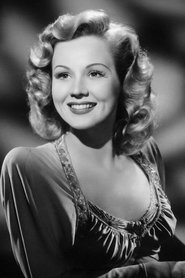 Virginia MayoColorado Carson
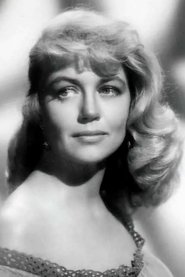 Dorothy MaloneJulie Ann Winslow
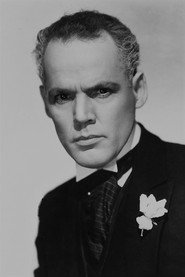 Henry HullFred Winslow
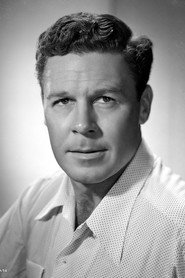 John ArcherReno Blake
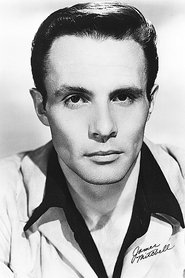 James MitchellDuke Harris
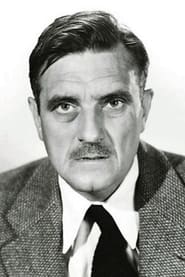 Morris AnkrumUnited States Marshal
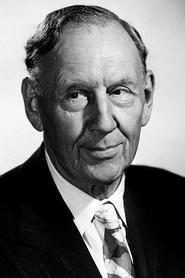 Basil RuysdaelDave Rickard ('The Old Man')
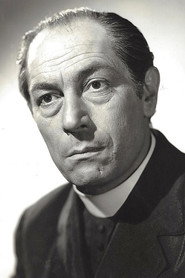 Frank PugliaBrother Tomas
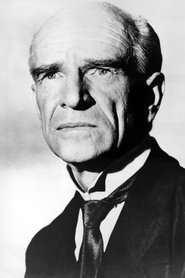 Ian WolfeHomer Wallace
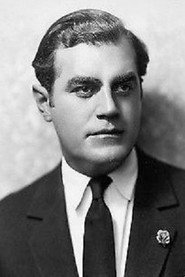 Harry WoodsPluthner
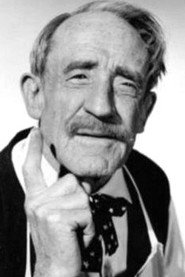 Houseley StevensonProspector
Directing
- Russell SaundersAssistant Director
- Raoul WalshDirector
- Irva Mae RossScript Supervisor
Writing
- W.R. BurnettNovel
- Edmund H. NorthScreenplay
- John TwistScreenplay
Production
- Anthony VeillerProducer
- Chuck HansenProduction Manager
Recommended by
Kill Johnny Ringo, The Duel at Silver Creek, Out California Way, The Gay Caballero, Santa Fe