
Film
Santa Fe
A 1951 Western about four brothers fractured by the Civil War, finding themselves on opposite sides of a final confrontation. Randolph Scott anchors a sturdy tale of divided loyalties and frontier justice, all briskly told in 88 minutes. It's straightforward stuff—efficient storytelling, solid action, the kind of film that knows exactly what it is and doesn't apologize for it.
If you liked this
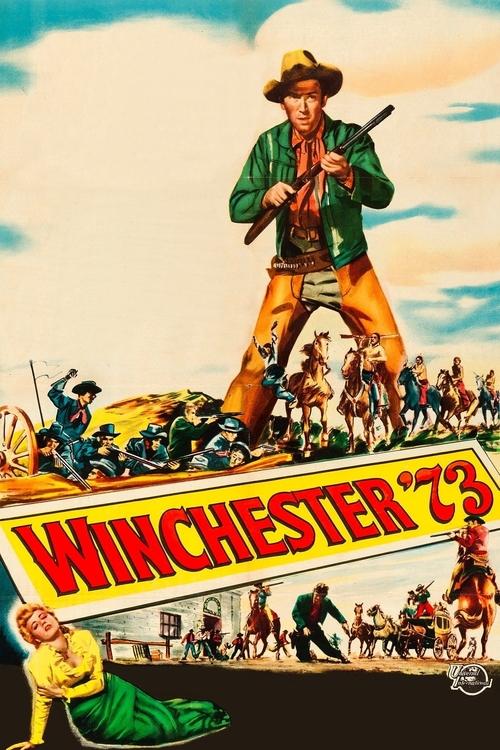
Winchester '731950
James Stewart in a lean, propulsive Western about a rifle passed through many hands. Like Santa Fe, it uses a MacGuffin to explore competing moral codes across the frontier and build momentum toward inevitable collision.
But The episodic structure can feel more like a series of vignettes than a unified story, and the pacing occasionally stalls between set pieces.
Red River1948
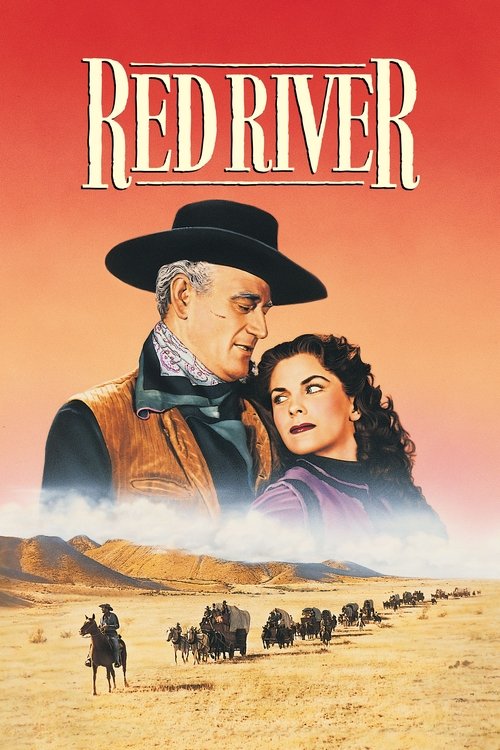
Howard Hawks directs John Wayne and Montgomery Clift in a cattle drive epic that's really about fathers, sons, and the hard men they become. Morally complex in ways Santa Fe reaches for—a portrait of ambition and stubbornness destroying what they're supposed to protect.
But It's a slower burn than Santa Fe, nearly two hours, and Clift's method acting can feel precious against Wayne's old-school swagger.
The Searchers1956
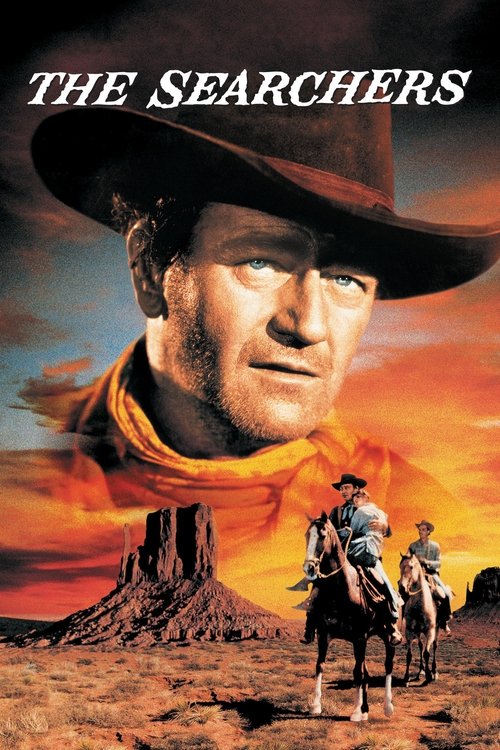
John Ford's masterpiece about obsession and belonging, with John Wayne as a man consumed by a quest that corrupts him. Like Santa Fe, it examines how war and principle divide families, but with far greater psychological depth and visual poetry.
But It's long, sometimes dreamy, and asks more questions than it answers—uncomfortable viewing if you want straightforward heroics.
Not sure tonight? Get a pick in a minute, starting from Santa Fe
The wildcard
Something you would not have found on your own.
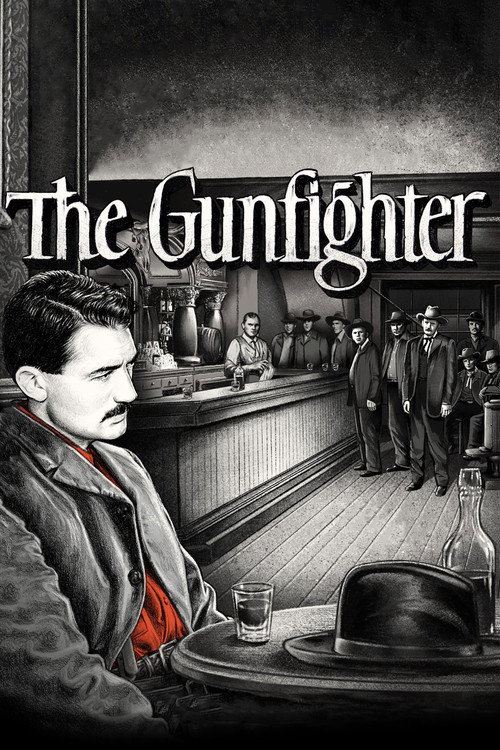
The Gunfighter1950
Both examine men shaped by violence seeking to outrun their past, but Gunfighter makes the past win. Santa Fe lets its heroes choose sides; Gunfighter shows that choice becoming impossible.
Gregory Peck as an aging gunslinger trying to leave his reputation behind, running into men he's wronged and ghosts he can't escape. It's a Western about consequence and the impossibility of reinvention—the inverse of Santa Fe's brothers building new lives.
But It's introspective and static; mostly men talking in saloons. The action is brief and the tone is elegiac rather than exciting.
More like this (8)
Johnny Guitar1954
Nicholas Ray's fevered, operatic Western with Joan Crawford and Sterling Hayden. Gender roles inverted, sexual tension crackling, allegiances mysteriously fluid—a Western that asks why men fight and what they're really fighting about.
But It's campy and delirious, visually strange, nothing like the clean storytelling of Santa Fe. You have to surrender to its mood.

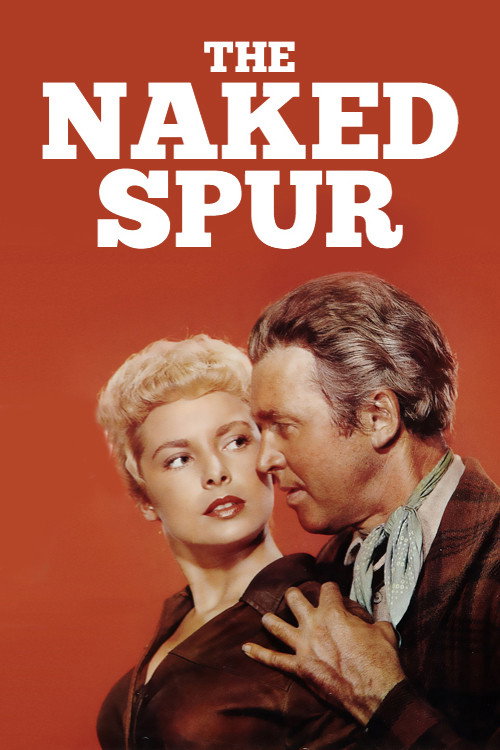
The Naked Spur1953
Anthony Mann and James Stewart make a taut, psychological Western about a manhunt that turns corrosive. The rocky relationship between hunter and hunted echoes Santa Fe's moral murkiness, but with genuine moral horror.
But It's grim and claustrophobic—no comic relief, no easy answers, and it doesn't trust the audience to like any of its characters.
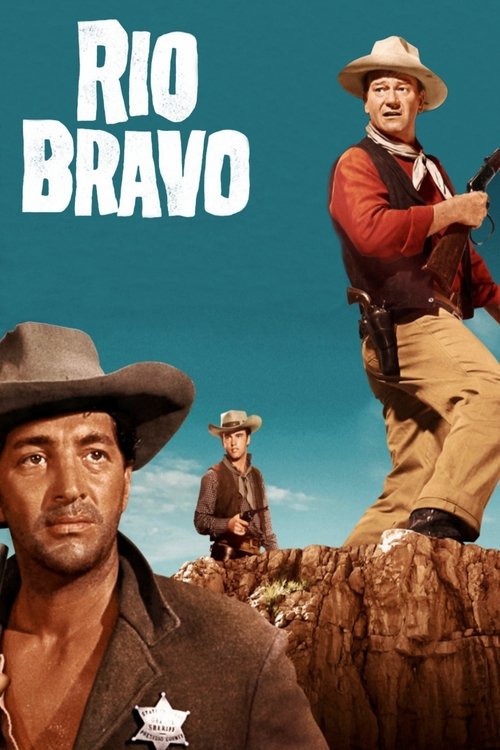
Rio Bravo1959
Hawks again, with Wayne, Dean Martin, and Ricky Nelson holding a sheriff's office against siege. A different kind of brothers-in-arms story—less about kinship, more about the strangers who become family when it matters.
But Pacing is leisurely; if you watch Santa Fe for plot momentum, Rio Bravo will feel like it's killing time between gunfights.
The Ballad of Little Jo1993
Maggie Greenwald's quietly radical Western about a woman passing as a man on the frontier. It shares Santa Fe's interest in identity fractured by circumstance, but finds grace and dark comedy where Santa Fe finds duty and confrontation.
But It's small, unglamorous, and deliberately anti-Western in tone. The restraint might feel like nothing's happening if you're expecting Scott-style action.

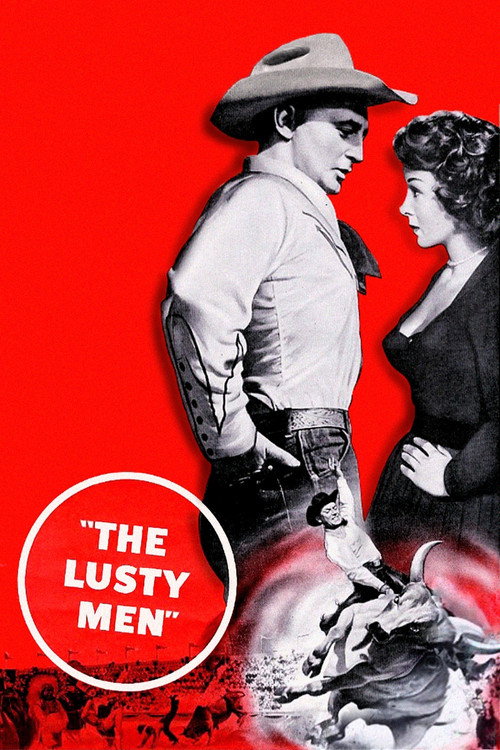
The Lusty Men1952
Nicholas Ray's portrait of aging rodeo men, with Robert Mitchum and Susan Hayward. Like Santa Fe, it's concerned with men shaped by violence, but it's elegiac—watching men and what they've become rather than what they do.
But It's melancholic and slow-paced, more interested in atmosphere than plot. Some find it slack; it's not a Western in the usual sense.
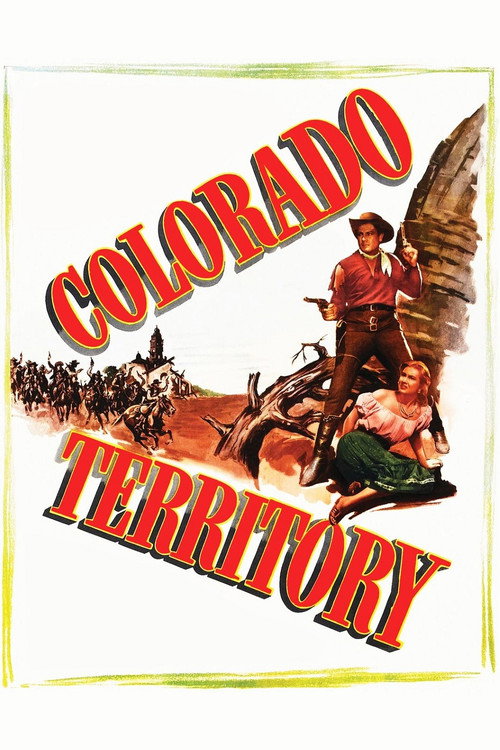
Colorado Territory1949
Raoul Walsh remakes High Sierra as a Western with Joel McCrea and Virginia Mayo. It has Santa Fe's narrative drive—a clear conflict, stakes that matter—but adds tragic inevitability and genuine darkness to the mix.
But The love story is heavy-handed, and the ending doesn't surprise anyone who's seen the original or understands genre convention.
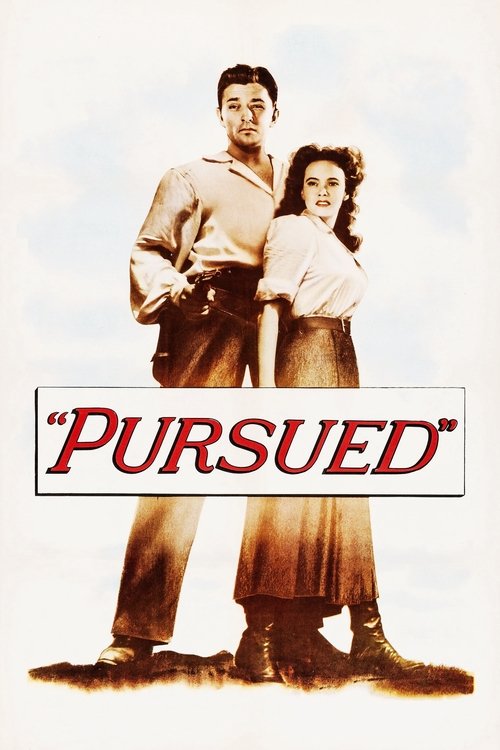
Pursued1947
Both turn on the discovery of divided brothers and hidden history, but Pursued treats the reveal as psychological horror rather than plot complication. Santa Fe clarifies; Pursued darkens.
Raoul Walsh directs a Western as psychological thriller—Robert Mitchum haunted by childhood trauma he can't quite remember, with family secrets and vendetta woven into visual nightmare. It's Santa Fe's premise (family fracture, hidden truth) but filtered through Freud and German Expressionism.
But It's strange and claustrophobic, visually mannered, sometimes confusing. If you want a Western, this feels like a noir wearing Western clothes.
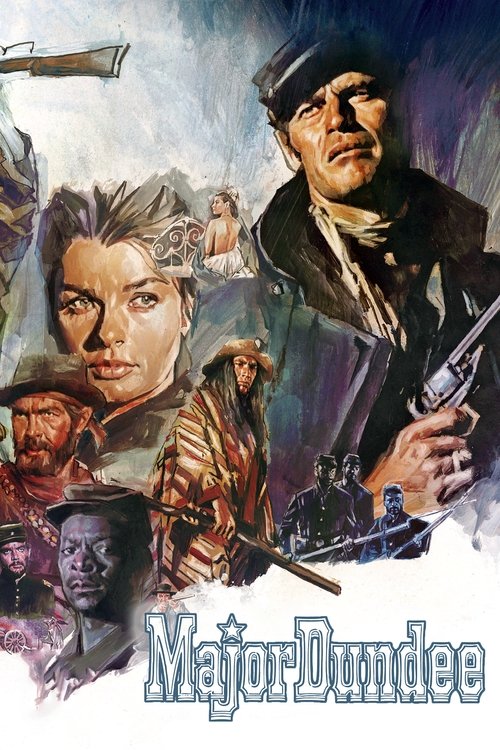
Major Dundee1965
Both use the Civil War's aftermath as premise, but Dundee is interested in how collaboration between enemies corrupts everyone involved. Santa Fe resolves conflict; Dundee suggests it's permanent.
Sam Peckinpah's sprawling, damaged masterpiece about a cavalry officer leading Union soldiers and Confederate prisoners on a joint mission into Mexico. It's Civil War aftermath like Santa Fe, but Peckinpah makes it epic, bitter, and graphically violent—brothers-in-arms built on mutual contempt and necessity.
But It's a studio film savagely cut by executives, visibly compromised, 136 minutes of conflicted ambition. The editing is sometimes ragged and the political stance can seem muddled.
People
Cast
 Randolph ScottBritt Canfield
 Janis CarterJudith Chandler
 Jerome CourtlandTerry Canfield
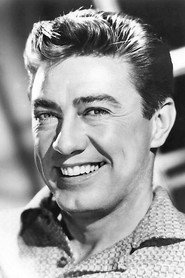 Peter M. ThompsonTom Canfield
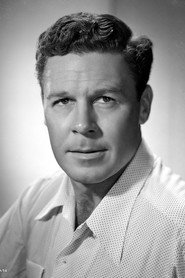 John ArcherClint Canfield
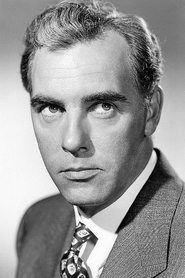 Warner AndersonDave Baxter
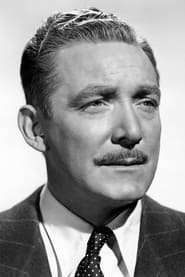 Roy RobertsCole Sanders
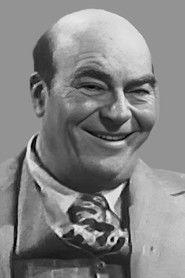 Billy HouseLuke Plummer
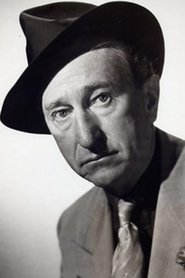 Olin HowlandDan Dugan
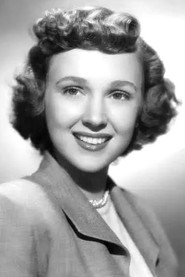 Allene RobertsElla Sue Canfield
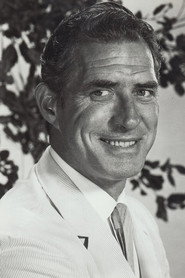 Jock MahoneyCrake
 Harry CordingMoose Legrande
Directing
- Sam NelsonAssistant Director
- Irving PichelDirector
Writing
- James Vance MarshallNovel
- Kenneth GametScreenplay
- Louis StevensStory
Production
- Harry Joe BrownProducer
- Herbert StewartProducer's Assistant