
Film
The Lusty Men
Nicholas Ray's 1952 rodeo drama trades gunfights for bucking broncos, following a retired champion drawn back into the arena to mentor an ambitious kid. Shot in Technicolor, it's visually sumptuous and morally complicated—less interested in heroics than in the wreckage left behind by masculine ambition. A character study dressed as a Western, for anyone who loves adult drama with grit and style.
Should you watch it?
Watch it if you like unglamorous character studies of working people chasing a dream they half-know is costing them, shot with the dusty, weathered texture of old-school Westerns.
Skip it if you need fast action or a tidy, uplifting arc; this one is talky and mournful, with long stretches of quiet domestic friction between its leads that can drag.
What it asks of you: Settle in for a fairly leisurely runtime of just under two hours, with the attention going to conversations, glances and the rodeo circuit's grind rather than set-piece thrills.
Not sure? Find tonight's pick in a minute.
If you liked this
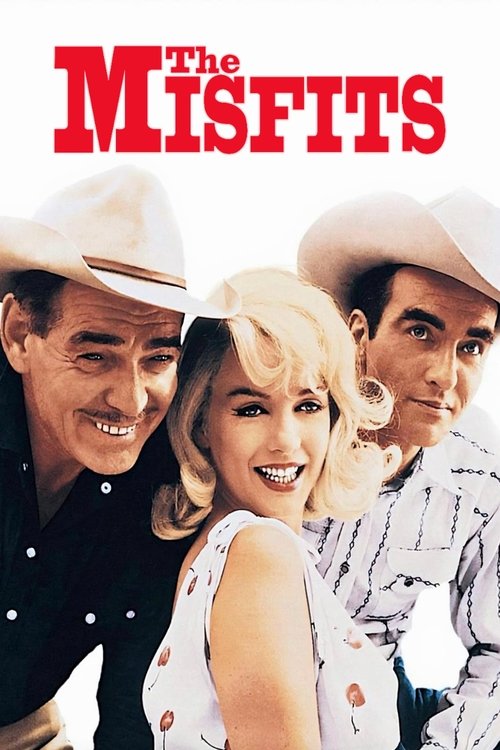
The Misfits1961
Gable and Monroe in a desert rodeo story about aging men clinging to outdated codes. Ray's spiritual successor—same elegiac mood, same theme of obsolescence, but with higher wattage star power and deeper melancholy.
But Moves slowly and operates in subtext rather than plot. If you want action or clear narrative momentum, this will frustrate you.
Johnny Guitar1954
Ray's next Western is even stranger—a women-led frontier town, gender roles inverted, visual pyrotechnics everywhere. Proof he had something singular to say about the genre beyond The Lusty Men.
But Openly bizarre and formally experimental. It doesn't read as a normal Western, which means some find it brilliant and others find it irritating.

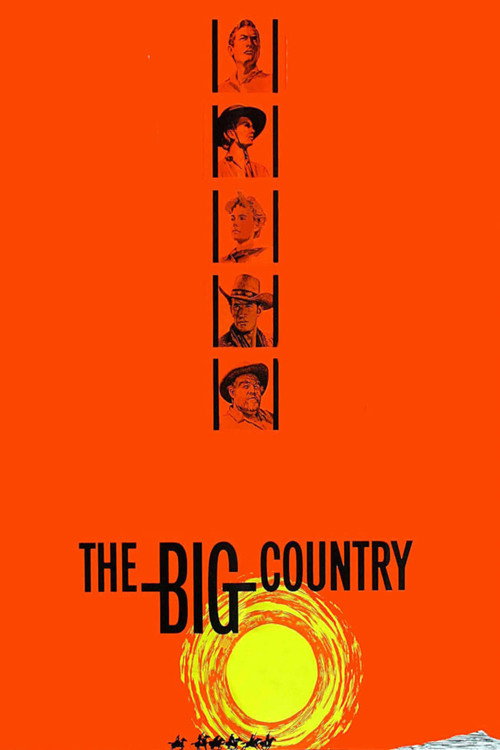
The Big Country1958
Peck and Charlton Heston in a sprawling Western about idealism versus pragmatism, masculinity versus maturity. Sweeping, beautifully shot, and genuinely moving in ways that sneak up on you.
But Nearly three hours and occasionally didactic. The dialogue about civilization and restraint can feel stagy compared to Ray's subtler approach.
Not sure tonight? Get a pick in a minute, starting from The Lusty Men
The wildcard
Something you would not have found on your own.
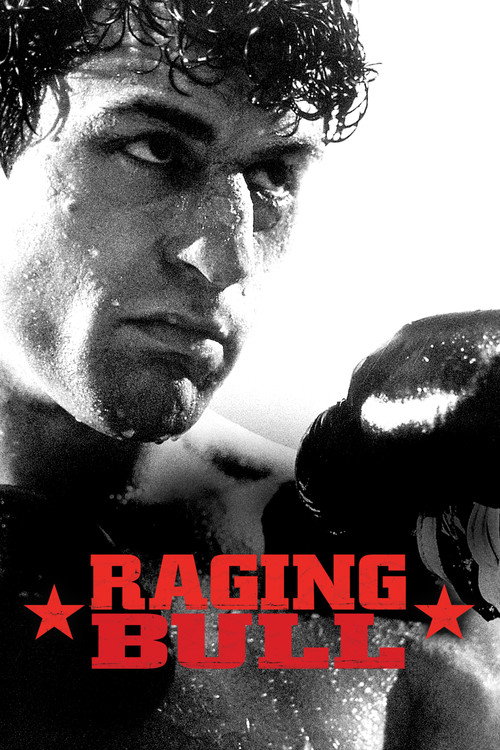
Raging Bull1980
Both portraits of male ambition consuming everything in its path, including love and peace. Both use sport as a window into masculine pathology rather than heroism.
Scorsese's monochrome boxer is Ray's rodeo rider in a different arena—the same study of masculine self-destruction, the same refusal to make the protagonist sympathetic, the same visual brilliance in service of psychological deterioration. Both use sport as a metaphor for what men do to themselves.
But Black-and-white, deliberately ugly, and genuinely difficult to sit with. De Niro's character is repellent, and the film doesn't soften that for comfort.
More like this (8)
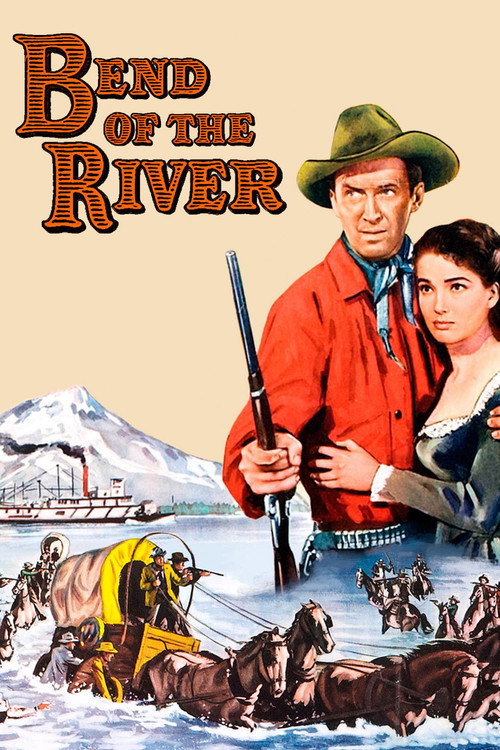
Bend of the River1952
Rock Hudson in Anthony Mann's moral Western—also from '52, also about mentorship and disillusionment, also not quite what the marketing promised. Another adult Western for sophisticated taste.
But Mann's style is tougher and less lyrical than Ray's. Less poetry, more violence and betrayal.
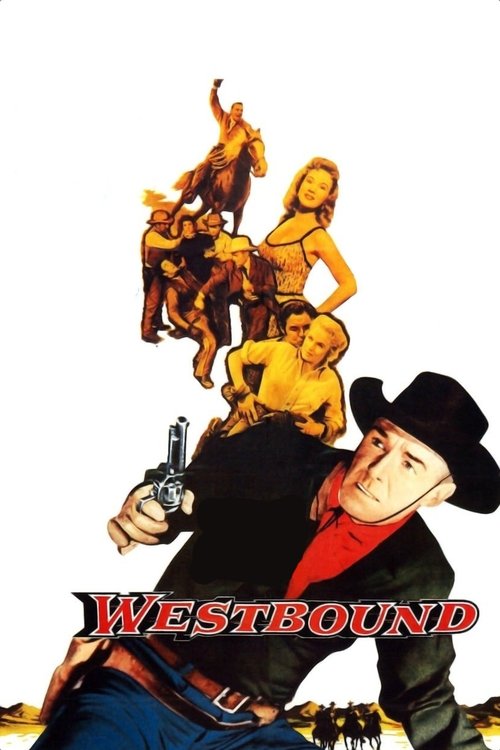
Westbound1959
Budd Boetticher directing Randolph Scott in a understated, character-driven Western about professionals doing a job. Minimal plot, maximum atmosphere—the rodeo footage is exceptional.
But Genuinely low-key to the point of seeming minor. If you need spectacle or star wattage, this disappears.
The Killing1956
Kubrick's racetrack heist film shares Ray's interest in masculine professional worlds where ambition destroys more than it builds. Not a Western, but structurally and thematically aligned.
But Black-and-white, intricate plotting, and a detached tone that some find cold. Totally different register from Ray.

The Ballad of Little Jo1993
Maggie Greenwald's revisionist Western about a woman passing as a man in the frontier. Quiet, achingly character-driven, genuinely about survival versus convention. Similar DNA to Ray's humanism.
But Made in '93 but doesn't look or feel like a modern film. Very deliberately paced; won't move quickly for you.

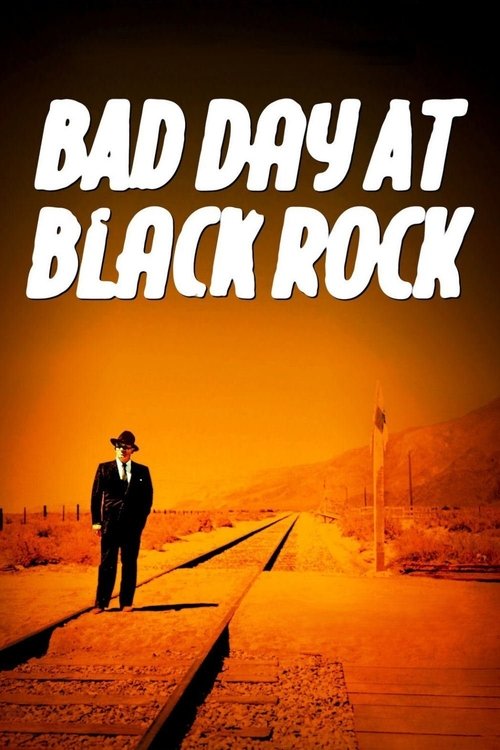
Bad Day at Black Rock1955
Spencer Tracy in a taut, morally urgent Western that builds dread from character conflict rather than gunplay. Ray's exact contemporary, asking similar questions about men, codes, and what's worth protecting.
But Compact and intense where Ray is sprawling. Thriller mechanics rather than drama; less room for the nuance you might be craving.
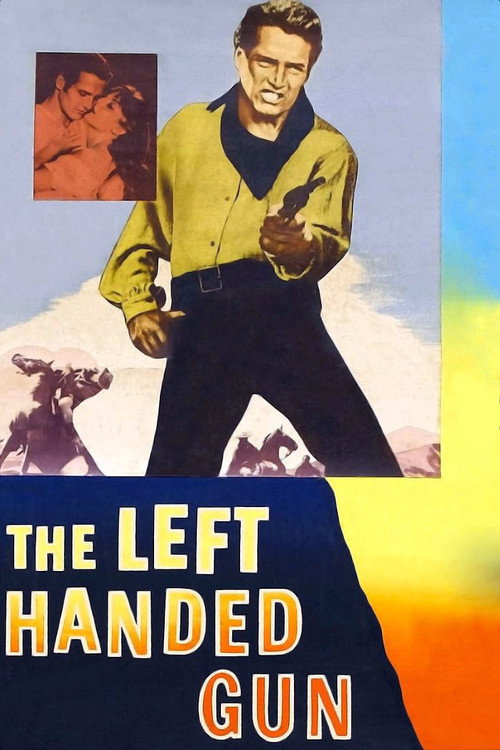
The Left Handed Gun1958
Penn's Billy the Kid is a confused, wounded kid rather than a hero—a Western that's actively interested in psychology and damage. Part of the same revisionist moment that took Ray seriously.
But Deliberately alienating and unstable. The lead is meant to be off-putting, which some mistake for bad acting.
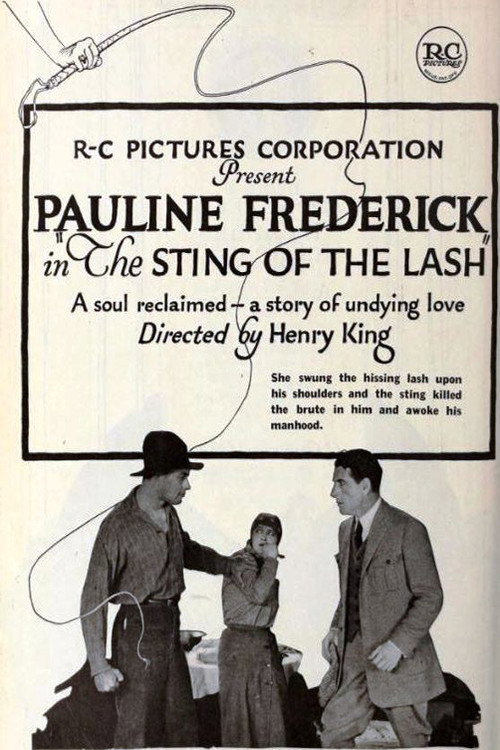
The Sting of the Lash1921
Both made the same year by two different auteurs wrestling with masculinity, legacy, and the cost of ambition. Ray shoots it in Technicolor brightness; Kurosawa in shadow. Same depth, different light.
Wait—scratch that. Try **Ikiru** instead. Kurosawa's 1952 contemporary, also this year, is about an aging man discovering what matters as he faces mortality. Not a Western, not about rodeos, but Ray and Kurosawa are asking the exact same question: what do you leave behind, and was it worth it?
But Japanese film, black-and-white, 143 minutes. Operates entirely in a register of quiet devastation. American audiences often find it slow.
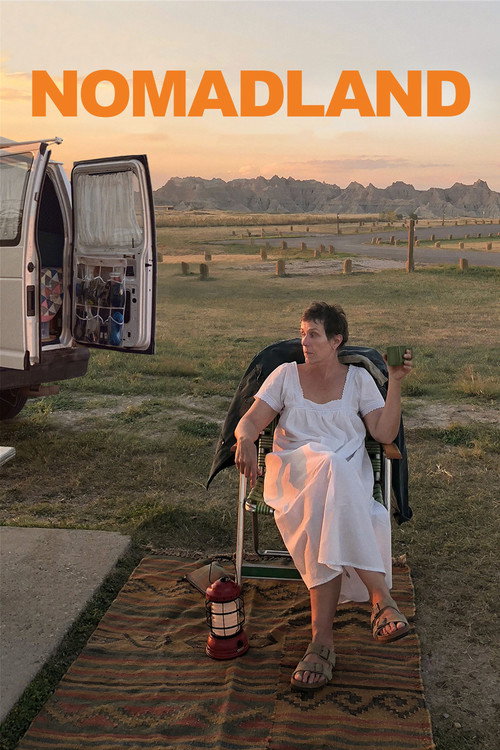
Nomadland2021
Both find dignity and beauty in the lives of working people without sentimentalizing struggle. Both shoot America as it actually is rather than as mythology.
Zhao's recent film is a documentary-inflected look at people living on the margins of the American dream, drifting through work that barely sustains them. Same compassion for economic casualties, same visual poetry applied to unglamorous American life, same refusal to make poverty poetic rather than real.
But Deliberately unheroic and slow. No plot arc, no redemption. If you need traditional narrative shape, this will feel like it goes nowhere.
People
Cast
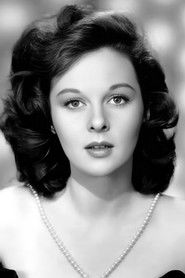 Susan HaywardLouise Merritt
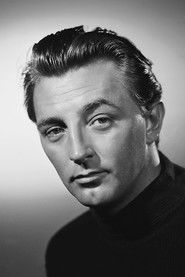 Robert MitchumJeff McCloud
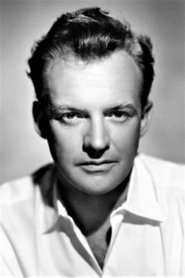 Arthur KennedyWes Merritt
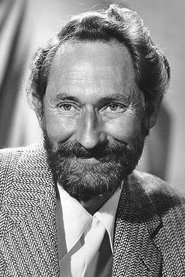 Arthur HunnicuttBooker Davis
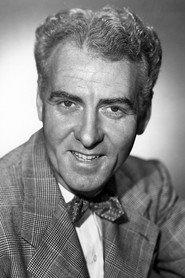 Frank FaylenAl Dawson
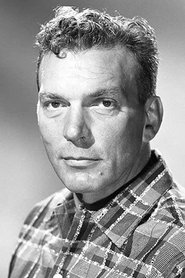 Walter CoyBuster Burgess
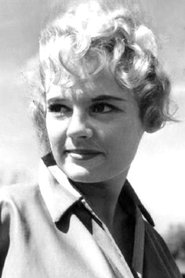 Carol NugentRusty Davis
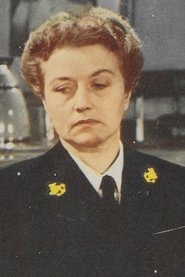 Maria HartRosemary Maddox
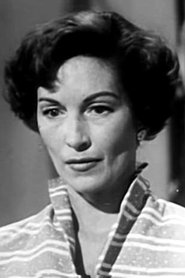 Lorna ThayerGrace Burgess
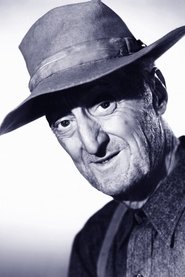 Burt MustinJeremiah Watrus
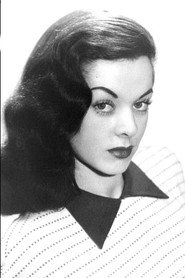 Karen RandleGinny Logan
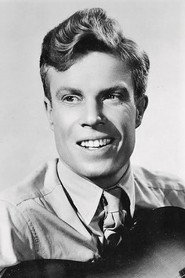 Jimmie DoddRed Logan
Directing
- Edward KillyAssistant Director
- Nicholas RayDirector
Writing
- Claude StanushStory
- Alfred HayesWriter
- Andrew SoltWriter
- David DortortWriter
- Horace McCoyWriter
- Jerry WaldWriter
Production
- Tom GriesAssociate Producer
- Jerry WaldProducer