
Film
The Left Handed Gun
Arthur Penn's 1958 debut is a psychological Western that treats Billy the Kid as a traumatized young man spiralling toward violence, not a folk hero. Newman gives a fidgety, vulnerable performance that predates the genre's revisionism. It's tense and strange—less about gunfights than about damage, obsession, and the machinery that grinds up troubled boys. For anyone ready to see the Western interrogate itself.
Should you watch it?
Watch it if you love revisionist Westerns that treat a legendary outlaw as a volatile, wounded young man, with Paul Newman's jittery, intense performance carrying a story more about grief and pride than gunfights.
Skip it if you want a classic shoot-'em-up with clean heroes and steady action, since this one is talkative, moody and deliberately unsettled, with its violence arriving in fits rather than set pieces.
What it asks of you: It runs about an hour and forty minutes at an unhurried pace, asking you to sit with long quiet stretches and a restless lead whose mood shifts from playful to brittle.
Not sure? Find tonight's pick in a minute.
If you liked this
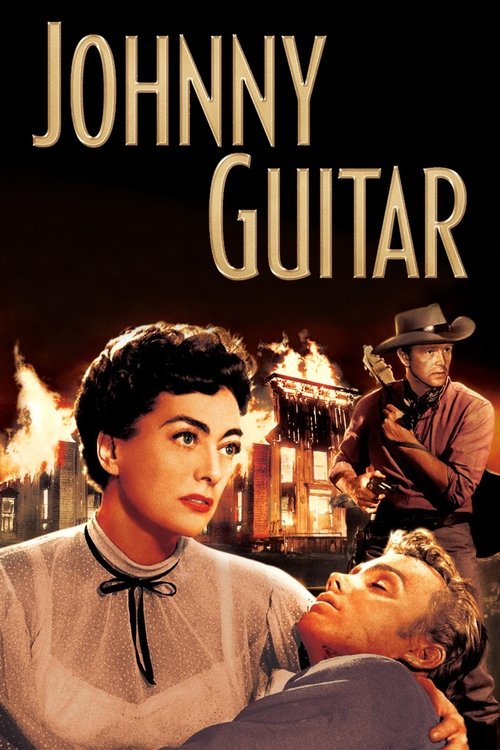
Johnny Guitar1954
Nicholas Ray's gender-bending Western foregrounds emotional intensity and psychological complexity over conventional heroics. Joan Crawford's gunslinger is wounded and driven by desire, much like Newman's Billy—both films treat violence as a symptom, not a solution.
But The pacing is deliberate and the drama is interior. If you want momentum and clear action beats, this will feel slow and oblique.
In a Lonely Place1950
Bogart as a man whose violent temperament and obsessive nature make him a danger to everyone around him. Ray's direction and the film's refusal to absolve its protagonist share Penn's interest in how rage becomes self-destruction.
But It's a noir, not a Western—the setting shifts the geography but the emotional terrain might feel repetitive if you've just watched Billy spiral.

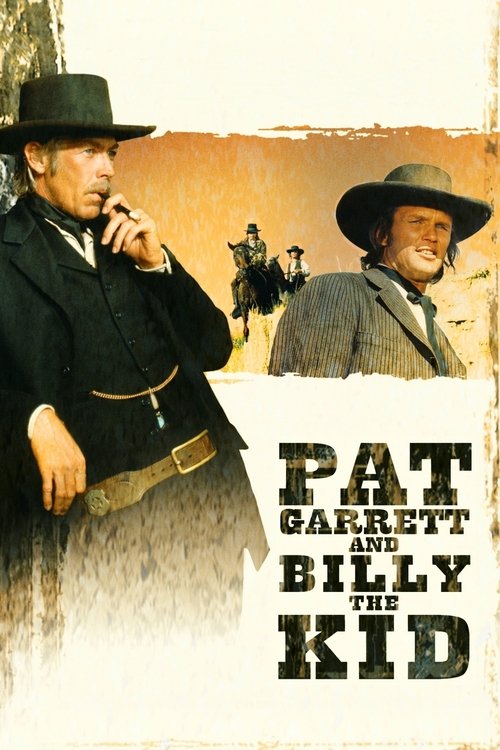
Pat Garrett & Billy the Kid1973
Peckinpah's elegiac take on the same legend, decades later. It's rawer, sadder, and more convinced of Billy's doom. A perfect companion piece that shows how the myth evolved and how later filmmakers deepened the tragedy.
But Peckinpah's violence is graphic and his editing is intentionally fractured. The film is deliberately anti-cathartic in ways that may frustrate rather than move you.
Not sure tonight? Get a pick in a minute, starting from The Left Handed Gun
The wildcard
Something you would not have found on your own.
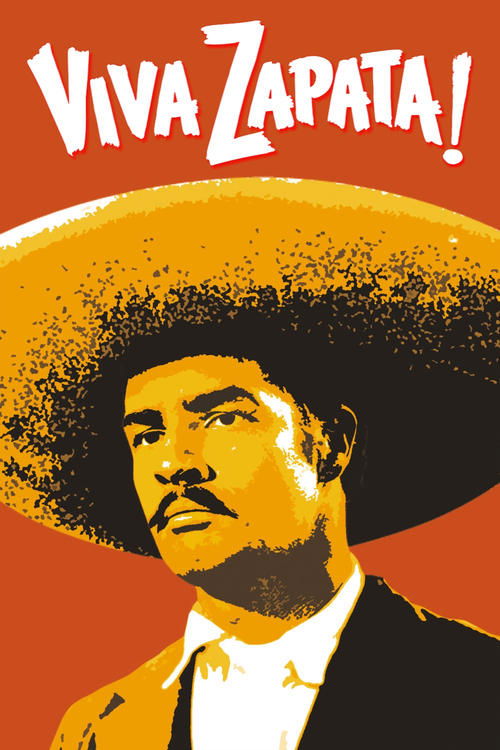
Viva Zapata!1952
Both films treat their famous outlaws as tragic figures trapped by the expectations of others and the weight of historical forces beyond their understanding.
Kazan's film about the Mexican revolutionary shares Penn's conviction that young men with grievances become tools and victims of larger forces. Brando's Zapata is politically aware in ways Billy is not, but the despair is identical: the system that creates rebels crushes them.
But It's a historical drama rather than a Western, and Kazan's didacticism can feel heavy. The politics are sometimes more important than the characters, which shifts the film's center of gravity.
More like this (7)
The Ballad of Little Jo1993
Maggie Greenwald's Western about survival and reinvention, where violence isn't romance but necessity. It shares Penn's interest in the damage the frontier inflicts on people, especially those without power or belonging.
But It's quiet and sad and distributed poorly—it takes patience to find and patience to sit with. Not a film for people who need their Westerns to feel triumphant.

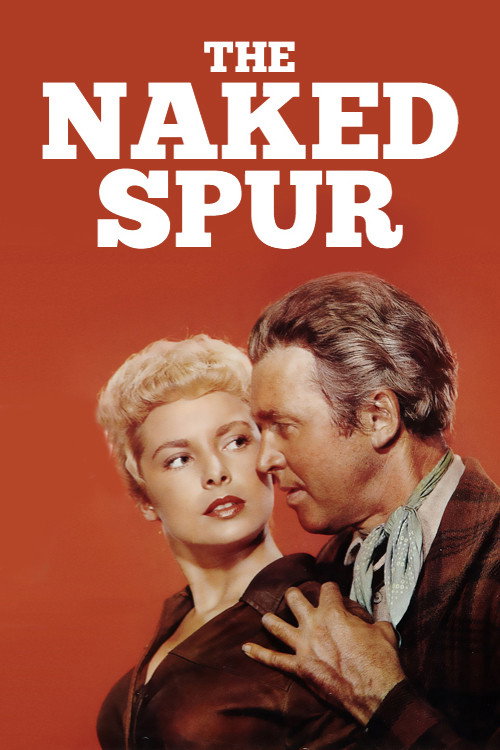
The Naked Spur1953
Anthony Mann's ruthless Western about a bounty hunter whose pursuit becomes warped by obsession and self-deception. The psychological texture and the way violence corrodes everyone it touches echoes what Penn saw in the Billy legend.
But The film is short on romance and character sympathy. Its view of men is unforgiving, which can feel cold if you prefer moral clarity.
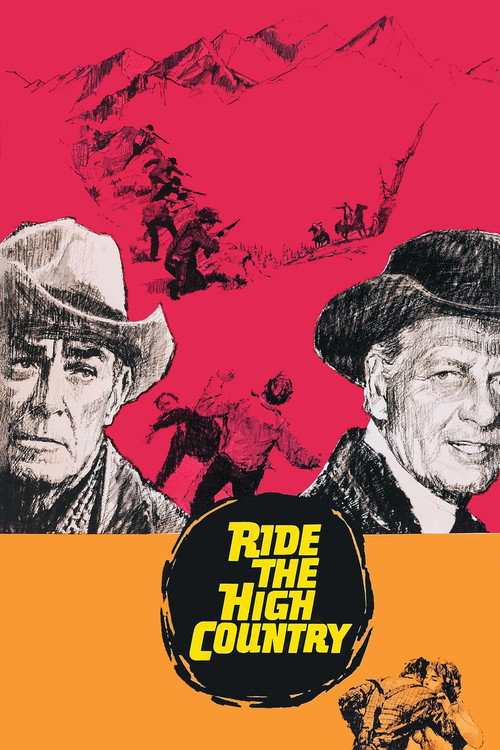
Ride the High Country1962
Joel McCrea and Randolph Scott as aging lawmen confronting obsolescence and moral compromise. Like Penn's film, it's interested in the psychological weight of violence and the question of who we become when the world moves on without us.
But The style is measured and the action is sparse. Westerns that move at this tempo demand your full attention and patience.
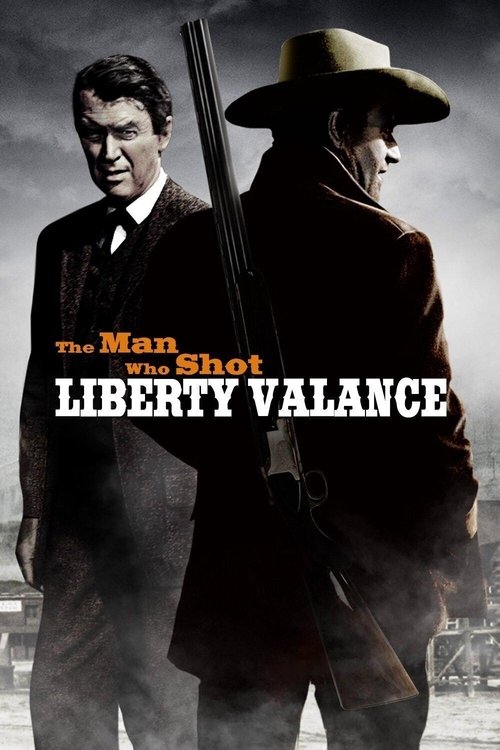
The Man Who Shot Liberty Valance1962
Ford's meditation on myth-making and the cost of heroism. Print the legend, he says—and the film shows us the damage caused by the gap between story and truth, which is exactly what Penn's Billy explores.
But It's talky and shot on a soundstage, which undercuts the Western's visual power. Some find it stagey and claustrophobic rather than intimate.
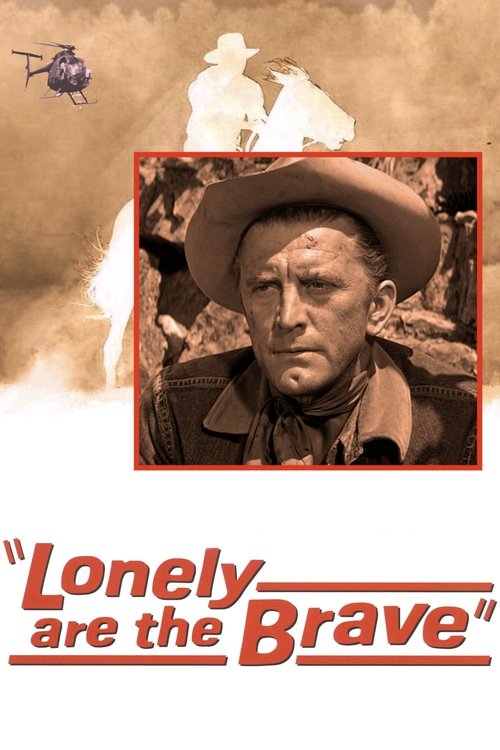
Lonely are the Brave1962
Kirk Douglas as a modern cowboy unable to fit into a world that has passed him by, pursued relentlessly across a landscape that offers no safety. The tone—desperate, elegiac, slightly absurd—matches Penn's understanding of how the West ends not with glory but with erasure.
But The film is small and character-focused. Its sadness doesn't build to catharsis; it just settles deeper, which can feel pointless if you need resolution.
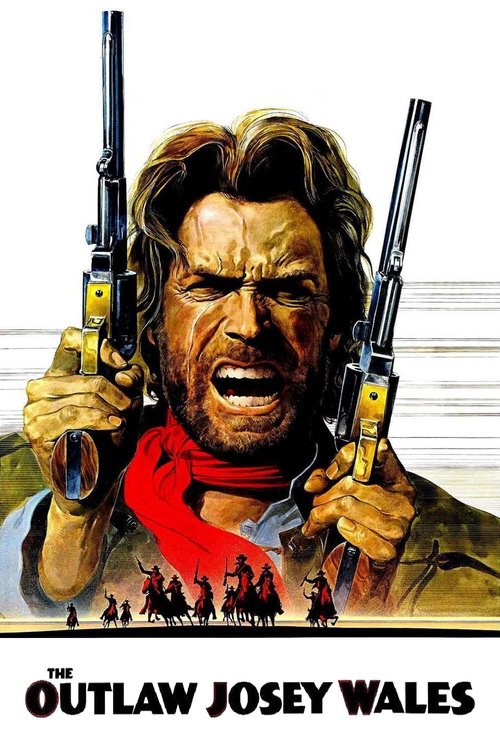
The Outlaw Josey Wales1976
Eastwood's film about a man driven by grief and revenge, trying and failing to leave violence behind. It has moments of Penn's psychological interest, even if it ultimately lets its hero off easier than Penn ever would.
But It's more myth than psychology, and the heroism is still intact. If you're watching for Penn's unflinching critique of the frontier, this softens the blow too much.
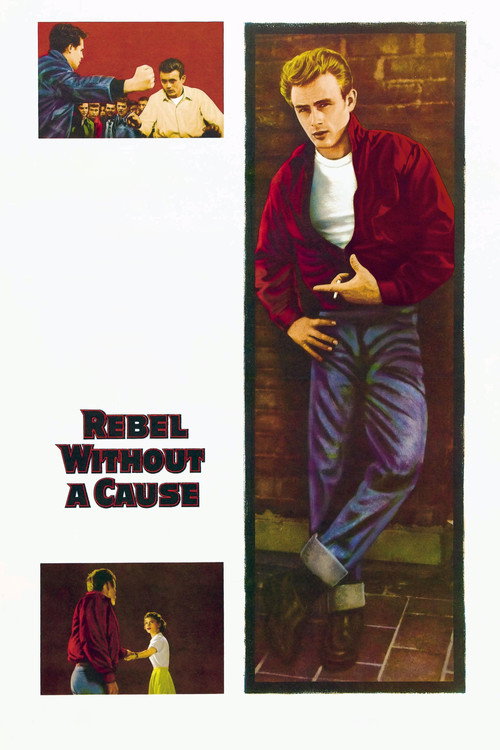
Rebel Without a Cause1955
Penn learned from Dean how to film vulnerability as something frightening; Billy the Kid is Rebel without a Cause in period dress, about a young man whose emotional damage makes him lethal.
James Dean as a boy whose rage and pain have no outlet and no cure—he's Billy the Kid in a 1950s suburb, and Penn had already directed Dean on stage. The film has the same interest in how youth becomes dangerous when it has no place to go.
But It's not a Western, and its melodrama is explicit rather than coded. If you want the frontier language and the iconography intact, this psychological reframing will feel like it's missing the point.
People
Cast
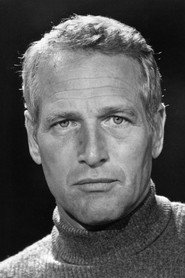 Paul NewmanBilly The Kid
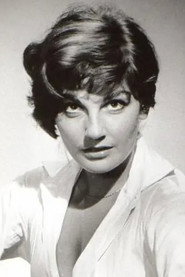 Lita MilanCelsa
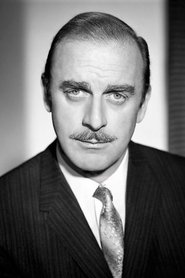 John DehnerPat Garrett
 Hurd HatfieldMoultrie
 James CongdonCharlie Boudre
 James BestTom Folliard
 Colin Keith-JohnstonJohn Tunstall
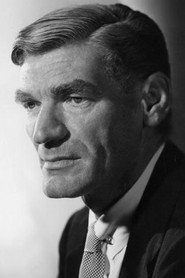 John DierkesAlexander McSween
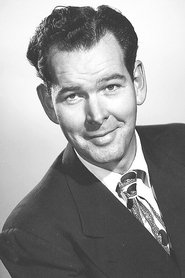 Robert AndersonHill
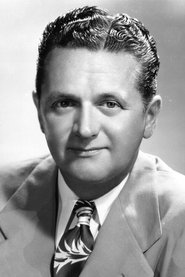 Wally BrownDeputy Moon
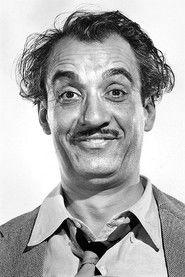 Martín GarralagaSaval
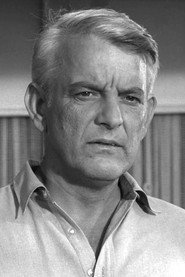 Denver PyleOllinger
Directing
- Russell SaundersAssistant Director
- Arthur PennDirector
- Jack VoglinFirst Assistant Director
- Irva Mae RossScript Supervisor
Writing
- Leslie StevensScreenplay
- Gore VidalTheatre Play
Recommended by
Viva Zapata!, The Misfits, Pursued, The Young Land, The Lusty Men, The Gunfight at Dodge City, The Outlaw, The Outcast