
Film
The Gunfight at Dodge City
A 1959 Western where Bat Masterson trades his gun for a ballot after his brother's death. Joel McCrea plays a man caught between frontier violence and civic duty, learning that law sometimes matters more than vengeance. It's a quieter, more introspective Western than its title suggests—less about shootouts than about choosing sides.
If you liked this
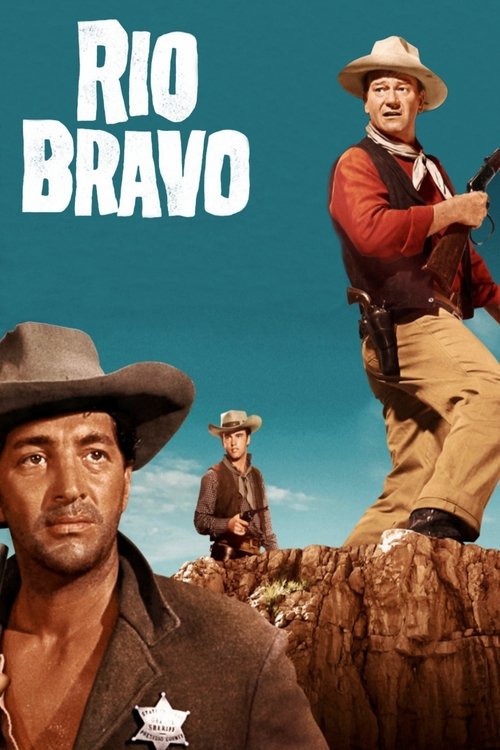
Rio Bravo1959
Hawks' masterpiece about a sheriff and allies under siege. McCrea plays similar moral ground here, but Rio Bravo is the gold standard—tighter plotting, richer character work, and one of the great American films.
But It's 141 minutes and moves at its own pace. If you want constant action, the deliberate rhythm will test your patience.
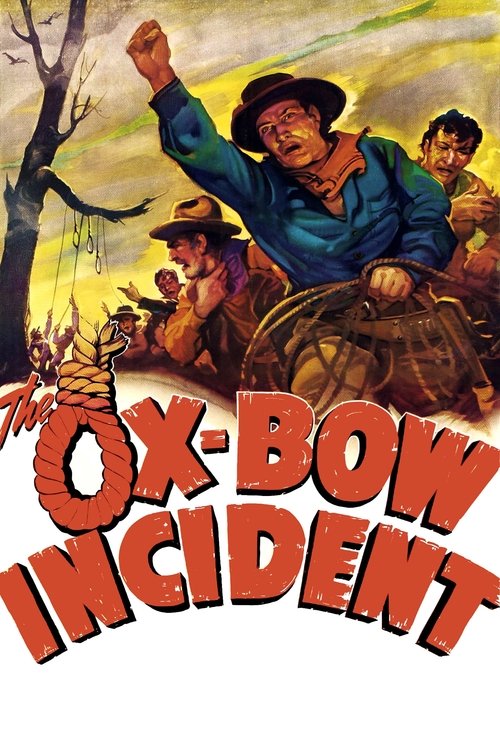
The Ox-Bow Incident1943
A Western about mob justice and the cost of inaction—the moral spine Masterson grapples with. Henry Fonda leads a lynch mob; this film turns the genre inward to ask hard questions about complicity.
But It's bleak and tragic. There's no catharsis, only the weight of what people do to each other. Ends darker than you might want.
Johnny Guitar1954
Maverick Western about a woman running a saloon while men fight for control. Like Masterson, it's interested in authority and power structures, but stranger and more stylized—Joan Crawford's intensity rewires the genre.
But It's genuinely peculiar and divided critics on release. The sexual politics are murky in ways that might frustrate or intrigue depending on your tolerance for ambiguity.

Not sure tonight? Get a pick in a minute, starting from The Gunfight at Dodge City
The wildcard
Something you would not have found on your own.
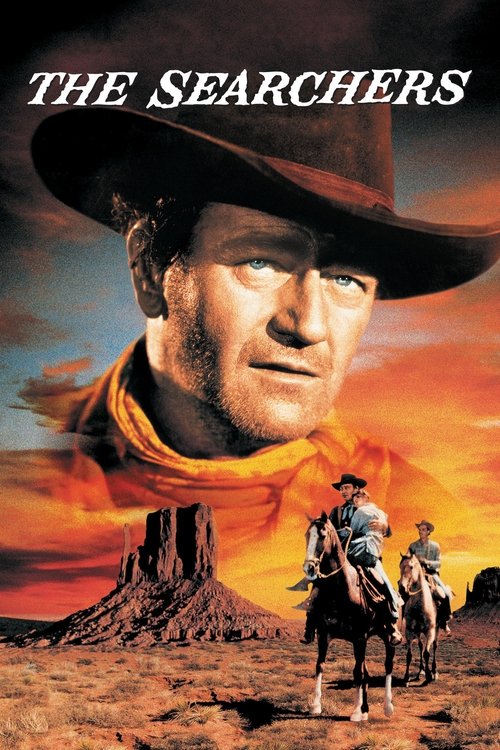
The Searchers1956
Both track a man forced to choose between private vengeance and public duty. Masterson chooses the ballot; Ethan chooses solitude. The Searchers shows what happens when that choice goes terribly wrong.
Ford's masterpiece. John Wayne hunts his kidnapped niece across years of desert. It's about obsession and racism and the frontier myth's darkness—everything Masterson touches on spiritually but never quite names. Devastating.
But It's long, austere, and morally complicated. Wayne's character is not likeable. Requires patience and willingness to sit with ugliness.
More like this (8)
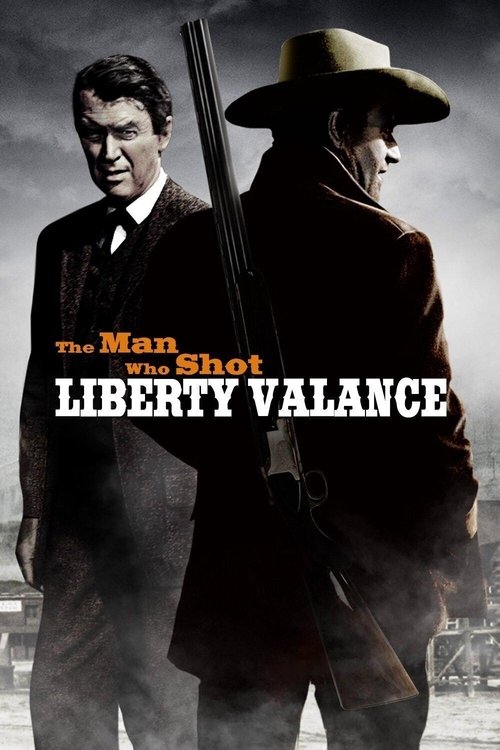
The Man Who Shot Liberty Valance1962
Ford's elegy for the West. A man becomes a legend through a lie, then must live with what he's become. It's about the gap between myth and reality, shot through with genuine sadness about what civilization costs.
But Shot in black-and-white on a studio set, it looks stagy. The mood is elegiac rather than exciting. If you want landscape and action, look elsewhere.
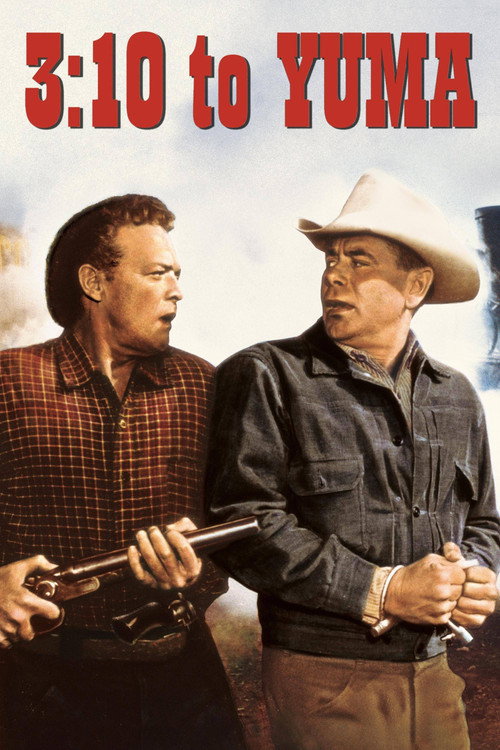
3:10 to Yuma1957
A poor farmer must guard a captured outlaw for a train ride. Glenn Ford and Van Heflin generate tension from dialogue and moral complexity rather than gunfire. Economy of storytelling—it knows exactly what it is.
But Nothing explodes. The whole thing is a conversation between two men. If you need spectacle, this will feel thin.
The Ballad of Little Jo1993
A woman survives the frontier by disguising herself as a man. It has Masterson's interest in identity and role-playing, but with real historical texture and a sharper, more feminist edge.
But It's quiet and interior. Some find it slow; others find that slowness essential. The gender play asks more than it answers.

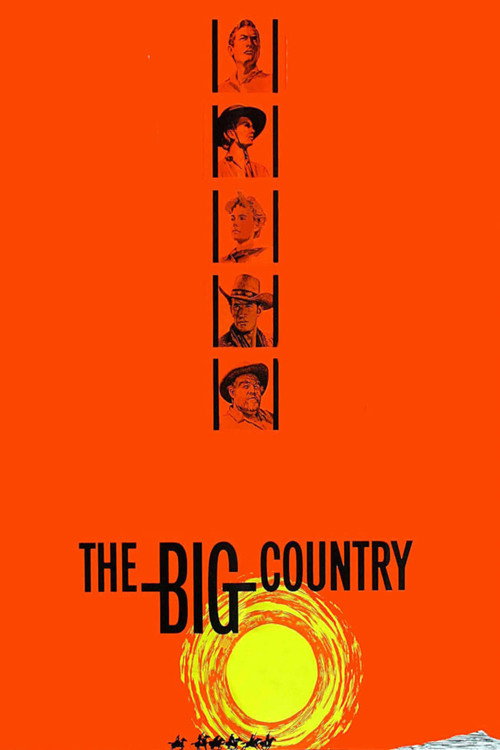
The Big Country1958
Gregory Peck as a man trying to bring reason to a range war. Like Masterson, it's a Western skeptical of violence as a solution. Sprawling, beautifully shot, with real stakes and fine supporting work.
But Runs 166 minutes. The ranch-feud plot can feel repetitive. Not everyone has the patience for a Western this deliberate.
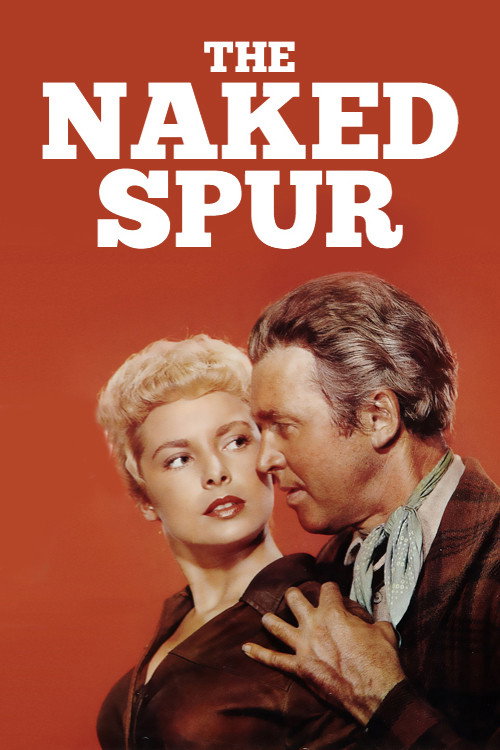
The Naked Spur1953
A bounty hunter escorts a killer across dangerous country. Anthony Mann's tense, morally murky take on the genre. It shares Masterson's interest in men defined by violence suddenly forced to reckon with consequences.
But It's grim and claustrophobic. The landscape is beautiful but hostile. Won't lift your spirits if you want escapism.
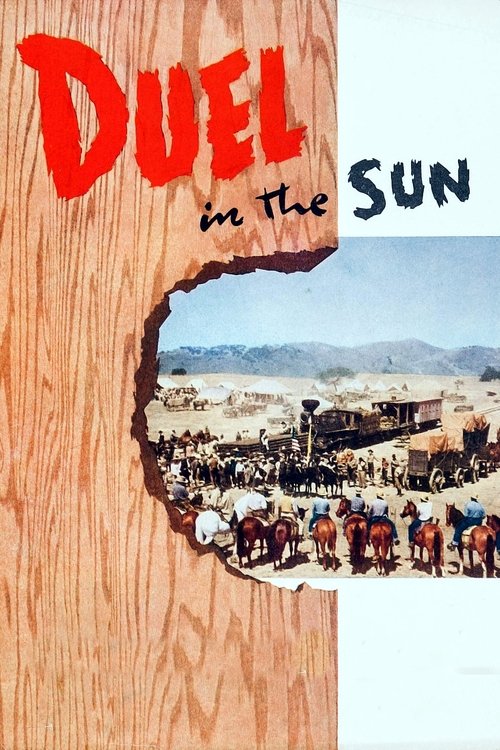
Duel in the Sun1946
King Vidor's melodramatic, Freudian Western with Pearl Chauvin and Gregory Peck. It's florid and strange, a reminder that the genre could be operatic. A tonic if you're tired of restraint.
But The excess is visible and sometimes unintentional. It tips into camp, which thrills some viewers and embarrasses others. The sexual politics are of its era—sometimes distasteful.
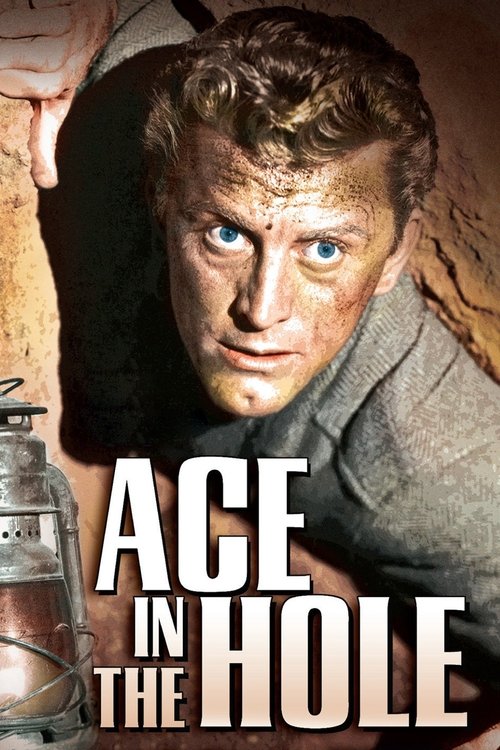
Ace in the Hole1951
Both explore what it costs a man to do the right thing when money and power pull the other way. Masterson chooses principle; this film asks what principle is worth when no one else shares it.
Wilder's savage film about a reporter exploiting a man trapped in a mine. Billy Holden is magnificent and horrible. It's a Western in DNA only, but it shares Masterson's interest in men who must decide whether to profit from violence or stand against it.
But It's cynical and cruel. There's almost no warmth or redemption. If you need heroes to be heroic, this will poison your evening.
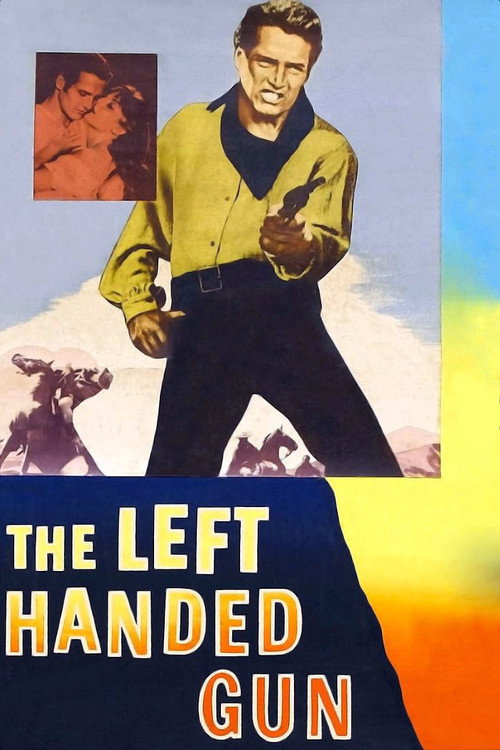
The Left Handed Gun1958
Both deconstruct the Western hero by asking what happens when that hero stops performing. Masterson and Billy are trapped between who they were and who they're told they should be. Penn's film is far more experimental about that trap.
Newman as Billy the Kid in Penn's debut. A chamber Western about loyalty, betrayal, and the mythology of the outlaw. Shot live on video, then transferred—it has a strange, intimate texture unlike any other Western. Strange, beautiful, ahead of its time.
But The video-to-film transfer is visible and dated. The pacing is oblique. Viewers used to clean, polished Westerns will find it jarring and possibly pretentious.
People
Cast
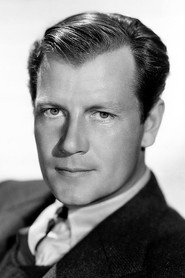 Joel McCreaBat Masterson
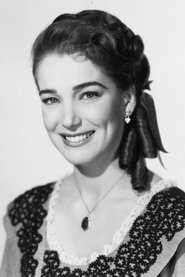 Julie AdamsPauline Howard
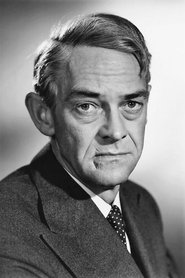 John McIntireDoc Sam Tremaine
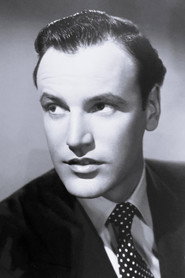 Richard AndersonDave Rudabaugh
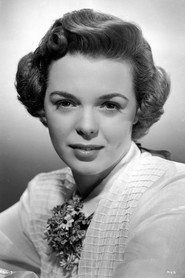 Nancy GatesLily
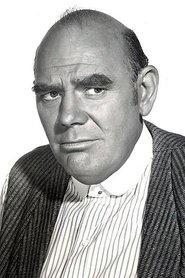 James WesterfieldReverend Howard
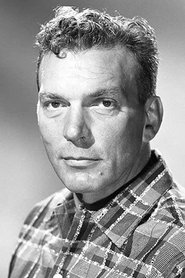 Walter CoyBen Townsend
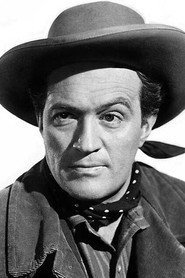 Don HaggertySheriff Jim Regan
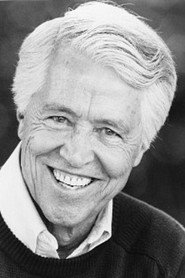 Wright KingBilly Townsend
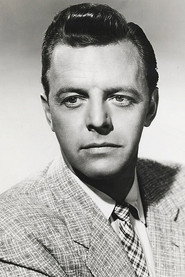 Harry LauterCity Marshal Ed Masterson
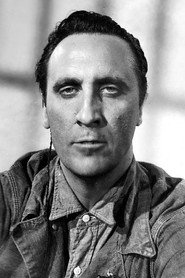 Timothy CareyForbes
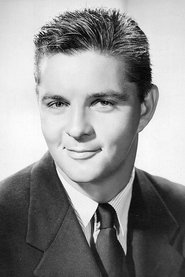 John MitchumRowdy Drunken Cowboy
Directing
- Joseph M. NewmanDirector
Writing
- Daniel B. UllmanIdea
- Daniel B. UllmanScreenplay
- Martin GoldsmithScreenplay
Production
- Walter MirischProducer