
Film
Pursued
A psychological Western about a traumatised orphan raised by strangers, haunted by fragmented memories of his family's murder. Raoul Walsh transforms the genre into something darker and more interior, all Gothic shadows and Freudian tangles. It's a grown-up film for viewers who want their Westerns complicated by genuine damage and moral ambiguity.
Should you watch it?
Watch it if you like psychological westerns that feel like a nightmare dressed in sagebrush, with shadowy flashbacks, brooding compositions and a dread that builds slowly.
Skip it if you want a straightforward oater with open landscapes and easy heroics; the talk is heavy, the mood murky, and the puzzle-box storytelling can feel stiff.
What it asks of you: A patient, shadowed pace across about a hundred minutes, with dreamlike flashbacks and long silences that reward close attention rather than casual viewing.
Not sure? Find tonight's pick in a minute.
If you liked this
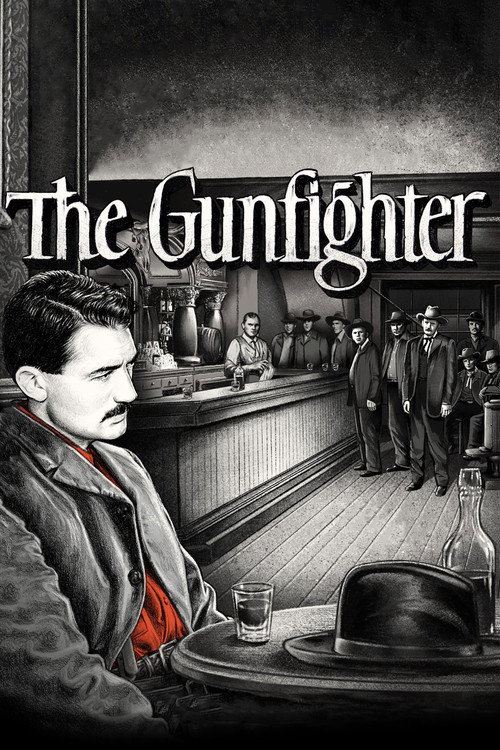
The Gunfighter1950
Gregory Peck as a legendary gunslinger trying to escape his reputation and violent past. A meditative Western about the cost of fame and the impossibility of redemption, with real emotional weight beneath the shoot-outs.
But It's slow and introspective in ways that can feel static if you're after action or clear heroics. The atmosphere of fatigue might feel like ennui.
Johnny Guitar1954
Nicholas Ray's fever dream of a Western, built on obsession, desire, and psychological complexity rather than law-and-order plots. Joan Crawford is extraordinary. The film abandons genre conventions in favour of pure emotional truth.
But It's genuinely strange and sometimes the strangeness overwhelms the story. If you want a traditional plot, this will frustrate you.

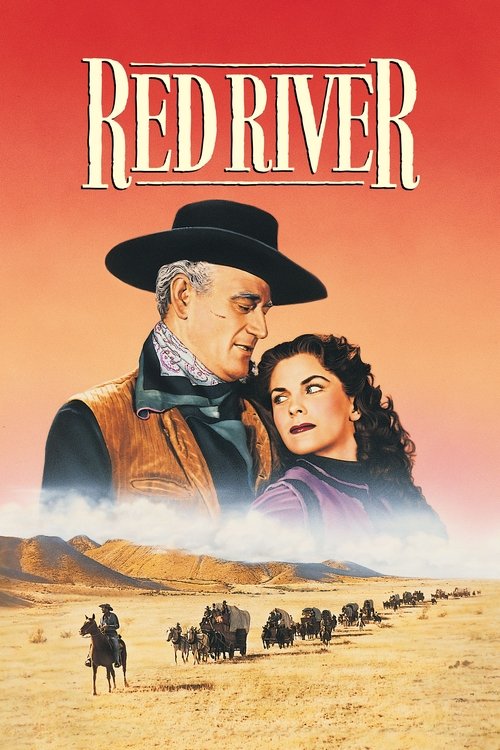
Red River1948
Howard Hawks's epic cattle drive becomes a study of father-son conflict, pride, and the toxicity of absolute authority. Montgomery Clift and John Wayne are locked in a real psychological battle that makes the Western feel freshly dangerous.
But It's long and the middle stretches are devoted to cattle herding logistics. The romance feels obligatory, tagged on at the end.
Not sure tonight? Get a pick in a minute, starting from Pursued
The wildcard
Something you would not have found on your own.
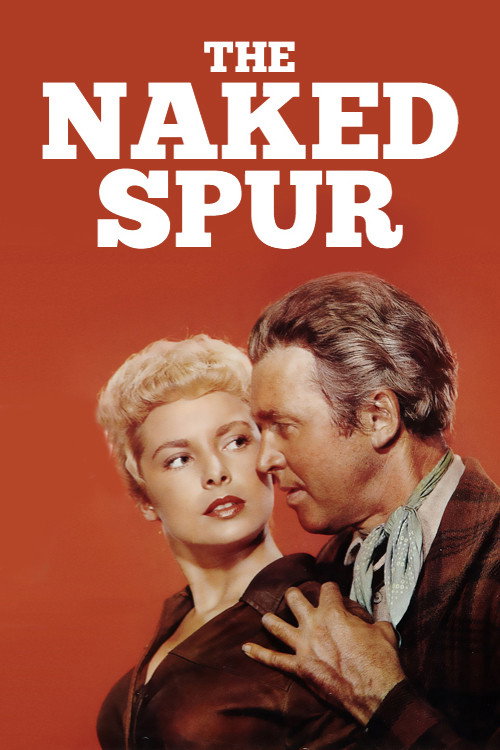
The Naked Spur1953
Both films use the Western setting to explore psychological trauma that cannot be escaped or easily resolved. Landscapes of memory and guilt, pasts that hunt the present. The wounded protagonist trying to build a life while haunted.
Anthony Mann and James Stewart's most savage collaboration: a Western that's also a psychological thriller about five damaged men hunting a bounty, each carrying different wounds and motivations. It's as much about internal damage as external violence, and the landscape becomes a character of moral weight.
But It's relentlessly bleak. There's no relief, no comedy, no moment where you can rest. If you watch Westerns for escape or catharsis, this will exhaust rather than satisfy you.
More like this (8)
The Ballad of Little Jo1993
A Western that deconstructs gender, violence, and survival in the frontier. Suzy Amis is magnetic, and the film has the same moral complexity and refusal of easy answers that makes Pursued so distinctive.
But It's a revisionist Western, which means it's actively arguing against the myths. Some find that didactic. The pacing is deliberate.

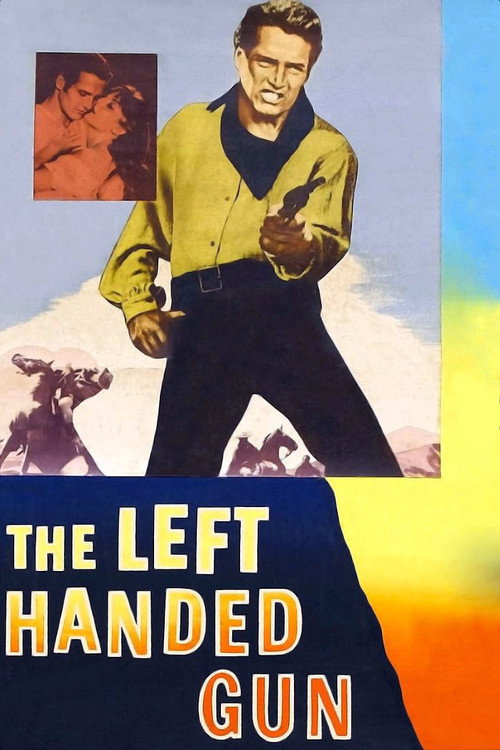
The Left Handed Gun1958
Arthur Penn's debut gives Paul Newman's Billy the Kid real psychological depth: traumatised, impulsive, capable of tenderness. It reads Billy as a damaged kid rather than an outlaw, and the film is all the more haunting for it.
But The black-and-white TV-movie aesthetic feels cramped. Some scenes feel more theatrical than cinematic, which some viewers find stagey.
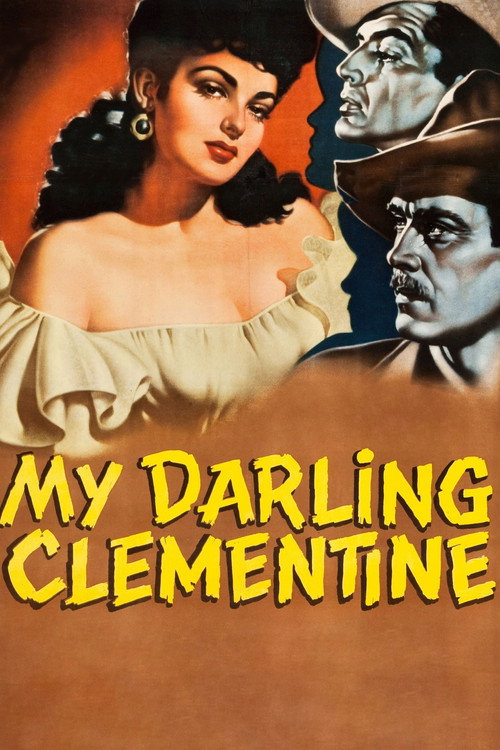
My Darling Clementine1946
John Ford's meditation on law, order, and the taming of the West. Wyatt Earp and Doc Holliday's friendship anchors a film about civilization arriving and what it costs. Beautiful, elegiac, and deeply felt.
But The pacing is leisurely and the plot is thin. If you're after plot momentum, Ford's interested in something else entirely. Some find it slow.
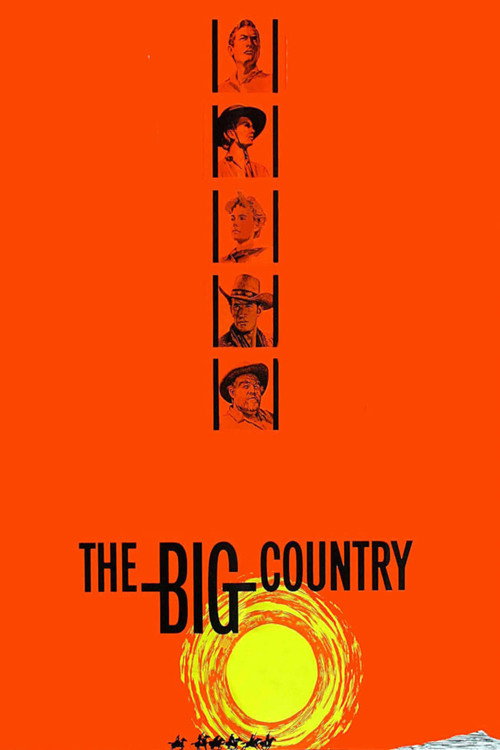
The Big Country1958
William Wyler's epic about a man trying to find his place in a hostile landscape, caught between two warring families. Gregory Peck refuses to play the hero, choosing integrity over action, and the film's about that difficult choice.
But It's nearly two and a half hours and sometimes it feels that length. The love story is secondary and may disappoint if you're watching for romance.
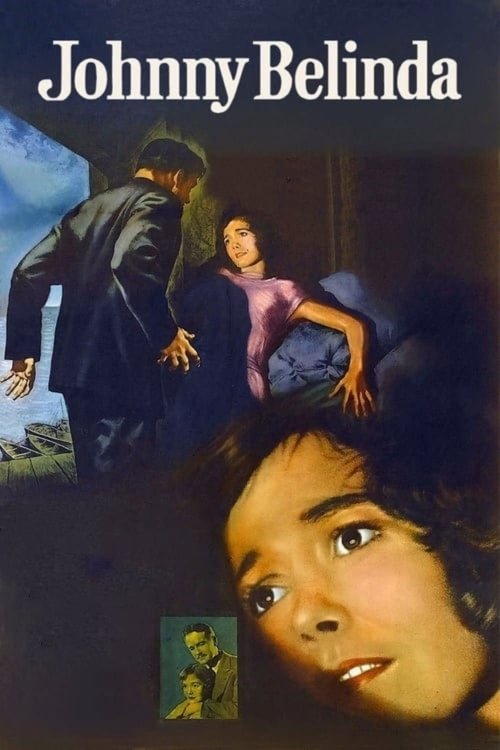
Johnny Belinda1948
Jane Wyman as a deaf woman in a small community, victimised and then fighting for dignity and survival. It's a Western character study about trauma, shame, and redemption, with real emotional stakes and a lead performance that's devastating.
But It's heavy. The sexual violence is confronted directly, not glossed over, which some viewers find difficult. It's not cathartic in traditional ways.
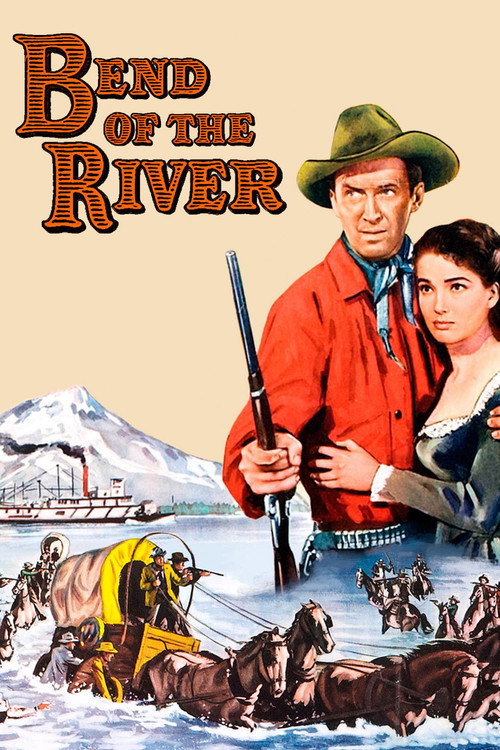
Bend of the River1952
Anthony Mann and James Stewart collaborating on a Western about a man with a violent past trying to build something new. It has the same interest in psychological damage and the past refusing to stay buried that gives Pursued its power.
But It's more straightforward as narrative than Pursued, less stylistically adventurous. Some find it a conventional Mann Western, competent but not revelatory.
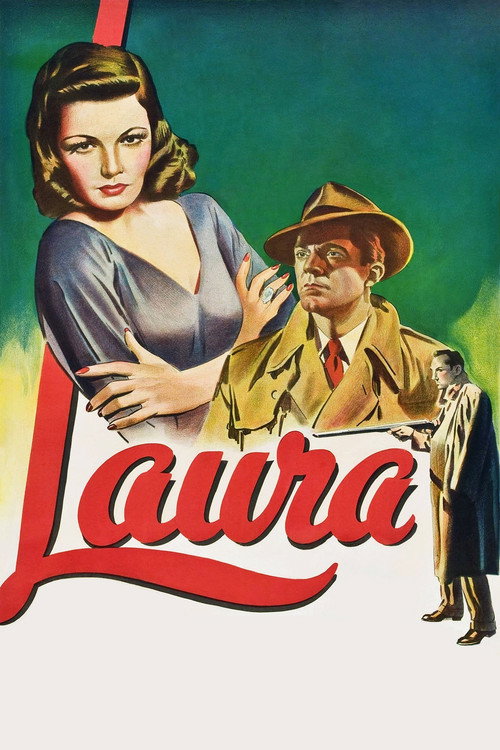
Laura1944
Both films are built on obsession and the way trauma fractures memory and identity. Both use a mystery of the past to explore present psychological states. The detective work is internal.
Otto Preminger's film noir about obsession, desire, and the way a dead woman continues to haunt a living man's imagination. It's a murder mystery structured around psychology rather than detection, with that same sense of nightmare logic and the past overwhelming the present.
But It's a drawing-room mystery, not action-driven. The resolution depends on you caring about emotional architecture rather than plot mechanics. Some find noir from this era dated in its attitudes toward women.
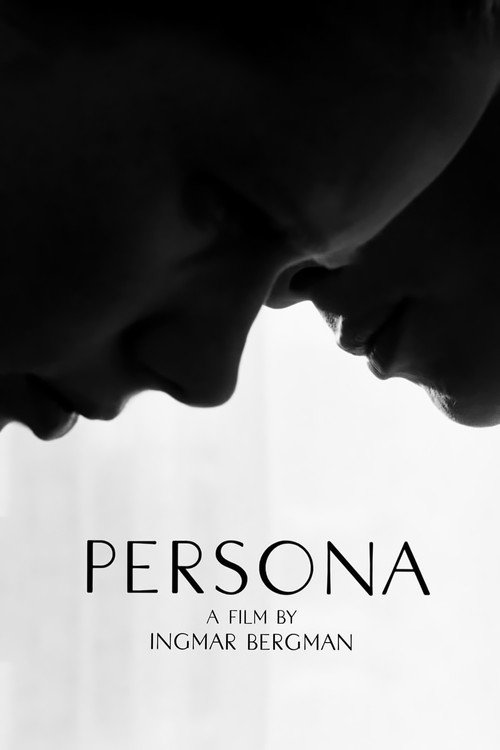
Persona1966
Like Pursued, it treats cinema itself as a form of accessing the unconscious—fractured images, recurring symbols, the visual language of trauma. Both films suggest that some wounds are too deep for dialogue or plot resolution.
Bergman's masterpiece about two women whose identities begin to merge and collapse. It's the apotheosis of cinema as pure psychological exploration—no plot, just the texture of consciousness, memory, guilt, and the impossibility of ever truly knowing another person or yourself.
But It's demanding and abstract. There is no conventional narrative. It's 84 minutes that can feel like four hours. If you want your cinema to be clear and accessible, this will defeat you.
People
Cast
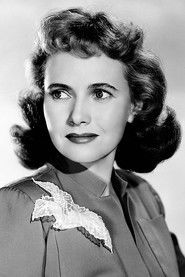 Teresa WrightThor
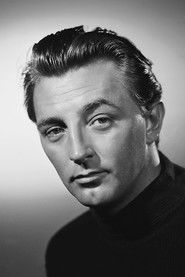
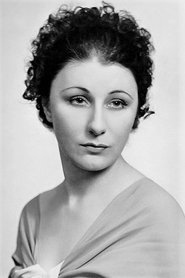 Judith AndersonMrs. Callum
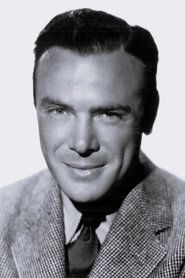 Dean JaggerGrant
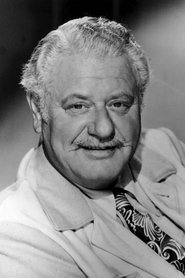 Alan HaleJake Dingle
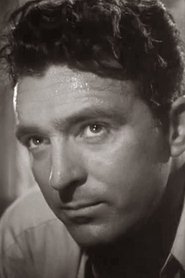 John RodneyAdam
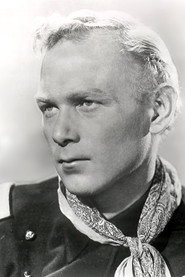 Harry Carey Jr.Prentice
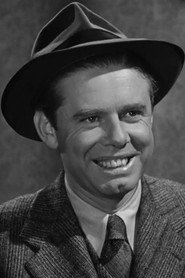 Clifton YoungThe Sergeant
- Ernest SevernJeb, Age 11
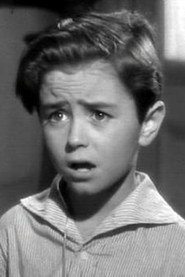 Charles BatesAdam, Age 11
- Peggy MillerThor, Age 10
- Norman JolleyA Callum
Directing
- Russell SaundersAssistant Director
- Raoul WalshDirector
Writing
- Niven BuschScreenplay
Production
- Milton SperlingProducer
Recommended by
The Plainsman, The Great Man's Lady, Black Bart, The Gay Caballero, Desert Gold, Santa Fe