
Film
The Young Land
A 1959 Western examining justice and prejudice when an American gunslinger is tried for killing a Mexican man in post-war California. It's a thoughtful courtroom drama dressed in period clothes, asking whether law can be fair when power is unequally distributed. For viewers curious about how Hollywood tackled racial tensions before it became comfortable to do so.
If you liked this
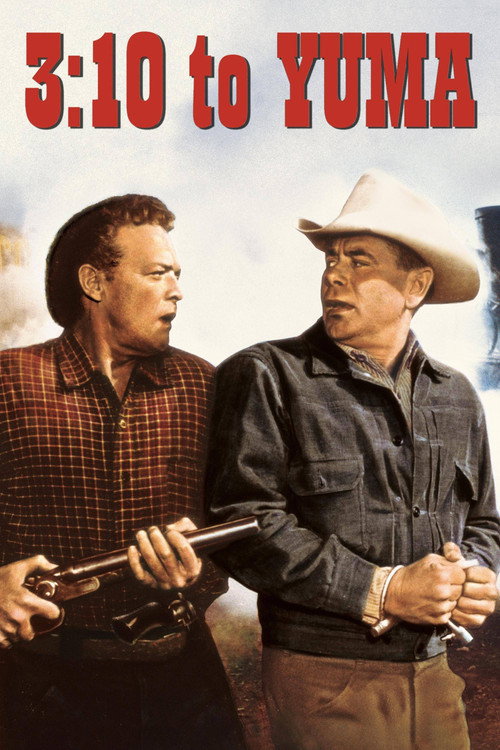
3:10 to Yuma1957
A tense psychological Western where dialogue matters more than gunplay. Glenn Ford and Van Heflin create unbearable tension in a single room, exploring morality and desperation with surgical precision.
But If you're after galloping heroics and clear-cut good guys, the moral ambiguity and slow-burn intensity might feel claustrophobic.
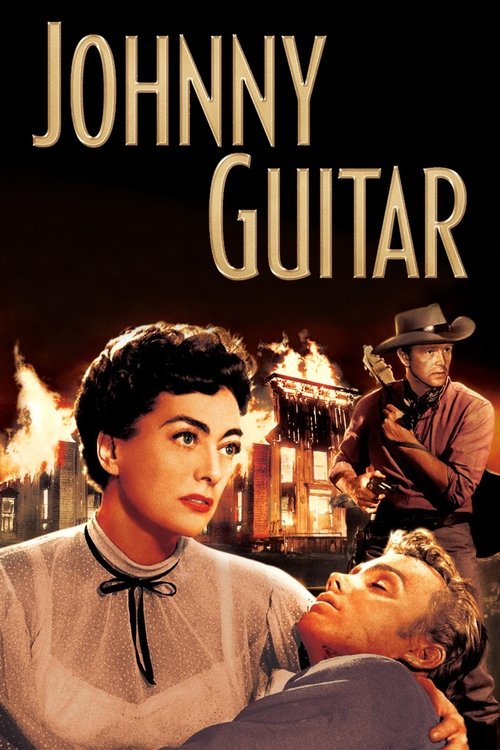
Johnny Guitar1954
An audacious Western that inverts every convention—a female protagonist runs the saloon, emotions trump bullets, and it's visually strange and hypnotic. Joan Crawford is magnificent.
But It's genuinely weird by any standard. The pacing is mannered and the plot secondary to mood, which will frustrate anyone wanting a conventional narrative.
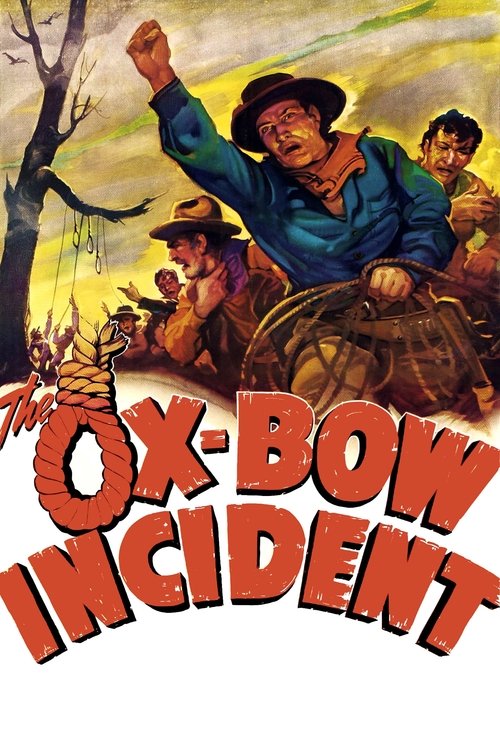
The Ox-Bow Incident1943
A damning examination of mob justice and the fragility of civilization. It builds dread methodically and ends with a punch that still lands. Henry Fonda gives one of his finest performances.
But It's relentlessly grim and offers no catharsis. The lynch-mob inevitability will feel suffocating if you need your Westerns to affirm faith in humanity.
Not sure tonight? Get a pick in a minute, starting from The Young Land
The wildcard
Something you would not have found on your own.
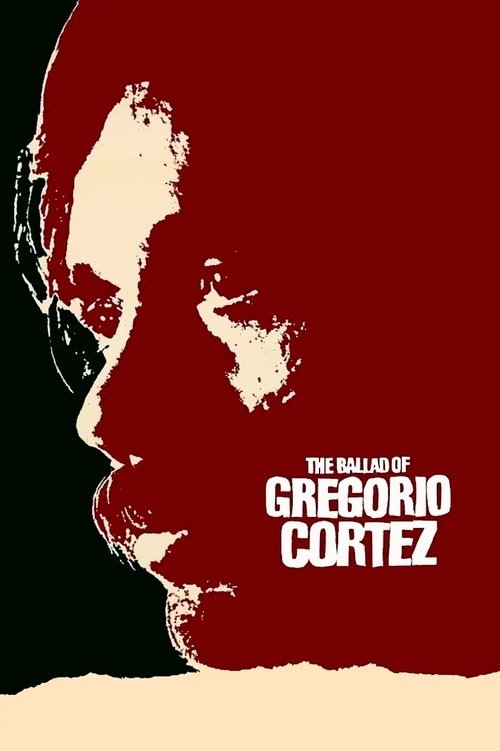
The Ballad of Gregorio Cortez1983
Both films stage trials of men from one culture accused by another, asking whether the law can be an honest instrument when power is tilted by history and prejudice.
A border ballad made film: a Mexican-American man wrongly accused of murder flees across Texas. Edward James Olmos is magnetic, and it's shot with documentary restraint. A true story that deserves to be known.
But It's a modest production made for television, which shows in the cinematography. The pacing is deliberate and it won't give you conventional Western thrills.
More like this (7)
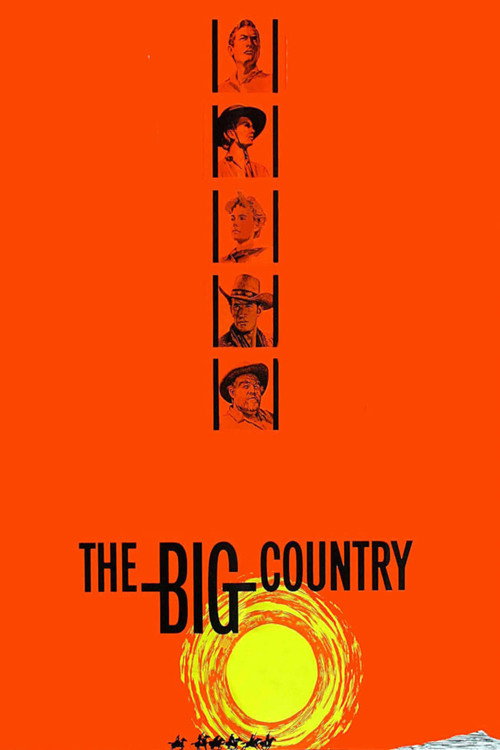
The Big Country1958
An epic with real moral weight, anchored by Gregory Peck's quiet integrity. It's a film about choosing peace over pride, and the landscape itself becomes a character examining human smallness.
But At nearly two and a half hours, it moves deliberately. The family-feud premise feels soap-operatic if you're not patient with its deliberate unfolding.
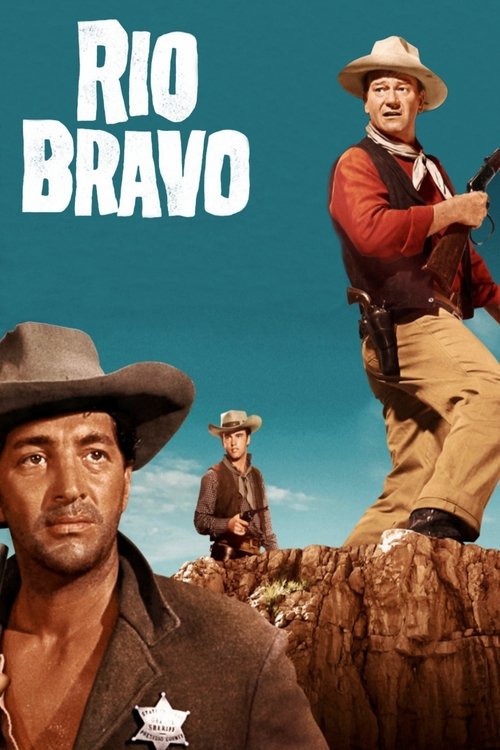
Rio Bravo1959
Hawks' masterpiece of masculine constraint and loyalty. John Wayne plays against type—weary, uncertain—while the dialogue sparkles with wit. It's about people talking, waiting, and what they owe each other.
But There's very little plot. If you need action or forward momentum, watching characters sit in a jail for two hours will feel like watching paint dry.
The Ballad of Little Jo1993
A revisionist Western about gender, identity, and survival set in the 1880s frontier. Suzy Amis delivers a sly, complex performance as a woman who passes as a man to stay alive.
But It's unglamorous and often dull by design. The film moves at its own pace and demands patience; it has no interest in entertaining you conventionally.

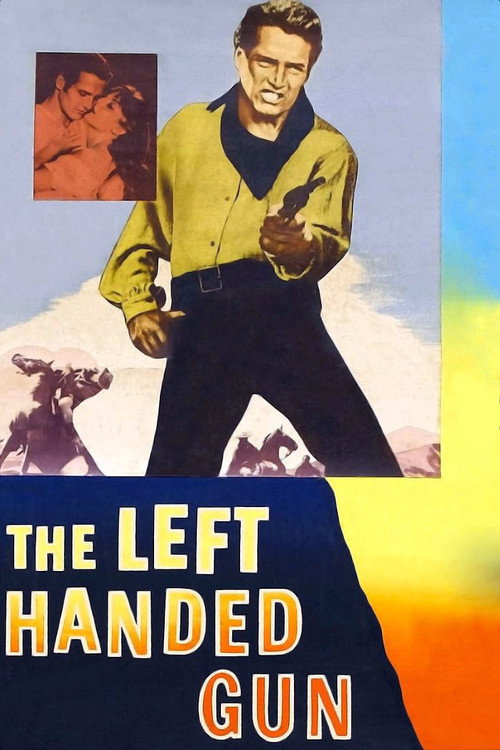
The Left Handed Gun1958
Paul Newman's first film, a psychological deconstruction of Billy the Kid that strips away mythology. It's tense, strange, and treats violence as ugly and destabilizing rather than cathartic.
But It's visually stark and emotionally claustrophobic. If you want a rousing outlaw saga, this bitter character study will feel cold and unrewarding.
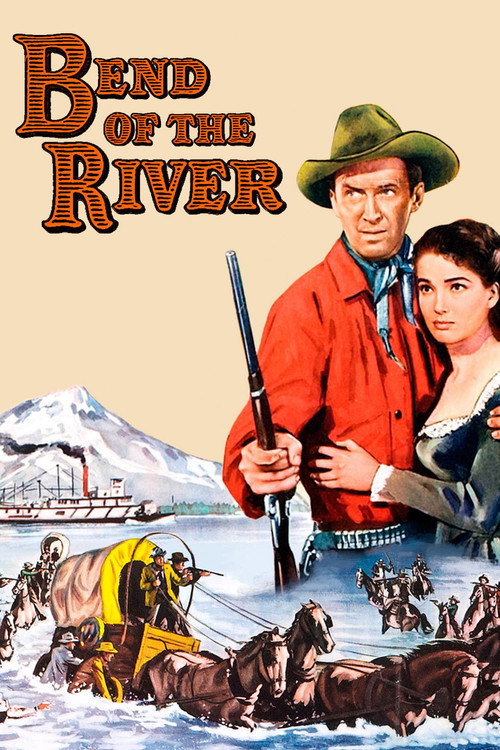
Bend of the River1952
An underrated Anthony Mann-James Stewart collaboration about redemption and trust. Stewart is a former outlaw rebuilding his life, and the film asks whether people can genuinely change.
But The romance subplot feels obligatory, and the film's serious questions get tangled with typical Western plot mechanics in ways that sometimes undercut each other.
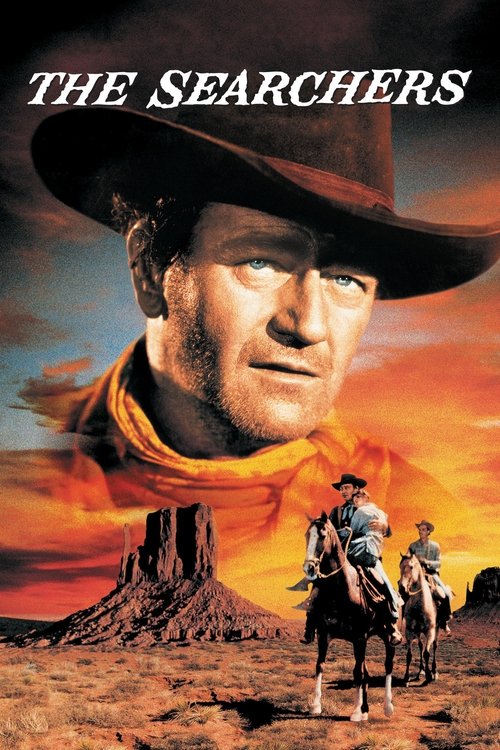
The Searchers1956
Ford's masterpiece about obsession, racism, and what it costs to be human. Wayne gives his most complex performance, playing a man whose righteousness masks something darker and more troubling.
But It's a long film with a slow, deliberate pace. Wayne's character is genuinely unpleasant for most of it, and the racial politics, while critical, are complex in ways that demand active engagement.
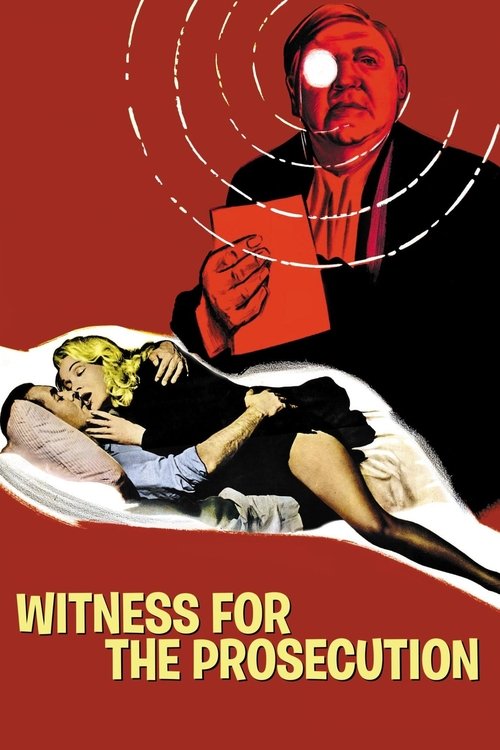
Witness for the Prosecution1957
Both make the courtroom itself the arena where the real story happens. Justice isn't about facts—it's about who gets to speak and who gets believed.
Wilder's courtroom masterpiece about truth, loyalty, and manipulation. Billy Wilder orchestrates revelations with the precision of a Swiss watchmaker, and the final twist is earned and devastating.
But It's a lawyer-and-trial movie first, not a Western. If you're watching purely for frontier life and gunplay, you'll feel misled.
People
Cast
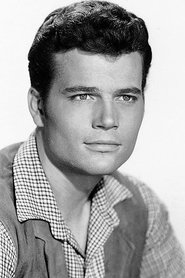 Patrick WayneSheriff Jim Ellison
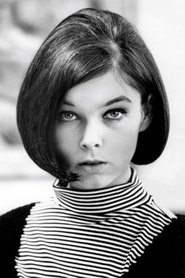 Yvonne CraigElena de la Madrid
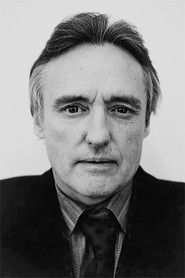 Dennis HopperHatfield Carnes
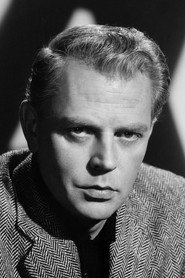 Dan O'HerlihyJudge Millard Isham
- Roberto De La MadridDon Roberto de la Madrid
- Cliff KetchumBen Stroud
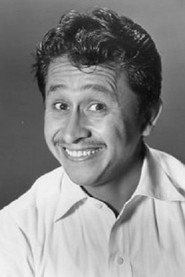 Pedro Gonzalez GonzalezSantiago
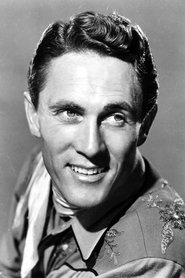 Ken CurtisLee Hearn
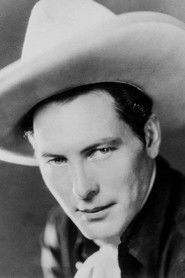 Cliff LyonsJury Foreman
- Carlos RomeroQuinoga
- Eddie JuareguiDrifter (as Edward Juaregui)
- Tom TinerCharlie Higgins, Court Clerk
Directing
- William ForsythAssistant Director
- William ForsytheAssistant Director
- Ted TetzlaffDirector
Writing
- Norman S. HallScreenplay
Production
- Lowell J. FarrellAssociate Producer
- C.V. WhitneyProducer
- Patrick FordProducer