
Film
The Sting of the Lash
A 1921 silent drama about a woman who marries a miner after her father's death, only to watch her cousin seize their claim and reduce them to poverty. Pauline Frederick carries the film through years of hardship with quiet dignity. It's slow-burn melodrama made for patient viewers who appreciate the craftsmanship of early cinema and aren't looking for plot speed.
Should you watch it?
Watch it if you love silent-era melodrama where a wronged couple's hardship is played straight, with big gestures and old-fashioned moral stakes that feel earnest rather than ironic.
Skip it if you need brisk pacing or modern subtlety, since the storytelling is stagey and deliberate and the emotional beats land with a heavy, unhurried hand.
What it asks of you: About an hour, so it is short, but it moves slowly and asks you to read broad silent acting and sit with long stretches of suffering without much relief.
Not sure? Find tonight's pick in a minute.
If you liked this
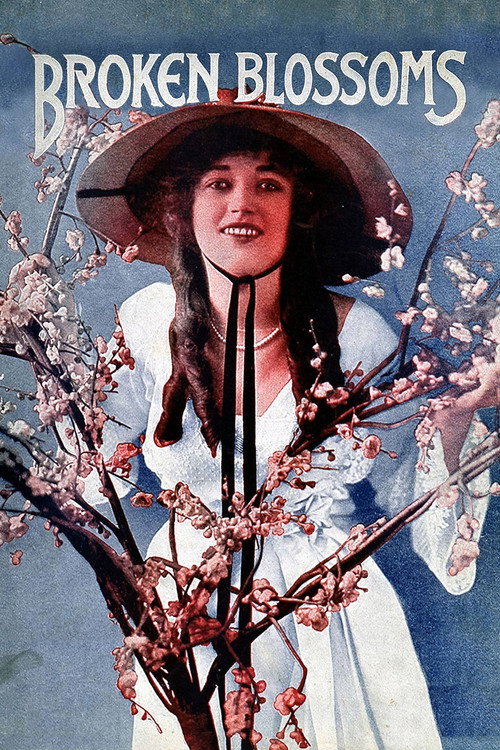
Broken Blossoms or The Yellow Man and the Girl1919
D.W. Griffith's luminous tragedy about class and impossible love, with Lillian Gish at her most vulnerable. The visual storytelling is extraordinary—you can read every emotion in shadow and light.
But Silent films are an acquired taste, and this one moves at a pace that demands surrender rather than engagement.
The Phantom Carriage1921
Swedish master Sjöström in a ghost story that uses silence to uncanny effect. The atmosphere is hypnotic and the emotional stakes feel genuinely dire in ways early sound films could never match.
But It's a horror film by 1921 standards—slow, strange, and interested in dread rather than scares. Some find it remote.

Sunrise: A Song of Two Humans1927
Murnau's masterpiece about temptation, betrayal, and redemption. The visual language is so sophisticated it makes later films look crude. A couple on the brink, shot with operatic intensity and genuine forgiveness.
But Nearly silent (with music and effects), and the plot—infidelity and attempted murder—is soapy. The style has to carry it, and that won't work for everyone.

Not sure tonight? Get a pick in a minute, starting from The Sting of the Lash
The wildcard
Something you would not have found on your own.
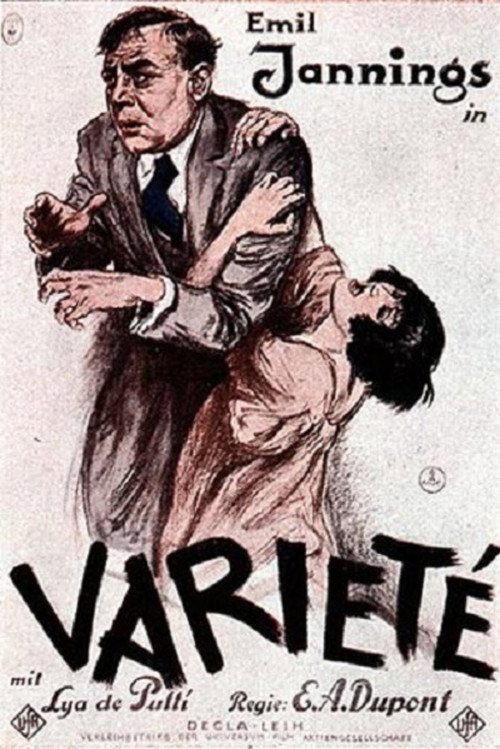
Variety1925
Both are silent dramas about the powerlessness of love in the face of economic circumstance. But where The Sting of the Lash is linear and emotional, Variety fractures the story into performance and obsession—same heartbreak, completely different cinema.
Bertholt Vigo's one surviving masterpiece: a trapeze artist's jealousy and the woman he loves caught between two men. Shot in a circus, it's visually intoxicating—movement itself becomes the language. Completely unlike anything else.
But It's very short (43 minutes) and abstract in its approach to emotion. Plot is barely there; you're watching cinema itself being invented. Feels like watching someone else's dream.
More like this (7)
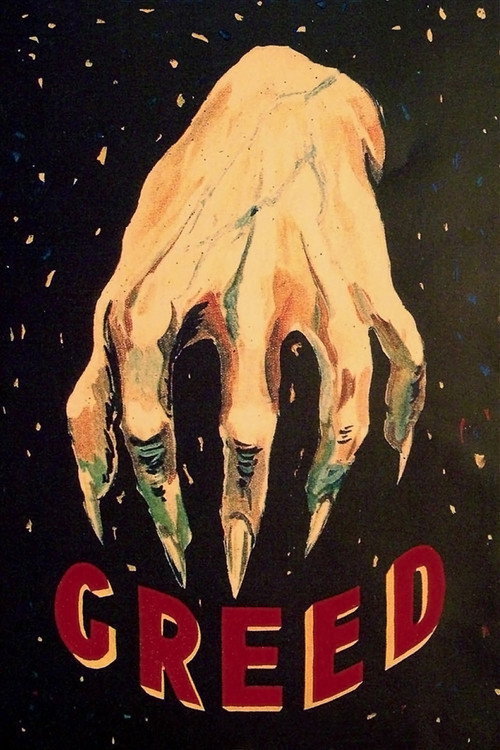
Greed1924
Erich von Stroheim's monumental film about money's corruption of love, shot over brutal years and cut from nine hours to two. The ambition alone is staggering; the execution is merciless.
But It's exhausting and bleak, and the print you'll see is incomplete. Von Stroheim's original vision is lost, which is part of the film's own tragedy.
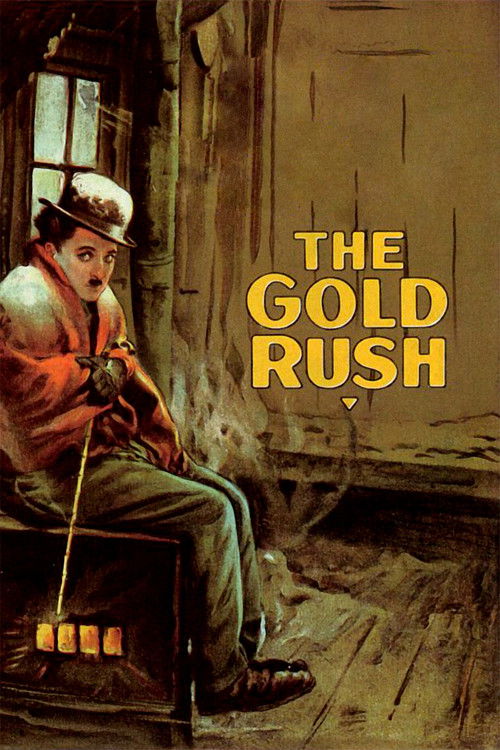
The Gold Rush1925
Chaplin's Tramp chasing fortune in the Yukon, mixing slapstick with genuine pathos. The scene with the girl he loves is so tender it breaks you, even knowing it won't end well.
But The comedy is of its era—some gags land softly, others not at all. And Chaplin's sentiment can feel heavy-handed to modern eyes.
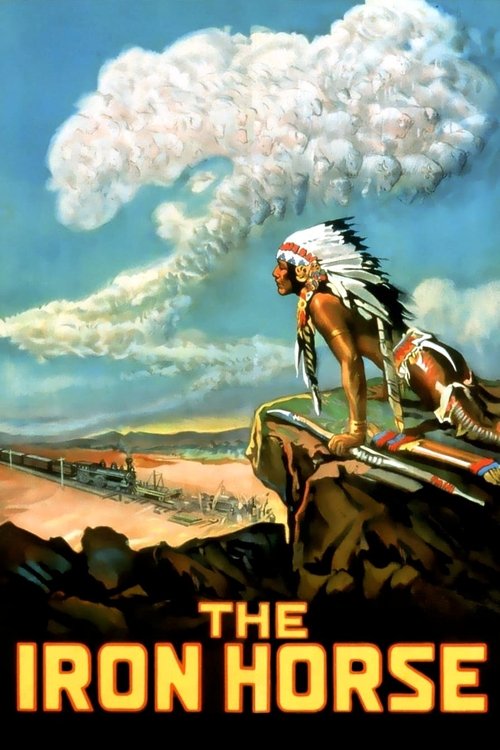
The Iron Horse1925
John Ford's first great epic, about the transcontinental railroad and the people it remakes. Huge in scale, surprisingly intimate about ambition and sacrifice. Ford's visual language is already fully formed.
But It's a Western, and a long one, and the romantic subplot is schematic. The politics are entirely of 1924.
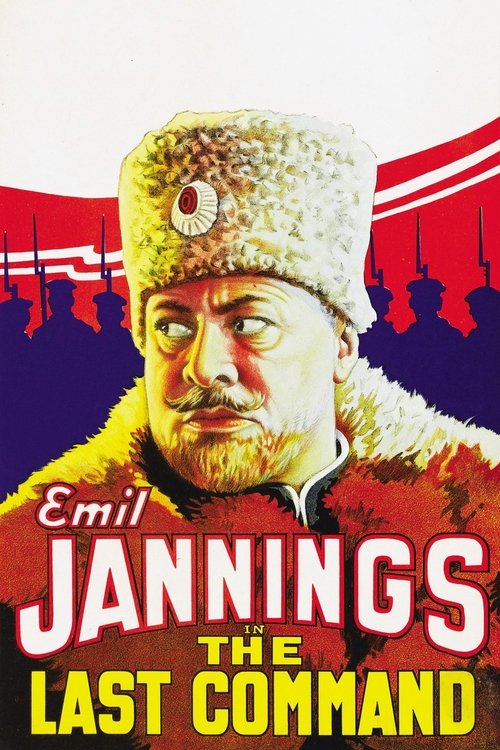
The Last Command1928
Emil Jannings as a fallen Russian general working as an extra in Hollywood, confronting his past. It's about class, exile, and the cruelty of forgetting. Jannings is magnificent—raw, dignified, desperate.
But The plot veers into melodrama and the ending is heavy-handed. The film gets smaller as it goes on, which undermines what made it powerful.
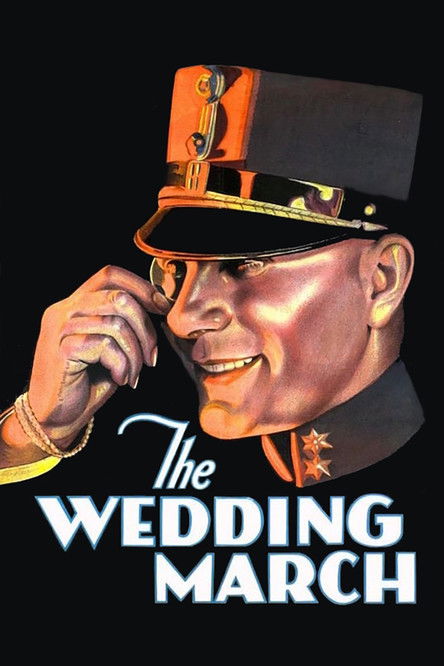
The Wedding March1928
Stroheim again, this time as an officer seduced by a shop girl while engaged to a wealthy woman. It's a study in moral compromise and class resentment. The performances are intricate and bitter.
But It's cynical to the point of airlessness, and at over three hours (even truncated) it tests patience. Stroheim's worldview is relentless.
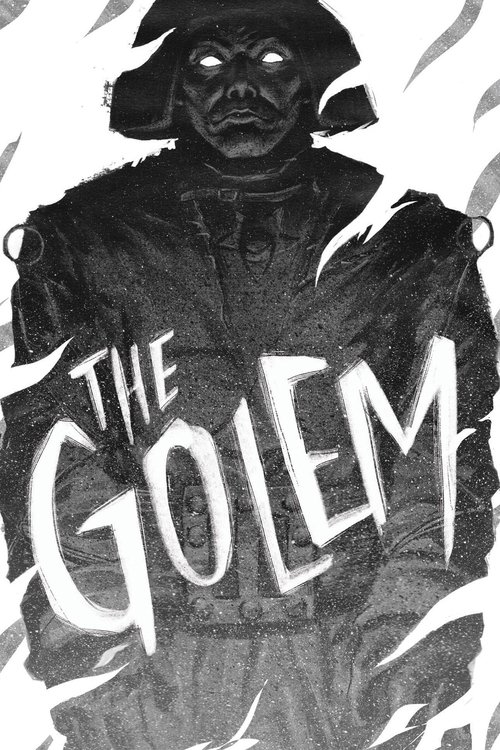
The Golem: How He Came into the World1920
A German Expressionist masterpiece about a clay giant brought to life to protect Prague's Jews. The architecture of the film—the sets, the shadows, the creature itself—is genuinely eerie and formally stunning.
But It's overtly a fairy tale, which some find precious, and the creature design is dated. The pacing is glacial even for 1920.
Jeanne Dielman, 23, quai du Commerce, 1080 Bruxelles1976
Both films are about women enduring economic hardship with stoicism and repetition. The Sting of the Lash shows this through melodrama; Jeanne Dielman shows it through non-narrative time. Same subject, opposite methods.
Chantal Akerman's three-hour film about a widow's daily routines: shopping, cooking, sex work. It's radically still, radically patient. The texture of a life lived in small gestures becomes overwhelming.
But It is deliberately boring. Nothing happens. If you go in expecting drama or narrative momentum, you'll be furious. It asks for meditation, not entertainment.

People
Cast
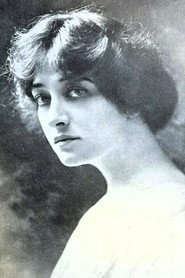 Pauline FrederickDorothy Keith
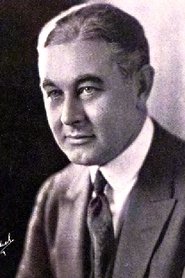 Clyde FillmoreJoel Grant
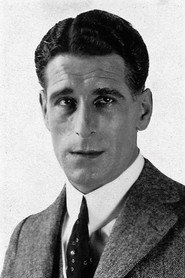 Lawson ButtRhodes
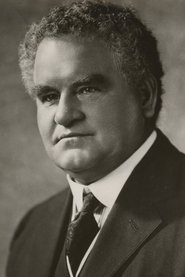 Lionel BelmoreBen Ames
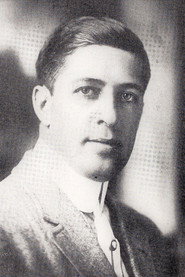 Jack RichardsonSeeley
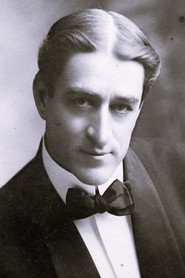 Edwin StevensDaniel Keith
Directing
- Henry KingDirector
Writing
- H. Tipton SteckScenario Writer
- Harvey GatesStory