
Film
The Wedding March
A silent masterpiece of romantic tragedy set in Vienna's rigid class system. Stroheim plays a doomed aristocrat caught between love and duty, delivering one of cinema's great performances of conflicted desire. Visually stunning, emotionally devastating, and endlessly inventive in how it tells its story without words. For anyone who thinks silent film is quaint rather than powerful.
Should you watch it?
Watch it if you love operatic melodrama played with lavish, obsessive detail, where a director's ambition for surfaces and rituals matters as much as the romance itself.
Skip it if you need brisk pacing and modern dialogue, since this moves slowly through social ritual and rarely hurries toward its emotional points.
What it asks of you: Long at 109 minutes, it lingers over pageantry, uniforms and courtship glances, so it wants patience and a tolerance for melodrama played at full volume.
Not sure? Find tonight's pick in a minute.
If you liked this
Sunrise: A Song of Two Humans1927
Murnau's lyrical tragedy of a man tempted away from his wife by a seductive woman. Like Wedding March, it finds transcendence in doomed passion and uses the camera itself as an instrument of heartbreak. A masterwork of visual storytelling.
But It's slow by modern standards, and the emotional register is one of pure melancholy. There's no twist, no irony—just watching something beautiful be destroyed.

The Phantom Carriage1921
Sjöström's ghost story about a man forced to confront his cruelty toward a woman who loved him. Like Stroheim's film, it uses genre trappings to explore the permanent damage done by social indifference and male weakness. Swedish cinema at its most haunting.
But The pacing is deliberate, and the moralism—while earned—can feel heavy-handed. It's a film that punishes its protagonist, which some viewers find exhausting rather than cathartic.

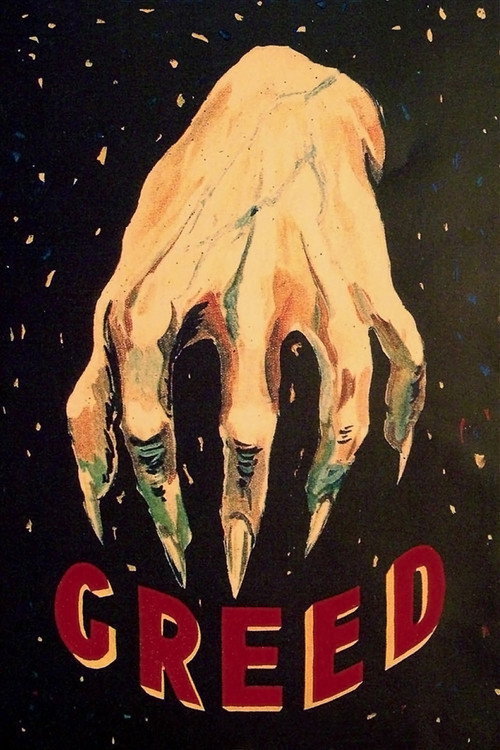
Greed1924
Stroheim's own masterwork: a sprawling, obsessive portrait of how money corrodes love and marriage. Shows why he was cinema's greatest actor and most uncompromising artist. If you're drawn to the tragic clarity in Wedding March, this will devastate you.
But It's brutally long, repetitive by design, and there's no redemption anywhere. The bleakness is absolute. Also, only a fragment survives, which changes how the story lands.
Not sure tonight? Get a pick in a minute, starting from The Wedding March
The wildcard
Something you would not have found on your own.
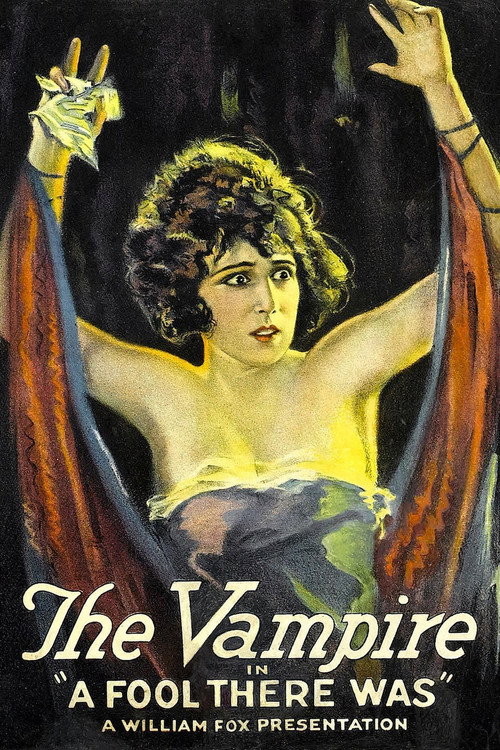
A Fool There Was1915
Both are structured as moral tragedies where desire—the man's fatal weakness—leads to the collapse of family and duty. Both use female sexuality as the instrument of male ruin, though Stroheim interrogates this more deeply.
Theda Bara's legendary vampire film, made thirteen years before Wedding March, established the template for tragic seduction that Stroheim refines. A man is destroyed by his desire for a dangerous woman; the moral framework is stern but the emotional truth is complex. Cinema's first great villain.
But It's extremely primitive by 1928 standards, even for a silent film. The print quality is often poor, and Bara's performance, while iconic, uses theatrical gestures that read as camp now. The misogyny is also fiercer and less self-aware.
More like this (8)
Nosferatu1922
Murnau again—this time using horror as a vehicle for exploring how desire destroys the innocent. The vampire is seductive, the heroine is doomed, and the visual language is as sophisticated as anything in Wedding March. Essential silent cinema.
But It's genuinely eerie in a way that might unsettle you if you prefer romance to dread. And the copy quality varies wildly depending on which restoration you find.

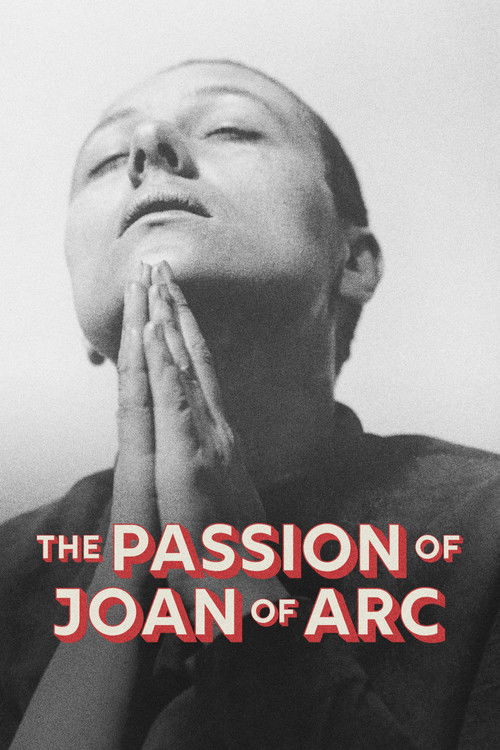
The Passion of Joan of Arc1928
Dreyer's close study of an innocent woman destroyed by forces beyond her control. Like Stroheim, Dreyer believes cinema's power lies in the human face and in capturing the precise moment of spiritual and emotional ruin. Extraordinary.
But It's punishing to watch—a long sequence of suffering with minimal plot movement. Some find the repetition of Joan's anguish monotonous rather than hypnotic.
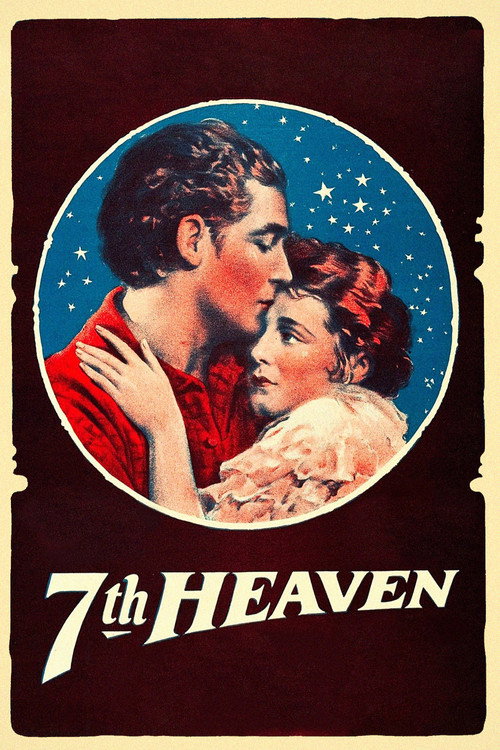
7th Heaven1927
Borzage's romantic drama about a street sweeper and a abused girl who find love in a Parisian garret. It has Wedding March's yearning and its understanding that happiness is always provisional. Tender and beautifully composed.
But The sentimentality is genuine, which means it can feel cloying if you don't buy into the romance. The class commentary is also gentler and less biting than Stroheim's.
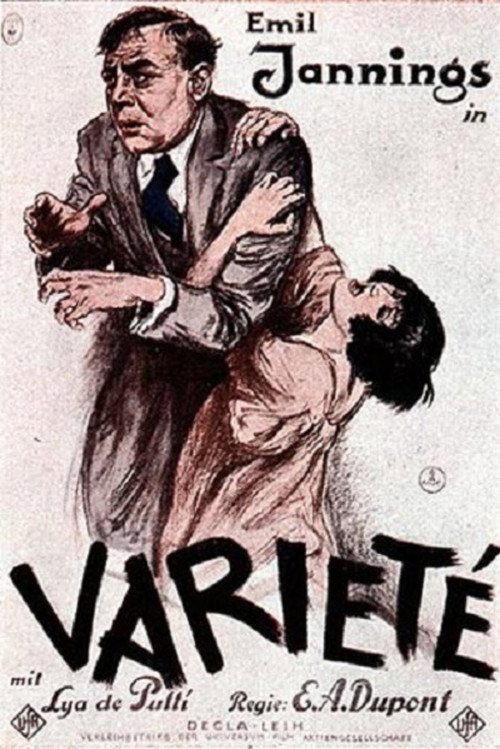
Variety1925
E.A. Dupont's circus melodrama told with wild visual innovation. A love triangle set against the world of trapeze artists. Shares Wedding March's interest in passion destroyed by circumstance and class, but with greater formal daring.
But The plot is fairly standard melodrama, and the acrobatic sequences, while thrilling, can distract from character. Some viewers find the visual showiness overwhelming.
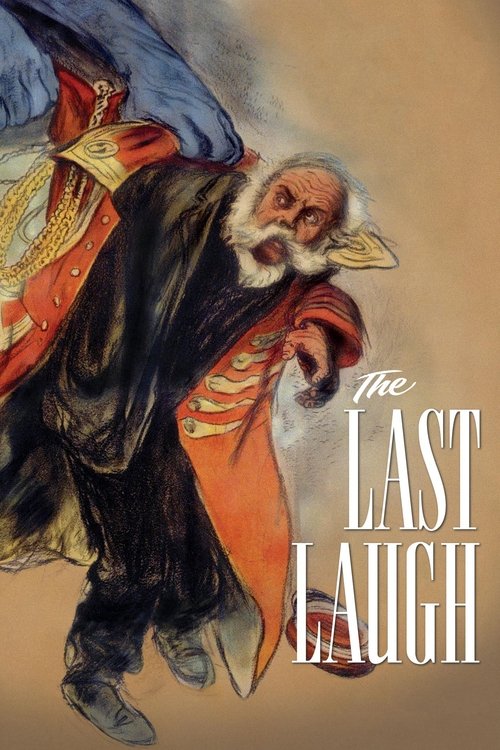
The Last Laugh1924
Murnau's portrait of a man's dignity destroyed by social humiliation. It's about the camera as much as the story—a masterclass in visual language. Shares Stroheim's interest in how society crushes individuals who don't fit.
But It's more formally experimental than emotionally engaging for some viewers. The ending is notoriously tacked-on and undermines the film's tragic momentum.
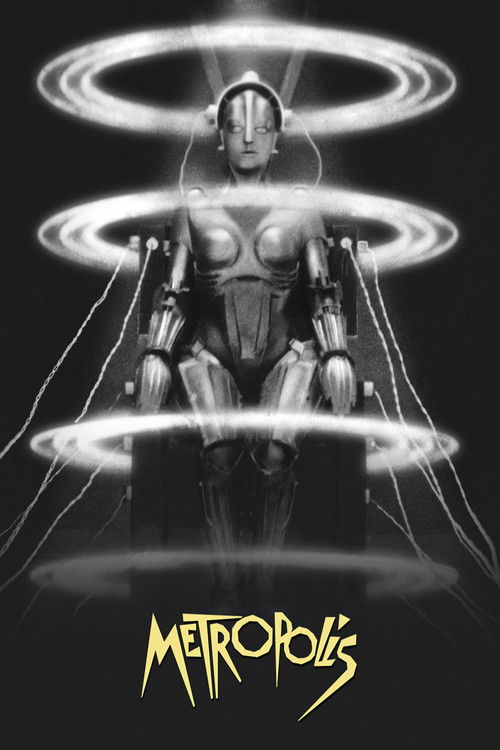
Metropolis1927
Lang's epic science-fiction romance about class conflict and doomed love set in a futuristic city. Grand in scale but intimate in its exploration of how social hierarchies prevent human connection. Visually astounding.
But The pacing is uneven, some scenes drag, and the restoration issues mean you may see different cuts. The ideology, while sympathetic, can feel muddled or preachy.
Bicycle Thieves1948
Both films believe that society's rules are inescapable and that individual desire—whether for love or survival—cannot overcome them. Both end with their protagonist reduced to a smaller, sadder version of himself.
De Sica's neorealist masterpiece about a poor man's desperate search for his stolen bicycle. No aristocrats, no romance, no Vienna—but the same structure of individual powerlessness against implacable systems. A man is crushed by forces he cannot control, and there is no dignity in his defeat.
But It's post-war Italian neorealism: deliberately unglamorous, slow, and morally bleak. There's no catharsis, no resolution, just the daily fact of poverty. If you want escape rather than witness, this will feel punishing.

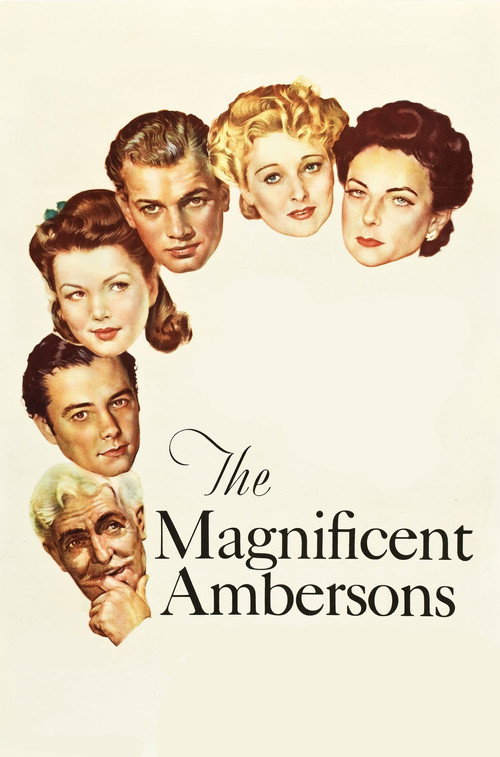
The Magnificent Ambersons1942
Both are elegies for rigid social orders and the people trapped within them. Both suggest that individual will is no match for historical inevitability and class. Both use visual beauty to make spiritual destruction bearable.
Welles's baroque American tragedy about a proud family destroyed by time and social change. It has the same atmosphere as Wedding March—decay, inevitability, the death of a world—but told through a family's slow humiliation rather than a romance. George Minafer's fall is as complete and terrible as Nicki's.
But Welles's original cut was butchered by studio executives; what survives is fragmentary and occasionally incoherent. The pace is slow, the compositions sometimes obscure, and there's no warmth anywhere. It's a film about watching people you might have cared about become unbearable.
People
Cast
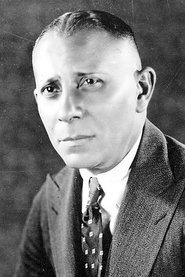 Erich von StroheimNicki / Prince Nickolas
 Fay WrayMitzi / Mitzerl Schrammell
 George Fawcettle prince Ottokar
 Maude Georgela princesse Maria
 Cesare GravinaMartin Schrammell
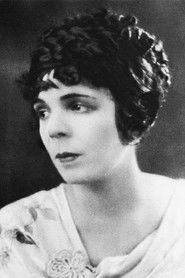 Dale FullerKaterina Schrammel
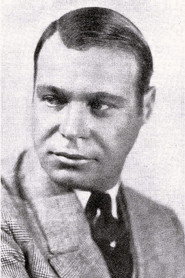 Matthew BetzSchani Eberle
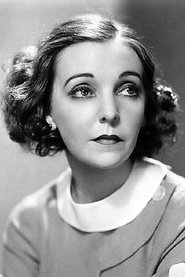 Zasu PittsCecelia Schweisser
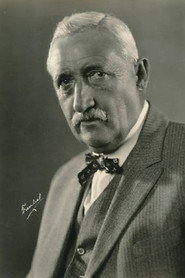 George NicholsThe Industrialist
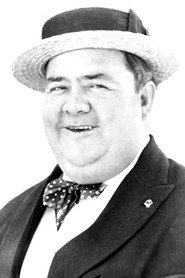 Hughie MackJohann Eberle - the Wine-grower
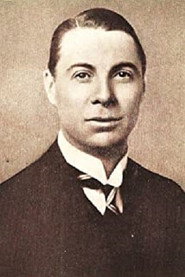 Sidney BraceyNavratil
- Anton VaverkaEmperor Franz-Josef
Directing
- Louis GermonprezAssistant Director
- Erich von StroheimDirector
Writing
- Erich von StroheimWriter
- Harry CarrWriter
Production
- Adolph ZukorExecutive Producer
- Jesse L. LaskyExecutive Producer
- Erich von StroheimProducer
- Pat PowersProducer
Recommended by
Father of the Bride, The Constant Nymph, The Sting of the Lash, Bride of the Storm