
Film
The Constant Nymph
Other titles called The Constant Nymph: the 1943 film.
A 1928 British silent film about a young composer caught between a respectable marriage and his passion for a spirited girl from an artistic family. Ivor Novello carries it with magnetic presence; the film moves with emotional clarity despite its era. For anyone who loves character-driven romance and the particular texture of late silent cinema.
Should you watch it?
Watch it if you love old-fashioned romantic melodrama where a moody attachment between artists and a sharp-eyed child drives the story, and you enjoy feeling painted in big, deliberate gestures.
Skip it if you need brisk pacing and snappy talk, since this 110-minute film lingers over longing and moves slowly through its emotional knots.
What it asks of you: Settle in for a little under two hours of slow, yearning scenes, with the tension built from glances and quiet hesitation rather than from plot turns.
Not sure? Find tonight's pick in a minute.
If you liked this
The Phantom Carriage1921
Swedish master Sjöström creates a deeply felt ghost story with the same emotional honesty and romantic weight as *The Constant Nymph*. A masterpiece of silent cinema that proves the form was capable of real depth.
But The pacing is deliberate and meditative; if you're used to modern editing, it may feel slow. The print quality can vary.

Sunrise: A Song of Two Humans1927
Murnau's masterpiece shares *The Constant Nymph*'s concern with desire, morality, and the texture of intimate feeling. Visually gorgeous and emotionally devastating; this is silent cinema at its height.
But It's about rural infidelity and the near-destruction of a marriage—heavy material. The emotional weight never lifts.

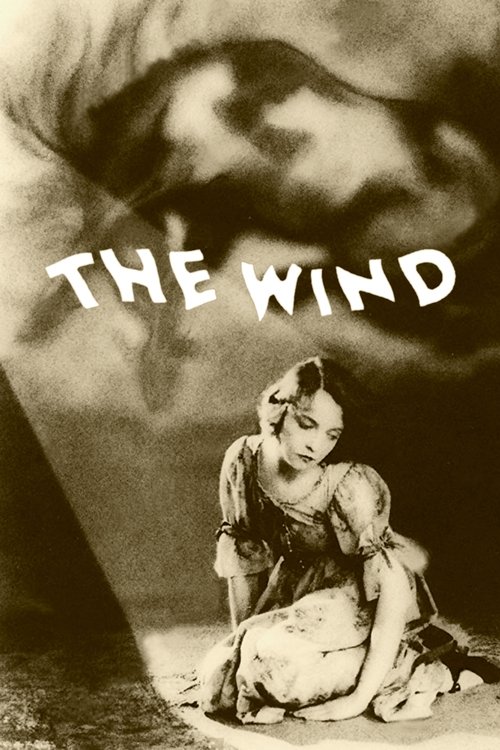
The Wind1928
Lillian Gish in a devastating study of a woman undone by passion and circumstance. The same year as *The Constant Nymph*, it shares that film's unflinching look at desire's costs.
But It ends darkly—there's no redemption here, only consequence. Some find the ending unbearable.
Not sure tonight? Get a pick in a minute, starting from The Constant Nymph
The wildcard
Something you would not have found on your own.
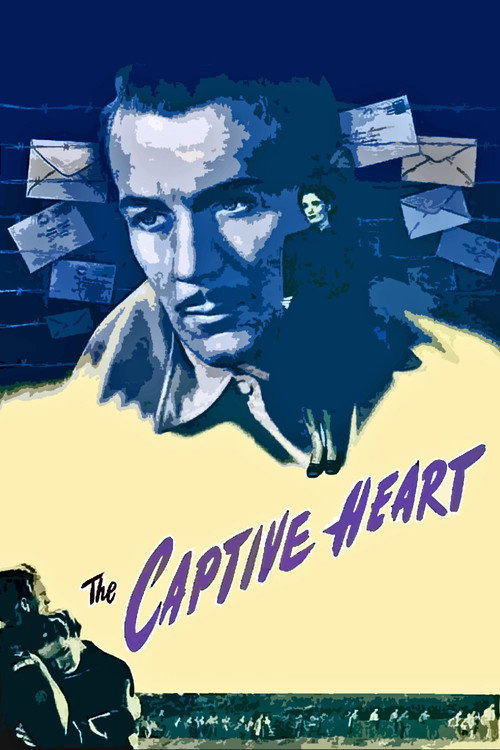
The Captive Heart1946
Both films hinge on a protagonist trapped between authenticity and social necessity, forced into deception by circumstance. The cost of that deception is paid in love and trust.
A post-war British drama about a man passing as a soldier to survive a POW camp—the impossible position of living a lie while everything around you demands truth. Paul Newman isn't in it, but the moral architecture echoes *The Constant Nymph*'s themes of impossible choice and hidden identity.
But It's a serious war film, not romance. The tone is austere and sometimes bleak.
More like this (7)
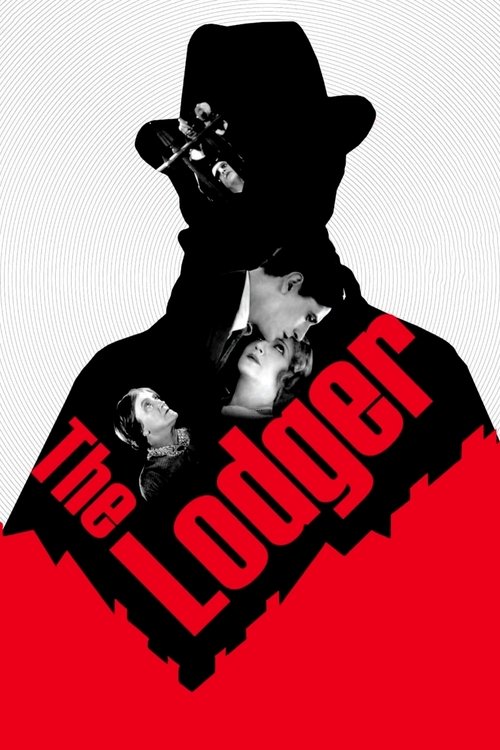
The Lodger: A Story of the London Fog1927
Hitchcock's silent masterpiece about desire, suspicion, and the thin line between respectability and obsession. Formally brilliant and genuinely unsettling.
But It's a thriller first; if you want pure romance, this pivots away from it. The plot mechanics matter more than the feeling.
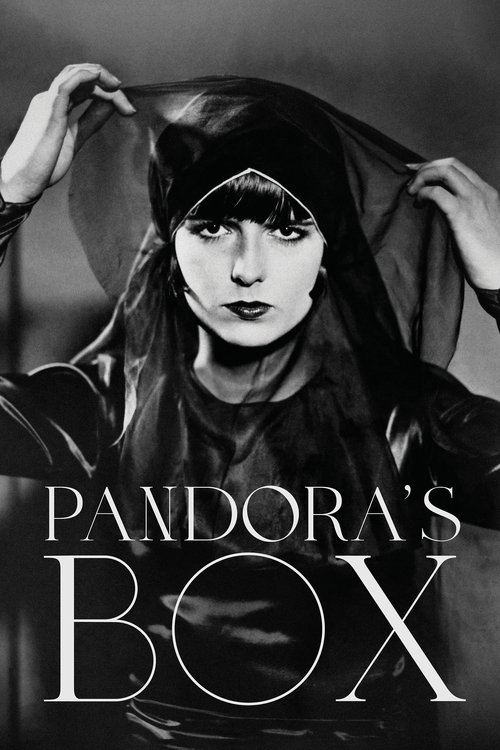
Pandora's Box1929
Pabst's German film has the same moral complexity as *The Constant Nymph*—a woman whose sexuality and freedom destabilize everything around her. Louise Brooks is extraordinary.
But The sexual content scandalized 1929 audiences; it's graphically interested in desire in ways that might feel uncomfortable. Some versions are fragmentary.
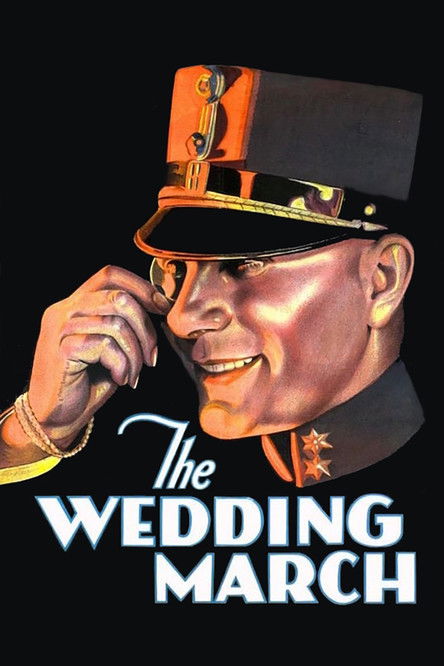
The Wedding March1928
Stroheim's epic silent romance has scope and sensuality to match *The Constant Nymph*'s emotional reach. A film about how money and class corrupt desire.
But At over three hours, it's a commitment. The print situation is complicated—no perfect version exists.
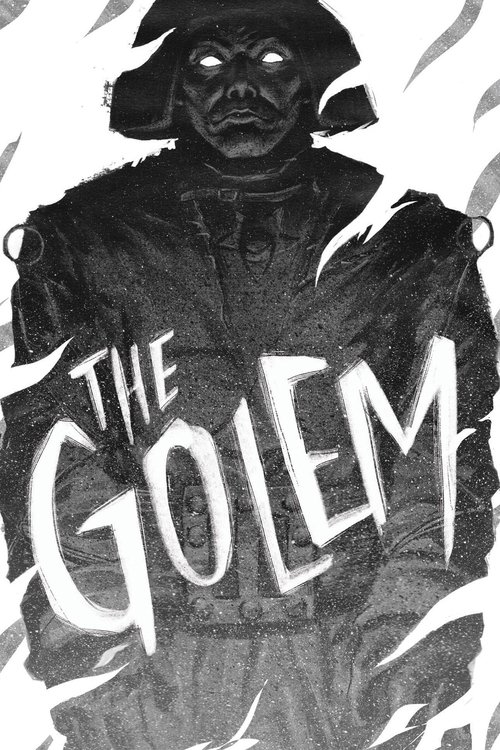
The Golem: How He Came into the World1920
German Expressionist melodrama with genuine emotional depth. The visual style is completely different from *The Constant Nymph*, but the intensity of feeling is comparable.
But It's a supernatural tale, not a romance, which might feel like a departure. Very much a product of its culture and moment.
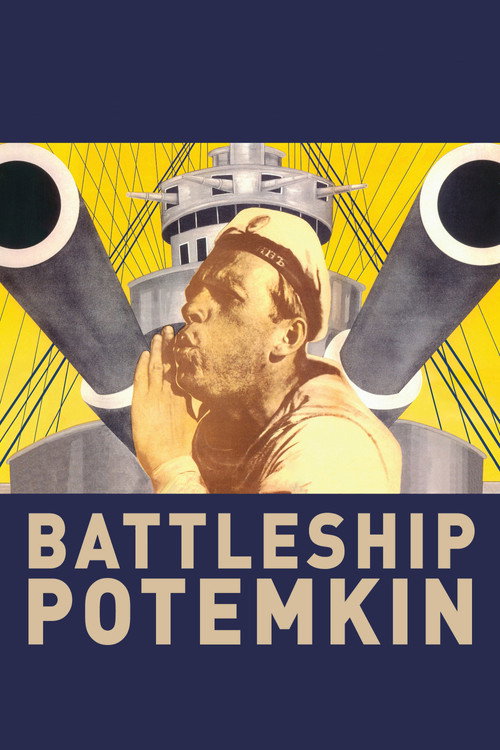
Battleship Potemkin1925
Eisenstein's revolutionary silent film proves the form could carry enormous complexity. For those ready to move beyond narrative into pure cinema.
But It's about revolution and collective action, not intimate romance. The editing style is challenging and deliberately artificial.
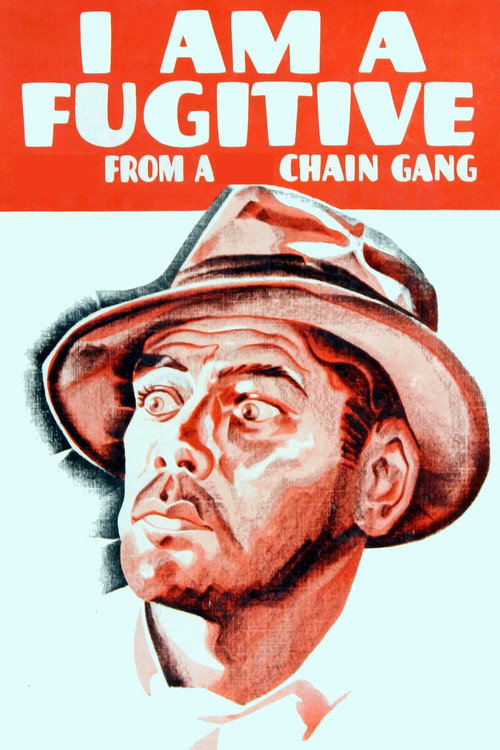
I Am a Fugitive from a Chain Gang1932
Both films use romantic love as the measure of what a person loses when society closes in. In both, love cannot save you, and knowing this makes the love matter more, not less.
Paul Muni in a searing American social drama where a man is destroyed by circumstance and system—not by his own fault, but by the world's cruelty. The emotional weight is immense; the romance subplot has the same tragic inevitability as Tessa's arc.
But It's grim and politically angry. There's no comfort, and the ending is bleak. If you want uplift, this isn't it.
In the Mood for Love2000
Both films trust that restraint and suggestion are more powerful than consummation. Both understand that desire matters most when it cannot be acted upon, and that in that gap lives all human feeling.
Wong Kar-wai's Hong Kong film about two neighbours who discover their spouses are having an affair. In colour and sound and a different century, it does what *The Constant Nymph* does: it makes the interior landscape—the hesitation, the desire, the impossible yearning—visible and unbearable. Visually rapturous and emotionally precise.
But The pacing is hypnotic but glacial. If you want plot momentum, you won't find it. Some find it overwrought; others find it the truest thing they've ever seen.

People
Cast
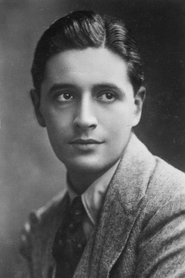 Ivor NovelloLewis Dodd
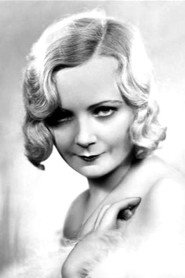 Mabel PoultonTessa Sanger
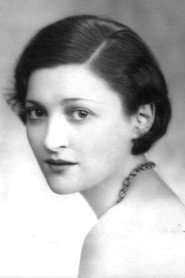 Frances DobleFlorence Churchill
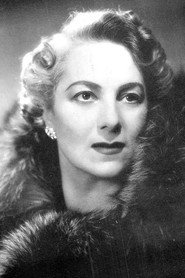 Mary ClareLinda Sanger
- Georg HenrichAlbert Sanger
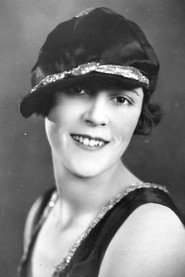 Dorothy BoydPauline Sanger
- Tony De LungoRoberto
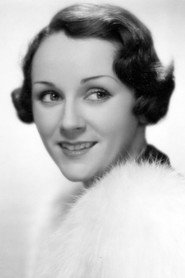 Benita HumeAntonia Sanger
- Yvonne ThomasKate Sanger
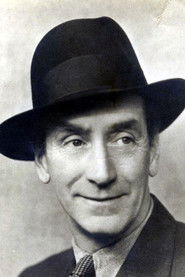 J.H. RobertsDr. Churchill
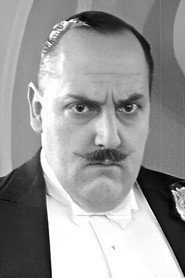 Clifford HeatherleySir Berkeley
Directing
- Adrian BrunelDirector
Writing
- Margaret KennedyNovel
- Basil DeanTheatre Play
- Margaret KennedyTheatre Play
- Alma RevilleWriter
- Dorothy FarnumWriter
Production
- Basil DeanProducer
- Michael BalconProducer