
Film
The Captive Heart
A 1946 British drama set in a German POW camp across five years, weaving together stories of captive soldiers navigating love, identity and survival. Michael Redgrave leads as a Czech officer posing as a dead Englishman to evade Nazi detection, building a correspondence with the man's widow. Shot partly on location in occupied Germany, it's grounded and humane rather than heroic—a film about endurance and connection in extremity.
Should you watch it?
Watch it if you like a restrained wartime story built on letters, slow intimacy and ordinary men making a life behind wire, where the emotional stakes come from small domestic gestures rather than battle.
Skip it if you need brisk plotting or constant action, since it moves at a leisurely pace across several interwoven camp stories and its sentiment can feel old-fashioned.
What it asks of you: Patience is the price here: about a hundred minutes of loosely linked vignettes that gather weight slowly, and an openness to unhurried, sentimental feeling.
Not sure? Find tonight's pick in a minute.
If you liked this
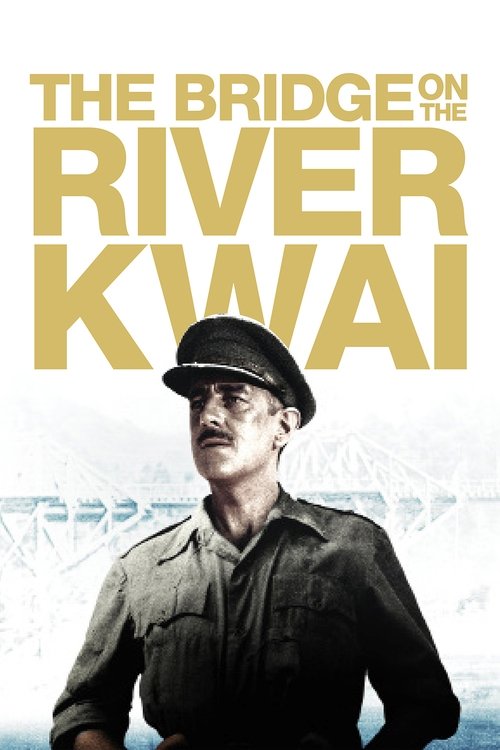
The Bridge on the River Kwai1957
Lean's epic also concerns POWs building under duress, military honor and complicity, and the terrible choices captive men make. Bigger in scale but equally interested in the interior lives of prisoners and the moral ambiguities of survival.
But It's a famous film with obvious heroics and a climax engineered for cinema. You came for intimacy; this wants to be monumental.
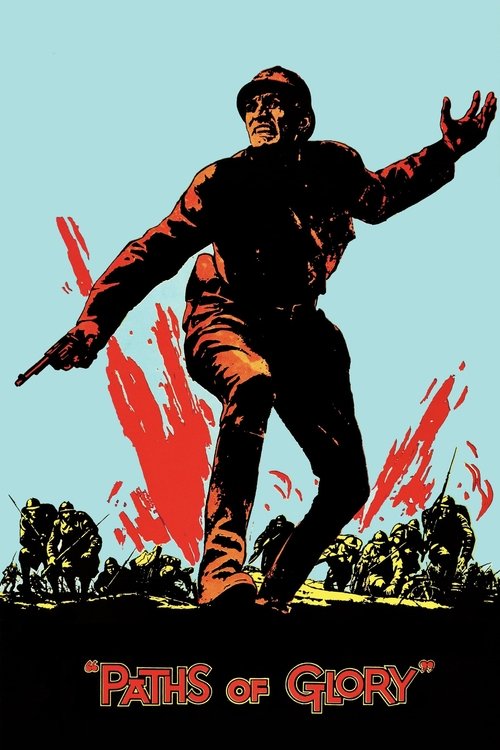
Paths of Glory1957
Kubrick's war drama is built on the same bedrock: the inhumane machinery of military systems, the quiet dignity of ordinary soldiers, and how institutions destroy men. Like Captive Heart, it finds tragedy in bureaucracy rather than in battle.
But It's a courtroom film with a savage ending. Less concerned with love and connection than with systemic cruelty.
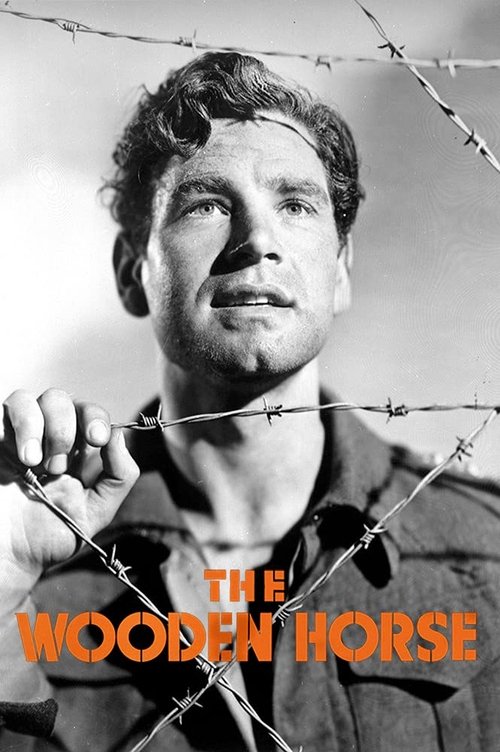
The Wooden Horse1950
A British POW escape film that shares Captive Heart's matter-of-fact realism and focus on the men themselves rather than derring-do. Based on a true story, it builds tension from patience and ingenuity rather than action sequences.
But It's more plot-driven than character-led. If you want the emotional introspection of Redgrave's role, this is more functional.
Not sure tonight? Get a pick in a minute, starting from The Captive Heart
The wildcard
Something you would not have found on your own.
Shoah1985
Both make space for the human voice and memory in extremity; both refuse spectacle and insist on listening.
Lanzmann's nine-hour documentary about the Holocaust uses testimony and conversation rather than archive footage, building something closer to The Captive Heart's interest in individual voice and moral witness than to conventional war documentary. Both are about how people maintain identity and speak truth under totalitarian threat.
But It's nine hours. It's testimony to atrocity, not narrative drama. Many will find it too demanding and too dark.

More like this (7)
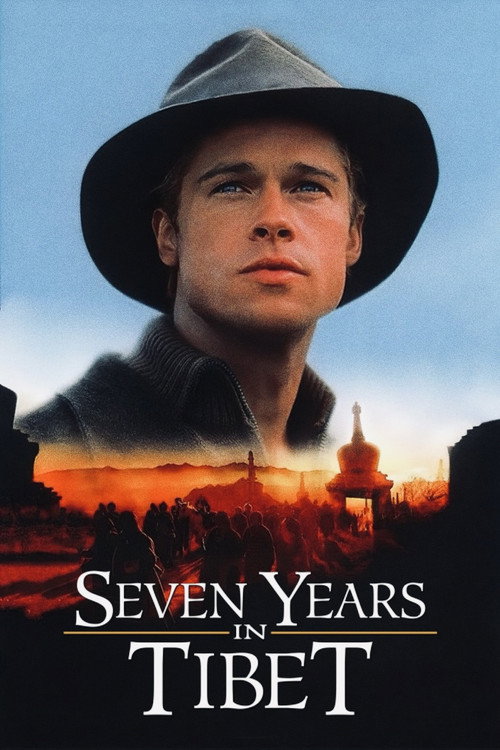
Seven Years in Tibet1997
Pitt's film about Harrer spans years and continents like Captive Heart spans five years in one place, examining identity, belonging and the bonds formed across cultural and national divides during captivity and exile.
But The tone is melodramatic where Captive Heart is understated. Pitt is not Redgrave in terms of restraint or depth.
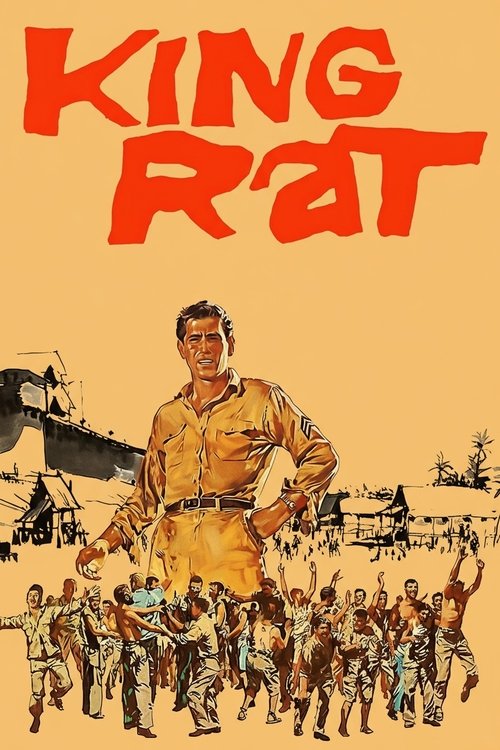
King Rat1965
Another POW ensemble drama, this one set in a Japanese camp in the Far East. Like Captive Heart, it refuses sentimentality and shows how survival corrupts morality. Finch is excellent as the manipulative prisoner-king.
But It's morally murky in ways that might feel bleaker than you want. Captive Heart has more grace.
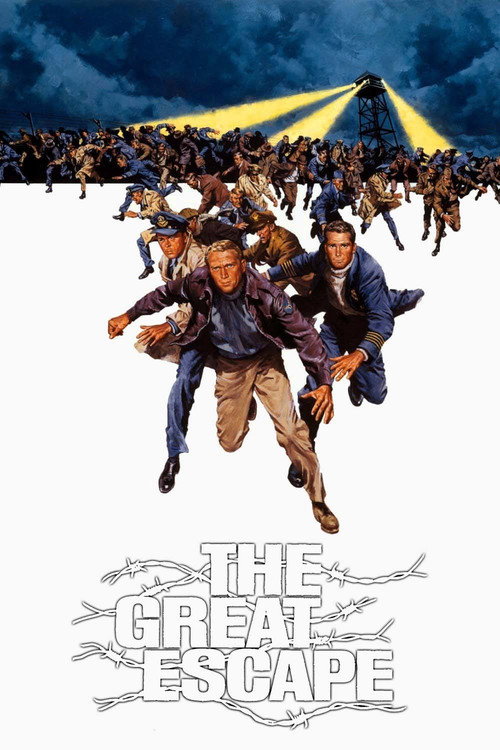
The Great Escape1963
Sturges' famous ensemble also concerns POWs building false identity and maintaining morale through connection. It has the same belief in dignity under constraint, though it reaches for entertainment as well as statement.
But It's a heist film pretending to be a war film. If you want Captive Heart's psychological realism, this is too slick.
Come and See1985
A Belarusian film about a boy conscript in WWII that achieves what Captive Heart attempts: the dehumanizing truth of war without ever being exploitative. Utterly committed to showing how trauma reshapes a person.
But It's one of cinema's most physically and spiritually exhausting films. Captive Heart is sad and humane; this is apocalyptic.

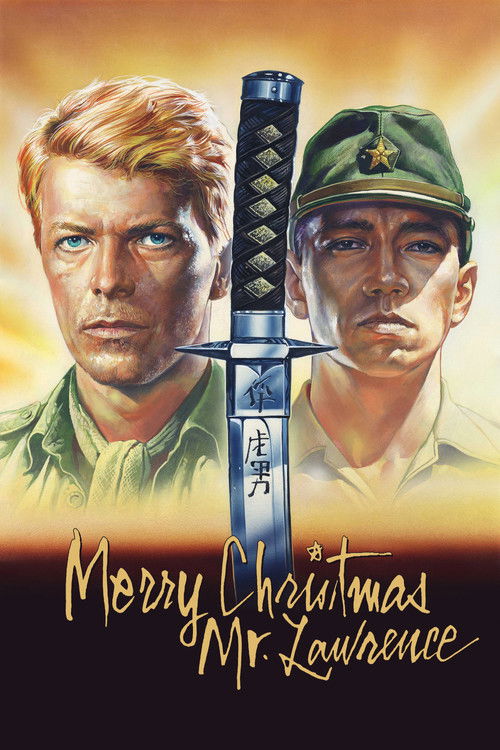
Merry Christmas, Mr. Lawrence1983
A Japanese POW camp during WWII, built on the tension between commandant and prisoner, discipline and humanity, East and West. Like Captive Heart, it's concerned with identity, dignity and the impossible bonds that form in captivity.
But The homoerotic subtext is text. Bowie's casting is conceptual. It plays like a fever dream beside Captive Heart's clarity.
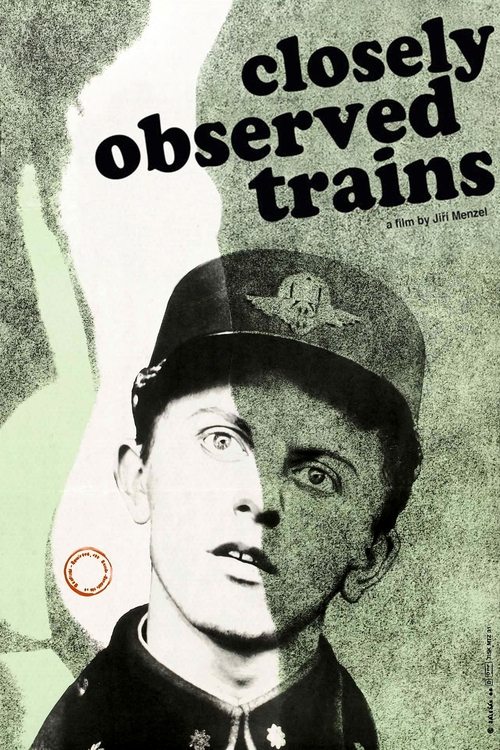
Closely Watched Trains1966
Both centre Czech experience under Nazi occupation; both find humanity and dignity in seeming small moments rather than grand gestures.
A Czech New Wave comedy about railway workers under Nazi occupation, made by Jiří Menzel. It's light where Captive Heart is grave, but animated by the same question: how do you live, love and resist when your country is occupied and you're trapped? Tender and funny rather than noble.
But The tone is counterintuitive—comic-erotic rather than dramatic. If you want the emotional register of Captive Heart, this will feel tonal and strange.
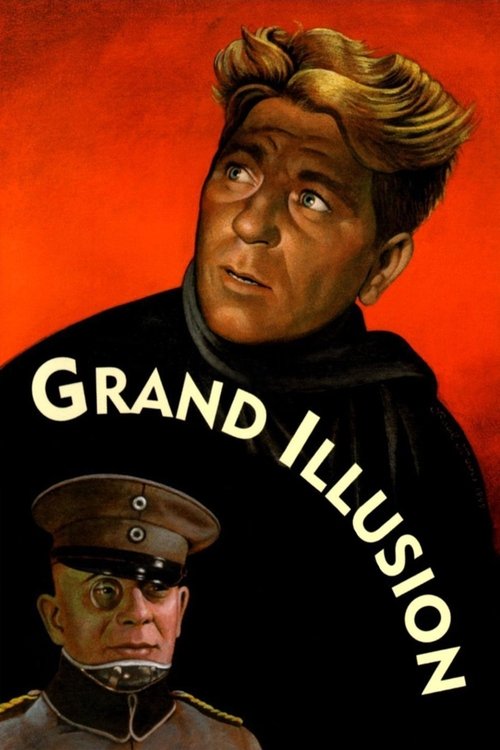
Grand Illusion1937
Captive Heart is indebted to La Grande Illusion's moral sophistication—the idea that POW camps reveal character rather than destroy it, and that connection across division is what keeps men human.
Renoir's 1937 French masterpiece is the ancestral text: a WWI POW film that shares Captive Heart's belief in the bonds between men and the persistence of civilization even in captivity. It's about escape, yes, but more deeply about friendship and class and the illusions we maintain.
But It's a silent-film-era work (though sound). If you need modern pacing and clarity, it will feel slow and coded.
People
Cast
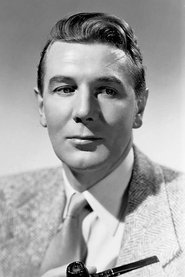 Michael RedgraveCapt. Karel Hasek
 Rachel KempsonCelia Mitchell
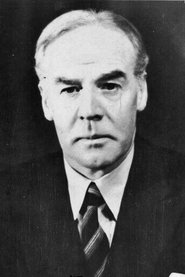 Frederick LeisterMr. Mowbray
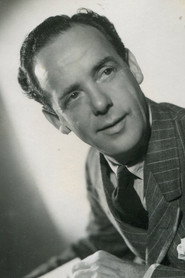 Mervyn JohnsPte. Evans
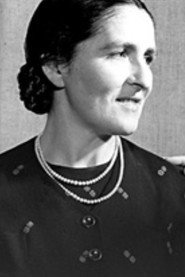 Rachel ThomasMrs. Evans
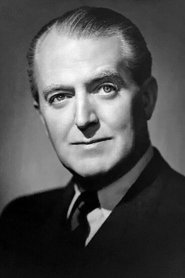 Jack WarnerCpl. Ted Horsfall
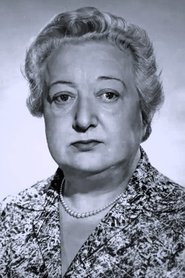 Gladys HensonMrs. Horsfall
 James HarcourtDoctor
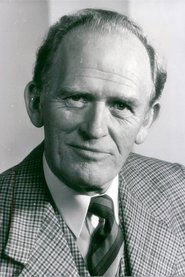 Gordon JacksonLt. David Lennox
- Elliott MasonMrs. Lennox
- Margot FitzsimonsElspeth McDougall
- David KeirMr. McDougall
Directing
- Gwen BartleContinuity
- Phyllis CrockerContinuity
- Basil DeardenDirector
- Billy RussellFirst Assistant Director
- Muriel ColeSecond Assistant Director
- Jimmy SangsterThird Assistant Director
- John MeadowsThird Assistant Director
Writing
- Angus MacPhailScreenplay
- Guy MorganScreenplay
- Patrick KirwanStory
Production
- Michael RelphAssociate Producer
- Michael BalconProducer
Recommended by
The Colditz Story, One of Our Aircraft Is Missing, The Password Is Courage, The Constant Nymph, Danger Within