
Film
7th Heaven
Other titles called 7th Heaven: the 1996 series (The CW).
A 1927 silent film about a Parisian sewer worker and a street urchin whose unlikely romance offers redemption and hope. Frank Borzage's masterpiece moves with lyrical grace, finding transcendence in poverty and faith. Genuinely tender—this is cinema learning to break hearts.
Should you watch it?
Watch it if you love silent romance where faces carry the whole story, with sweet sentiment and a city of cobbles and rooftops rendered as if it were a fairy tale.
Skip it if you need dialogue and brisk plotting; the sentiment runs warm and the silent acting is broad, so the romance can feel syrupy to a modern eye.
What it asks of you: Nearly two hours of unhurried pace, with title cards to read and long, quiet glances doing the work where dialogue would be.
Not sure? Find tonight's pick in a minute.
If you liked this
Sunrise: A Song of Two Humans1927
Murnau's masterpiece about temptation and redemption in a rural marriage, shot with the same visual poetry as 7th Heaven. A perfect pairing: both films transcend their stories through pure cinema.
But It's a silent film, and the melodrama—a wife tempted to murder her husband—demands patience with unironic sincerity.

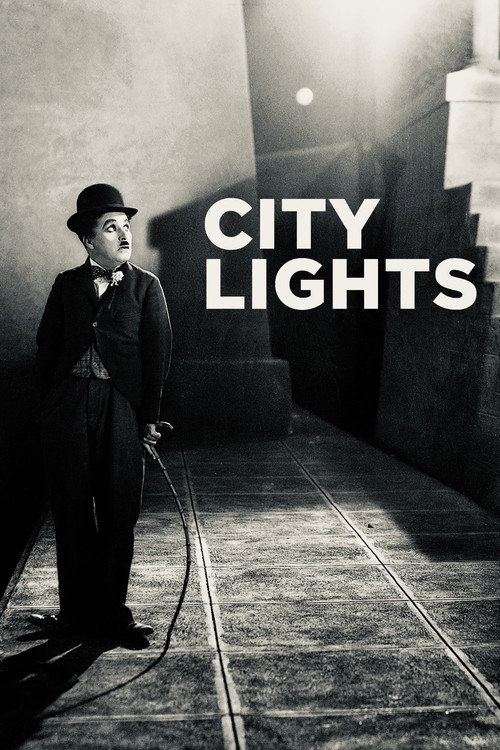
City Lights1931
Chaplin's tramp falls for a blind flower girl. Like 7th Heaven, it finds profound tenderness in the meeting of social classes, scored and paced to wring every emotion without dialogue.
But Chaplin's sentimentality can feel cloying now. Some moments lean hard on pathos in ways that don't entirely land.
The Phantom Carriage1921
A Swedish silent about a dying man haunted by death itself. Shares 7th Heaven's faith in redemption through love, with Sjöström's performance—raw, physical, broken—matching Farrell's quiet desperation.
But The pacing is slow, and the spiritual framework—ghosts, salvation, divine judgment—requires you to meet it on its own terms.

Not sure tonight? Get a pick in a minute, starting from 7th Heaven
The wildcard
Something you would not have found on your own.
Stalker1979
Both films believe that love and faith are the only real things in a broken world. Both use camera movement and light to find the sacred in ordinary moments. Both refuse easy answers about whether salvation is possible—they simply offer it, leaving us to decide if it's real.
Tarkovsky's science-fiction meditation on faith, desire, and whether redemption is real or imagined. A man guides others through a mysterious zone toward a room that grants wishes. Shot with the same patient spirituality as Borzage—cinema as prayer.
But It's 163 minutes of slow, philosophical cinema. There's minimal plot and no conventional drama. Watching it requires surrender.

More like this (8)
Intolerance: Love's Struggle Throughout the Ages1916
Griffith's four-era epic about love and cruelty across history. Massive in scale where 7th Heaven is intimate, but both believe cinema can show us the face of God in ordinary moments.
But Nearly four hours long, with a plot that jumps between centuries. The ambition can overwhelm, and Griffith's politics are complicated in ways worth examining.

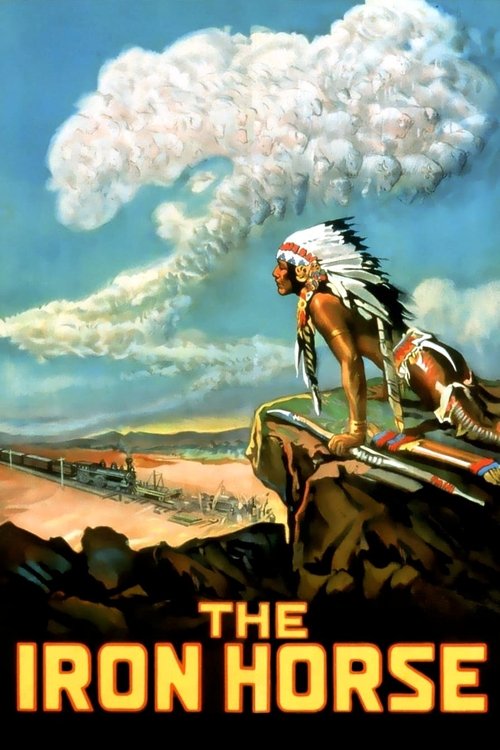
The Iron Horse1925
Ford's western traces the transcontinental railroad. Another Farrell role, another romance emerging from hardship. Ford shoots landscape the way Borzage shoots faces—as sacred.
But It's a western, and the pacing reflects silent-era attitudes. Some sequences feel padded even by 1924 standards.
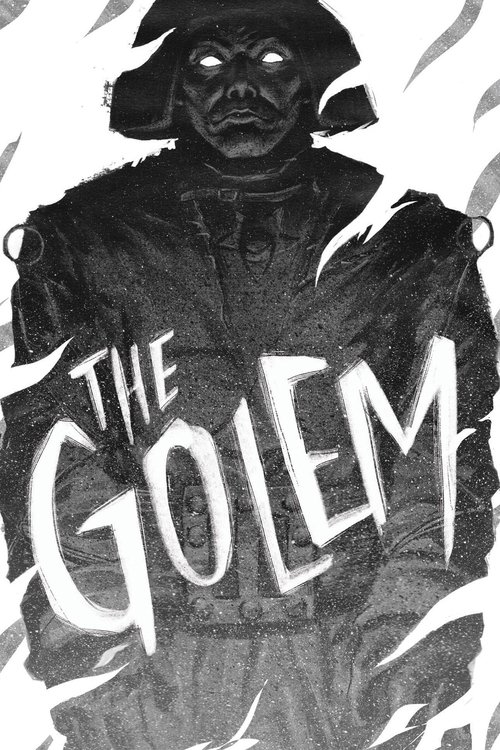
The Golem: How He Came into the World1920
A Czech-German expressionist masterpiece about a man-made saviour in a ghetto. Like 7th Heaven, it wrestles with faith, poverty, and whether love can redeem a broken world.
But The visual style—all shadows and angles—takes getting used to. The plot is dreamlike and refuses clarity on purpose.
Nosferatu1922
Murnau's vampire film. Shares 7th Heaven's belief that cinema speaks in images, not words. The horror here is aesthetic, moral—a meditation on death and love wearing a monster's face.
But It's horrific in ways some find tedious now. The pacing is deliberate to the point of glacial. Not plot-forward entertainment.

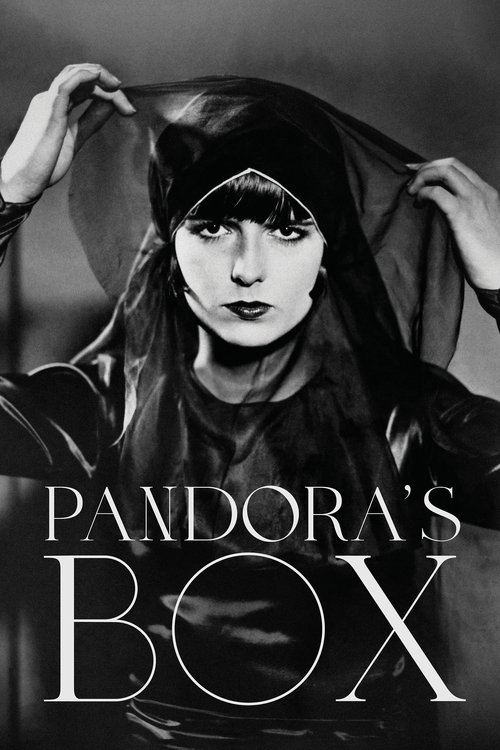
Pandora's Box1929
Pabst's Weimar tragedy with Louise Brooks as a woman whose sexuality destabilizes men. Darkly mirrors 7th Heaven—both films about desire as a force of fate, though this one ends in ruin.
But It's cynical where 7th Heaven is hopeful. The misogyny of its world, though clearly critiqued, can feel oppressive to sit with.
The Lodger: A Story of the London Fog1927
Hitchcock's first feature, a Jack the Ripper thriller made the same year as 7th Heaven. Proves silent cinema could carry suspense as easily as tenderness—both use space and faces as language.
But The plot is familiar now, and some of Hitchcock's early tricks haven't aged as cleverly as we'd hope.

The Third Man1949
Both films use a divided city—zones of wealth and poverty, redemption and damnation—as the backdrop for impossible love. Both centre on men watching women they cannot have. Both ask: can love survive in a world that doesn't believe in it?
Carol Reed's postwar Vienna thriller about a pulp novelist searching for his best friend's killer. Reed uses the ruined city like Borzage uses Paris—as a character, a moral landscape, a physical manifestation of interior turmoil.
But It's noir, cynical, romantic only in its corruption. If you want 7th Heaven's faith in love, you won't find it here. The ending denies it completely.

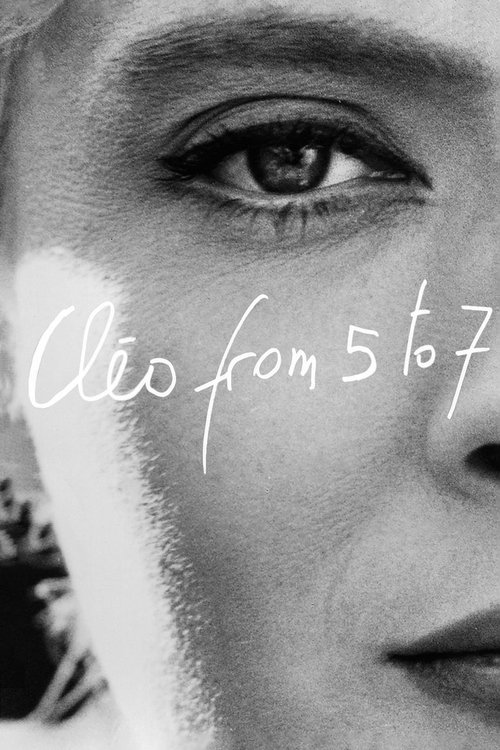
Cléo from 5 to 71962
Both films see Paris as a city where chance and faith intersect. Both follow characters who are outside society—the sewer worker, the urchin, the woman waiting to learn her fate. Both believe that wandering through the city, meeting strangers, can transform a life. But where Borzage offers redemption through love, Varda offers it through consciousness itself.
Agnès Varda's real-time film about a woman waiting for cancer test results in Paris. Ninety minutes, one woman, the city as her mirror. It has 7th Heaven's faith in beauty and chance, but Varda is interested in female interiority, not just romance.
But Almost nothing happens. It's an essay disguised as a film. If you want drama, this will frustrate you—it's mood and observation, not plot.
People
Cast
 Janet GaynorDiane
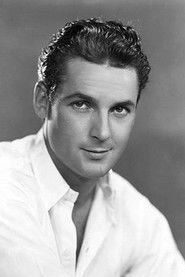 Charles FarrellChico
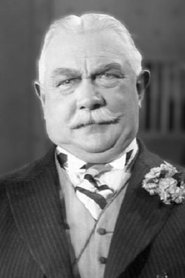 Albert GranBoul
 David ButlerGobin
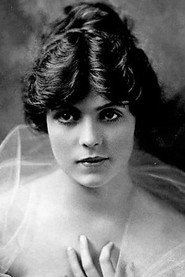 Marie MosquiniMadame Gobin
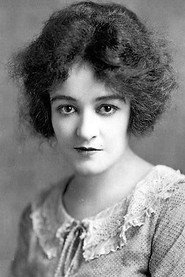 Gladys BrockwellNana
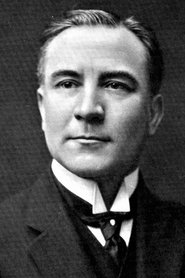 Émile ChautardFather Chevillon
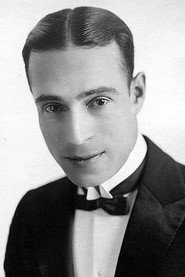 Ben BardCol. Brissac
 George E. StoneSewer Rat
- Jessie HaslettAunt Valentine
 Brandon HurstUncle George
 Lillian WestArlette
Directing
- Lew BorzageAssistant Director
- Park FrameAssistant Director
- Frank BorzageDirector
Writing
- H.H. CaldwellAdaptation
- Katherine HillikerAdaptation
- Benjamin GlazerScreenplay
- Austin StrongTheatre Play
- H.H. CaldwellWriter
- Katherine HillikerWriter
Production
- William FoxProducer
- Sol M. WurtzelSupervising Producer
Recommended by
Random Harvest, Man's Castle, Liliom, The Wedding March, The Good Earth, The Garden of Allah, Lilac Time, Street Angel, Moonlight Sonata, The Singing Fool, Innocents of Paris, The Sin of Madelon Claudet, The Winding Stair, The Sport of Kings, The Mayor of Casterbridge, The Love of Sunya, Maisie, The Patent Leather Kid, My Best Girl, Abie's Irish Rose