
Film
My Best Girl
A silent romantic comedy about a millionaire's son who goes undercover as a stockroom worker to prove himself, only to fall for a shop girl—and discovering that proving yourself and winning the right person might be the same thing. Charming, briskly paced, carried by Mary Pickford's infectious warmth. Perfect for anyone curious about silent cinema who wants lightness, not severity.
If you liked this
It Happened One Night1934
Screwball romance that also hinges on class and disguise: a runaway heiress and a working stiff discover they're better matched than anyone expected. Snappy, sexy, endlessly imitated. The template Pickford helped write.
But Runs 105 minutes and moves at a speed that can feel exhausting if you're not in the mood for constant quipping and physical comedy.

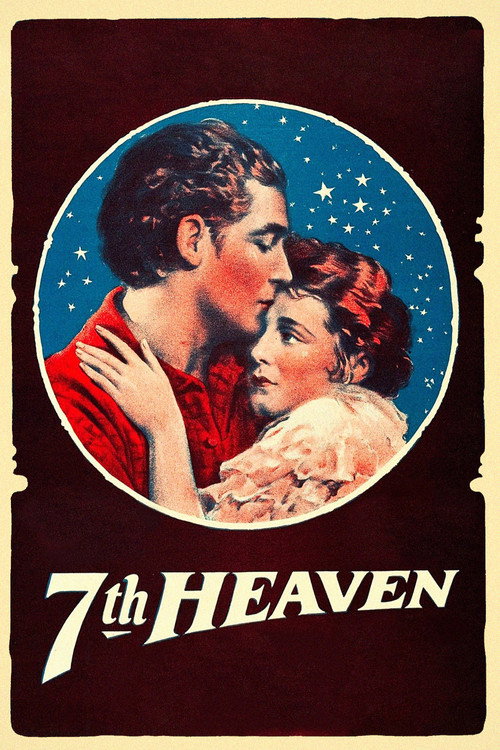
7th Heaven1927
Released the same year, this Pickford costar Charles Rogers starred in another romantic drama that balances working-class life with genuine emotional stakes. Similar era, similar warmth, different emotional weight.
But Much slower and more earnest than My Best Girl; if you want lighter entertainment, this trades comedy for sentiment.
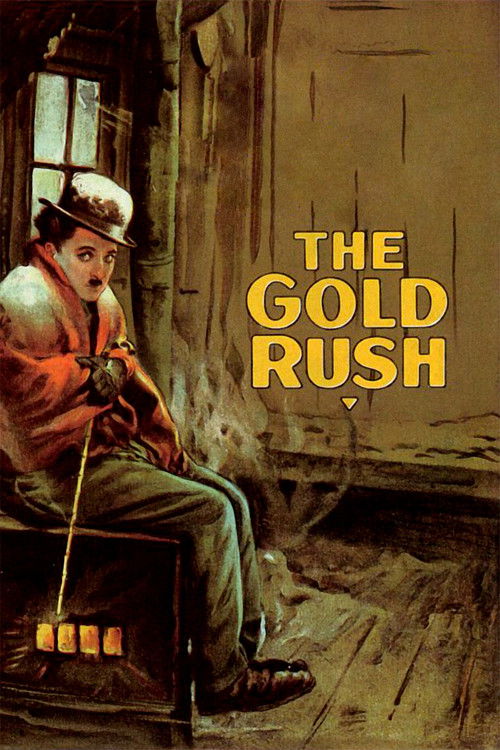
The Gold Rush1925
Chaplin as a poor prospector trying to win a woman while proving his worth—played entirely seriously, even though it's funny. Shows the range of silent comedy and how deeply feeling these films could be.
But Chaplin's pathos can read as manipulative to modern viewers, and the film's pacing demands patience and silence from you.
Not sure tonight? Get a pick in a minute, starting from My Best Girl
The wildcard
Something you would not have found on your own.
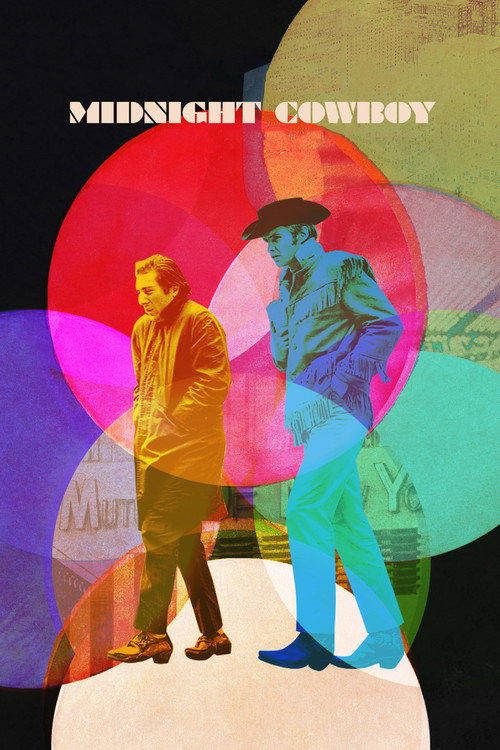
Midnight Cowboy1969
Both explore what it means to prove your worth in a city—one as romantic comedy, one as tragedy. Pickford believed in transformation through love; Midnight Cowboy believes in nothing.
The only X-rated film to win Best Picture—a brutal inversion of the Pickford premise. A young man in the city hoping to make money through charm and looks discovers that selling yourself doesn't lead to love or redemption. Shocking and necessary.
But Genuinely harrowing. Depicts sexual exploitation, addiction, and destitution without flinching. Not entertainment in the way My Best Girl is.
More like this (8)
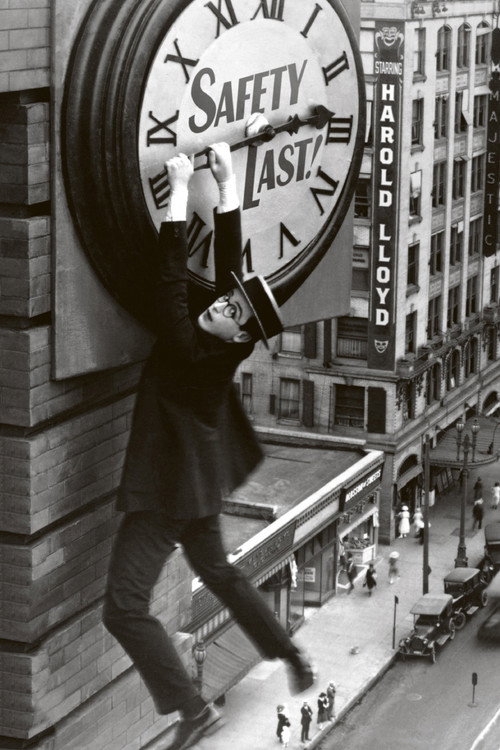
Safety Last!1923
Harold Lloyd climbing a department store building while juggling romance and class anxiety. Combines physical comedy, genuine romance, and the world of retail—thematically adjacent and brilliantly constructed.
But The stunt-heavy approach means character development takes a backseat; you're watching for thrills more than emotional nuance.
The Phantom Carriage1921
Swedish silent masterpiece about a man given a glimpse of redemption through love. Shares Pickford's belief that cinema can be both moving and entertaining without choosing between them.
But Bleak and supernatural rather than comic; the tonal distance from My Best Girl is significant, and the print quality can be variable.

Sunrise: A Song of Two Humans1927
Released the same year, this is what silent cinema could do at its most ambitious: a couple reconnecting through the city, shot with poetry and formal invention. Shows you the range of 1927.
But Intensely serious and formally experimental; if you want to stick with lighter fare, this will feel like a different art form.

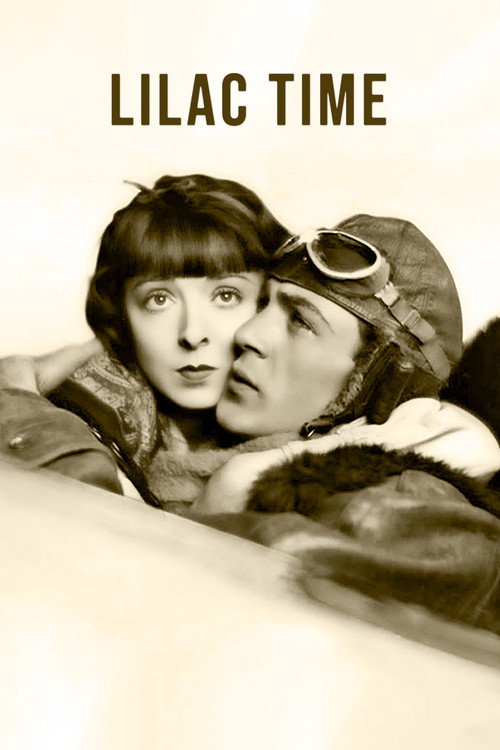
Lilac Time1928
Pickford opposite Gary Cooper in a rural romance with real sweetness and physical charm. Similar register to My Best Girl but with a different co-star and setting, so you get to see her range.
But Less narratively propulsive than My Best Girl; the plot meanders, and the film is overshadowed by its more famous contemporaries.
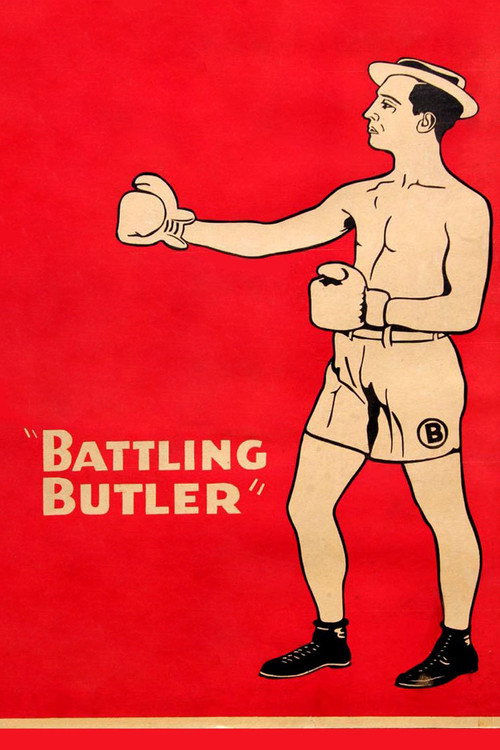
Battling Butler1926
Keaton as an ordinary man faking his way into romance and respectability. Same class-crossing premise, but with Keaton's deadpan genius replacing Pickford's vivacity.
But Keaton's comedy is cold and cerebral where Pickford's is warm; if you loved her presence, his will feel distant.
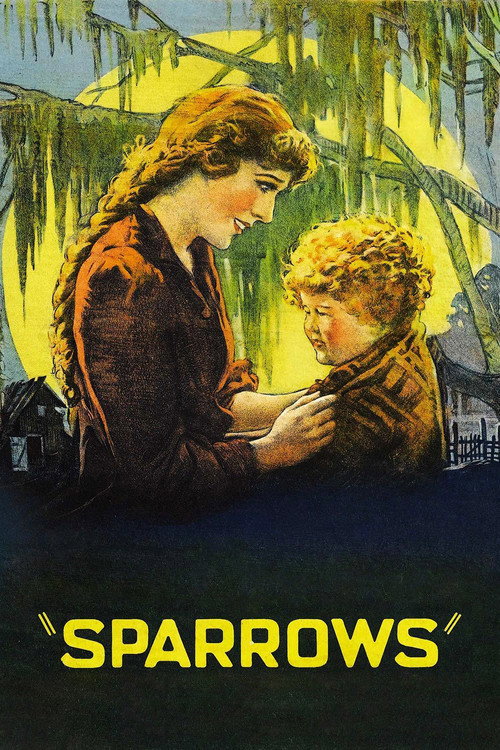
Sparrows1926
Pickford in a more dramatic role, rescuing children from exploitation. Shows her serious side while maintaining her essential decency and charm.
But Tonal tug-of-war between melodrama and sentiment; the film doesn't quite convince you whether it's asking you to cry or smile.
Singin' in the Rain1952
Both are about the performance of identity—Pickford's Joe pretending to be ordinary, Gene Kelly's Don pretending to be ordinary too. Both ask: when the mask comes off, is anyone home?
A showman's romance set in the machinery of Hollywood starmaking, shot in color with dancing and music. Takes the Pickford-era concern with class, worth, and authentic connection and translates it into a different register entirely—but the heart is the same.
But Effervescent to the point of artifice; some viewers find it exhausting rather than joyful, and the plot mechanics can feel hokey.

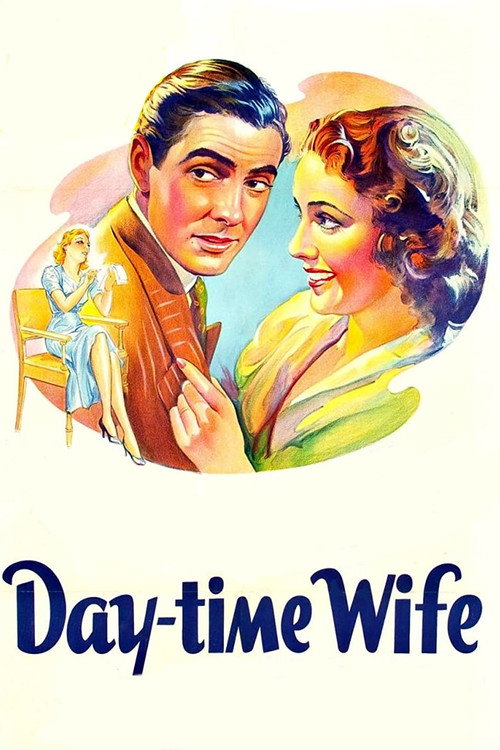
Day-time Wife1939
Both movies turn on a character assuming a false identity for love, but where Pickford's Joe proves his worth through deception, Darnell's wife uses it as espionage. The premise is the same; the moral register is entirely different.
Linda Darnell as a working girl who goes undercover as a society woman to catch her husband in an affair. Flips the class disguise premise on its head: now it's about catching a man in a lie rather than proving yourself. Zippy, cynical, funny without being mean.
But Short (72 minutes), which means plot over character development; also a B-picture, so the production values are clearly modest compared to the Pickford original.
People
Cast
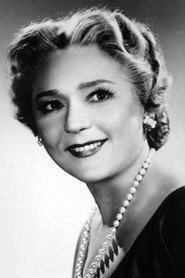 Mary PickfordMaggie Johnson
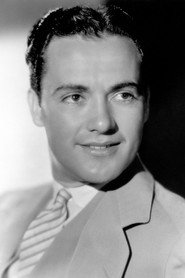 Charles 'Buddy' RogersJoe Grant
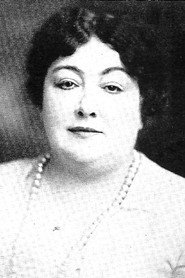 Sunshine HartMa Johnson
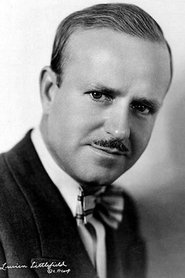 Lucien LittlefieldPa Johnson
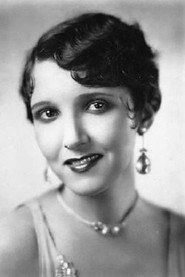 Carmelita GeraghtyLiz Johnson
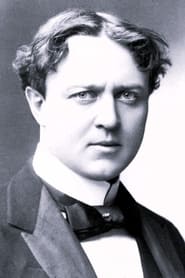 Hobart BosworthRobert Merrill
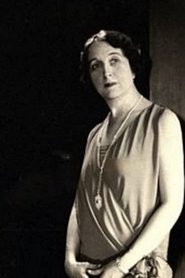 Evelyn HallEsther Merrill
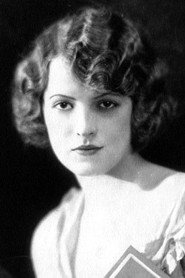 Avonne TaylorMillicent Rogers
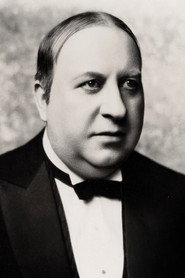 Mack SwainJudge
- Junior JohnstonNick Powell
 Matthew BeardChild (uncredited)
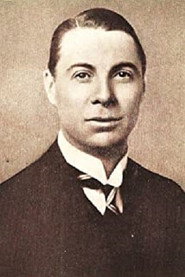 Sidney BraceyButler Serving Dinner (uncredited)
Directing
- H. Bruce HumberstoneAssistant Director
- Sam TaylorDirector
Writing
- Hope LoringAdaptation
- Allen McNeilScreenplay
- Tim WhelanScreenplay
- Kathleen NorrisStory
- Hope LoringWriter
Production
- Mary PickfordProducer