
Film
The Ace of Cads
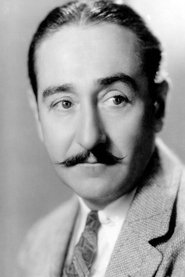
A brittle 1926 silent melodrama about a Guards officer undone by drink, rivalry, and the woman caught between them. Menjou brings dry sophistication to moral collapse. It's a showcase for the vocabulary of silent acting—the slump of shoulders, the architectural face—and moves with the fatalistic snap of a man tumbling downward. For anyone curious about how emotion lived in cinema before dialogue.
If you liked this
Sunrise: A Song of Two Humans1927
F.W. Murnau's masterpiece about betrayal and redemption, where a man nearly destroys everything for another woman. The technical ambition and emotional devastation rival anything made since. Pure cinema.
But It's a silent film with intertitles, which asks patience from modern viewers. The pacing—especially in the second half—can feel glacial.

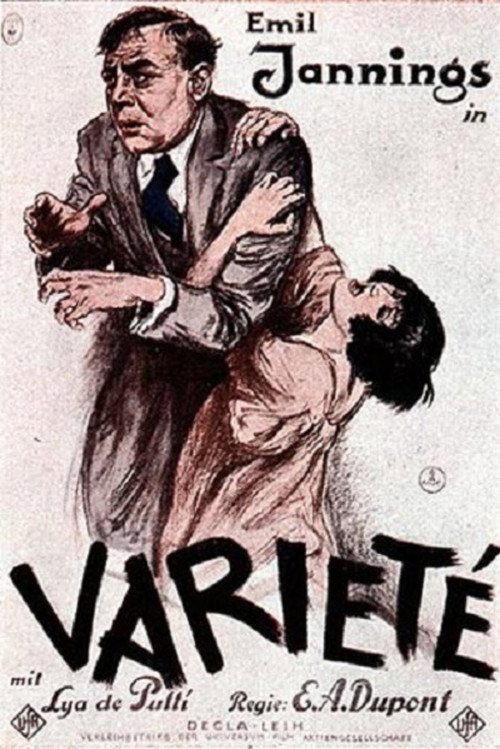
Variety1925
Another German silent about obsession and jealousy, with acrobats instead of soldiers. Ewald André Dupont's camera moves with dizzying virtuosity. A film about performance watching performance.
But The love triangle is thin; what matters is the visual technique, which may feel like watching a technical exercise rather than a story.
The Phantom Carriage1921
Enskög's Swedish ghost story about a man shown his wasted life by supernatural visitation. Crushing moral weight, stunning visual poetry, and genuine dread. The influence on cinema is immeasurable.
But The supernatural framing can read as sentimental to modern eyes. At 90 minutes, it requires undivided attention.

Not sure tonight? Get a pick in a minute, starting from The Ace of Cads
The wildcard
Something you would not have found on your own.
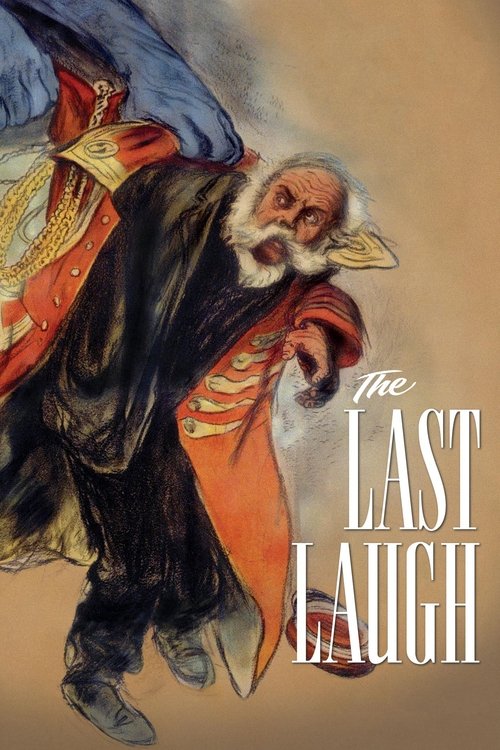
The Last Laugh1924
Both use silent acting and visual storytelling to track a man's decline through shame and social failure. Menjou and Jannings both play men for whom dignity is everything and ruination is irreversible.
F.W. Murnau again, but this time without a single intertitle—the entire story told in images and performance. A hotel doorman's humiliation and his desperate scramble for dignity. It invents the language that The Ace of Cads speaks.
But The lack of text demands total visual literacy. If you're not watching carefully, you'll miss story entirely. It's exhausting in the best way.
More like this (8)
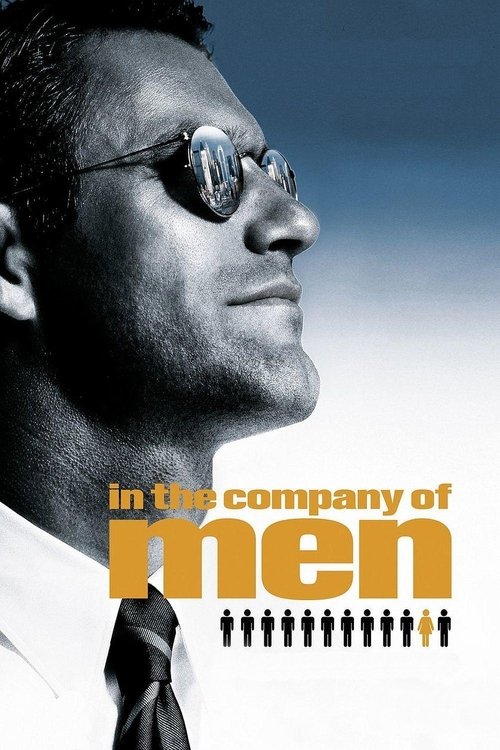
In the Company of Men1997
Neil LaBute's mordant look at masculine cruelty and the casual destruction of women. Two men weaponize their friendship to emotionally devastate a deaf woman. Cruel, lucid, indefensible—and so are the characters.
But Extremely bleak and misanthropic. The men are not redeemed; neither are we for watching. It's a film that leaves you irritated at humanity.
Schooling the World: The White Man's Last Burden2010
A contemporary American melodrama where a novelist destroys his marriage and career through infidelity and self-deception. Less polished than The Ace of Cads but rawer in its anatomy of masculine failure.
But Much of the film is lost; what survives is incomplete and transfers poorly. It requires goodwill toward damaged archives.

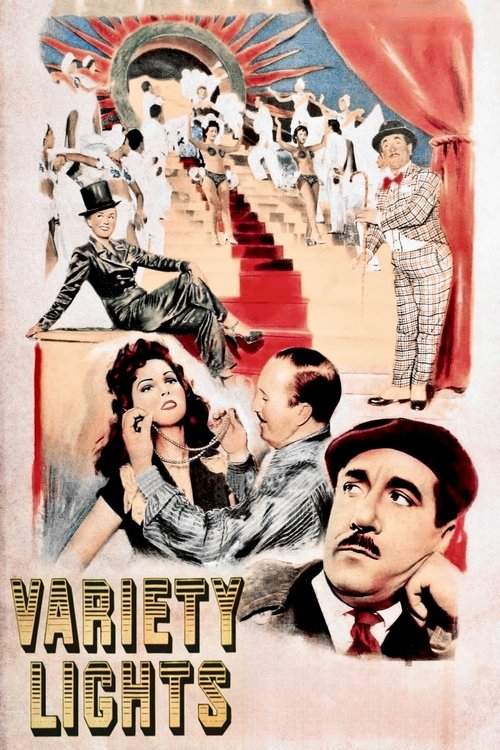
Variety Lights1950
Fellini's debut about a vaudeville troupe where ambition and aging collide. A man risks everything for a younger woman; the emotional cost is clear-eyed and sorrowful. Neorealism inflected with humanity.
But It's in Italian and moves at a slow, observational pace. There's no plot in the conventional sense, only accumulation of moments.
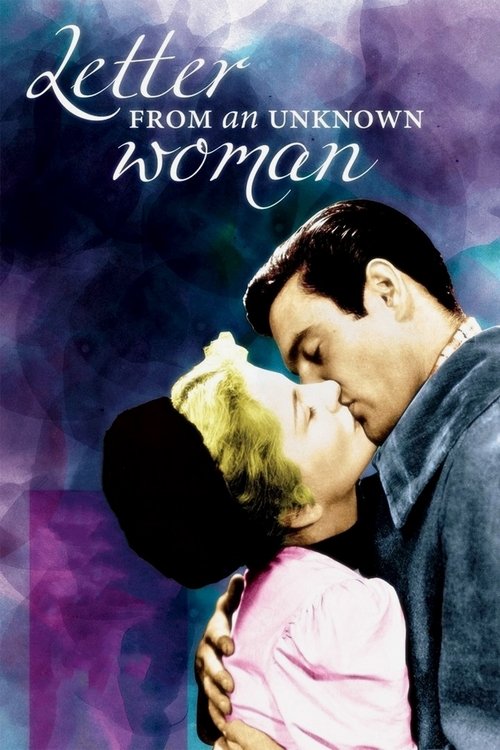
Letter from an Unknown Woman1948
Ophüls' heartbreaking study of unrequited love and masculine indifference. A woman writes to a man who has no idea she exists. The tragedy is mutual and unsparing.
But It's told largely in flashback and voiceover, which can feel stagey. The melodrama is deliberate but may still feel overwrought.
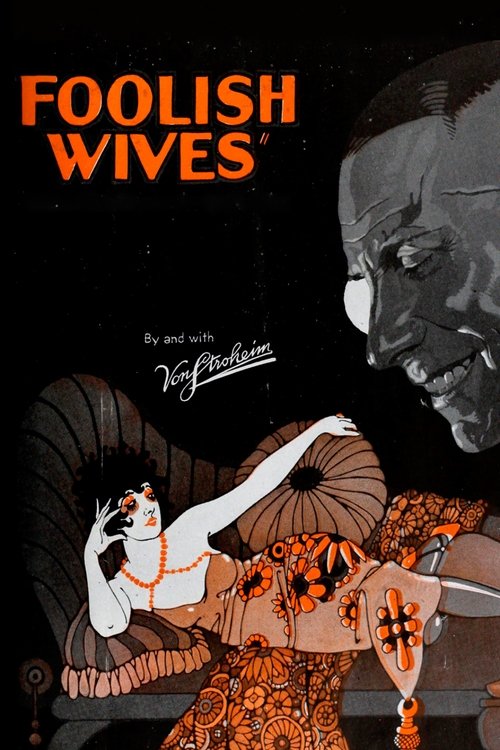
Foolish Wives1922
Von Stroheim's extravagant satire about a con man destroying a marriage from within. Visually sumptuous and morally corrosive. A scoundrel's-eye view of seduction and betrayal.
But Nearly three hours and episodic in structure. Von Stroheim's style is baroque and can obscure rather than clarify emotion.
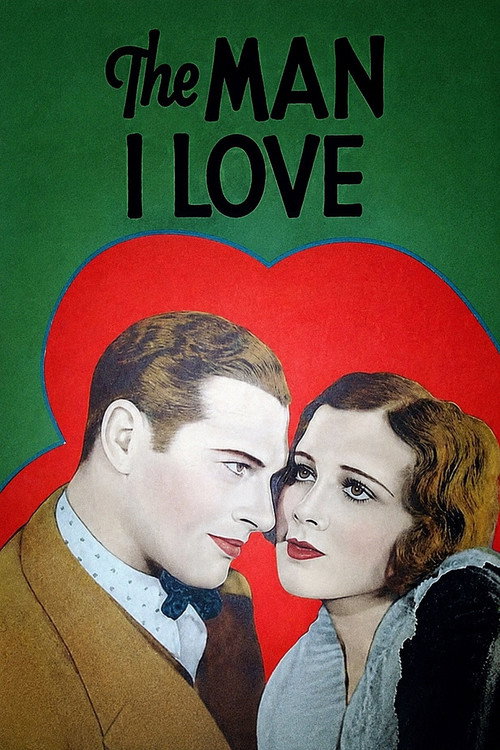
The Man I Love1929
A lesser-known silent about a woman choosing between two men, with real consequences for her autonomy. Raoul Walsh directs with clarity; the emotional stakes feel genuine rather than operatic.
But It's slighter in scope and ambition than the others here. The preservation is fair at best; the print quality is mediocre.
The Lodger: A Story of the London Fog1927
Both explore how one man's reputation—true or false—can destroy everything around him. Menjou and Novello are both undone by what people believe about them rather than what they've done.
Hitchcock's first great thriller, where paranoia and misunderstanding corrode a household from within. A man rents a room; his landlords become convinced he's a serial killer. Suspicion operates like poison gas.
But The psychological manipulation is relentless and the pace feverish. There's no comfort in it, no relief valve. It's a chamber piece designed to make you anxious.

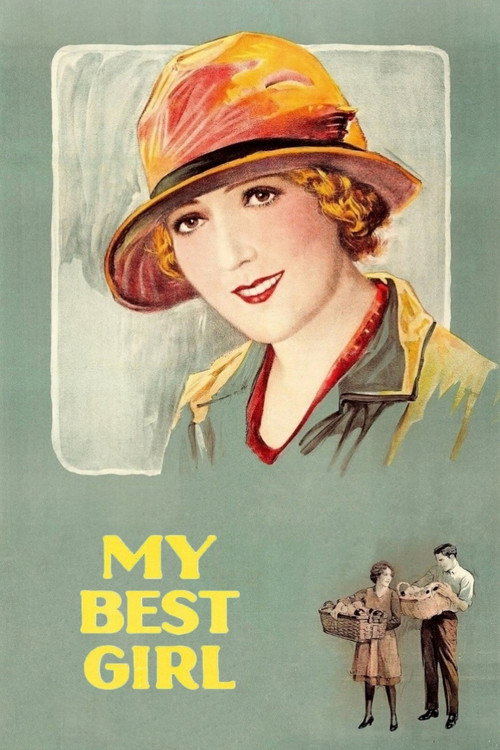
My Best Girl1927
Both are 1926–1927 films wrestling with class and deception in love, but this one believes people can be forgiven and relationships healed. Where Menjou's world is tragic, Pickford's is hopeful. Same era, opposite philosophies.
Mary Pickford's late vehicle about a young woman falling for the wealthy heir who works undercover in her father's shop. A light romantic comedy that becomes genuinely touching. Pickford and Charles Rogers have real chemistry and the film's kindness is radical.
But It's the inverse of The Ace of Cads in every register: sunny, comedic, redemptive. If you come seeking darkness, you'll find only brightness—which some find cloying.
People
Cast
Directing
- Luther ReedDirector
Writing
- Forrest HalseyAdaptation
- Forrest HalseyScreenplay
- Michael ArlenStory
Production
- Adolph ZukorProducer
- Jesse L. LaskyProducer
- William LeBaronProducer