
Film
Variety Lights
- Drama
- Light-hearted
Fellini and Lattuada's debut is a tender, unsentimental portrait of small-time showbiz in post-war Italy. A worn-out theater impresario falls for his newest dancer, a gorgeous dreamer with bigger plans. It's a film about ambition, disappointment, and the gap between who we are and who we want to become—told with warmth but no illusions.
If you liked this
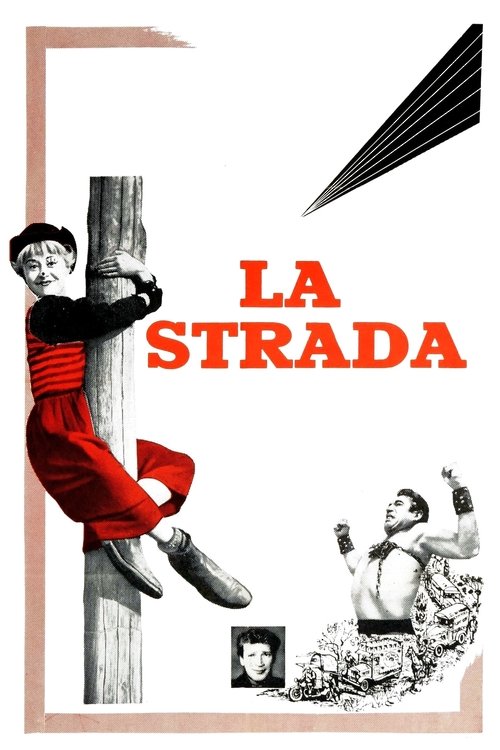
La Strada1954
Fellini's masterpiece about a traveling circus and the people trapped within it. Deeper, richer, and visually more stunning than Variety Lights, but built on the same foundation of love and cruelty among performers.
But Three hours of post-war Italian neorealism can feel glacial if you're used to faster storytelling. The ending is devastating in a way that lingers uncomfortably.
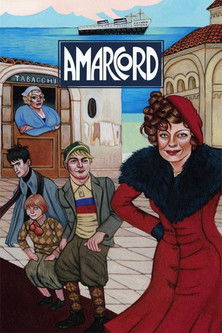
Amarcord1973
Another Fellini film about ordinary Italians and the gap between desire and reality. Surreal, funny, and deeply human—a masterclass in how to make provincial life feel epic.
But It's episodic rather than plot-driven, and some scenes feel indulgent. At two and a half hours, it asks patience.
Bicycle Thieves1948
The essential post-war Italian film: a father and son searching Rome for a stolen bicycle. Like Variety Lights, it finds tragedy and grace in ordinary failure, but with even starker emotional force.
But It's bleak. There's almost no music, no stars, and no comfort—just desperation and the kindness of strangers.

Not sure tonight? Get a pick in a minute, starting from Variety Lights
The wildcard
Something you would not have found on your own.
Singin' in the Rain1952
Both are about performers and the machinery of show business, but they disagree completely on whether it ends in heartbreak or transcendence.
Kelly and Donen's Hollywood musical, made just two years after Variety Lights. Both films are about show business and ambition, but this one is impossibly joyful and technically dazzling—a necessary counterweight, showing what happens when talent meets opportunity and luck.
But It's relentlessly upbeat in a way that can feel saccharine. The plot is tissue-thin. And it's American optimism about entertainment, which is almost the opposite of Italian skepticism.

More like this (7)
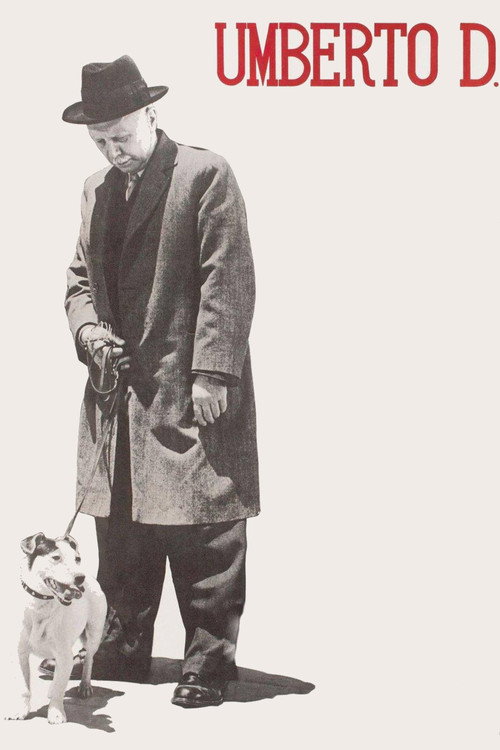
Umberto D.1952
De Sica again, this time following an elderly man and his dog struggling to survive in Rome. It has the same compassion for the struggling and overlooked that animates Variety Lights.
But It moves slowly and nothing feels resolved. The ending is ambiguous in a way that frustrated even its original audiences.
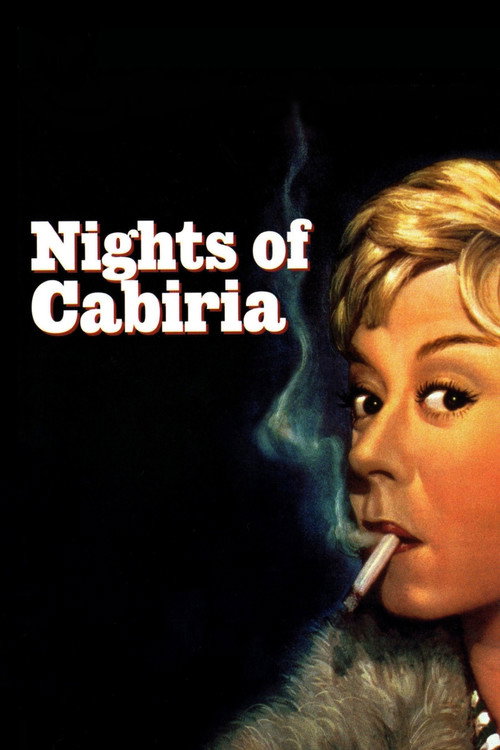
Nights of Cabiria1957
Giulietta Masina (Melina in Variety Lights) is luminous as a hopeful, damaged woman of the streets. Fellini's most tender film, with genuine joy alongside the heartbreak.
But It can feel maudlin if you're not attuned to Masina's particular magic. Some scenes teeter on sentimentality.
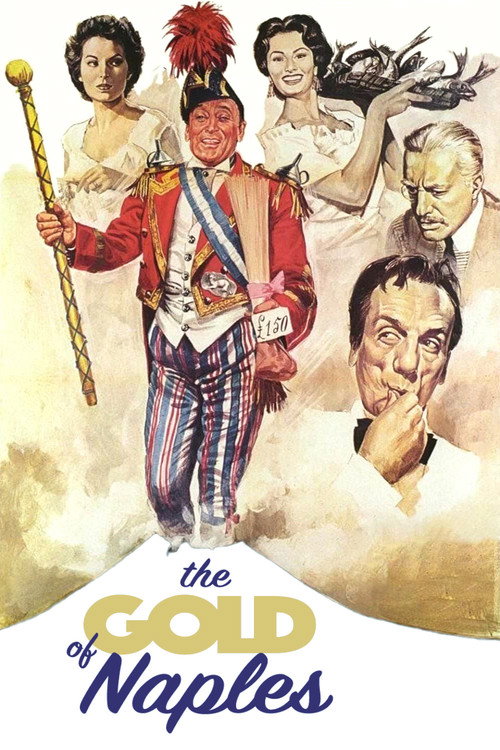
The Gold of Naples1954
Six stories of Neapolitan life, all about people trying to survive with dignity. Each one is a small masterpiece of tone, mixing comedy and tragedy the way Variety Lights does.
But Being an anthology, it lacks momentum. You have to reset your expectations six times, which some find exhausting.
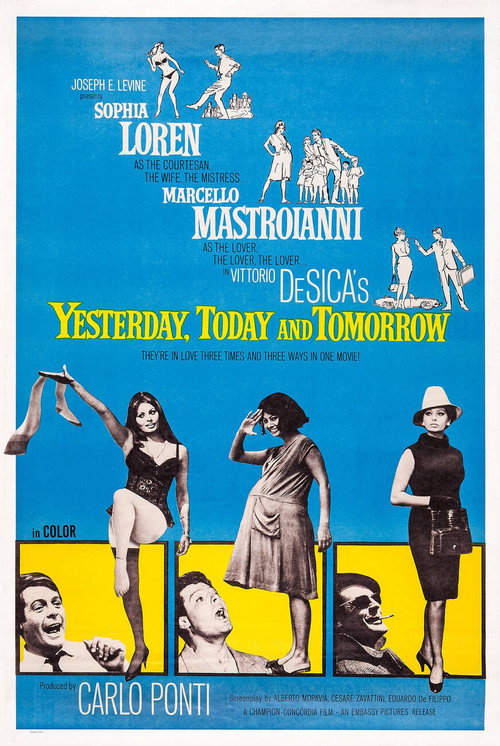
Yesterday, Today and Tomorrow1963
Three stories about desire, class, and compromise in Italy. Mastroianni and Loren are mesmerizing, and the film has Variety Lights' understanding that love and ambition don't always align.
But It's glossier and more romantic than Variety Lights, which might feel like a betrayal of its grittier predecessor.
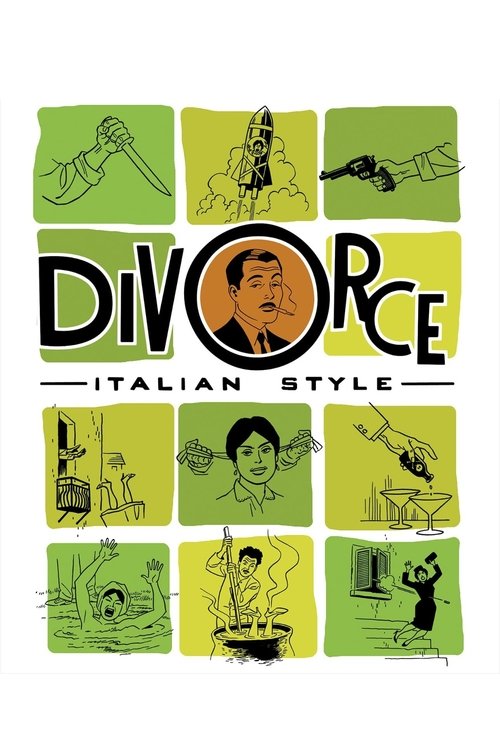
Divorce Italian Style1961
Sordi again, this time as a man plotting his wife's murder to pursue another woman. It's blackly funny about desire and selfishness in a way that echoes Variety Lights' darker moments.
But The premise is morally queasy, and the film doesn't always seem aware of it. Some find the tone confused.
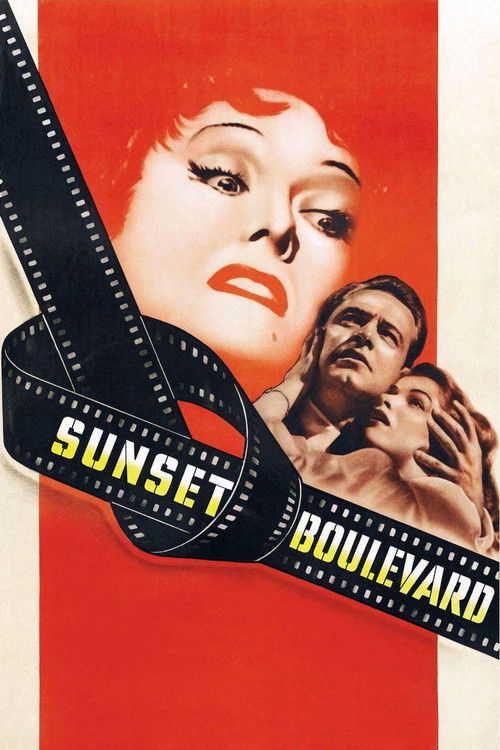
Sunset Boulevard1950
Both explore the cruelty of show business and how performers age out of relevance, but Wilder is noir-cynical where Fellini is humanist.
Wilder's Hollywood Gothic about a desperate screenwriter and a fading silent-film star. Made the same year as Variety Lights, it's the dark mirror of American dream mythology—decay, delusion, and the machinery that chews people up.
But It's claustrophobic and bleak, and the narration can feel intrusive. Some find it theatrical to the point of melodrama.
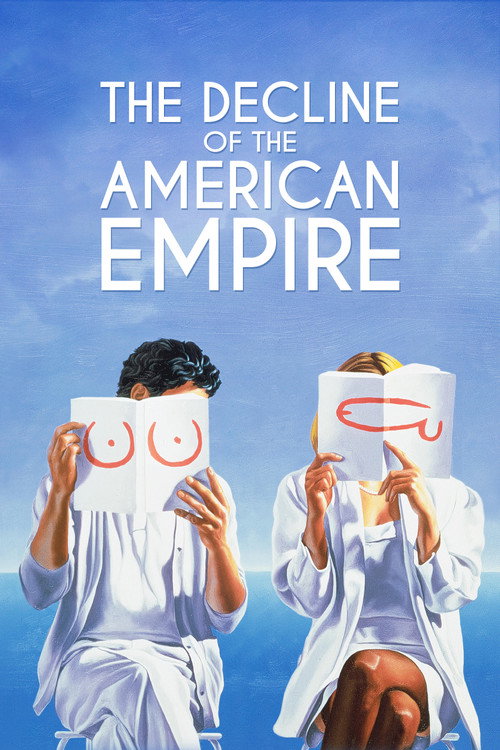
The Decline of the American Empire1986
Both are about the gap between who we hoped to be and who we actually are, told with affection but no sentimentality.
Arcand's Québécois masterpiece about four intellectuals and their messy lives. It has nothing to do with show business, but it shares Variety Lights' gift for showing how people rationalize their own failures and how ambition collides with mortality and love.
But It's talky—almost a play—and the humor is acerbic in a way that requires patience. The characters are self-absorbed and not always likeable.
People
Cast
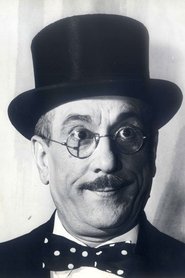 Peppino De FilippoChecco Dal Monte
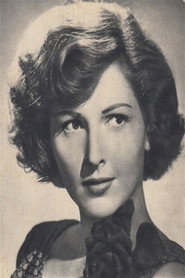 Carla Del PoggioLiliana "Lilly" Antonelli
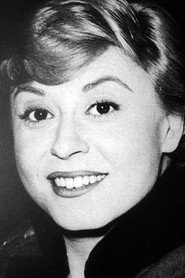 Giulietta MasinaMelina Amour
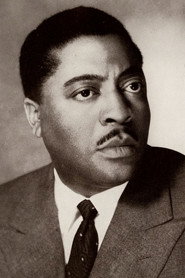 John KitzmillerTrumpet Player Johnny
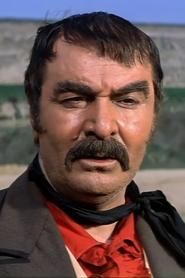 Dante MaggioRemo
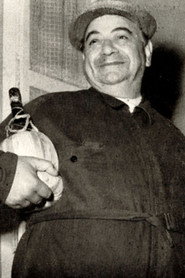 Checco DuranteTheater Owner
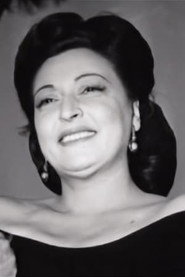 Gina MascettiValeria del Sole
- Giulio CalìMagician Edison Will
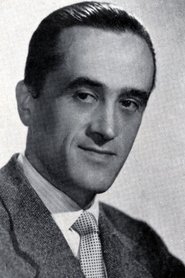 Silvio BagoliniBruno Antonini
 Giacomo FuriaDuke
- Mario De AngelisMaestro
 Vanja OricoMoema - Brazilian Singer
Directing
- Alberto LattuadaDirector
- Federico FelliniDirector
- Augusto CarloniFirst Assistant Director
- Massimo MidaFirst Assistant Director
- Angelo D'AlessandroSecond Assistant Director
Writing
- Alberto LattuadaScreenplay
- Ennio FlaianoScreenplay
- Federico FelliniScreenplay
- Tullio PinelliScreenplay
- Federico FelliniStory
Production
- Alberto LattuadaAssociate Producer
- Federico FelliniAssociate Producer
- Mario IngramiProduction Coordinator
- Bianca LattuadaProduction Manager
- Gastone RotelliniProduction Supervisor
Recommended by
The Big Circus, The Magnificent Seven Deadly Sins, The Ace of Cads, Barnum