
Film
The Big Circus
A 1959 circus thriller where a desperate owner fights to save his failing show while an unknown saboteur picks off his performers. It's a wide-eyed melodrama mixing sideshow atmosphere with genuine danger—somewhere between soap opera and murder mystery, anchored by Victor Mature's blue-collar determination. For anyone drawn to mid-century entertainment in peril.
Should you watch it?
Watch it if you love old-fashioned backstage melodrama, with big top spectacle, rivalries and a romance played straight, and you don't mind its sincerity looking a little creaky.
Skip it if you want a sharp, modern thriller; the suspense here is plain, the acting leans broad, and the earnest stagecraft may feel stiff.
What it asks of you: Settle in for nearly two hours of leisurely, colourful pacing, where circus life gets as much room as the mystery and the mood stays bright more often than grim.
Not sure? Find tonight's pick in a minute.
If you liked this
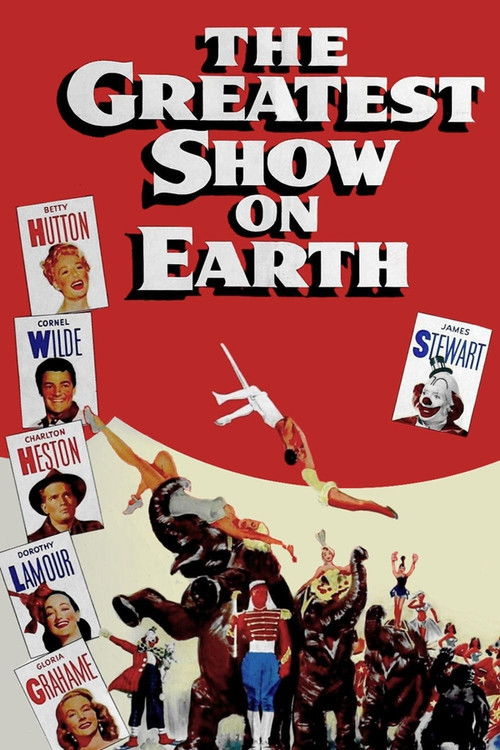
The Greatest Show on Earth1952
Cecile B. DeMille's magnificent circus epic with a train crash that still devastates, real acrobats, and genuine spectacle. A masterpiece of old Hollywood scale and ambition.
But Nearly three and a half hours, and DeMille's melodrama can veer toward the overwrought. The gender politics haven't aged well.
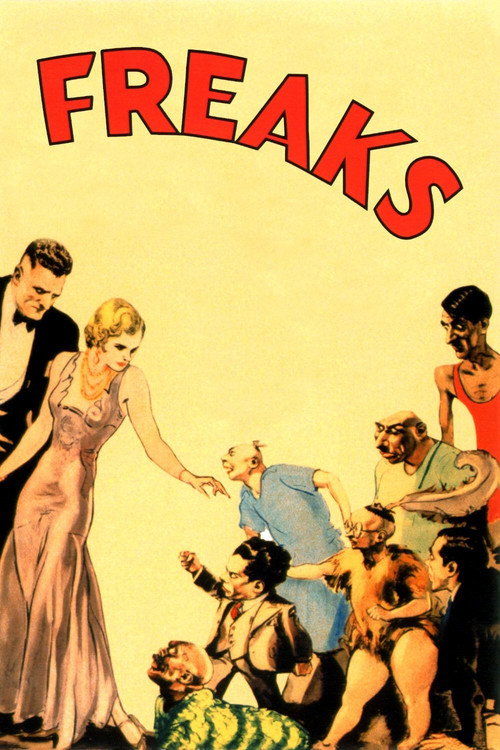
Freaks1932
Tod Browning's genuinely unsettling circus horror using real sideshow performers. Raw, strange, and unforgettable—the real thing, not a simulation.
But Some find it exploitative rather than sympathetic. It's deliberately grotesque and difficult to watch comfortably.
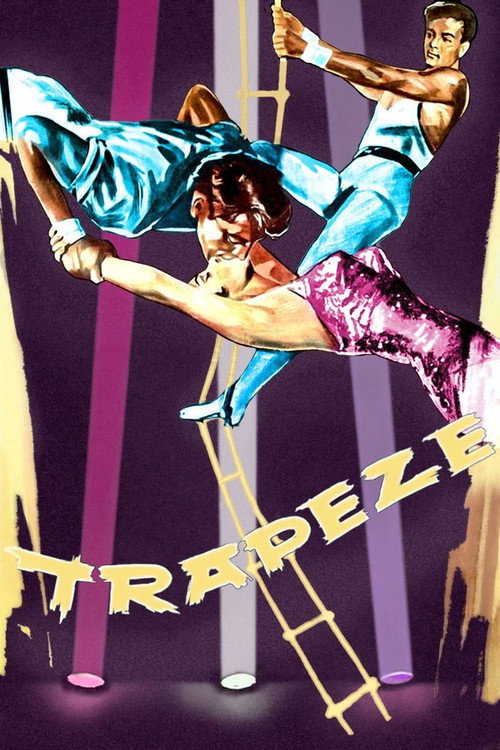
Trapeze1956
Burt Lancaster as an acrobat trying to return after injury; all genuine trapeze work, real danger on camera, and genuine erotic tension. A marvel of physical cinema.
But The melodrama between acts slows the momentum. You're really here for the flying sequences, and they don't fill 105 minutes.
Not sure tonight? Get a pick in a minute, starting from The Big Circus
The wildcard
Something you would not have found on your own.
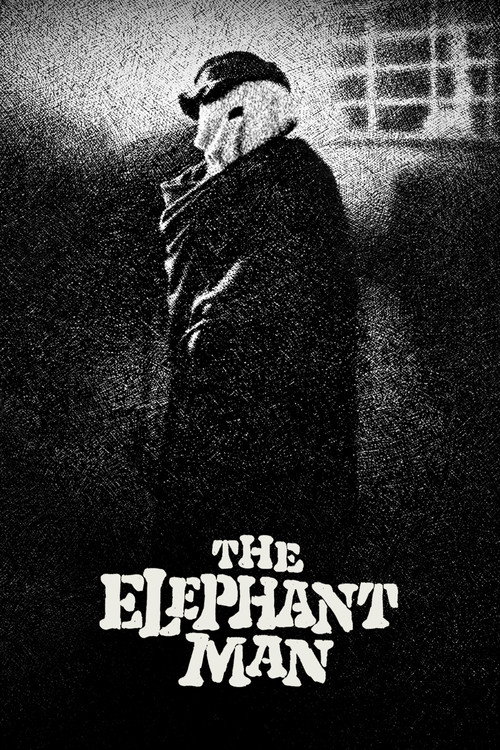
The Elephant Man1980
Both use the circus as the setting for a story really about cruelty and human worth. Merrick's story is The Big Circus with the lightness removed.
David Lynch's film about John Merrick, a Victorian freak-show performer. Like The Big Circus, it's about the circus as exploitation machine, but it operates in fever dream instead of melodrama—gorgeous, grotesque, and utterly serious about dignity.
But It's black and white, deliberately paced, and emotionally punishing. Lynch's elliptical style means plot matters less than mood and image.
More like this (8)
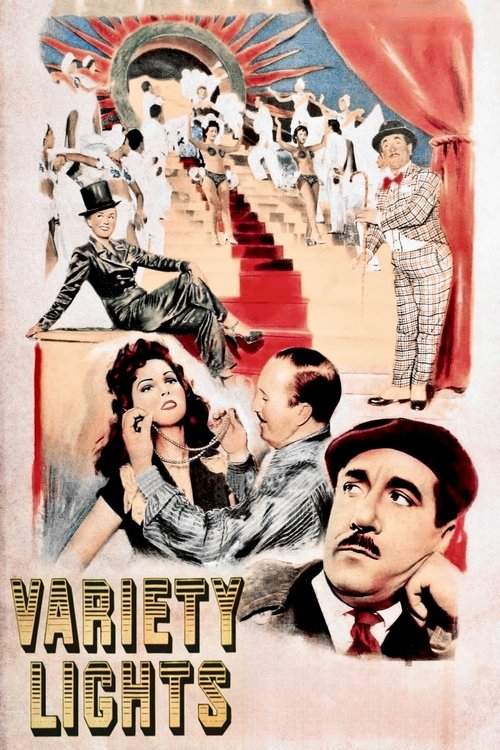
Variety Lights1950
Fellini's debut about a threadbare traveling theater troupe. Seedy, humane, and shot with such affection for performers struggling at the margins.
But It's Italian, subtitled, and deeply melancholic. There's no plot in the conventional sense—just decline and small human moments.
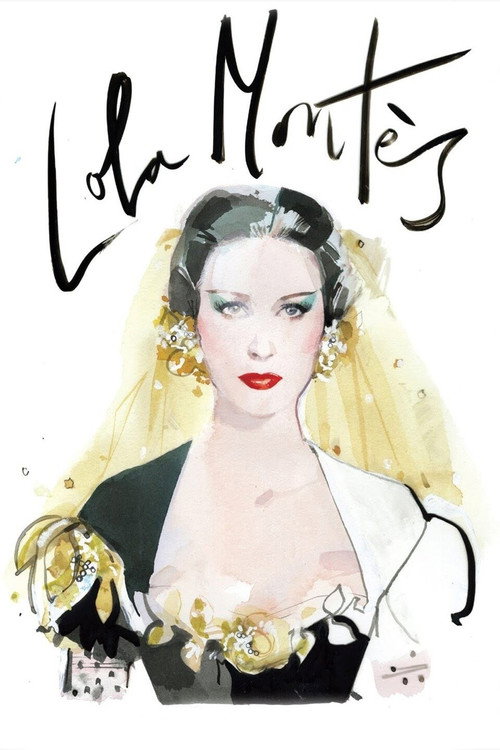
Lola Montès1955
Max Ophüls' baroque masterpiece about a famous performer reduced to circus attraction. Visually intoxicating, structurally daring, a meditation on fame and exploitation.
But Deliberately artificial and stylized. Some find it cold; the narrative circles rather than climbs toward anything conventional.
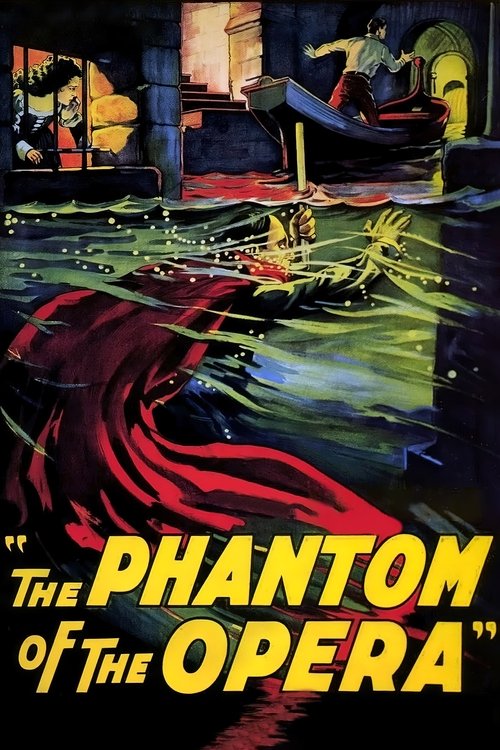
The Phantom of the Opera1925
Lon Chaney's silent masterpiece set partly in a Paris opera house. A gothic thriller with genuine suspense, expressionist design, and an unforgettable performance.
But It's silent. If you need constant dialogue or modern pacing, this demands patience and a different literacy.
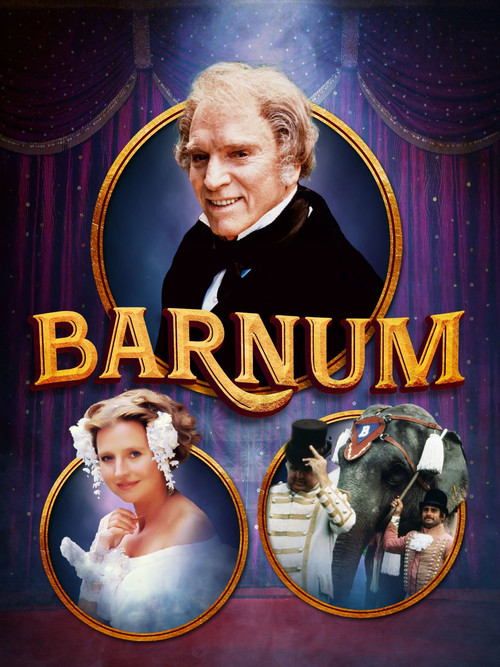
Barnum1986
Phineas Taylor Barnum: showman, huckster, opportunist. A musical biography that captures the machinery of spectacle and the hunger that drives it. Nostalgic and scheming.
But Made-for-TV movie with a TV movie's constraints. The musical numbers are ambitious but uneven, and it edges toward hagiography.
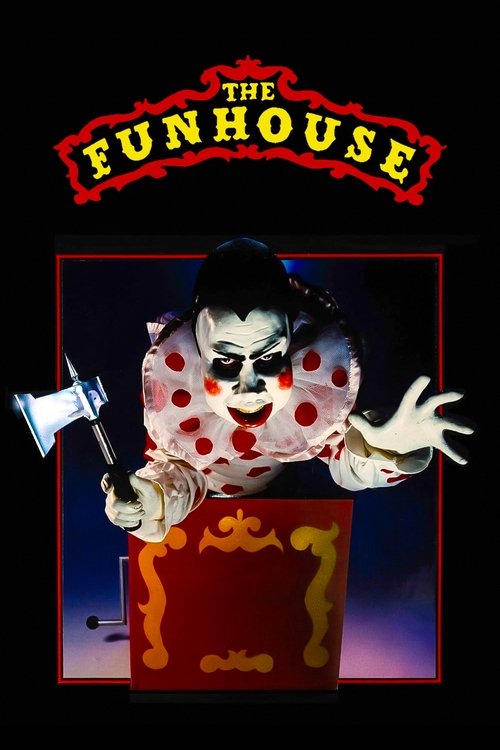
The Funhouse1981
Tobe Hooper's carny-set horror film; grimy, genuinely ominous atmosphere, real carnival spaces. The setting alone is worth the price of admission.
But The plot is fairly thin, and the final act devolves into standard slasher mechanics. The atmosphere carries it more than the story.
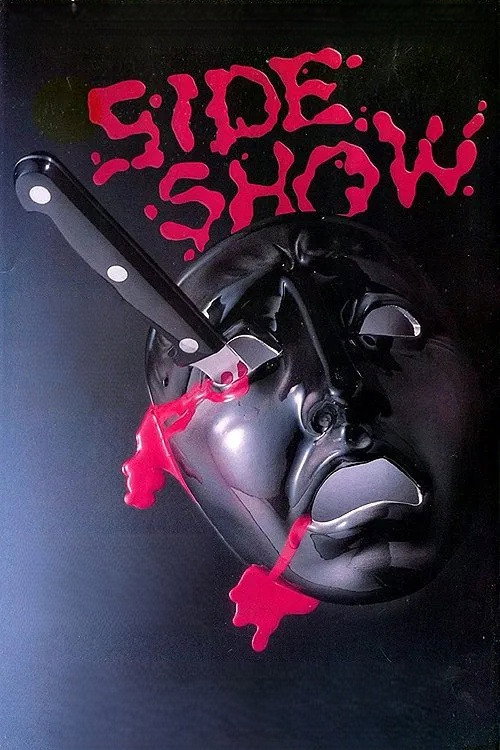
Side Show1981
A docudrama about real circus performers—fire-eaters, contortionists, the works. Ethnographic and strange, a genuine window into a disappearing world.
But Structurally loose and sometimes awkwardly acted. It's more anthropology than narrative, which limits its appeal.
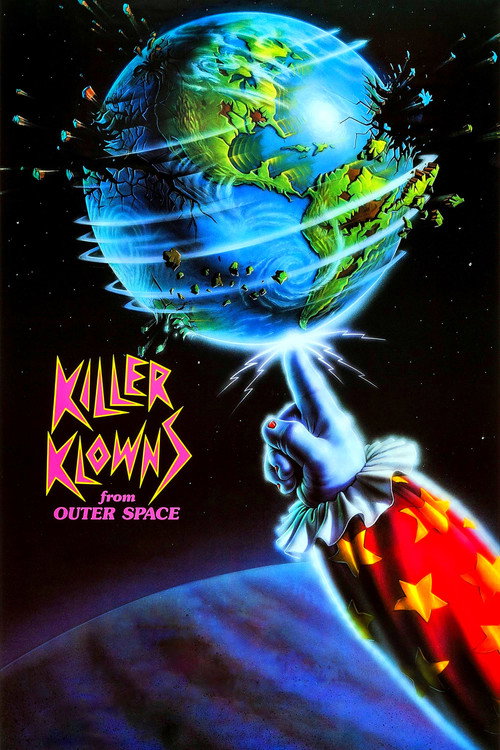
Killer Klowns from Outer Space1988
The inverse of The Big Circus: where that film uses the circus as cover for noir murder, this uses it as the literal site of invasion. Both make the carnival uncanny.
A B-movie about alien clowns invading Earth disguised as a traveling carnival. Absurdly inventive, genuinely fun, committed to its own nonsense. Pure carnival chaos and creature design.
But It's intentionally low-budget and cheesy. If you want serious horror or serious anything, this is the opposite direction.
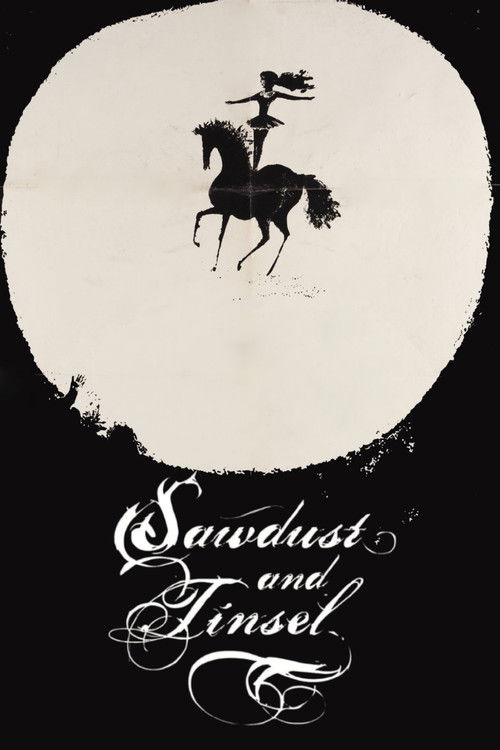
Sawdust and Tinsel1953
Same year, same circus setting, completely different language and philosophy. Where The Big Circus asks 'whodunit,' Bergman asks 'who are we pretending to be?'
Ingmar Bergman's Swedish circus film: a traveling troupe confronts betrayal, desire, and humiliation. Ravishing black-and-white cinematography, sexual and psychological depth—the art film your film was never allowed to be.
But It's bleak, symbolist, and aggressively slow. If you're expecting adventure or mystery, this trades both for existential dread and visual poetry.
People
Cast
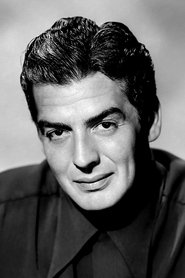 Victor MatureHenry Jasper 'Hank' Whirling
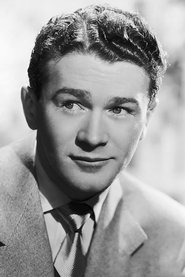 Red ButtonsRandy Sherman
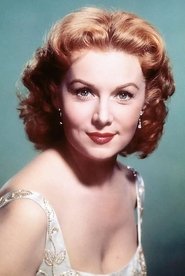 Rhonda FlemingHelen Harrison
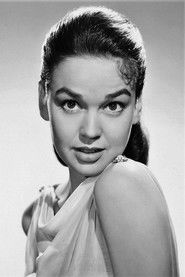 Kathryn GrantJeannie Whirling
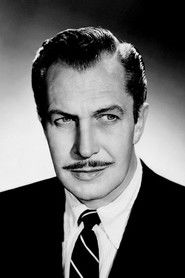 Vincent PriceHans Hagenfeld
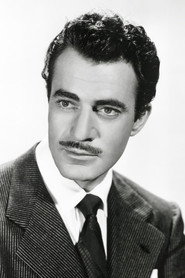 Gilbert RolandZach Colino (Aerialist)
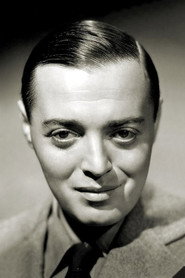 Peter LorreSkeeter
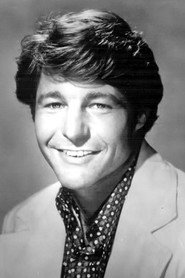 David NelsonTommy Gordon
 Adele MaraMaria 'Mama' Colino
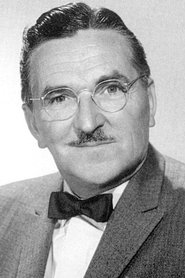 Howard McNearMr. Lomax
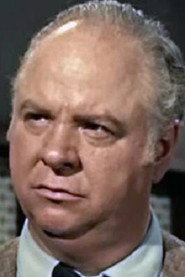 Charles WattsJonathan T. Nelson (Banker)
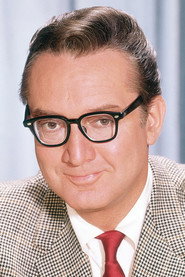 Steve AllenSelf
Directing
- Joseph M. NewmanDirector
Writing
- Charles BennettScreenplay
- Irving WallaceScreenplay
- Irwin AllenScreenplay
- Irwin AllenStory
Production
- Irwin AllenProducer