
Film
The Funhouse
Tobe Hooper's carnival nightmare traps teenagers inside a horror ride after they witness a murder. It's a locked-room thriller that weaponizes the trashy fun of a funhouse—distorting mirrors, mechanical shocks, crowds—into genuine dread. Made with craft and real tension, it's a lean, efficient siege film disguised as B-movie schlock.
Should you watch it?
Watch it if you enjoy slow-burn 1980s slasher craft, where the dread builds through dark carnival atmosphere, sound and patient staging rather than gore, much like Tobe Hooper's Texas Chain Saw Massacre.
Skip it if you want a brisk, body-count-driven splatter film; this one spends long stretches on atmosphere and waiting, and the scares arrive less often than the setup promises.
What it asks of you: Settle in for a ninety-five minute stretch that lingers in a few locations, with unhurried build-up before the shocks, and a steady, moody darkness rather than constant noise.
Not sure? Find tonight's pick in a minute.
If you liked this
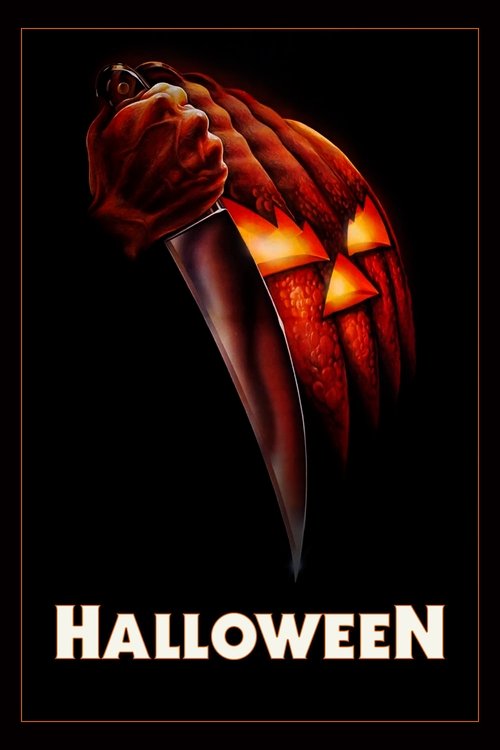
Halloween1978
The template Hooper refined: unstoppable killer, teenagers with nowhere to run, relentless momentum. Carpenter's clarity and precision show what the slasher form could do in the right hands.
But The killer's invulnerability can feel arbitrary if you're not locked into the film's particular logic. Some find it remote or cold.
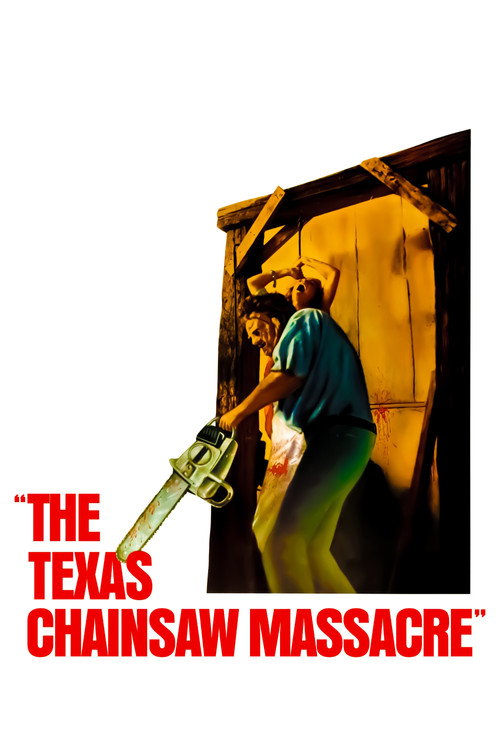
The Texas Chain Saw Massacre1974
Hooper's masterpiece—raw, visceral, genuinely transgressive. If you loved The Funhouse's willingness to go to nasty places, this is him operating at full, feverish power.
But It is genuinely unpleasant to watch. No distance, no comfort. Feels more like a snuff film than entertainment, which was the point and which some find unforgivable.
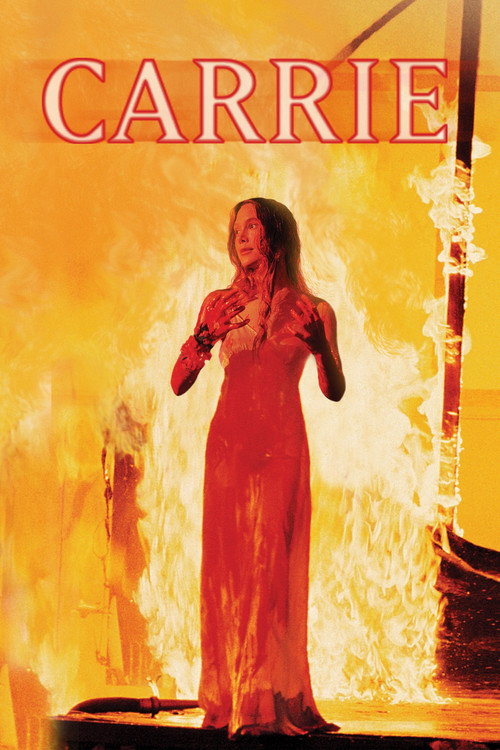
Carrie1976
De Palma's debut has the same DNA: teenage isolation, supernatural menace, a girl trapped by circumstance. Operatic visual language makes the terror feel almost mythic.
But Stylization can overwhelm character. The split-screen sequences and slow-motion dread won't resonate if you want grounded human drama.
Not sure tonight? Get a pick in a minute, starting from The Funhouse
The wildcard
Something you would not have found on your own.
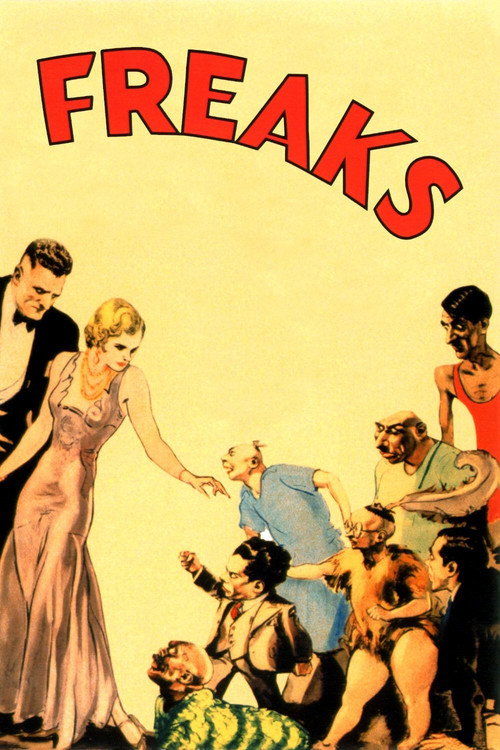
Freaks1932
Both use carnival/sideshow settings as moral arenas. The Funhouse makes the freaks into killers; Freaks makes the 'normal' world reveal itself as monstrous. Opposite mirrors.
Browning's carnival masterpiece: a community of circus performers as full, dignified humans facing betrayal and cruelty. It has the funhouse's distorted bodies and sideshow spectacle, but uses them for profound empathy, not exploitation.
But Silent film pacing and period mannerisms. The finale's violence is presented as justified vengeance, which some find uncomfortable to watch endorsed.
More like this (8)
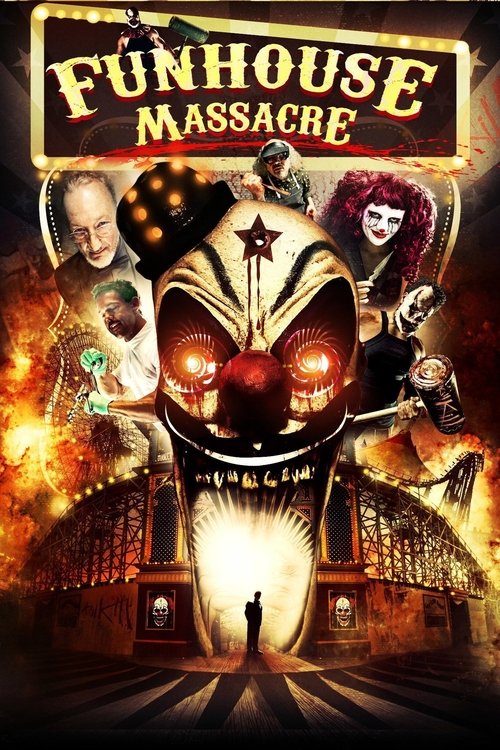
The Funhouse Massacre2015
A direct spiritual sequel set in a modern haunted attraction where the kills become real. Knows what it is: lurid, colorful, self-aware without winking away the gore.
But It's a B-movie that embraces the title. Broad, goofy in places, and proudly indifferent to whether you take it seriously.
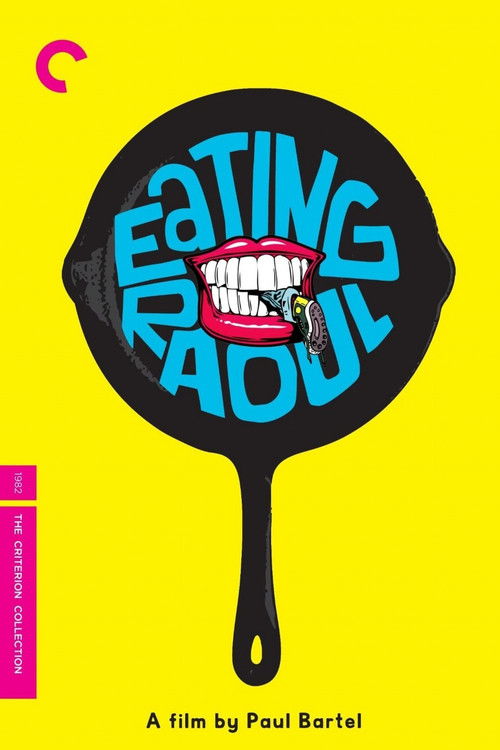
Eating Raoul1982
Carnival grotesque meets pitch-black comedy: a couple murders their way up through Los Angeles's underground. Proves the early 80s could be warped and funny and genuinely unsettling at once.
But Tonal whiplash if you're not ready for it. Absurdist humor about murder isn't everyone's register, and it's low-budget in a way that shows.
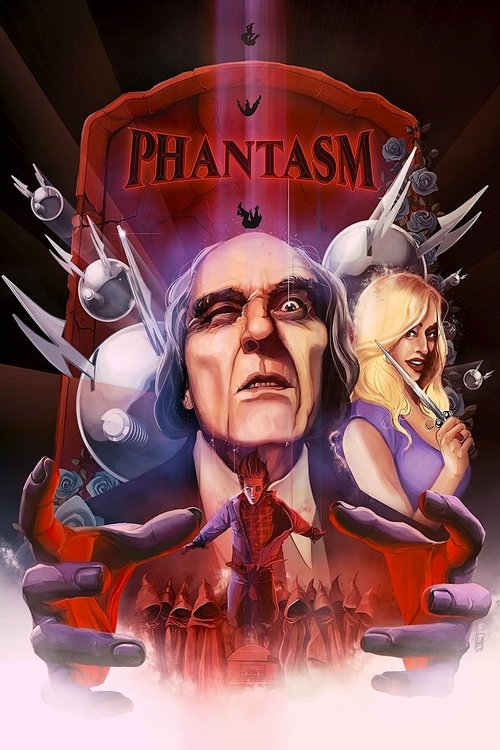
Phantasm1979
A fever dream of a film: a young boy and his brother against supernatural forces in a mortuary. Dreamlike, weird, deeply committed to its own logic. Wildly inventive on a shoestring.
But The narrative is deliberately fractured and hard to follow. If you need clarity and explanation, you'll be frustrated.
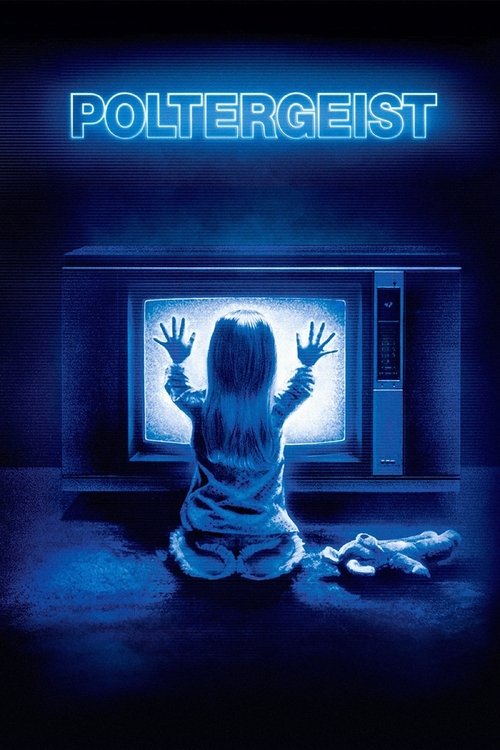
Poltergeist1982
Hooper co-directed this suburban haunting with Spielberg. A family under siege in their own home—claustrophobia and dread mixed with genuine heart and excellent craft.
But The tone oscillates between intimate drama and spectacle. Some see it as a middle ground that doesn't fully commit to either.
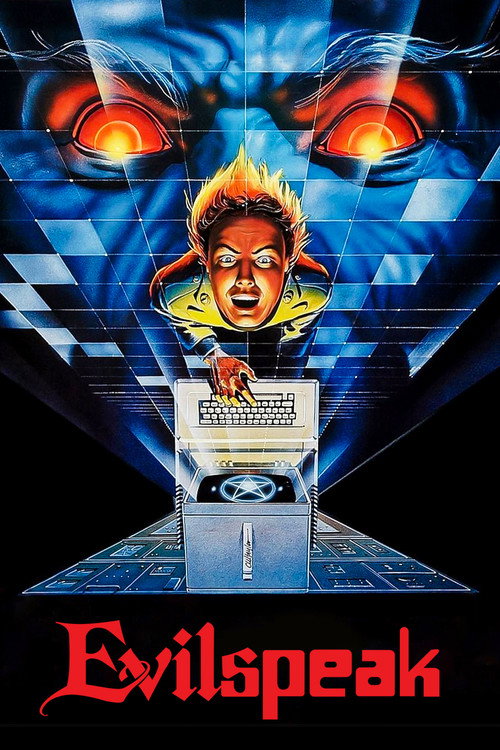
Evilspeak1981
A bullied cadet accidentally summons demonic forces via computer in a military academy. Nasty, inventive, and willing to hurt its protagonist in ways most genre films won't.
But Preachy about bullying and technology. The moral freight can feel heavy-handed, and the ending is divisive.
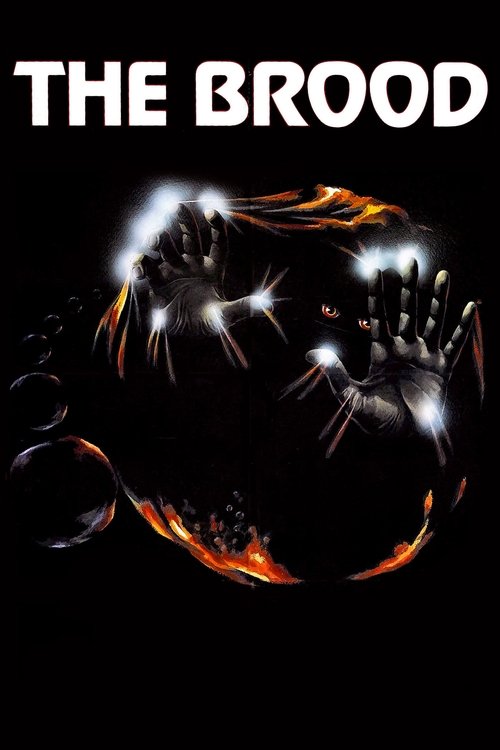
The Brood1979
Cronenberg's visceral psychodrama: trauma made flesh, a woman birthing murderous rage. Deeply weird and structurally bold, operating by its own horrifying rules.
But Deliberately grotesque and body-horror focused. The graphic birth imagery and relentless bleakness turn many away early.
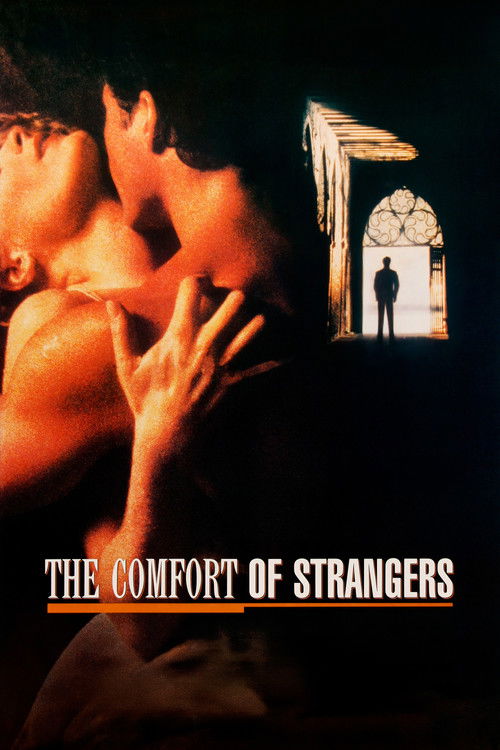
The Comfort of Strangers1990
Both trap protagonists with killers in an enclosed space (carnival vs. palazzo). Both lean on atmosphere and the horror of social entrapment over jump scares. The Funhouse is mechanical; this is psychological.
Schrader's Pinter adaptation: a couple on holiday befriended by a sinister twosome in Venice. Slow-burn dread, gorgeous and unsettling, about the seduction of danger disguised as charm.
But Nearly plotless. Long stretches of conversation and atmosphere instead of action. If you need genre momentum, this is glacial.
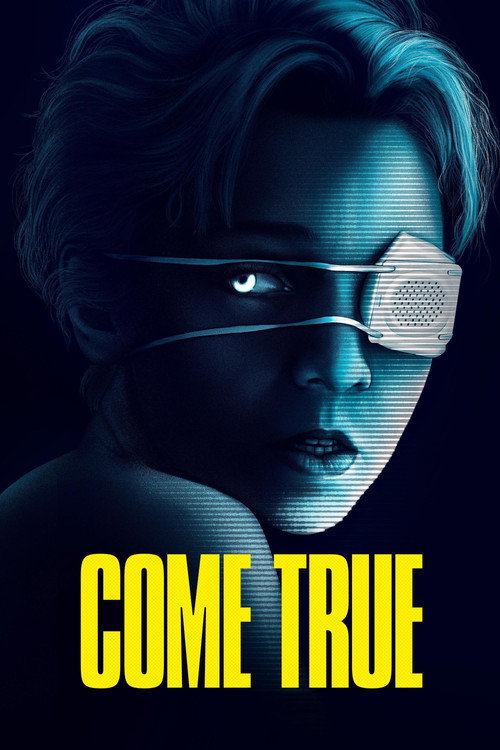
Come True2020
Both trap teenagers in spaces designed for entertainment or science that become prisons. The Funhouse's physical claustrophobia becomes psychological and sensory in Come True. Both are interested in how bodies betray you.
A teenager enrolls in a sleep study and descends into warped, hallucinatory nightmare-space. Synth-drenched, visually hypnotic, treats the body as a site of horror. Recent but feels timeless.
But Barely a plot. Long sequences of visual abstraction and dread over narrative. Demands patience and comfort with ambiguity.
People
Cast
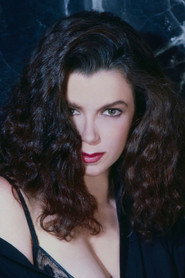 Elizabeth BerridgeAmy Harper
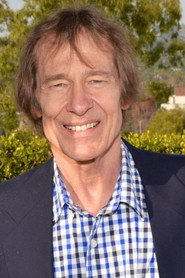 Cooper HuckabeeBuzz Dawson
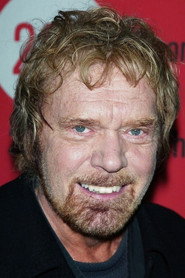 Kevin ConwayThe Barker
 Largo WoodruffLiz Duncan
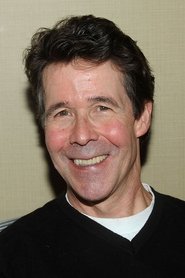 Miles ChapinRichie Atterbury
- Jeanne AustinMrs. Harper
- Jack McDermottMr. Harper
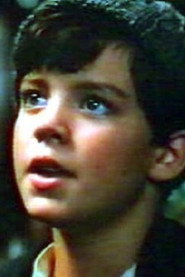 Shawn CarsonJoey Harper
- David CarsonGeek
- Sonia ZominaBag Lady
- Ralph MorinoTruck Driver
- Herb RobinsCarnival Manager
Directing
- Tobe HooperDirector
- Norman CohenFirst Assistant Director
- Susana PrestonScript Supervisor
- Adrienne BourbeauSecond Assistant Director
Writing
- Lawrence J. BlockWriter
Production
- Brad NeufeldAssociate Producer
- Bob GordonCasting
- Fern ChampionCasting
- Jonathan LaneCasting
- Pamela BaskerCasting
- Susie FeldottCasting
- Mace NeufeldExecutive Producer
- Mark L. LesterExecutive Producer
- Kathy DayExecutive Producer's Assistant
- Derek PowerProducer
- Steven BernhardtProducer
- Roberta RoseProduction Accountant
- Arnold LeibovitProduction Assistant
- Don GilmanProduction Assistant
- Jeffrey W. StaceyProduction Assistant
- Melanie GreféProduction Assistant
- Cynthia StreitProduction Coordinator
- Dee Dee WinnerProduction Coordinator
- Norman CohenUnit Production Manager
Recommended by
The Big Circus, White of the Eye, House of 1000 Corpses, Madhouse, Psycho III, Prom Night, Cannibal Girls, Hell Fest, See No Evil 2, Side Show, Sideshow