
Film
Side Show
A teenage runaway joins a traveling circus as a puppeteer and discovers his fellow performers harbor sinister secrets. This 1981 TV movie blends carnival atmosphere with genuine unease, treating the circus as a community of damaged people rather than whimsy. For viewers who want their mysteries grounded in character and mood rather than plot mechanics.
If you liked this
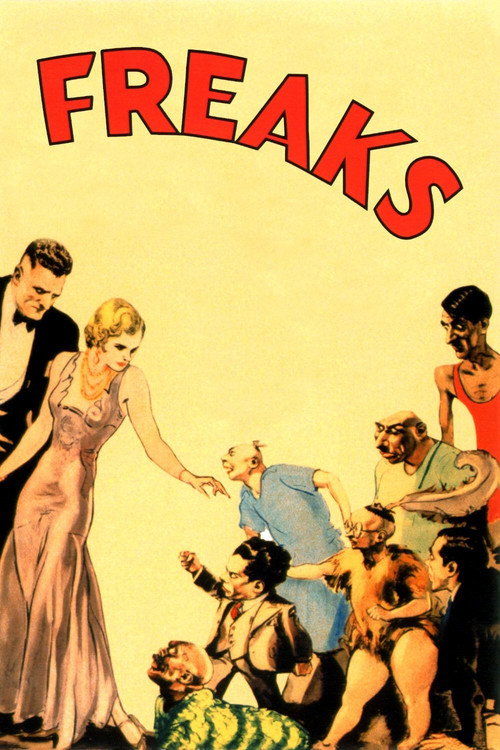
Freaks1932
Tod Browning's original circus sideshow film, where real performers inhabit a world of genuine otherness. It pioneered the idea of carnies as complex humans with their own codes and vengeance.
But Shot in the early 1930s with attitudes that date it harshly. The plot is thin and the pacing glacial by modern standards.
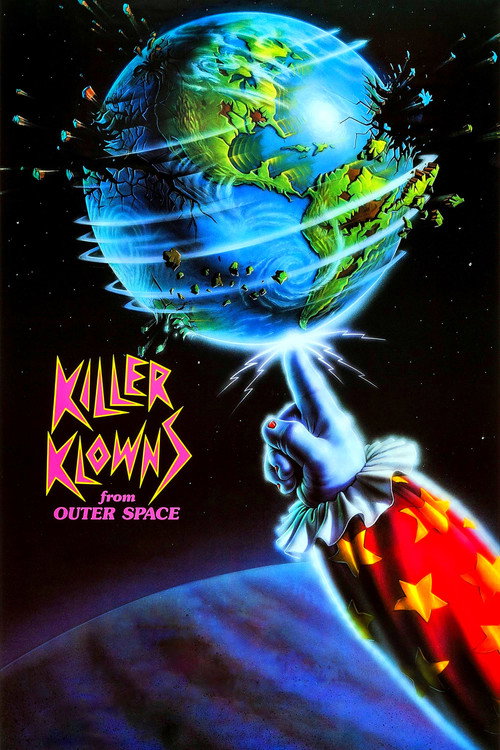
Killer Klowns from Outer Space1988
A carnival setting becomes a trap in this campy horror-thriller about a small town infiltrated by alien clowns. It captures that specific dread of performers who are simultaneously grotesque and intimate.
But Leans hard into camp and absurdism. If you want atmosphere and realism, this veers into B-movie territory.
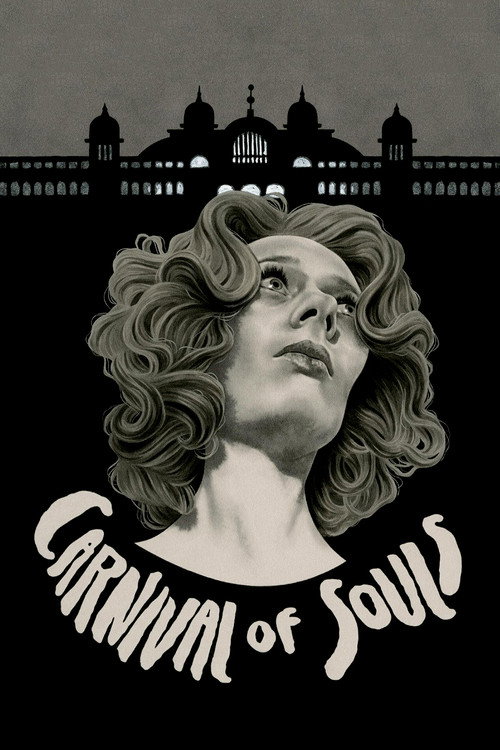
Carnival of Souls1962
A woman drawn to an abandoned carnival amusement park discovers something supernatural beneath the veneer. Shot in black-and-white with an unsettling, dreamlike quality that lingers after viewing.
But Deliberately slow and cryptic. Long stretches rely on mood over plot, which can feel ponderous if you need constant narrative momentum.
Not sure tonight? Get a pick in a minute, starting from Side Show
The wildcard
Something you would not have found on your own.
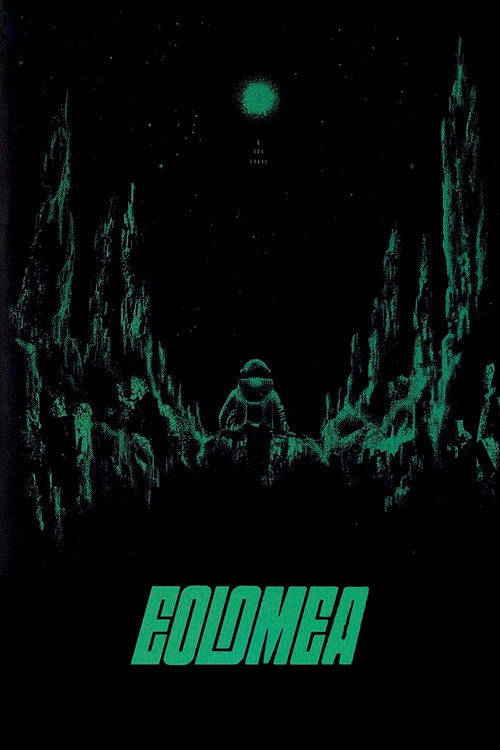
Eolomea1972
Both explore individuals who stand apart from society and the psychological cost of being inexplicably different. The circus in Side Show functions like the surveillance state in Eolomea—an external pressure that reveals internal fracture.
An experimental Hungarian science-fiction film about a woman who gains extraordinary memory and becomes trapped by her own abilities. Shot in strange, hypnotic long takes, it shares Side Show's interest in people trapped by what they are.
But Avant-garde cinema. Minimal dialogue, deliberate pacing, and a narrative that resists easy interpretation. This is for viewers willing to sit with ambiguity.
More like this (8)
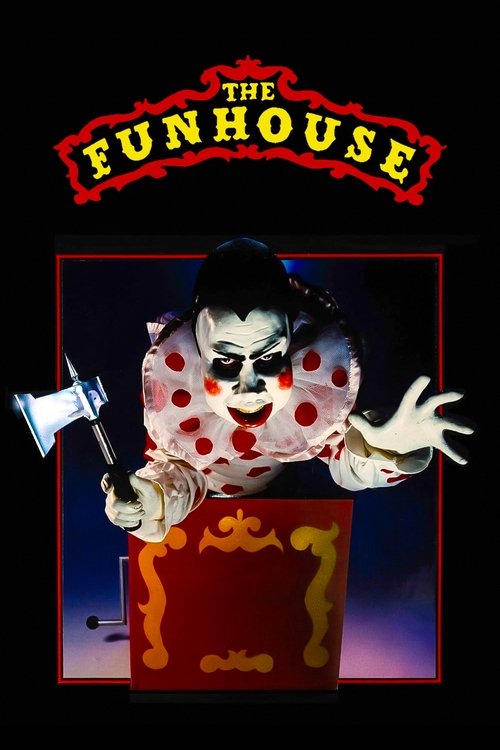
The Funhouse1981
Tobe Hooper's film traps teenagers in a carnival funhouse with a deadly secret. Feels like visiting a real funfair at night—grimy, claustrophobic, and wrong.
But The kills are graphic for a mainstream thriller. Feels dated in ways that undercut some of the scares.
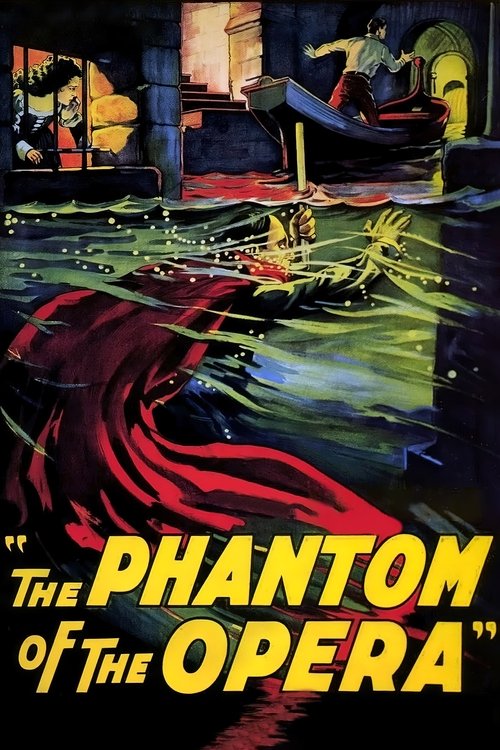
The Phantom of the Opera1925
Lon Chaney's silent masterpiece centers on a figure hiding beneath a mask, performing in a theatrical world. The production design is extraordinary and the character study remains potent.
But Silent film. Requires patience with intertitles and a different rhythm of storytelling than you may be used to.
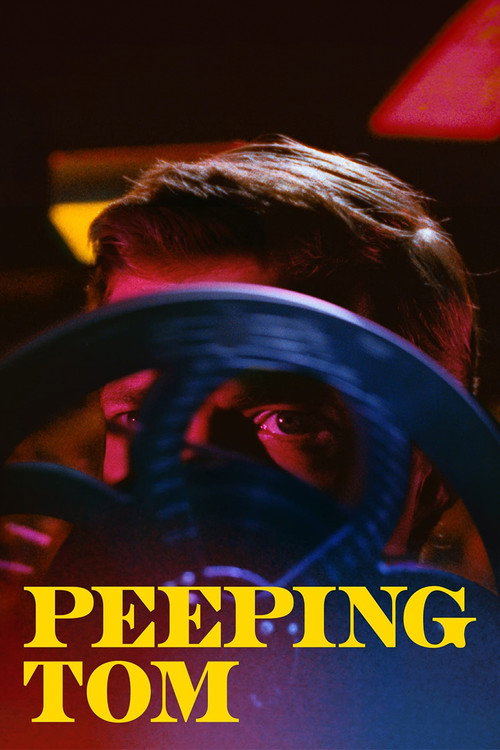
Peeping Tom1960
Michael Powell's psychological thriller about a disturbed man who films his crimes explores the psychology of performance and observation with depth that still unnerves. A masterclass in visual storytelling.
But Deals explicitly with voyeurism and murder. The subject matter is bleak and the film was considered scandalous for good reason.
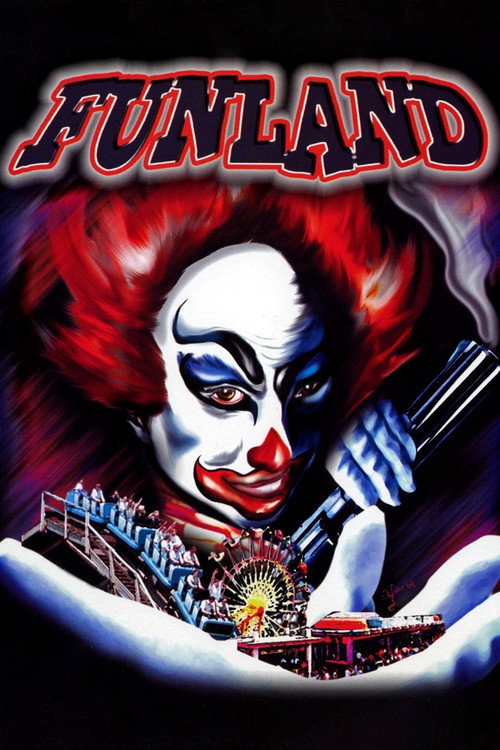
Funland1987
An amusement park becomes a pressure cooker for the staff working the season. Captures the claustrophobia and class tensions of people trapped in a closed world.
But Obscure and hard to find. The tone is uneven and some sequences drag without payoff.
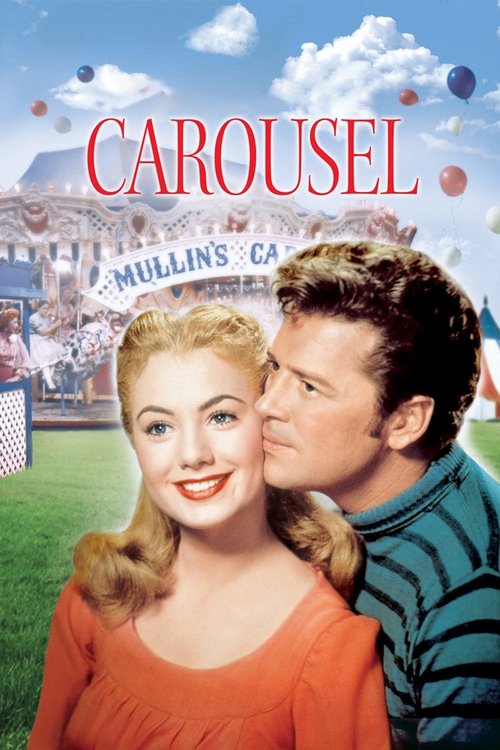
Carousel1956
Rodgers and Hammerstein's musical uses a carnival setting to explore themes of violence, redemption, and second chances. The theatrical artifice heightens emotional impact rather than diminishing it.
But A musical. If song-and-dance numbers stop your engagement cold, this won't work for you.
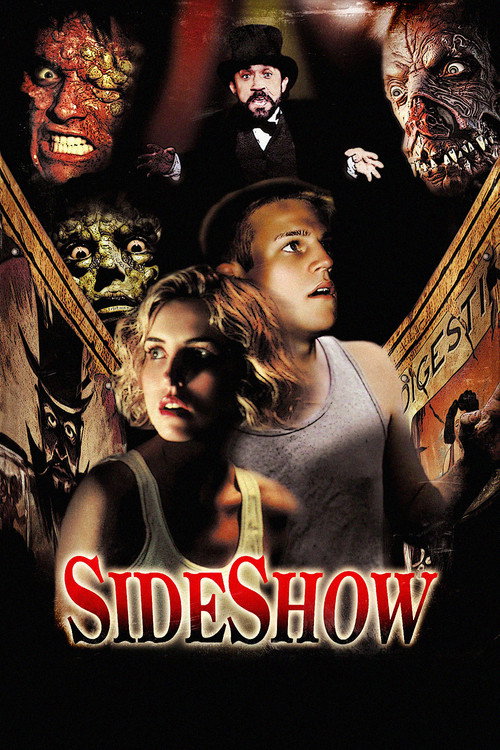
Sideshow2000
A documentary about the final generation of American sideshow performers. Raw, intimate portraits of people whose world is vanishing, with dignity and specificity.
But Non-fiction documentary pacing. No narrative arc or mystery to drive momentum forward.
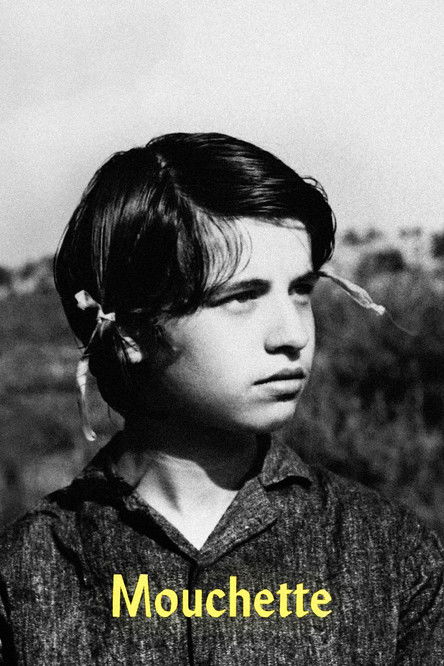
Mouchette1967
Both films center a young person discovering that the adult world harbors cruelty and corruption they cannot escape. The carnival and the village are both self-contained worlds with unwritten rules the protagonist cannot navigate.
Robert Bresson's film about a teenage girl in a provincial village observes her descent with devastating precision and compassion. Like Side Show, it finds darkness in the everyday and treats youth with unflinching seriousness.
But Austere and depressing. Bresson's minimalist style offers no emotional comfort and the subject matter ends in tragedy. This is not uplifting cinema.
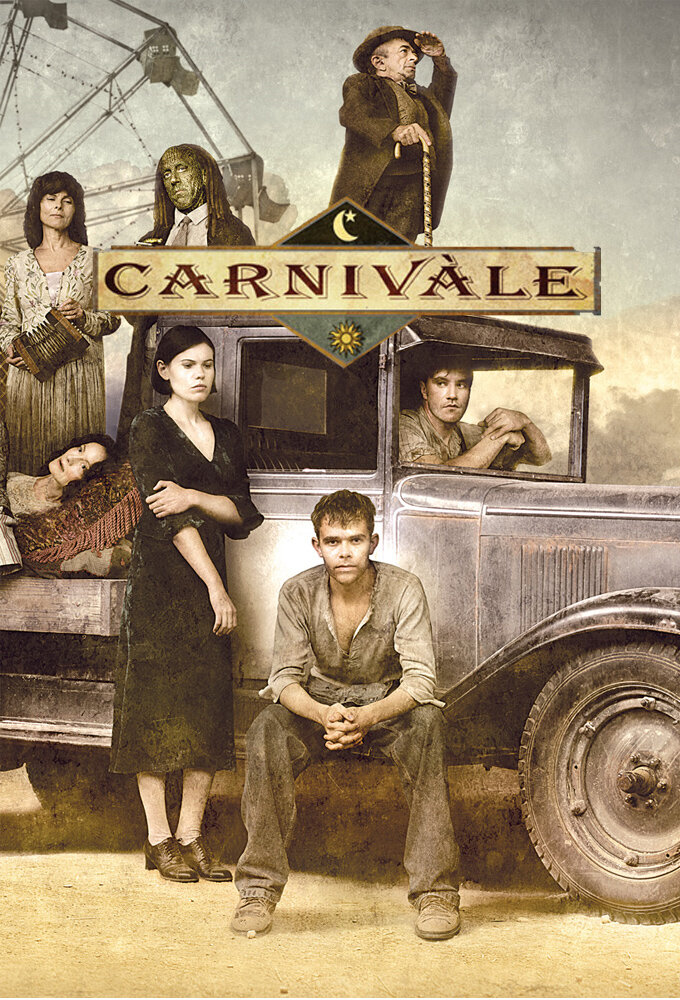
Carnivàle2003
Both use the carnival as a setting where marginal people gather, and both treat the sideshow performers as protagonists rather than curiosities. Carnivàle builds an entire world from the same foundation Side Show sketches in 98 minutes.
An HBO series set during the Great Depression following traveling carnies and a preacher, weaving their stories into something mythic. The writing and production design are immaculate, and the ensemble cast creates genuine moral complexity.
But Cancelled after two seasons, so you're committing to an unresolved story. The pacing is deliberately slow and the mythology can feel frustratingly oblique.
People
Cast
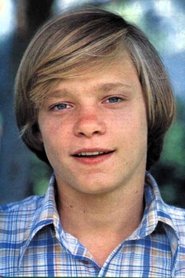 Lance KerwinNick Pallas
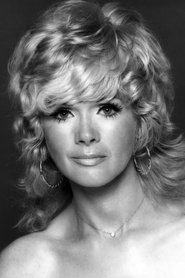 Connie StevensGraciela
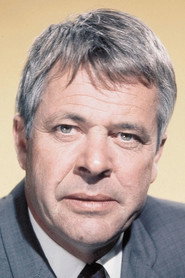 William WindomByron Gage
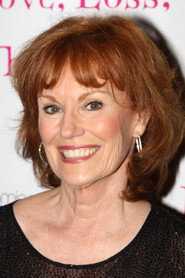 Barbara RhoadesPaula Picasso
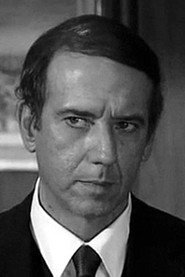 Albert PaulsenOtto Scholl
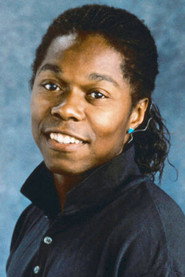 Calvin LevelsBilly Johnson
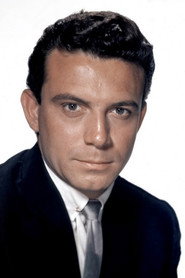 Anthony FranciosaZaranov
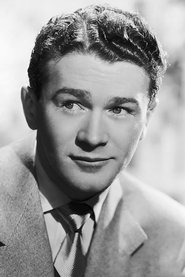 Red ButtonsHarry Hubbell
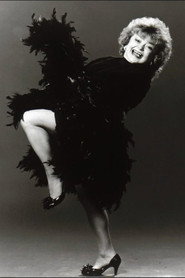 Patty MaloneyThelma Tiny
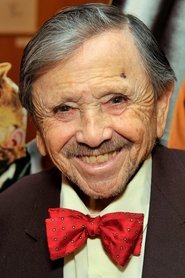 Jerry MarenTom Tiny
- Sandra Elaine AllenGoliatha
- Clifford VargasRingmaster
Directing
- William ConradDirector
Writing
- George KirgoWriter
Production
- Joe ScullyCasting Director
- Marty KrofftExecutive Producer
- Sid KrofftExecutive Producer
- Patrick PeachLocation Manager
- George KirgoProducer