
Film
Eolomea
A 1972 Hungarian-Soviet science fiction film about a space officer investigating the disappearance of cargo ships and an orbital station. Sparse, philosophical, and genuinely eerie, it's a slow-burn mystery that trusts silence and atmosphere over spectacle. For patient viewers who prize mood and ideas over plot momentum.
Should you watch it?
Watch it if you enjoy slow, puzzle-box science fiction where the mystery matters less than the mood, and you don't mind being left with questions.
Skip it if you want a brisk thriller with clear answers, since this one moves at a drifting pace and seems more interested in atmosphere than in explaining itself.
What it asks of you: At 82 minutes, long unhurried scenes of looking and listening, with explanation arriving slowly if at all, and a patient eye more than a quick grasp.
Not sure? Find tonight's pick in a minute.
If you liked this
Stalker1979
Tarkovsky's masterpiece about a guide leading seekers through a mysterious zone. Like Eolomea, it's meditative sci-fi that finds existential dread in atmosphere rather than action. Hypnotic and unforgettable.
But Three-hour runtime and glacial pacing will test your tolerance for long, quiet sequences with minimal dialogue.

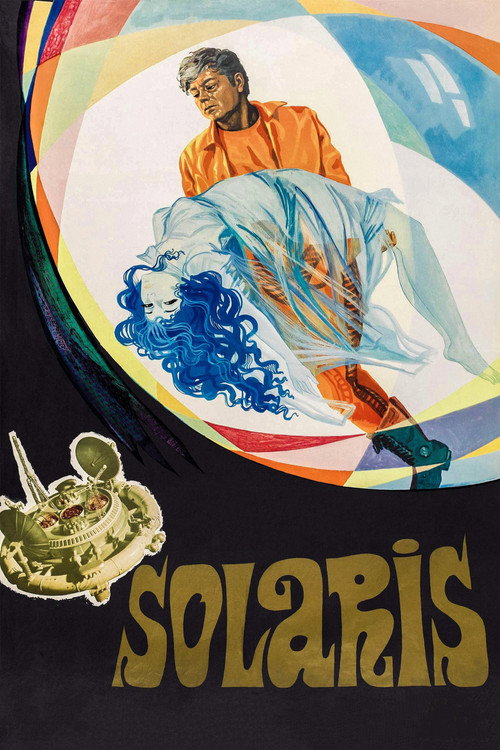
Solaris1972
Released the same year as Eolomea, Tarkovsky's adaptation of Lem's novel shares DNA: a small crew in isolation confronting an unknowable intelligence. Philosophical, unsettling, absolutely gorgeous.
But Also slow and meditative. If you want narrative propulsion, this isn't it.
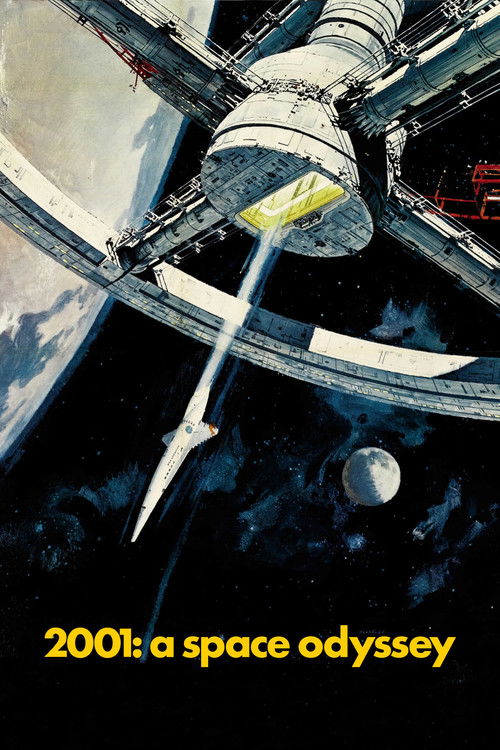
2001: A Space Odyssey1968
Kubrick's voyage through space and consciousness. Both films share an austere approach to sci-fi, minimal dialogue, and a willingness to let the camera rest on emptiness and beauty.
But Nearly three hours of deliberate, sometimes cryptic storytelling. Divisive; many find it stately rather than gripping.
Not sure tonight? Get a pick in a minute, starting from Eolomea
The wildcard
Something you would not have found on your own.
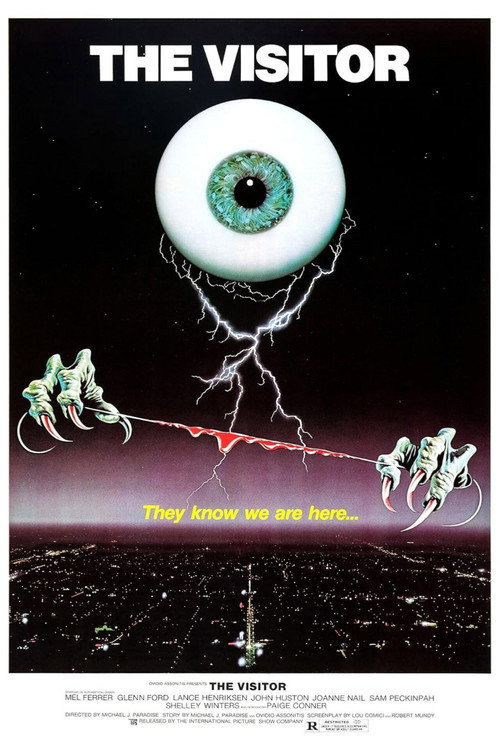
The Visitor1979
Both are European sci-fi from the same era that prioritize uncanny atmosphere and cosmic mystery over plot coherence. Both trust silence and strangeness.
A bewildering Italian sci-fi film about alien infiltration and a child chosen for cosmic purposes. Utterly unlike anything else—formally bizarre, tonally unstable, but hypnotic. Shares Eolomea's refusal to explain itself and its faith in your patience.
But Genuinely confusing and sometimes incoherent. The narrative deliberately frustrates; it's not for viewers who need clarity.
More like this (8)
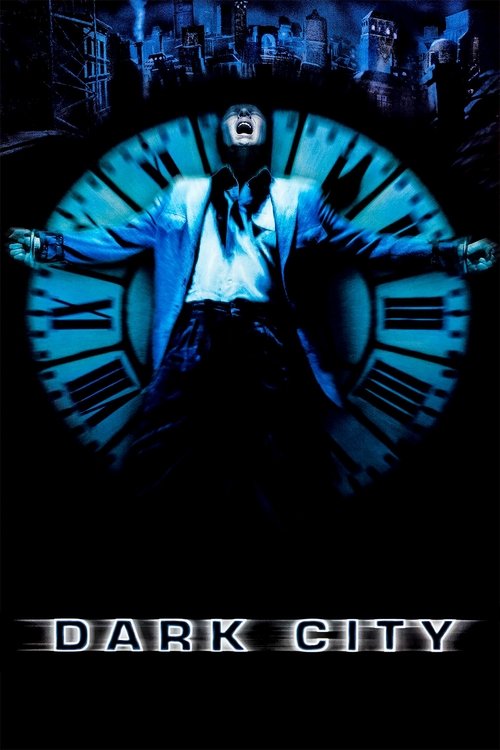
Dark City1998
A noir mystery wrapped in science fiction, with the same sense of paranoia and hidden truths that drives Eolomea. Visually striking and genuinely unsettling without being loud.
But The twist ending divides opinion, and some find the pacing uneven in the second half.
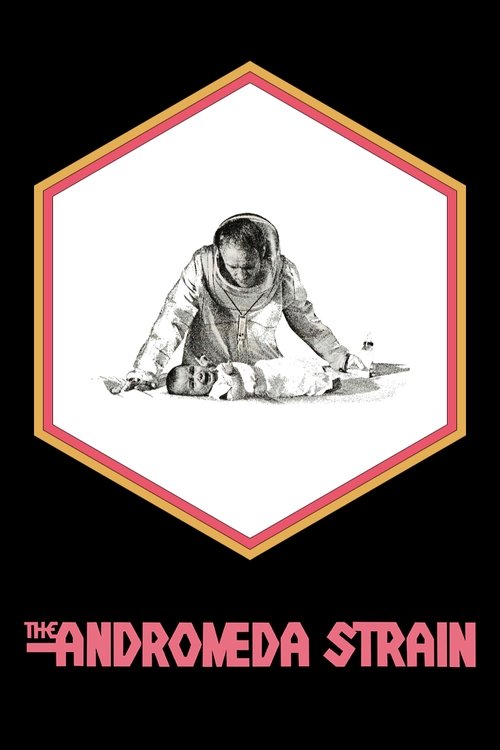
The Andromeda Strain1971
Crisp procedural about scientists investigating an extraterrestrial organism. Tight, tense, and exactly the kind of competent sci-fi that Eolomea's investigation sequences remind you of.
But More conventional and less metaphysical than Eolomea—if you want another puzzle box mystery, but lacks the philosophical edge.
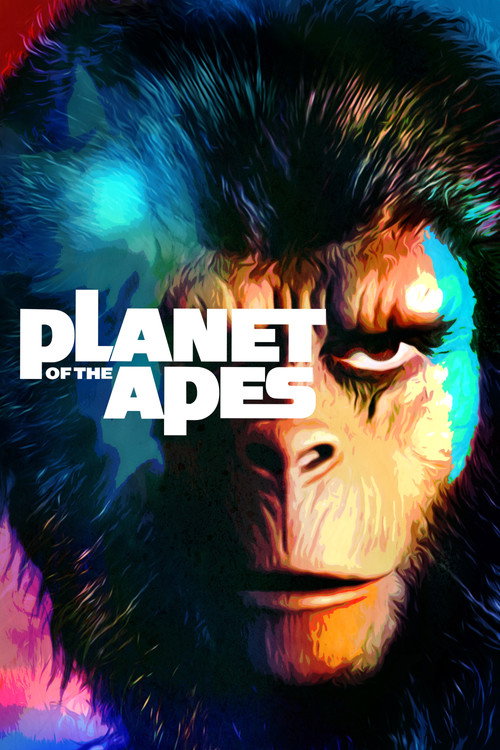
Planet of the Apes1968
Smart, paranoid, and visually inventive. The mystery unravels slowly, and the final revelation hits harder for the patient buildup. Deserves its place in the canon.
But Makeup and some effects look dated, which can distance you from the premise if you're not forgiving of 1968 limitations.
The 10th Victim1965
Italian sci-fi satire about a future society where murder is legalized as entertainment. Surreal, darkly funny, with a similar off-kilter European sensibility as Eolomea.
But The satire is sometimes blunt, and the second half loses focus. Not everyone will vibe with its specific brand of weirdness.

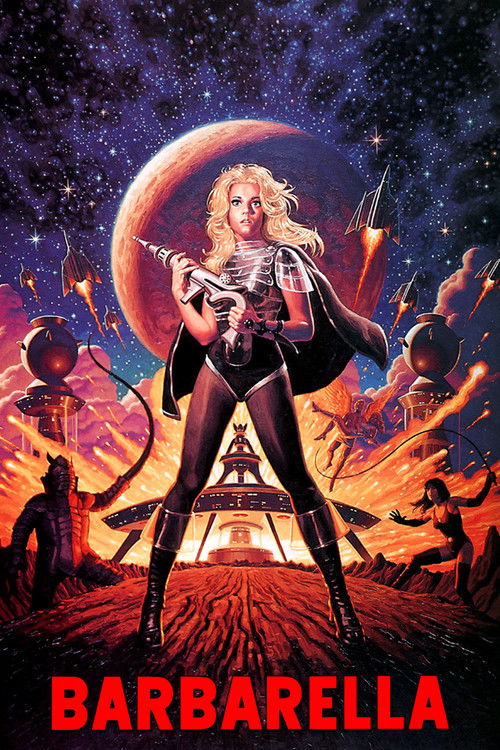
Barbarella1968
Campy, gorgeous space romp that proves sci-fi doesn't have to be serious to be imaginative. Scores of ideas per minute, and it's pure fun—a palate-cleanser if Eolomea left you drained.
But Very silly and very '60s. If you need sci-fi to be earnest and considered, this will feel frivolous.
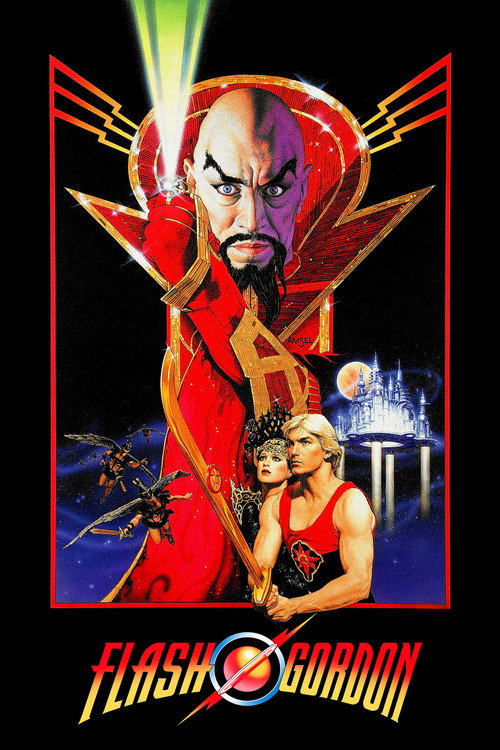
Flash Gordon1980
Dino De Laurentiis's pop-art fever dream of space adventure. Audacious, outrageous, and visually reckless in the best way. Pure spectacle and style.
But Almost aggressively campy and plotless by design. Some will find it exhausting rather than exhilarating.
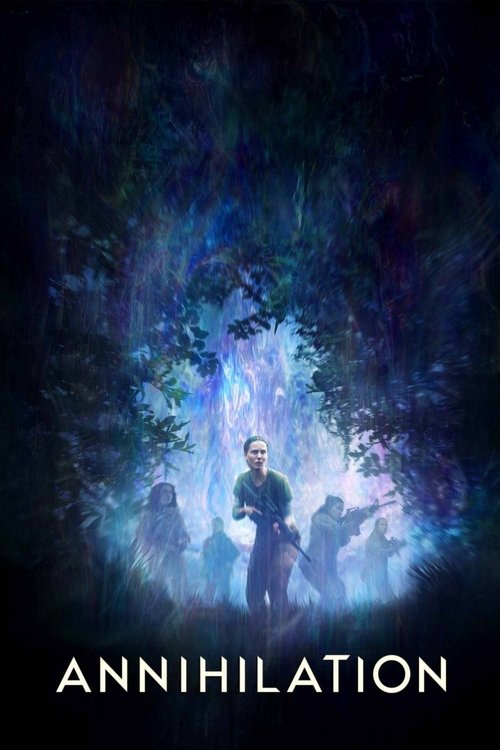
Annihilation2018
Same core mystery—a disappearance that points to something indifferent to human understanding. Both refuse easy closure.
A contemporary take on the same obsession: a team investigating a mysterious, expanding zone of alien origin. Visual beauty meeting cosmic dread. Builds to something genuinely unsettling without exploding into spectacle.
But The narrative is opaque by design, and the third act commits fully to abstraction. Some find the answer unsatisfying; others find it liberating.
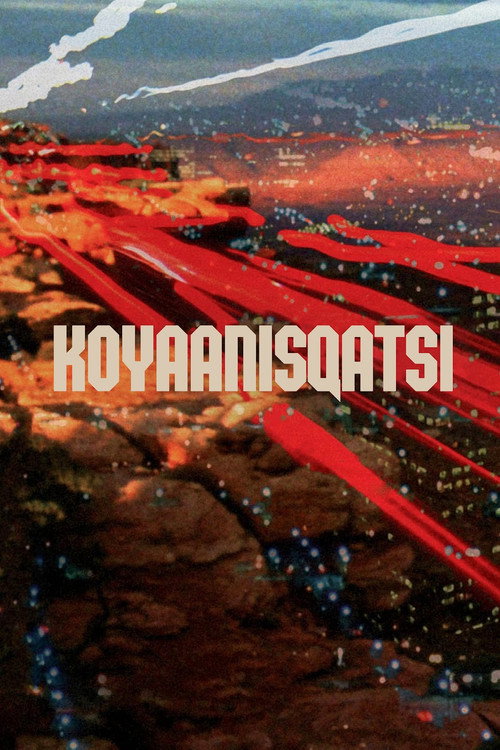
Koyaanisqatsi1983
Like Eolomea, it's a film that communicates through visual rhythm and atmosphere rather than story. Both ask you to sit with unease and let meaning emerge slowly—or not at all.
Godfrey Reggio's feature-length visual essay on humanity and technology, without dialogue or conventional narrative. Hypnotic sequences of urban life, nature, and industry scored to Philip Glass's minimalist score. A pure cinema experience.
But No plot, no characters, no explanations. Pure abstraction; if you need narrative or words to engage, this will frustrate you.
People
Cast
 Cox HabbemaProfessor Maria Scholl
 Ivan AndonovDaniel Lagny
 Rolf HoppeOlo Tal
 Holger MahlichNavigator

- Benjamin BessonSima Kun
 Evelyn OpoczynskiMitabeiterin von Professor Scholl
 Wolfgang GreeseRatsvorsitzender
- Kurt HöhneRatsmitglied
- Arndt-Michael SchadeErster Havarietechniker
- Harald WandelZweiter Havarietechniker
- Jürgen ScharfenbergDritter Havarietechniker
Directing
- Eleonore DresselAssistant Director
- Herrmann ZschocheDirector
Writing
- Willi BrücknerCreative Producer
- Angel VagenshtainWriter
- Herrmann ZschocheWriter
Recommended by
Frogs, Ultra Q, Airwolf, The Land That Time Forgot, Hell's Angels, Tales from the Darkside, Q, C.H.U.D., Tales from the Darkside: The Movie, Letter Never Sent, Monkeybone, Expedition Unknown, Sinbad of the Seven Seas, Strike Commando, Werewolves on Wheels, Clockwise, Miami Vice: Freefall, Blue Thunder, The Hitchhiker, Deadly Prey, Sorceress, Happy Birthday to Me, Voyage to the Planet of Prehistoric Women, Dead Mountaineer's Hotel, Deathstalker, My Bloody Valentine, Ghoulies, Creatures the World Forgot, Valerie and Her Week of Wonders, Pink Narcissus, The Mothman Prophecies, The Killings at Outpost Zeta, The Barbarians, Creature, Sheba, Baby, The Ghost Train, Destroy All Monsters, Red Scorpion, Roadie, The Evil of Frankenstein, Shock Waves, Nightmares, Class of 1999, Conquest, Johnny Sokko and His Flying Robot, Bug, The Black Hole, The Story Makers, The Last Dinosaur, The Dunwich Horror, Rogue River, Metalstorm: The Destruction of Jared-Syn, The Lost World, Spider-Man, Robowar, The Monolith Monsters, 1,000,000 A.D. Promo Reel, Godzilla vs. Biollante, Godzilla vs. Hedorah, Death Line, The Last Battle, Eskimo Nell, Space Amoeba, Dinosaurus!, Invasion of Astro-Monster, Thunderbird 6, Flaming Creatures, Godzilla vs. Mechagodzilla II, Nothing but Trouble, The Black Sleep, White Fire, The Invasion of Thunderbolt Pagoda, The Electric Horseman, Secret Agent 777, Caligula: The Untold Story, The Beach Girls and the Monster, Swamp Girl, The Death of Mario Ricci, A Trip to Mars, The Carpenter, Spacehunter: Adventures in the Forbidden Zone, Pacific Blue, The Beast of Yucca Flats, The Navy vs. the Night Monsters, Horror Noire: A History of Black Horror, The Invisible Man Appears, Don't Be Afraid of the Dark, The 'Maggie', Lost Continent, Yeah Right!, Skate Witches, 1612: Chronicles of the Dark Time, The Vulture, The Castle of Fu Manchu, Yor: The Hunter from the Future, 51, The Three Fantastic Supermen, Sasquatch, The Magnetic Monster, The Death of the Incredible Hulk, Ator, the Fighting Eagle, Hands of Steel, Side Show, Dr. Goldfoot and the Bikini Machine, The Kremlin Letter, The Fantastic Journey, The Mahabharata, True Stories, Grim Prairie Tales