
Film
Werewolves on Wheels
A 1971 grindhouse hybrid that crashes a biker gang into Satanic monks with predictably chaotic results. It's deliberately cheap and cheerful, shot through with the sleaze and swagger of its era, pitched somewhere between action movie and horror film without quite committing to either. Made for people who think "what if we added werewolves to a biker movie" sounds like a perfectly good reason to make a film.
Should you watch it?
Watch it if you enjoy scrappy early-seventies exploitation where biker-movie swagger and cheap, earnest gore sit side by side, and you find grindhouse sincerity more charming than embarrassing.
Skip it if you need slick pacing and polished effects, since this runs rough and cheap, with a low budget showing in nearly every scene.
What it asks of you: Eighty-five minutes, most of it riding from one roadside stop to the next, with a brisk, unfussy shape and a tone that never takes itself too seriously.
Not sure? Find tonight's pick in a minute.
If you liked this
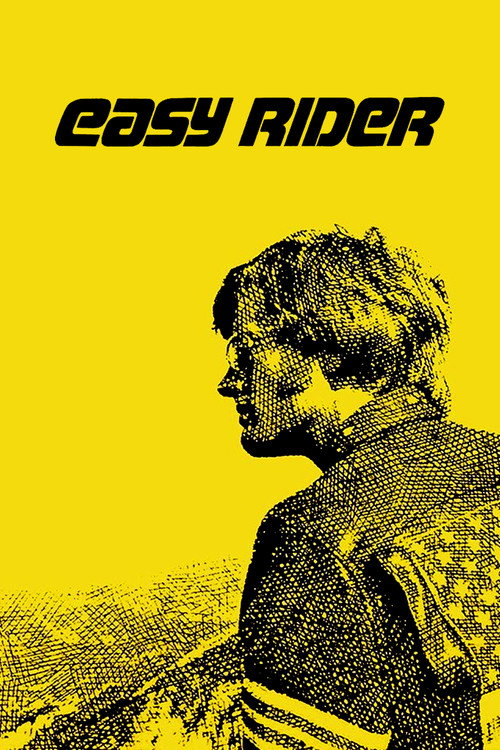
Easy Rider1969
The spiritual ancestor of every countercultural biker film. Captures the same era's fascination with motorcycle gangs as vessels for freedom, alienation, and violence, but with considerably more craft and melancholy.
But It's primarily a character study that moves slowly, and the action is sparse. If you want bikes and mayhem, this trades spectacle for philosophy.
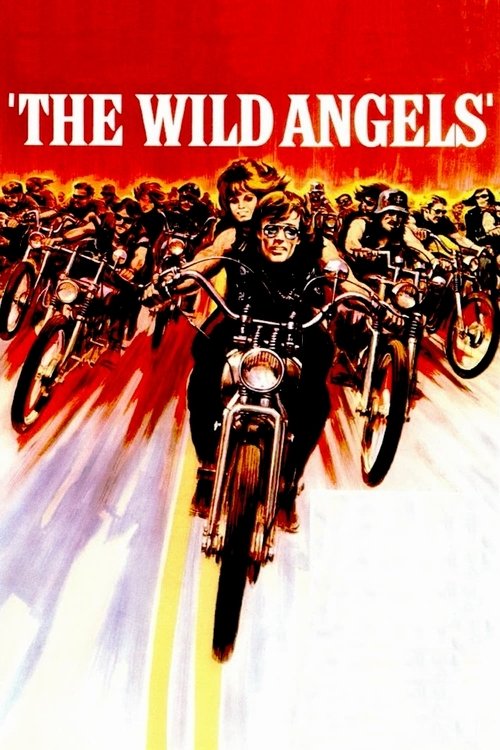
The Wild Angels1966
Roger Corman's lurid biker exploitation classic, complete with motorcycles, transgression, and a genuine outlaw energy. This is the direct DNA of Werewolves on Wheels' B-movie ambitions.
But The pacing and acting are deliberately primitive by design. It's more interested in atmosphere and excess than coherence.
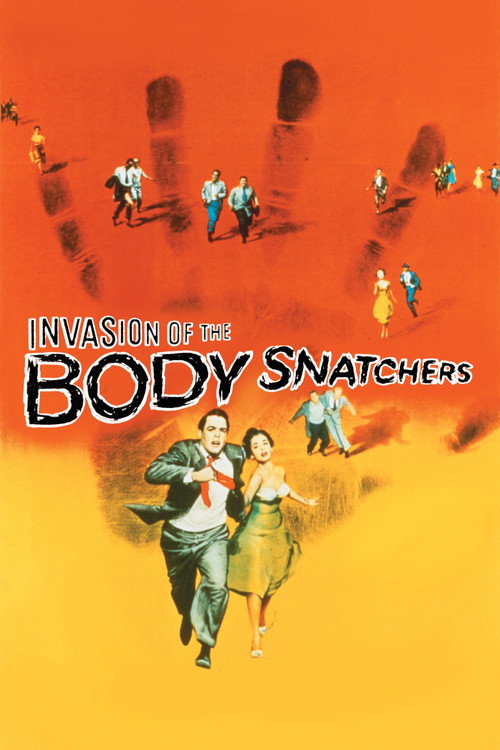
Invasion of the Body Snatchers1956
A possession-and-transformation narrative done with style and genuine dread. The paranoia of infection spreading through a group mirrors what happens to the biker gang, but executed with intelligence and mood.
But It's a thoughtful sci-fi film from the 1950s, so it prioritizes ideas over action. The pacing will feel deliberate if you're expecting chaos.
Not sure tonight? Get a pick in a minute, starting from Werewolves on Wheels
The wildcard
Something you would not have found on your own.
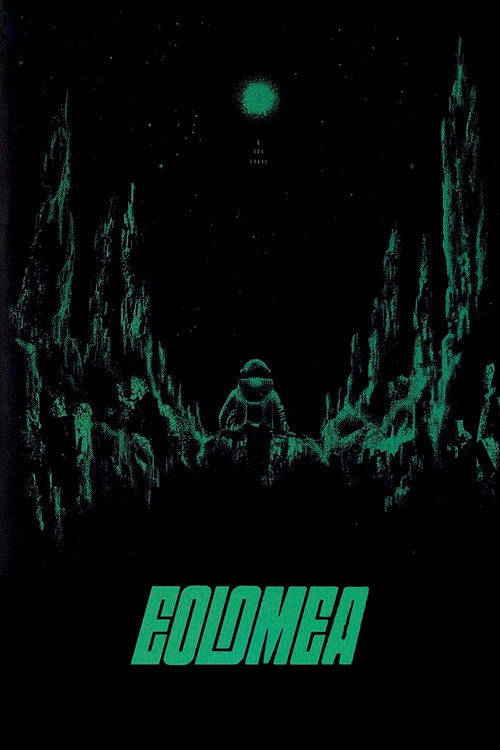
Eolomea1972
Both explore the body transformed against the will, stranding a group in a nightmare they can't escape. But Eolomea treats the premise with tragic seriousness rather than pulp fun.
A visionary sci-fi film about astronauts changed by an alien force into something inhuman. It shares the transformation-as-curse theme and a commitment to low-budget practical effects that become genuinely unsettling rather than silly.
But It's a deliberately obscure Eastern European production that prioritizes atmosphere and existential dread over plot. Finding it requires effort, and watching it requires patience.
More like this (8)
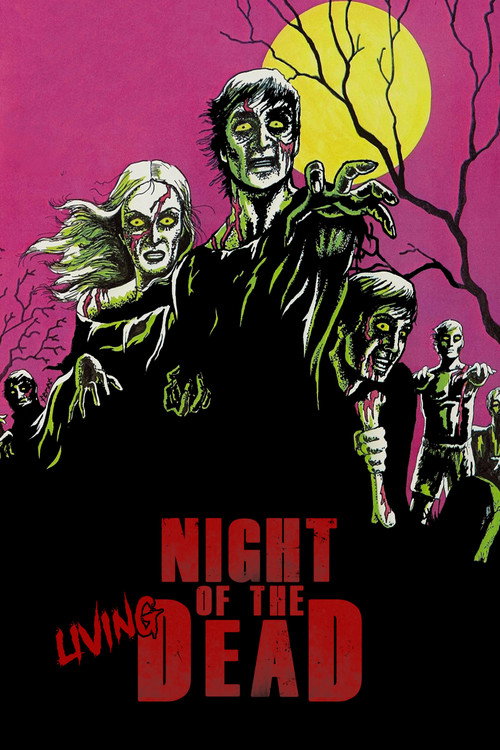
Night of the Living Dead1968
Guerrilla horror filmmaking that proves budget constraints can breed ingenuity. A group under siege from monsters they can't control or predict—the structural DNA of our film, but with real vision.
But Black-and-white, deliberately bleak, and genuinely unsettling. There's no fun here, only dread.
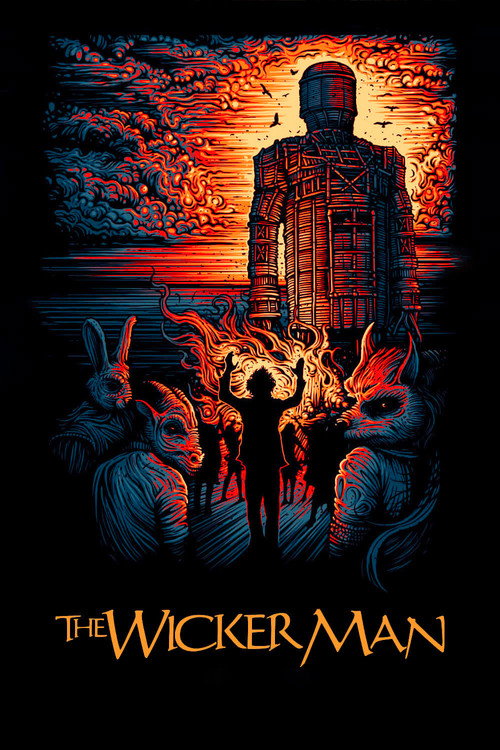
The Wicker Man1973
A ritual-obsessed community leading outsiders into supernatural horror. The monks-as-cult angle and the creeping realization that escape isn't possible share Werewolves' basic setup.
But It's a slow-burn mystery that relies on mood and revelation rather than action or gore. Patience is mandatory.
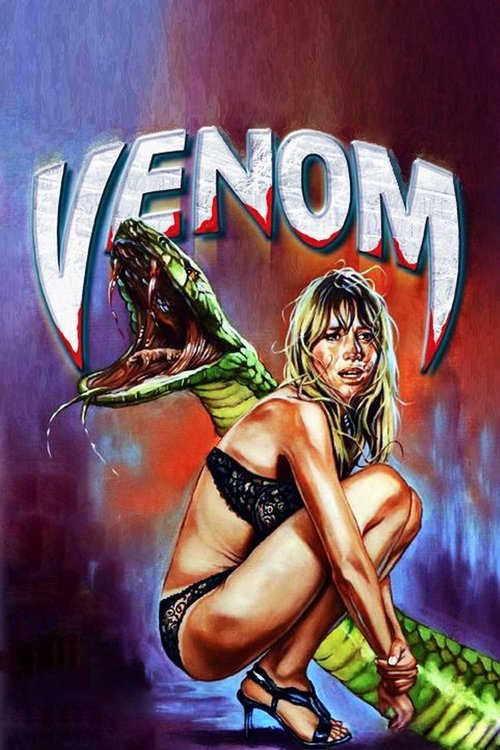
Venom1981
A group trapped and hunted by something they created or unleashed. Klaus Kinski chewing scenery while a snake terrorizes an ensemble cast delivers the B-movie energy and practical danger here.
But The premise is stronger than the execution. It's workmanlike 1980s thriller machinery rather than inspired filmmaking.
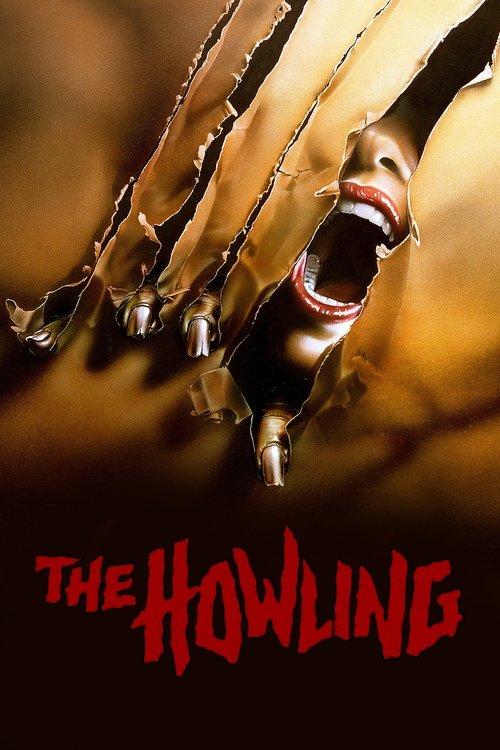
The Howling1981
Werewolf body horror done with practical effects and black comedy. It understands that transformation can be both grotesque and ridiculous, which is partly what Werewolves on Wheels is reaching for.
But It's considerably more polished and clever than the 1971 film, which might make comparing the two a lesson in craft inflation.
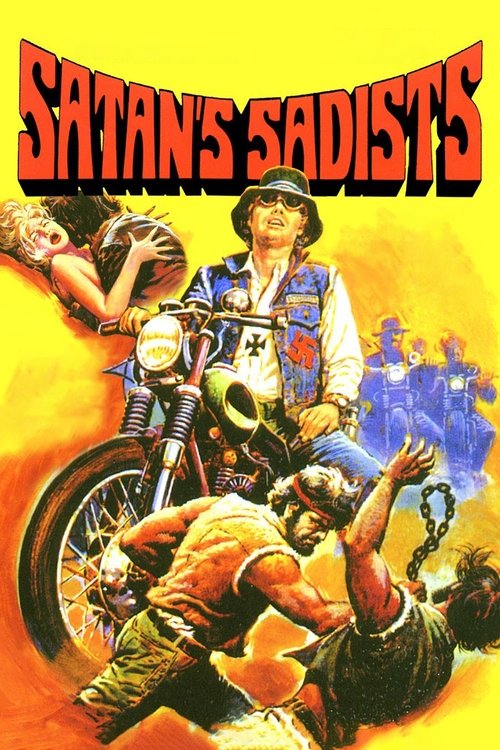
Satan's Sadists1969
Another outlaw-motorcycle film where a gang is stalked by a more vicious predator. It captures the exact exploitation energy and the 1970s aesthetic that Werewolves embraces.
But It's genuinely unpleasant and misogynistic in ways that feel intentional rather than ignorant. This isn't easy viewing.
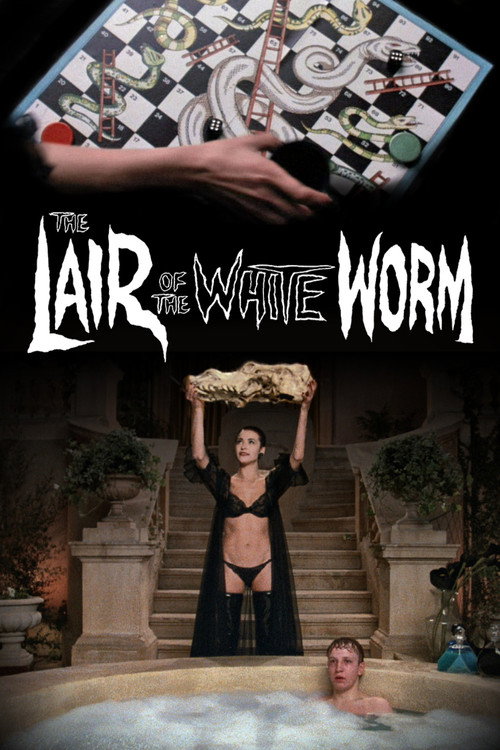
The Lair of the White Worm1988
Ken Russell's gloriously unhinged adaptation of Bram Stoker, where occultists and sexual transgression and English countryside combine into maximum weirdness. Cult ritual horror as pure cinema excess.
But It's so committed to strangeness that narrative coherence barely exists. Some will find it pretentious; others will find it exhausting.
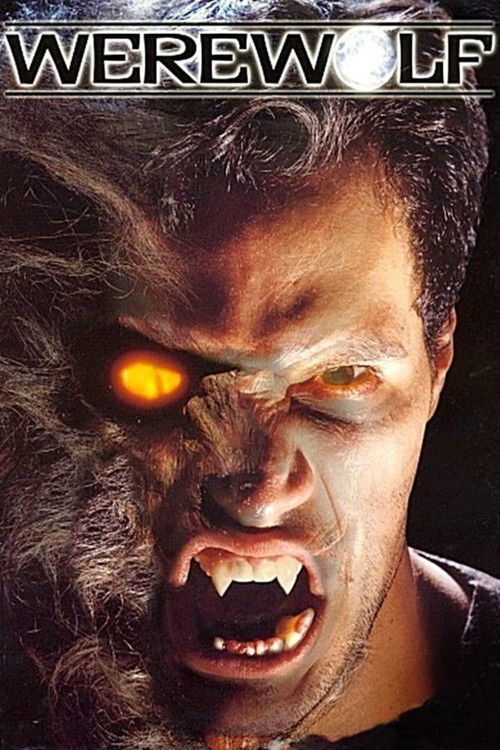
Werewolf1996
Both are werewolf films made far outside the mainstream system, but Werewolf pushes the absurdity so far it almost inverts the genre entirely. It's what happens when budget and oversight vanish entirely.
A jaw-droppingly strange direct-to-video film where a man curses an entire town, filmed with complete creative indifference to narrative sense or technical competence. Pure unfiltered exploitation filmmaking from the home-video era.
But It is aggressively difficult to follow and technically inept in ways that go beyond charm into genuine frustration. The dialogue is confusing and the plot contradicts itself repeatedly.
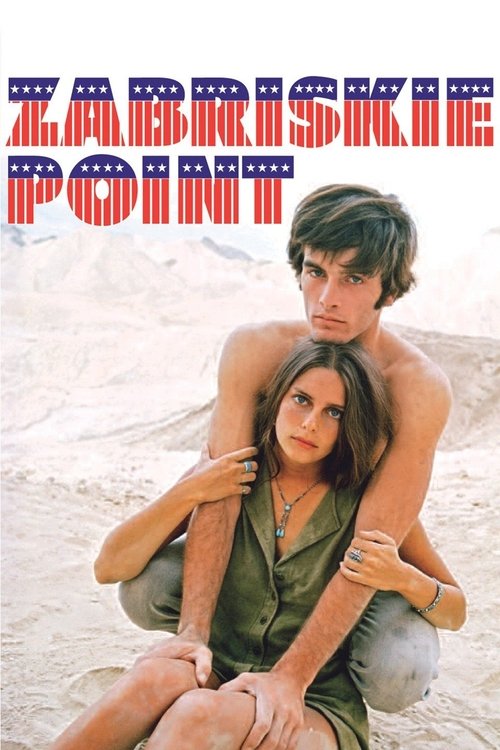
Zabriskie Point1970
Both emerge from 1970s counterculture cinema and use bikers/outsiders moving through the landscape. But Zabriskie Point documents the spiritual crisis of its era; Werewolves on Wheels doesn't care about crisis, only incident.
Michelangelo Antonioni's only American film, a counterculture road movie with real activists and an actual desert. It captures the same era's restless energy and the clash between rebellion and the established world, but as pure cinema.
But It's an art film about surfaces and alienation, not a genre exercise. There's no plot, minimal dialogue, and a deliberate refusal to resolve anything. It will feel like nothing is happening.
People
Cast
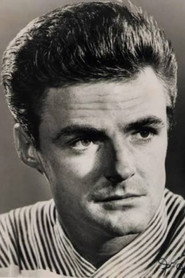 Steve OliverAdam
 Donna AndersonHelen
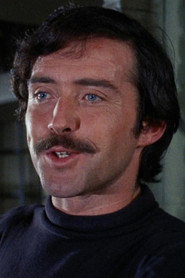 Gene ShaneTarot
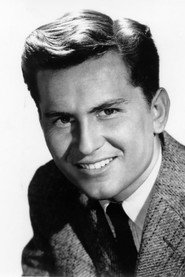 Billy GrayPill
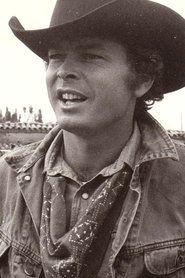 Gray JohnsonMovie
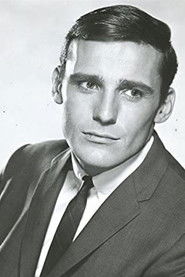 Owen OrrMouse
- Barry McGuireScarf
- Anna Lynn BrownShirley
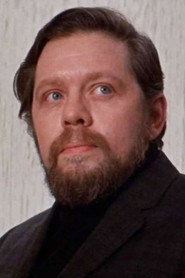
- Leonard RogelGas Station Operator
Directing
- Michel LevesqueDirector
Writing
- David M. KaufmanWriter
- Michel LevesqueWriter
Production
- Stu FlemingAssociate Producer
- Joe SolomonExecutive Producer
- Paul LewisProducer
Recommended by
Miami Connection, Vamp, Harley Davidson and the Marlboro Man, Disco Godfather, The Terminator Was Pontios, The Mighty Peking Man, Student Bodies, Disaster Movie, The Horror of Party Beach