
Film
Satan's Sadists
- Street-gang crime
- Car-chase action
- Very dark
- Relentless
A lean, mean 1969 biker-gang thriller that traps you in a desert diner with genuine menace. Satan's Sadists plays like a pressure cooker: nowhere to run, violence erupting from boredom and cruelty, the kind of exploitation film that doesn't blink. Cult favourite for fans of raw, unvarnished '60s action cinema.
Should you watch it?
Watch it if you are drawn to lean, grimy 1960s exploitation pictures where the menace is physical and the landscape does half the work, and you can enjoy a cheap, sweaty drive-in thriller on its own terms.
Skip it if you need characters to be more than targets, since the gang is cruel and the victims mostly exist to be hurt and rarely think beyond it.
What it asks of you: It runs under ninety minutes and moves in a lean, unbroken line toward the desert, asking you to sit through sustained brutality with little relief between the set pieces.
Not sure? Find tonight's pick in a minute.
If you liked this
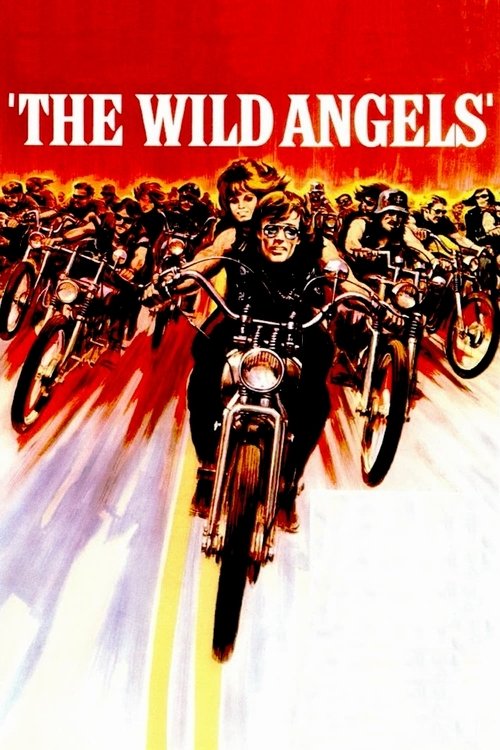
The Wild Angels1966
Roger Corman's biker classic that essentially invented the outlaw-motorcycle genre. Anarchic, visually striking, and it established the template that Satan's Sadists would push into darker territory.
But The pacing can drag; it's more interested in the lifestyle than in plot momentum, which tests patience even at ninety minutes.
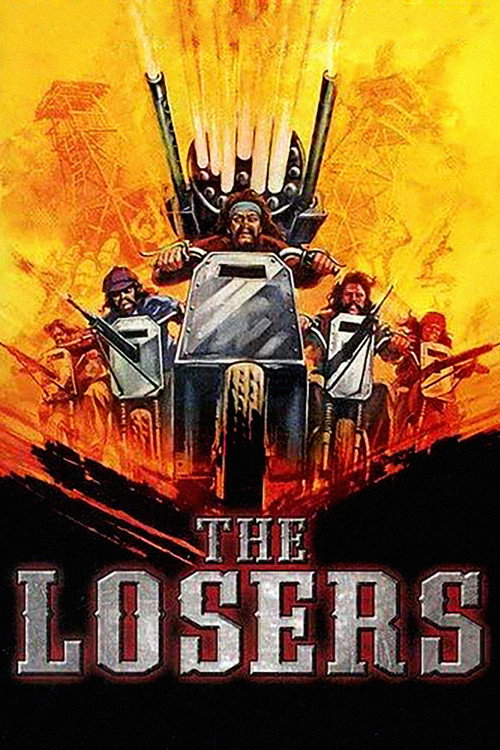
The Losers1970
A Vietnam War biker film with the same raw, unpretentious energy. Unflinching violence, no moralising, a genuine sense of danger. Made in the exact moment Satan's Sadists occupied.
But The political context feels dated now, and the film doesn't try hard to make its characters sympathetic or coherent.
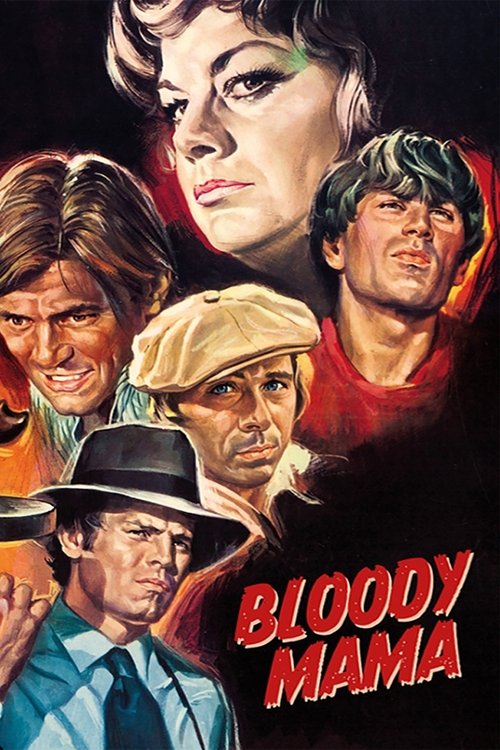
Bloody Mama1970
A Ma Barker crime saga with the same grimy, relentless tone and the same willingness to let cruelty be the point. Roger Corman again, and it captures that specific '70s fever of exploitation cinema.
But It's bleak without being particularly thoughtful, which works for some viewers and exhausts others.
Not sure tonight? Get a pick in a minute, starting from Satan's Sadists
The wildcard
Something you would not have found on your own.
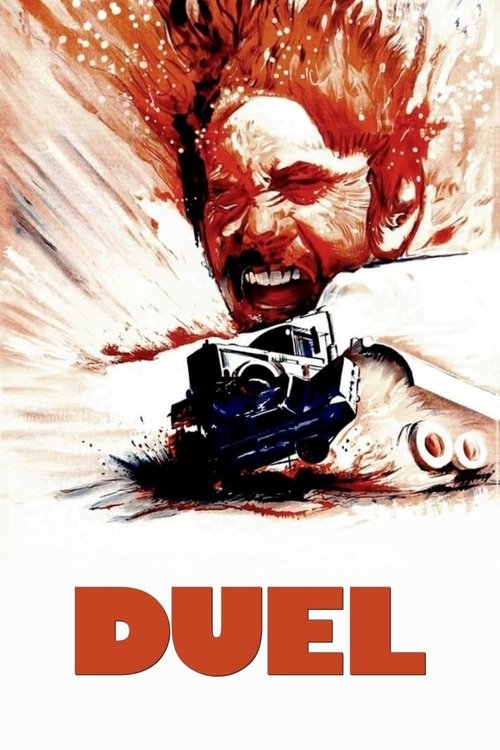
Duel1971
Both trap an ordinary person against an irrational predatory force in an unforgiving landscape, building terror from the refusal to explain or negotiate.
Spielberg's debut TV movie applies the exact same logic—a lone figure pursued by a faceless, inexplicable threat across an empty American landscape. One car instead of a gang, but the claustrophobia and dread are identical. Proof that the siege works in any form.
But It's austere and deliberately enigmatic in a way that can feel cold; the minimal plot means everything depends on mood.
More like this (7)
Johnny Guitar1954
A Western built on the same diner-siege tension, with a sadistic gang terrorising a lone woman holding ground. Ray's film proves this story—isolation, violence, defiance—transcends the motorcycle setting.
But It's operatic and stylised in a way that pulls away from the grounded brutality you came for.

The Killing1956
Kubrick's debut is a taut, violent ensemble film about desperate men. It has the same sense of inevitable doom and the same refusal to glamorise its criminals.
But It's a heist film, not a gang film, and its structure is fractured in a way that demands attention rather than inviting visceral reaction.

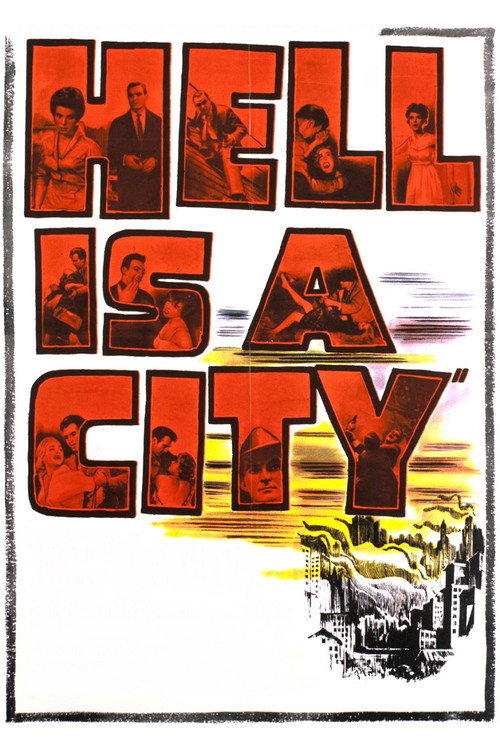
Hell Is a City1960
A British crime thriller with documentary grit and real Manchester locations. The violence is casual and the morality is muddy. A hidden gem that shares Satan's Sadists' unflinching sensibility.
But The pacing is deliberate; it won't satisfy anyone looking for constant action beats.
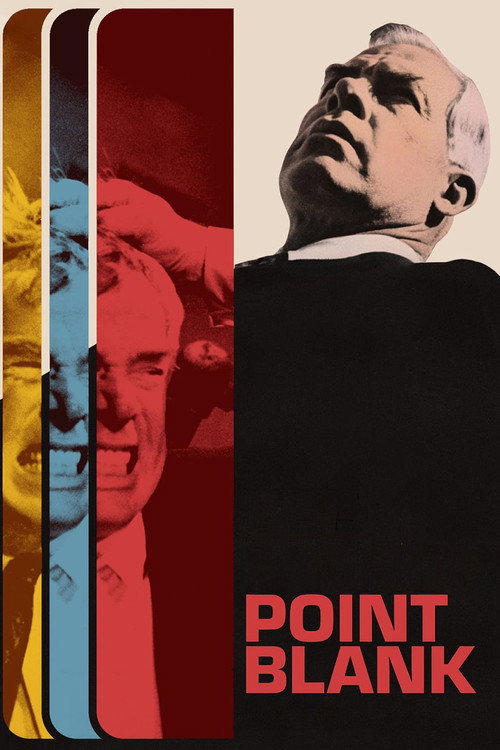
Point Blank1967
Boorman's revenge thriller is pure style and adrenaline. Walker is unstoppable, the brutality is geometric, and it captures that same anarchic energy applied to a man instead of a gang.
But Its formalist approach feels distanced; you're admiring the design rather than feeling the danger.
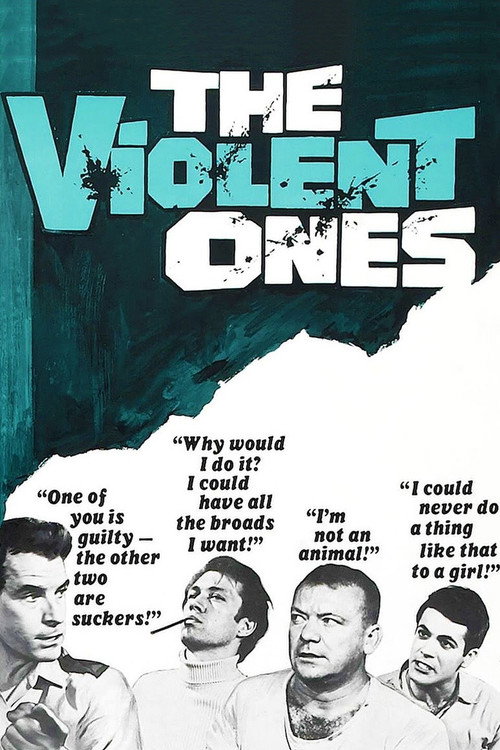
The Violent Ones1967
A low-budget Corman vehicle about three men accused of assault. Raw, paranoid, and interested in how fear and mob mentality corrupt everyone. Same budget, same era, same moral murk.
But It's genuinely obscure for a reason—uneven and sometimes clumsy in execution.
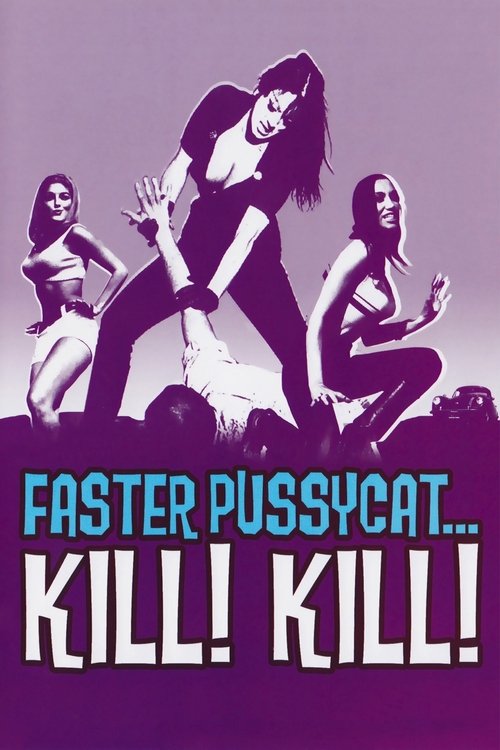
Faster, Pussycat! Kill! Kill!1965
Both are '60s low-budget exploitation thrillers built on siege tension and the predatory dynamics of a cornered group, but Meyer approaches it through gender inversion and surrealism where Satan's Sadists is direct and blunt.
Russ Meyer's masterpiece of exploitation cinema: three women, a diner, buried money, and a siege situation that becomes a pressure cooker of power and violence. Stylish, visceral, genuinely shocking. The female equivalent Satan's Sadists never quite reaches.
But Meyer's visual language is baroque and deliberately arch; it signals its own absurdity in ways that undercut the raw menace.
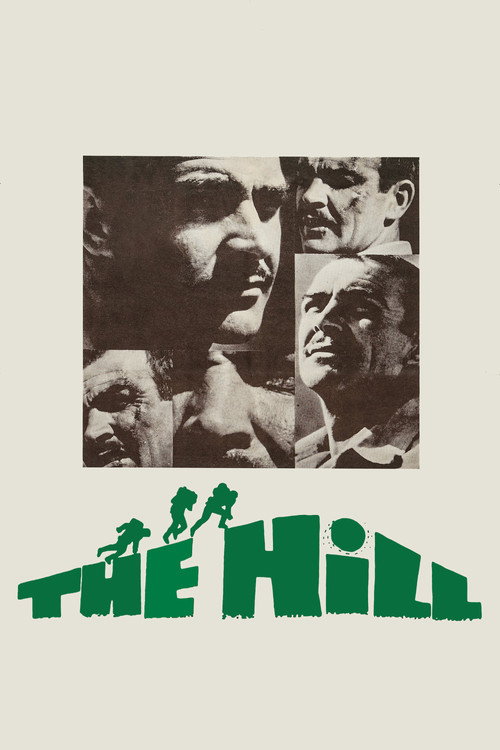
The Hill1965
Both examine predatory violence as an inevitability rather than an aberration—how ordinary men become monsters when given power and isolation.
A British military prison film about brutal authority and degradation. Not a biker gang, but the same unflinching interest in how cruelty becomes system, how power corrupts instantly, how escape is impossible. Sidney Lumet directing, utterly uncompromising.
But It's slow, principled, and more interested in moral architecture than in visceral excitement; it can feel like a sermon.
People
Cast
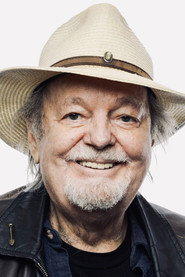 Russ TamblynAnchor
 John "Bud" CardosFirewater
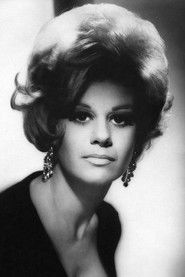 Regina CarrolGina
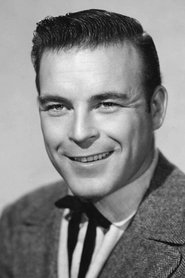 Scott BradyCharlie Baldwin
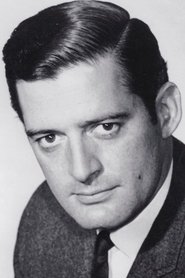 Robert DixWillie
 Gary KentJohnny Martin
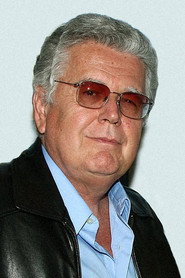 Greydon ClarkAcid
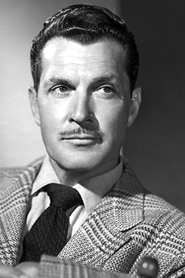 Kent TaylorLew
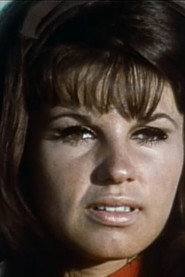 Jacqulin ColeTracy (as Jackie Taylor)
- William BonnerMuscle
- Bobby ClarkRomeo
- Evelyn FrankNora Baldwin
Directing
- Al AdamsonDirector
Writing
- Greydon ClarkScreenplay
Production
- Sid FrazerAssociate Producer
- Dan Q. KennisExecutive Producer
- Al AdamsonProducer