
Film
Faster, Pussycat! Kill! Kill!
- Con-artist caper
- Strange
Russ Meyer's 1965 exploitation masterpiece about three dangerous dancers who rob, kidnap, and seduce their way across the desert. It's visually audacious, morally unanchored, and operates on pure adrenaline and camp—a fever dream where the women are feral and the men are marks. For anyone curious about the origins of transgressive cinema or exploitation that actually has style.
Should you watch it?
Watch it if you love cheeky, pulpy exploitation movies where the camera swoops, the dialogue snaps, and the cartoonish violence arrives with a wink, especially if you enjoy Russ Meyer's sharp-edged, sun-baked style.
Skip it if you need a coherent, character-driven plot, since the film barrels along on loud attitude and cheap thrills, and its gleeful nastiness may feel more tiresome than fun.
What it asks of you: It runs a brisk 83 minutes and rarely slows down, so you'll need to be willing to ride its frantic, campy energy without expecting much restraint or subtlety.
Not sure? Find tonight's pick in a minute.
If you liked this
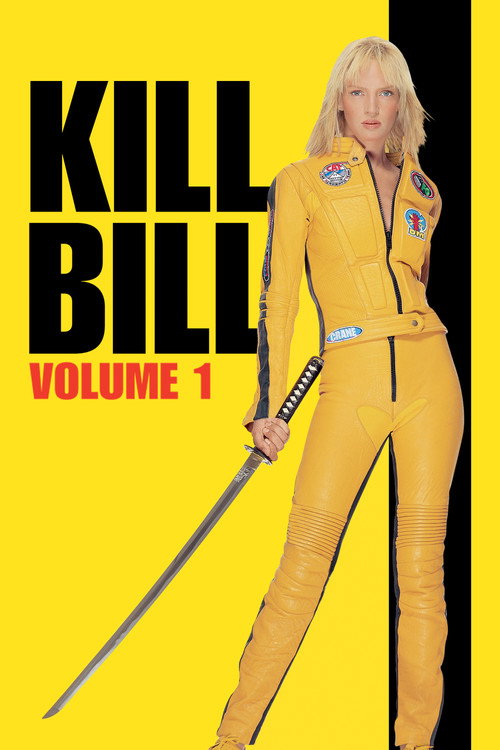
Kill Bill: Vol. 12003
Tarantino's explicit homage to Meyer: female rage, stylized violence, a predatory protagonist you're somehow rooting for, and aesthetic excess as moral statement. The DNA is direct.
But Nearly three hours, heavily indebted to anime and spaghetti westerns, and the plot is a framework for setpieces rather than a story.
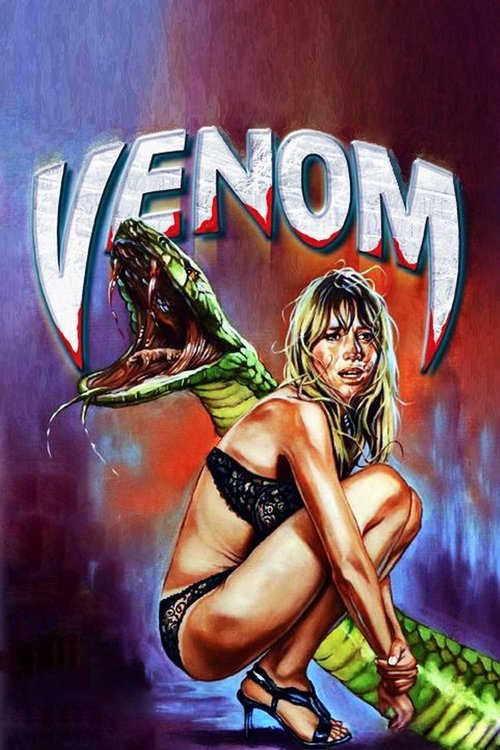
Venom1981
Pam Grier as a ruthless criminal: the same feral energy and refusal to apologize. Raw 70s crime cinema with a heroine who is genuinely dangerous and magnetic.
But Low budget shows, pacing is inconsistent, and the film's moral confusion might feel dated rather than transgressive.
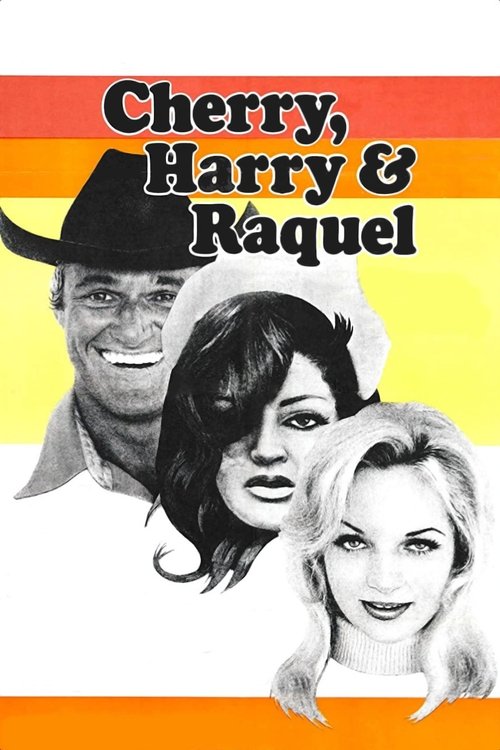
Cherry, Harry & Raquel!1969
Another Russ Meyer: the same visual bombast, the same women as forces of nature, the same delighted amorality. A direct spiritual sequel if you want more from the same hand.
But Even more plotless, even more gratuitous, and Meyer's style is inimitable—watching a follower feels thinner.
Not sure tonight? Get a pick in a minute, starting from Faster, Pussycat! Kill! Kill!
The wildcard
Something you would not have found on your own.
Supervixens1975
Direct sequel in spirit and method: Meyer codifying and escalating the vision that Pussycat! introduced, proving it was no one-off.
Russ Meyer again, but this time a road movie where the women destroy every man they encounter with sex and violence. A riff on his own formula, confirming it's not accident but obsession.
But More pornographic than Pussycat and less interested in even the pretense of plot; Meyer's style is all, substance is none.

More like this (7)
Johnny Guitar1954
A western where the woman is the outlaw, the gunslinger, the moral center. Joan Crawford commanding the frame the way Tura Satana does. Structural ancestor.
But 1950s Technicolor camp reads differently than 60s exploitation; the sexual charge is coded rather than explicit.

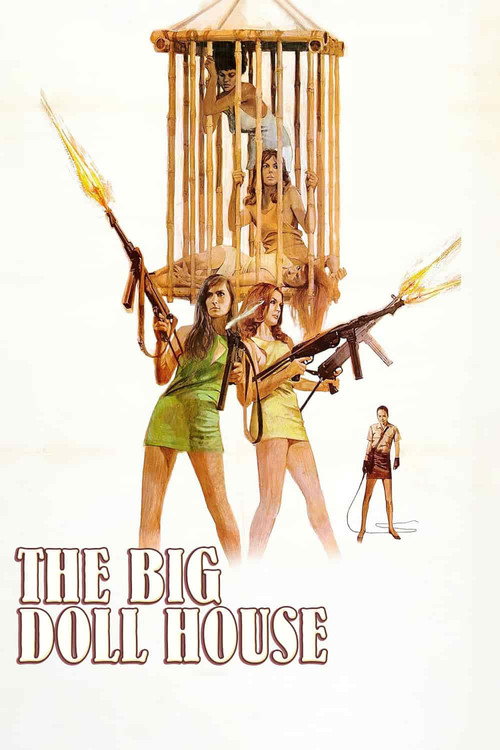
The Big Doll House1971
Women-in-prison exploitation with Pam Grier, real stakes, and the transgressive glee of the genre. Pulpy, visceral, and genuinely interested in its characters' capacity for violence.
But The formula is nakedly commercial; nothing here is trying to be art, which some viewers mistake for a lack of craft.
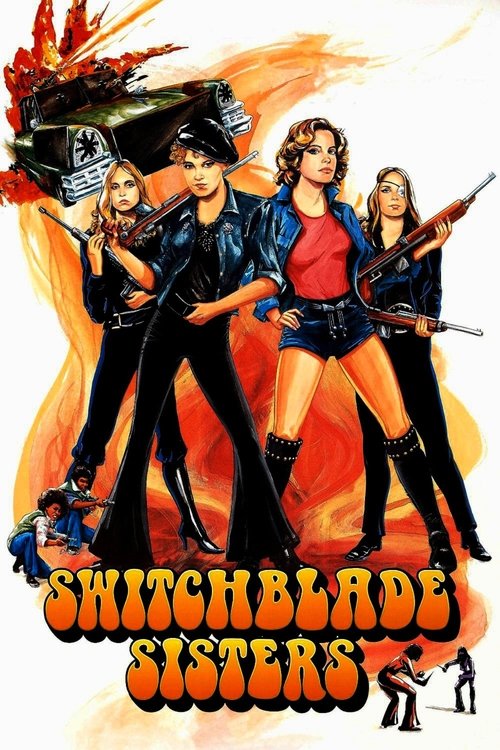
Switchblade Sisters1975
Female gangs in L.A., stylized violence, betrayal, and an almost Shakespearean brutality. Women on the margins with genuine agency and authentic menace.
But Exploitation cinema with minimal plot, dated in ways both endearing and uncomfortable, and some scenes feel gratuitous in the wrong register.
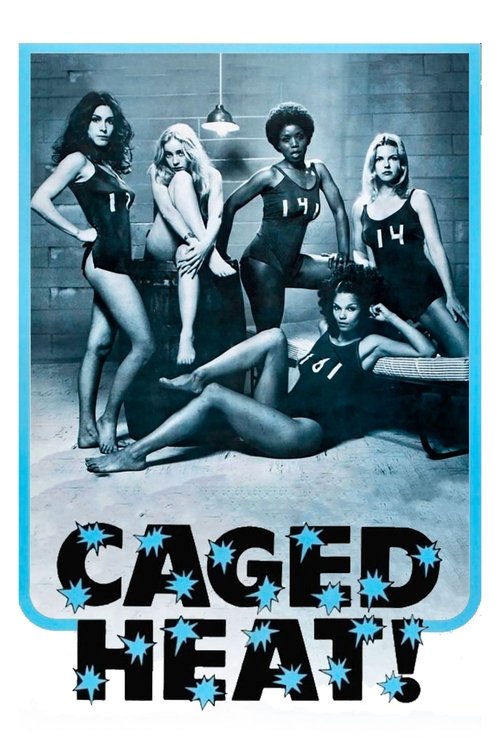
Caged Heat1974
Jonathan Demme's women-in-prison film: nasty, smart, and genuinely interested in power dynamics and survival. Exploitation that trusts the audience to think.
But Sexual violence is portrayed explicitly; it's not titillating but it's not soft either, and the film doesn't offer easy catharsis.
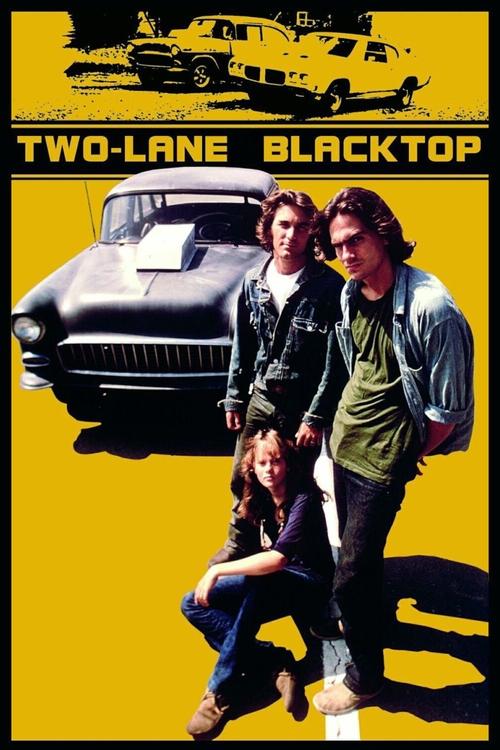
Two-Lane Blacktop1971
Desert menace, existential dread, women and men on the margins, and an aesthetic that feels weightless and inevitable. Slow-burn transgression.
But Almost nothing happens; if you want plot momentum or character development, this will feel like punishment.
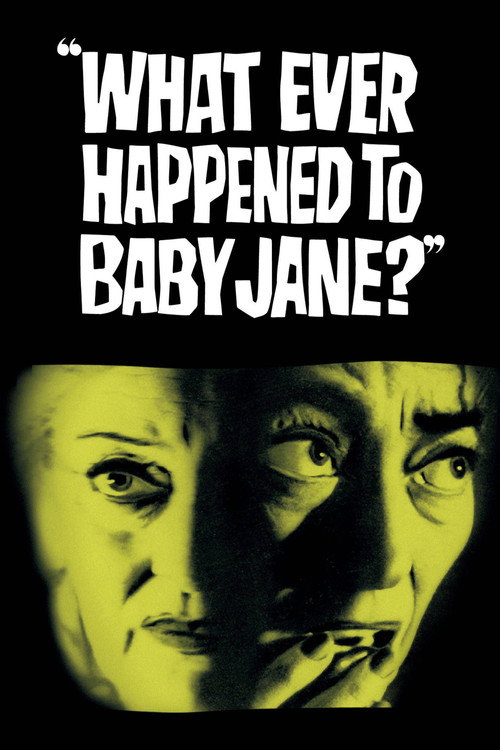
What Ever Happened to Baby Jane?1962
Predatory, morally vacant woman navigating Rome and Paris; sexuality as weapon and survival. Black-and-white sensuality and genuine moral corruption, not costume.
But Deliberately misanthropic, slow, and genuinely bleak in ways that feel European rather than cathartic.
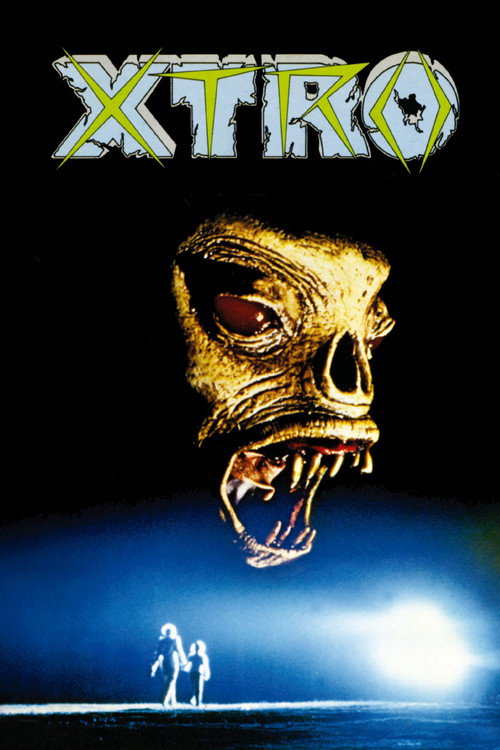
Xtro1982
Same refusal to apologize, same female body as site of danger and fascination, same era-specific visual excess, but via sci-fi rather than crime.
Science-fiction exploitation with a woman's body as landscape and violence as sex. Disorienting, visually baroque, utterly indifferent to good taste. Transgression via body horror instead of car chases.
But Genuinely difficult to watch, alienating rather than thrilling, and the transgression can feel like juvenility dressed as provocation.
People
Cast
 Tura SatanaVarla
 HajiRosie
 Lori WilliamsBillie
 Sue BernardLinda
 Stuart LancasterThe Old Man
 Paul TrinkaKirk
 Dennis BuschThe Vegetable
- Ray BarlowTommy
 John FurlongNarrator (voice)
- Michael FinnGas Station Attendant
Directing
- George CostelloAssistant Director
- Russ MeyerDirector
- William E. TomkoSecond Unit Director
Writing
- Russ MeyerOriginal Story
- Jack MoranScreenplay
Production
- Fred OwensAssociate Producer
- George CostelloAssociate Producer
- Eve MeyerProducer
- Russ MeyerProducer
- Gilbert HaimsonProduction Assistant
- Richard S. BrummerProduction Assistant
- Fred OwensProduction Manager
Recommended by
The Car, Not Quite Hollywood, Female Prisoner Scorpion: Beast Stable, Highway Patrol, Johnny Guitar, Sukiyaki Western Django, Vixen!, Beneath the Valley of the Ultra-Vixens, Cherry, Harry & Raquel!, Supervixens, Polyester, Beyond the Valley of the Dolls, Common Law Cabin, Up!, The Incredibly Strange Creatures Who Stopped Living and Became Mixed-Up Zombies!!?, Attack of the 50 Foot Woman, The Muthers, Stray Cat Rock: Sex Hunter, Satan's Sadists, The Defiler, Lorna, Flaming Creatures, The Cheerleaders, Motorpsycho!, The Young Ones, The Stewardesses, Skate Witches, The Aunty Jack Show, Spinout, The Shinobi Ninja