
Film
The Shinobi Ninja
A 1981 Hong Kong-Japanese-American co-production where a Ninjutsu master must hunt down a rogue ninja clan leaking government secrets. It's a lean, kinetic action film from the peak of martial arts cinema, all efficient kills and honor-driven plotting. For viewers who want ninja movies that deliver visceral combat without pretense.
If you liked this
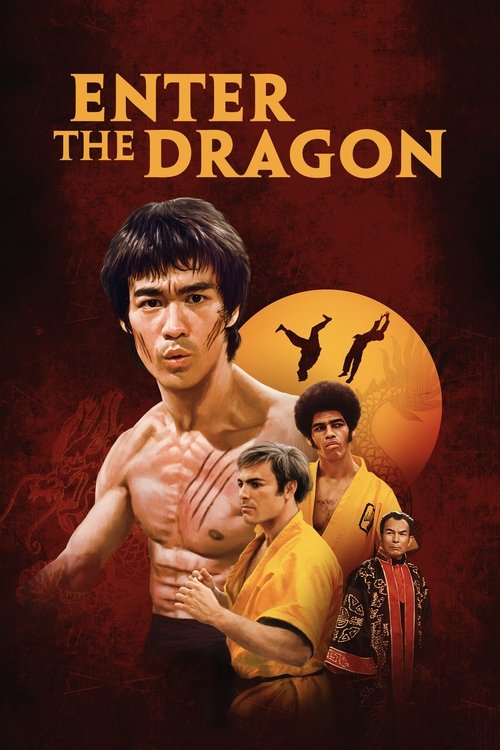
Enter the Dragon1973
Bruce Lee's only complete leading role is a masterclass in martial arts cinema. Elegant fight choreography, charismatic screen presence, and a plot involving espionage and martial arts tournaments that feels urgent and earned.
But The pacing in the middle stretches before the final act. Some of the dialogue and sexual politics feel dated in ways that distract.
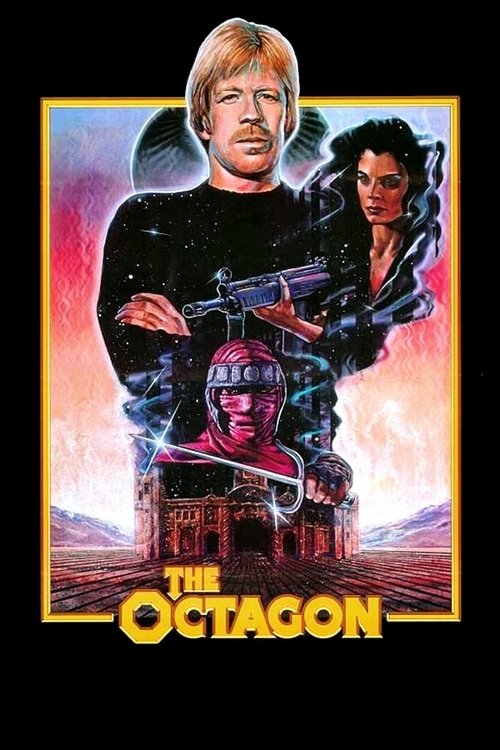
The Octagon1980
Chuck Norris versus international ninja terrorists, released just before this film. It's genuinely tense, lean, and obsessed with the technical details of ninjutsu in ways that reward attention.
But Norris is a limited actor, and the film doesn't ask much of him emotionally. It can feel stiff in dialogue scenes.
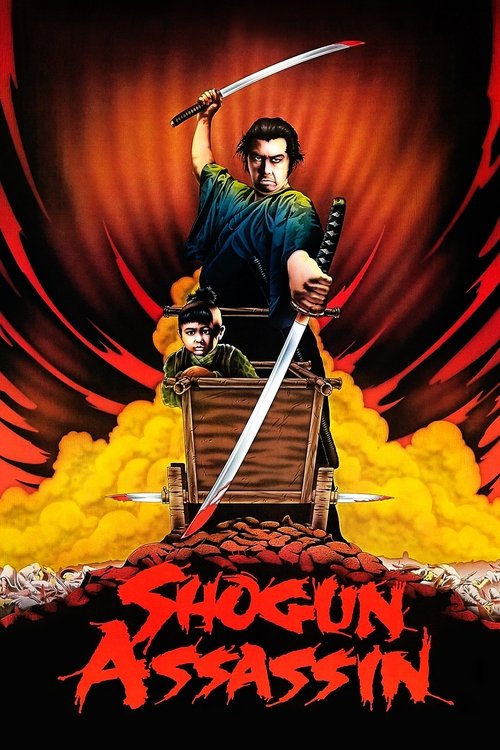
Shogun Assassin1980
A samurai on a revenge mission with his young son. Visually striking, operatic in tone, with sword combat that's balletic and brutal. The score alone justifies watching it.
But The English dub is notoriously overwrought, with narration that some find unintentionally funny. The plot is thin compared to the style.
Not sure tonight? Get a pick in a minute, starting from The Shinobi Ninja
The wildcard
Something you would not have found on your own.
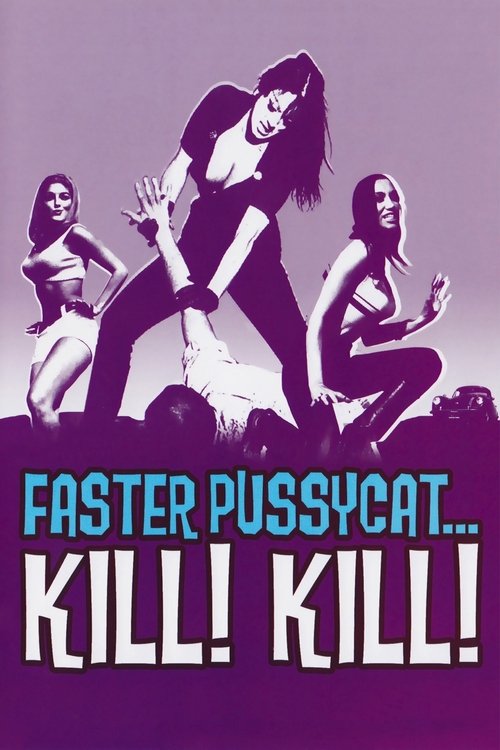
Faster, Pussycat! Kill! Kill!1965
Both are action films built on economy and visual efficiency over dialogue, using martial skill and kill sequences as the actual language of storytelling. Meyer's violence is balletic in the same way ninja fights are.
Russ Meyer's outrageous action-exploitation film about three women on a killing spree. It's violent, propulsive, shot with dynamic visual flair, and operates on pure adrenaline and style over narrative sense. A proto-action film that influenced everything after it.
But The sexual politics are provocative and not always in good ways. It's deliberately trashy and may feel too arch for viewers wanting straightforward action.
More like this (7)
Marked for Death1990
Steven Seagal returns home to find his neighborhood terrorized by Jamaican gangs. It's a direct-to-video-era action film with real stakes, brutal fights, and a lean 88-minute runtime that respects your time.
But Seagal's martial arts are impressive but his acting range is nonexistent. The film's politics are murky in uncomfortable ways.
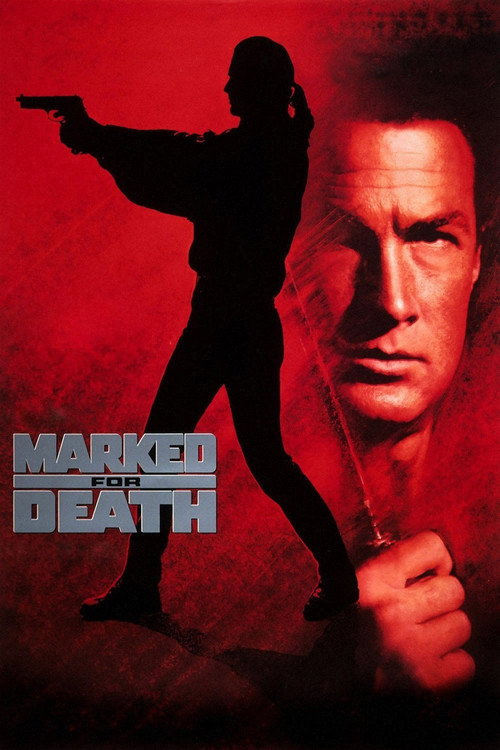
American Ninja1985
Michael Dudikoff as a U.S. soldier discovering he's a ninjutsu prodigy. It's earnest, unpretentious action cinema with real stunt work and a surprising amount of charm.
But It's very much a video-store action movie. The plot is straightforward to the point of simplicity.
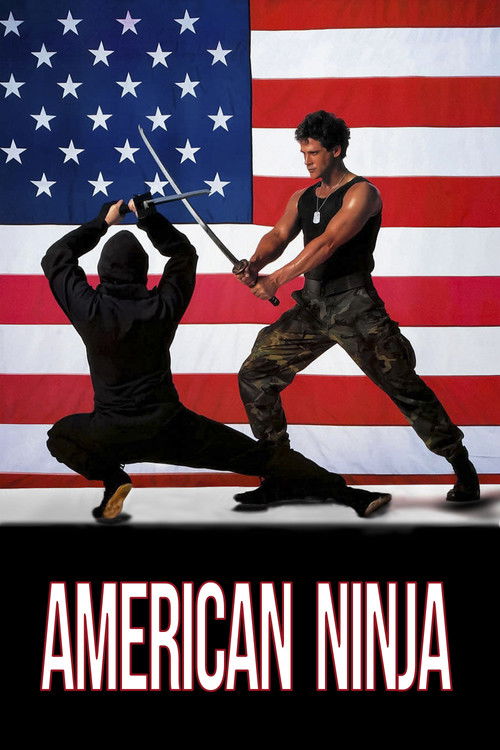
Revenge of the Ninja1983
Sho Kosugi as a ninja protecting his family against yakuza. Genuine ninja expertise on screen, creative kills, and Kosugi's serious commitment to the role elevates standard action beats.
But The story is slight and sometimes feels like a vehicle for fight scenes. Pacing stumbles in the second act.
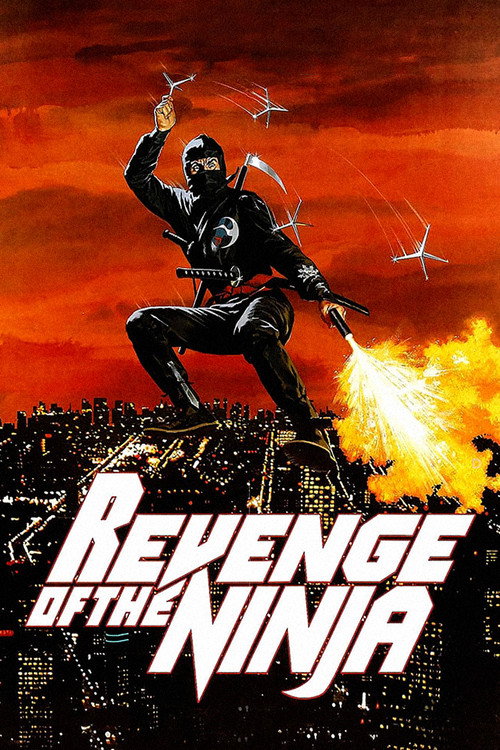
Bloodsport1988
Jean-Claude Van Damme in a tournament film based on a true story. It's a perfect vehicle for his abilities, with real martial artists in the ring and genuine respect for multiple fighting styles.
But Van Damme's acting is wooden. The film rests entirely on the appeal of the fights, which won't work for everyone.
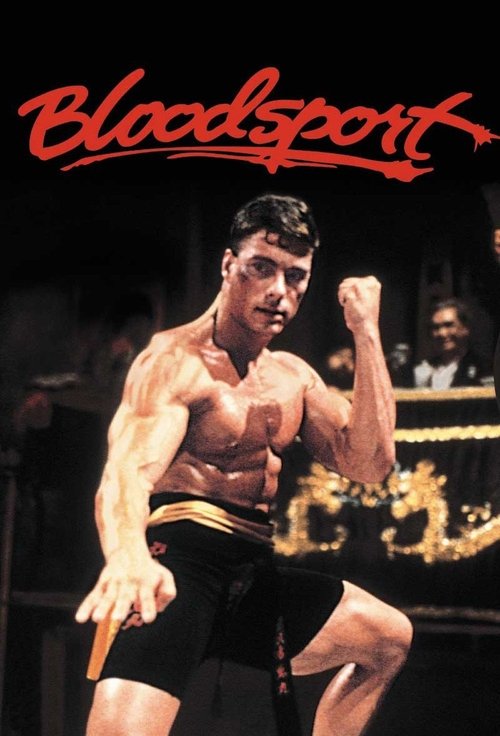
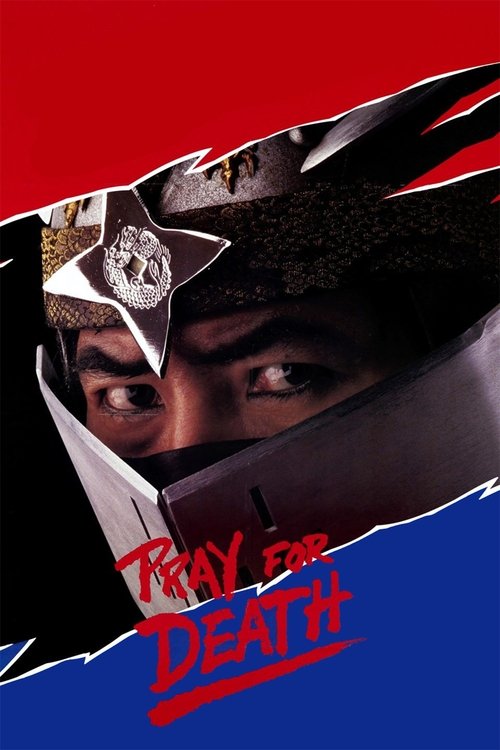
Pray for Death1985
Sho Kosugi again, this time as a businessman forced to become a vigilante ninja. It has a home-invasion tension that raises the stakes, and Kosugi's screen presence is commanding.
But It's a B-movie through and through. The writing is thin and the emotional stakes don't quite land.
Harakiri1962
Both films are built on warrior codes and ancestor honor. Where The Shinobi Ninja uses those themes as backdrop for adventure, Harakiri uses them to explore how such codes destroy the people who follow them. Watching one illuminates the other.
Masaki Kobayashi's masterpiece about honor and ritual death in feudal Japan. The action sequences are geometrically perfect and devastating. It's a meditation on the code that ninja and samurai films celebrate, turned into tragedy.
But It's a serious film about suffering. There is almost no joy in it. The pacing is deliberate and can feel slow to modern viewers expecting constant action.

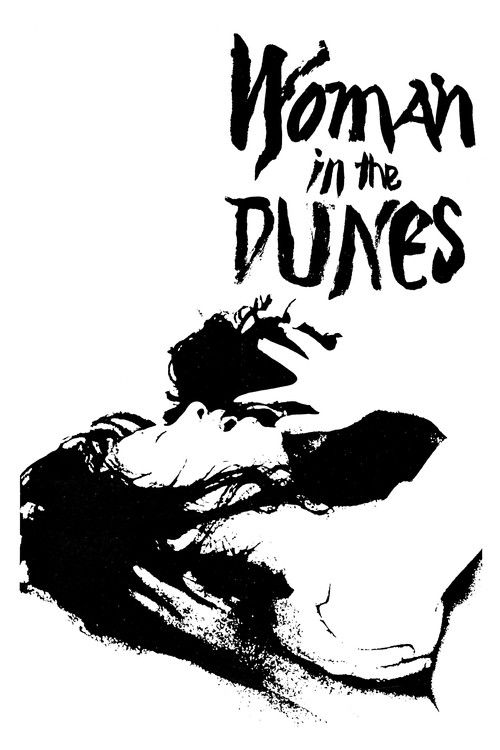
Woman in the Dunes1964
Both are Japanese films from the era when Japanese cinema was exporting its aesthetics globally. Woman of the Dunes shows the other pole—visual storytelling that's the opposite of action, but made with the same visual intelligence and economy. A palette cleanser that reminds you why 1960s Japanese cinema mattered.
Hiroshi Teshigahara's hypnotic psychological thriller where a man becomes trapped in a sand pit with a widow. It's formally beautiful, deliberately paced, and builds terrible tension from a single location. Japanese cinema at its most original.
But Nothing happens. The entire film is two people in a hole. It is a glacially slow meditation, not an action film. Patience is not negotiable.
People
Cast
 Karen SheperdElizabeth
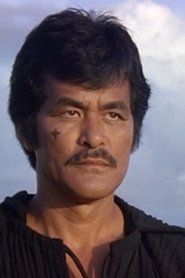
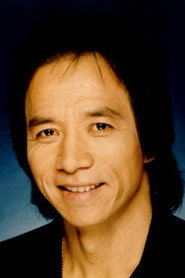 Eric LeeMo-Shen
- Shinobu NamiFemale Ninja
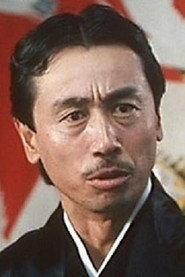 Luk ChuenIsamu (credited as Yasuhiro Shikamura)
Directing
- Hisae SaotomeAssistant Director
- Kinji MorishitaAssistant Director
- Luk ChuenDirector
Writing
- Chang Pei-ShanDialogue
- Shuji GotoScreenplay
- Tsuyoshi IshiScreenplay
Production
- Tomas T. HiraharaProducer
- Toshio YamauchiProducer
- Yasuko KoideProducer