
Film
Shogun Assassin
A masterless samurai pushes his young son in a cart across feudal Japan, executing hired killers sent by a paranoid Shogun. Ultraviolent, visually stunning, and operatic—a revenge tale told through blood and silence. For anyone who loves style married to substance.
Should you watch it?
Watch it if you like stylized, almost operatic revenge built from blunt set pieces, a wandering swordsman travelling with his toddler son, and a child who watches everything with unnerving calm, and you don't mind the gore being part of the design.
Skip it if you need a story that moves forward, since this is episodic, bloody and sparse with dialogue, and the spurts of violence can feel repetitive across its brief running time.
What it asks of you: Long silences, little talk and few explanations, so you read faces and staging; expect slow walking between bursts of violence, all packed into under ninety minutes.
Not sure? Find tonight's pick in a minute.
If you liked this
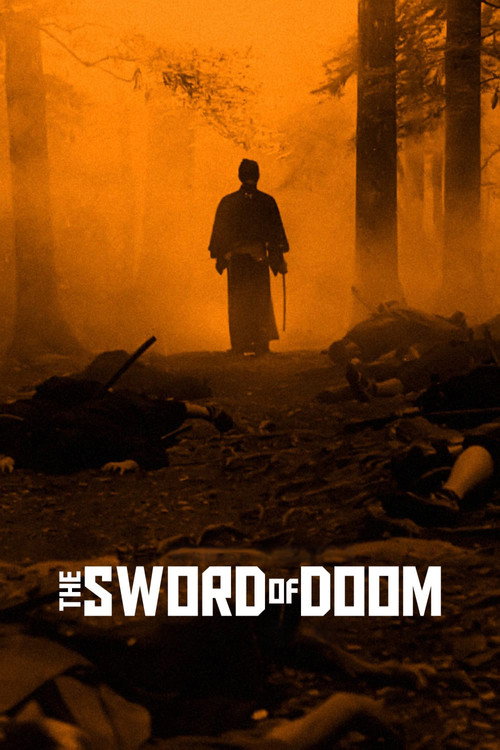
The Sword of Doom1966
Tatsuya Nakadai as a nihilistic swordsman carving through a corrupt society. Bleak, beautiful, technically innovative—the spiritual ancestor of everything Shogun Assassin does with violence as tragedy.
But Slow and contemplative in ways that ask a lot of patience. The bleakness offers no comfort.
Harakiri1962
Masaki Kobayashi's masterpiece about ritual suicide and the meaninglessness of honor. Structured like a perfect trap, visually austere, philosophically crushing. Essential samurai cinema that deconstructs the genre itself.
But It is genuinely bleak and difficult. Not an action film in the way you might expect, despite its power.

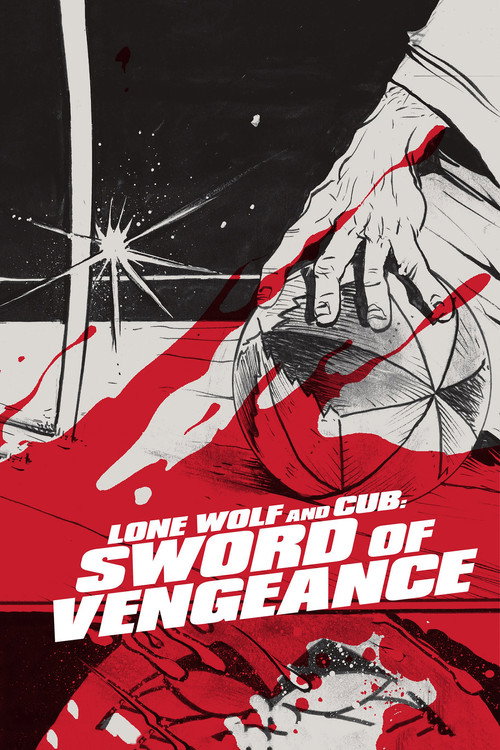
Lone Wolf and Cub: Sword of Vengeance1972
The source material made flesh. Same cart, same child, same merciless father—but this is the original, the one that set the template. Graphic, inventive, deeply weird in the best way.
But The acting is theatrical by modern standards. Some moments play as unintentionally comic to a contemporary eye.
Not sure tonight? Get a pick in a minute, starting from Shogun Assassin
The wildcard
Something you would not have found on your own.
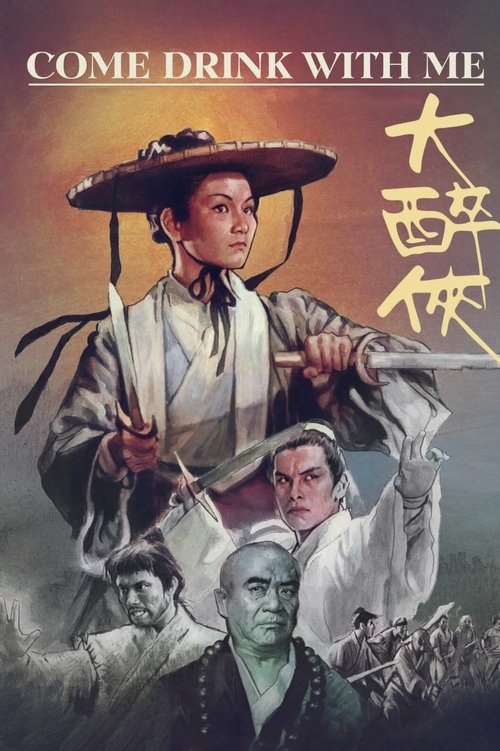
Come Drink with Me1966
Both are tales of a solitary fighter bound to protect a child, but Hu's film channels violence through grace and beauty where Shogun Assassin channels it through blood and necessity. Same structure, opposite poles.
King Hu's masterpiece, made in Hong Kong when samurai films were still Japanese property. A drunken swordmaster rescues a general's son across landscapes of breathtaking beauty. Invented the wire-fu aesthetic before anyone knew it was an invention.
But The fight scenes are balletic rather than brutal—it moves like theatre. If you want visceral gore, this offers something else entirely.
More like this (8)
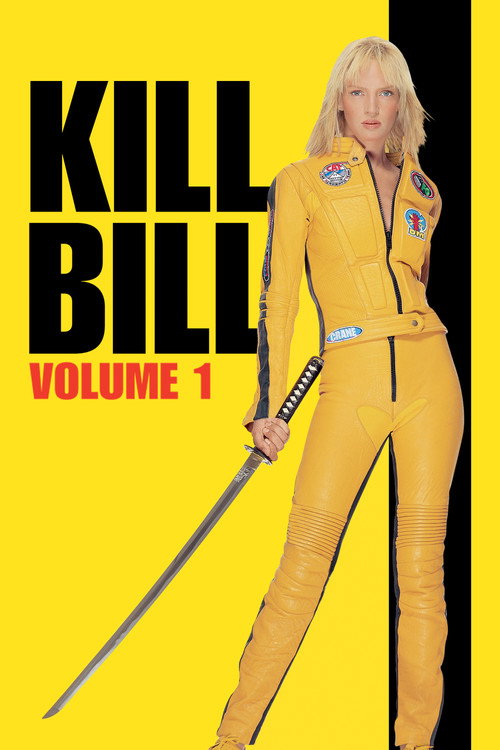
Kill Bill: Vol. 12003
Tarantino baptized in Shogun Assassin's blood. The aesthetic, the relentlessness, the refusal to flinch—it's all here, remixed with 1970s exploitation and pop fury. A love letter to the films that came before.
But The homage can feel more important than the story. Stops and starts for dialogue when you want momentum.
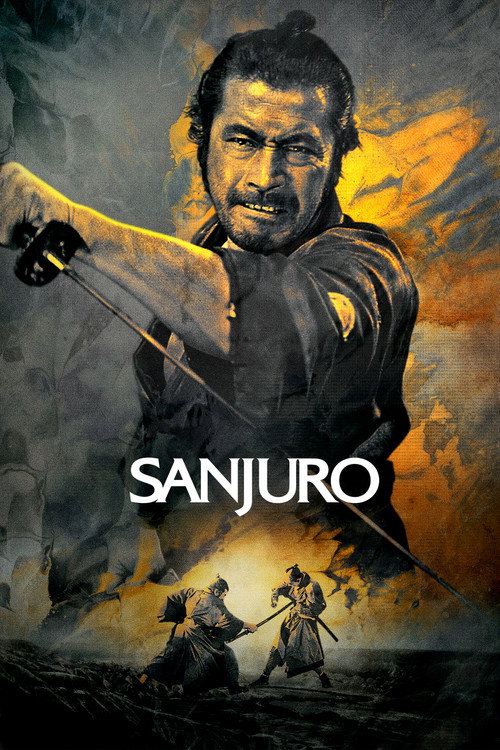
Sanjuro1962
Kurosawa's most violent film before anyone else was making violent films. A samurai double-cross wrapped in dark comedy and sudden, shocking gore. Playful and savage at once.
But The tonal whiplash will disorient you. It's shorter and slighter than you'd expect from Kurosawa.
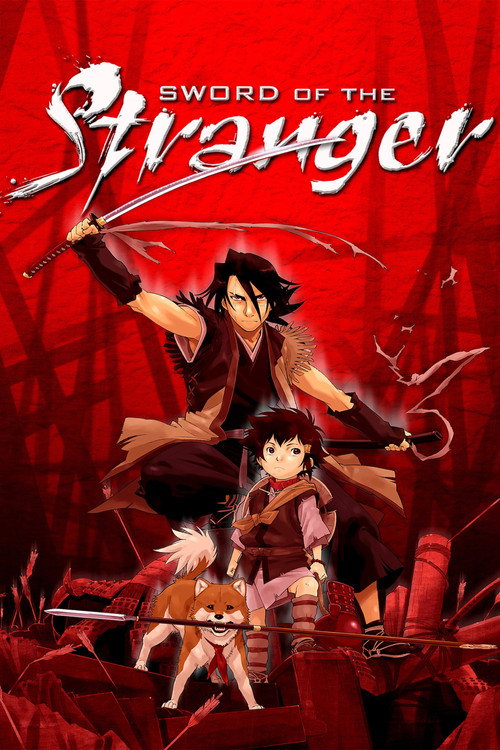
Sword of the Stranger2007
A wanderer and a child, again, pursued across medieval Japan. Animated but brutally physical—the fight choreography is some of the finest ever captured. Morally complex and visually ravishing.
But It is an anime, which will put off some viewers regardless of quality. The story takes a while to justify its own violence.
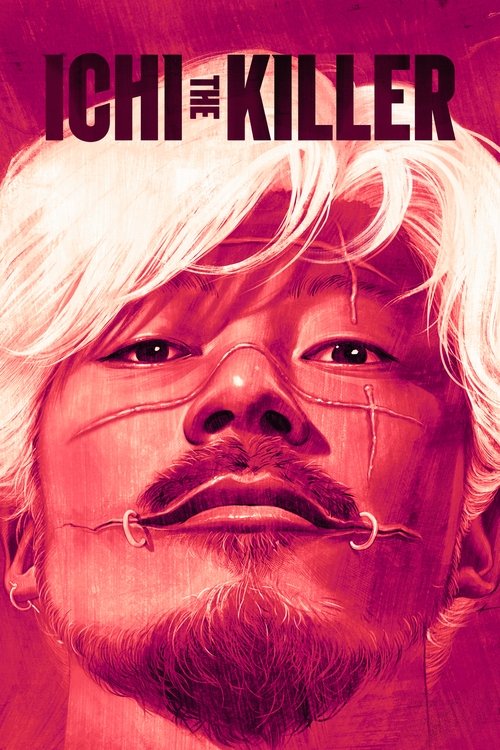
Ichi the Killer2001
Takashi Miike's grotesque, unflinching meditation on pain and power. Comes from the same tradition of stylized ultraviolence, but pushes it toward philosophy and psychological horror.
But It is genuinely repulsive in places—designed to disgust, not thrill. Many will find it excessive rather than meaningful.
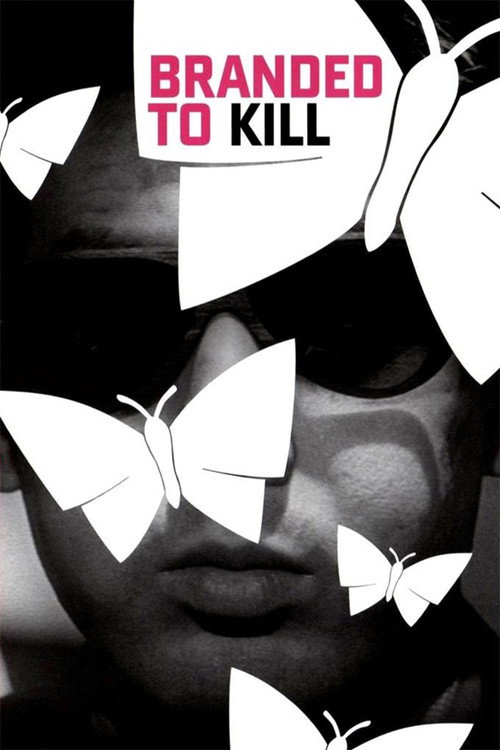
Branded to Kill1967
Seijun Suzuki's surreal yakuza noir, where violence happens in close-up and the world barely makes sense. Dreamlike, painterly, utterly original—a hired killer film that doesn't play by any rules.
But Deliberately obtuse and fractured. Plot coherence is not the point, which some find liberating and others find frustrating.
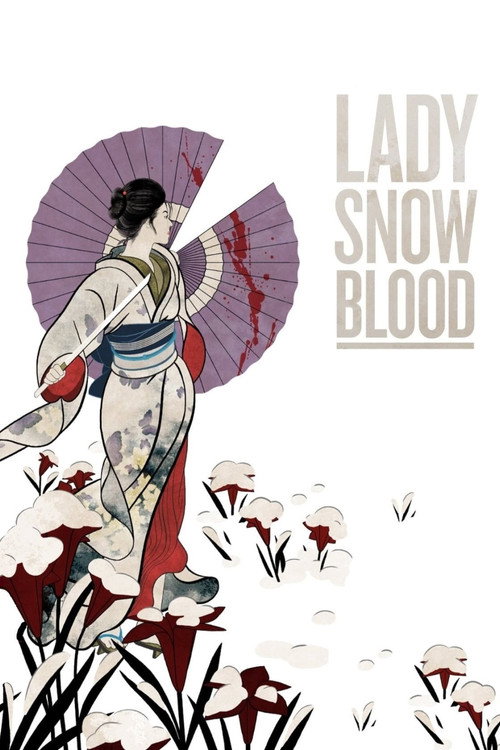
Lady Snowblood1973
A woman raised as an instrument of vengeance returns to kill the men who destroyed her family. Visually exquisite, brutal without apology, and built on a moral question Shogun Assassin shares: what does revenge cost the soul?
But Exploitation cinema by design—the style is sometimes more important than the humanity. Can feel distant despite its violence.
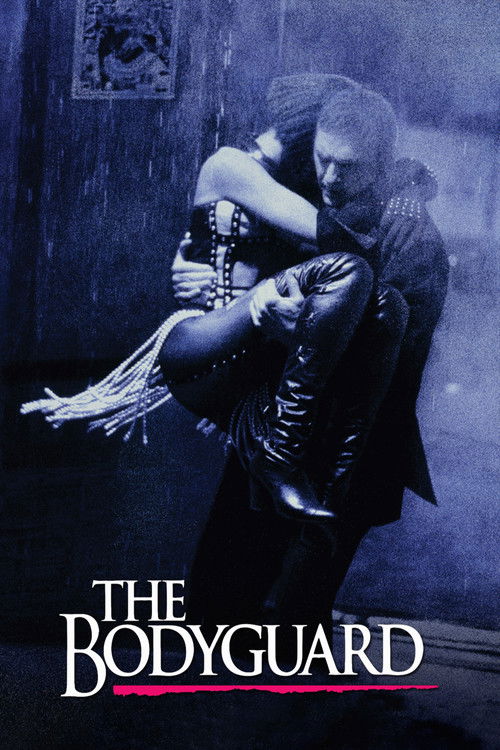
The Bodyguard1992
Strip away the period setting and the supernatural killing, and both films are about a man who has nothing except his ability to protect someone else—and what that devotion costs him emotionally. The same wound in different clothes.
David Cronenberg takes the same premise—a lone protector and a vulnerable charge—and relocates it to contemporary Toronto, turning it into psychological thriller about trust and paranoia. Drenched in 90s atmosphere, genuinely tense, performed with quiet intensity.
But It is slow and conversational, almost a chamber piece. The violence is minimal and the power lies entirely in what's unsaid. Expect no sword duels.
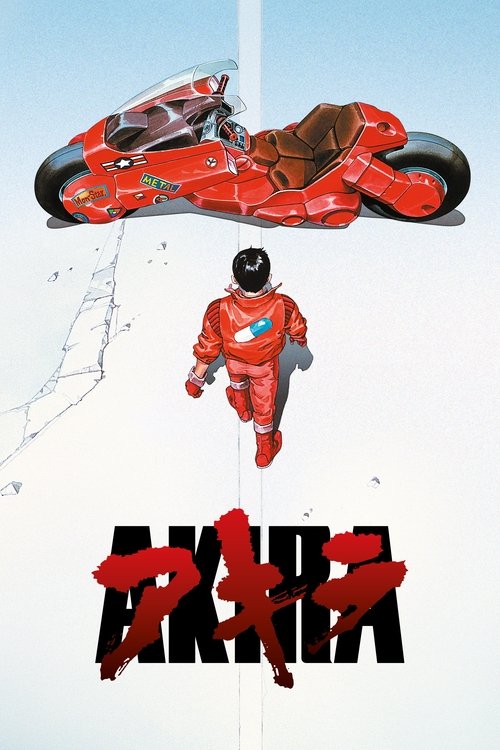
Akira1988
A wanderer and a child again, but this time the child is the apocalypse itself—containing the power that will destroy the world. Both films use the father-child bond as their moral and narrative engine, asking what protection means when the world is already burning.
Katsuhiro Ôtomo's cyberpunk apocalypse features a man bound to protect a child in a world gone wrong. Animated, violent, metaphysically ambitious, and visually dense in ways live-action can't touch. The future made flesh through hand-drawn obsession.
But It is dense, fast, and demands attention. The plot is purposefully opaque and the ending is deliberately unsatisfying. You may need to watch it twice.
People
Cast
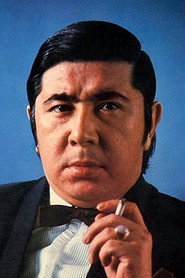 Tomisaburō WakayamaOgami Itto
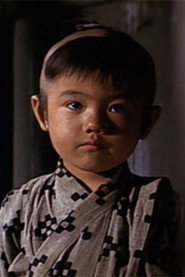 Akihiro TomikawaDaigoro Ogami
 Kayo MatsuoSupreme Ninja
 Minoru ŌkiMaster of Death
 Shin KishidaMaster of Death
- Shogen NittaMaster of Death
 Reiko KasaharaAzami
 Akiji KobayashiLord Kurogawa
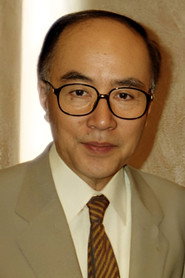 Taketoshi NaitōLord Bizen
- Tokio OkiThe Shogun
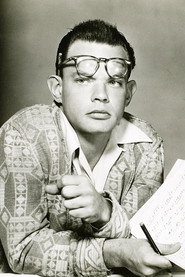 Lamont JohnsonVoice (voice)
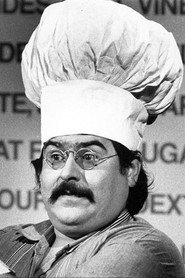 Marshall EfronVoice (voice)
Directing
- Kenji MisumiDirector
- Robert HoustonDirector
Writing
- Goseki KojimaOriginal Story
- Kazuo KoikeOriginal Story
- Kazuo KoikeScreenplay
- Robert HoustonScreenplay
- David WeismanWriter
Production
- Michael MaielloAssociate Producer
- Peter ShanabergExecutive Producer
- David WeismanProducer
- Hisaharu MatsubaraProducer
- Robert HoustonProducer
- Roger CormanProducer
- Shintarō KatsuProducer
Recommended by
Afro Samurai, That Sugar Film, The Man with the Iron Fists, A Taxing Woman, Enter the Ninja, Karate Bear Fighter, Cyber Ninja, The Master, Samurai Reincarnation, The Boxer's Omen, Zatoichi Meets Yojimbo, The Shinobi Ninja