Television series
Afro Samurai
Afro Samurai is a five-episode fever dream: a lone swordsman cuts his way toward the man who killed his father, RZA's beats thudding under every slash. It's gorgeous, gratuitous and unapologetically style-first — limbs fly, blood arcs like calligraphy, and Samuel L. Jackson voices both the hero and his foul-mouthed conscience. Watch it for spectacle, not subtlety.
If you liked this
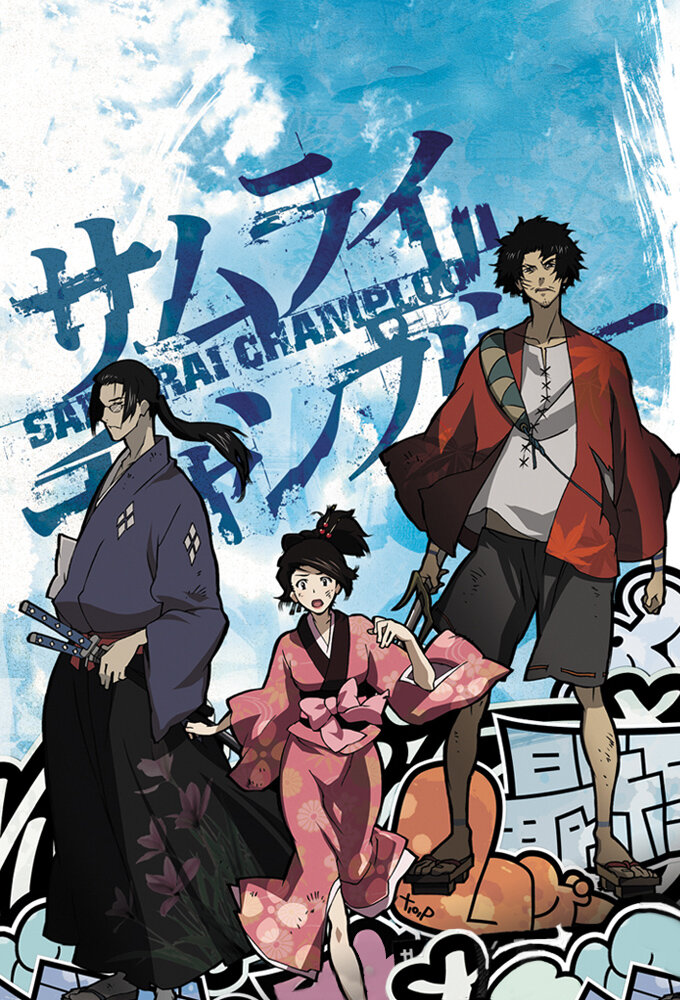
Samurai Champloo2004
Watanabe's hip-hop samurai anime is the closest sibling Afro Samurai has — beat-driven fights, wandering ronin, and genre-mashing done with real wit and heart.
But It's talkier and gentler; if you came purely for ultraviolence, the episodic slow-burn plotting might test your patience.
Yasuke2021no page yet
A Black samurai anime with a moody Flying Lotus score, fusing supernatural war-torn Japan with a quieter, more mournful heroism than Afro's fury.
But Its pacing is deliberate and melancholic, closer to elegy than action spectacle, so don't expect wall-to-wall carnage.
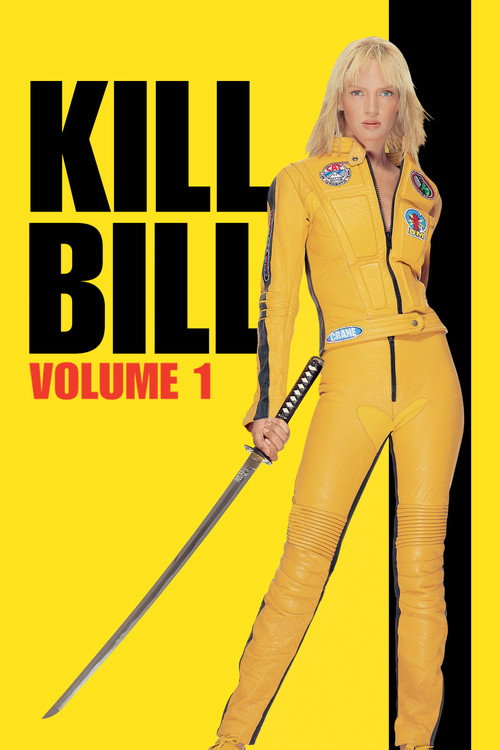
Kill Bill: Vol. 12003
Tarantino's own revenge-quest remix nails the same mix of ultraviolence, style-over-substance swagger, and pure genre-mashing joy, with a sword fight for the ages.
But It's live-action and runs much longer than an Afro Samurai episode — you'll want to commit to the whole saga.
The wildcard
Something you would not have found on your own.
Shogun Assassin1980no page yet
RZA built entire Wu-Tang Clan tracks around dialogue sampled from this exact film, and he later scored and co-produced Afro Samurai — this is quite literally where that sound and sensibility began.
A grindhouse English-dub compilation of two Lone Wolf and Cub films — severed limbs, a baby in a cart, and mournful narration over pulpy 70s samurai carnage.
But It's a rough, dubbed patchwork of another film, not a polished original narrative — a historical curiosity as much as entertainment.
More like this (8)
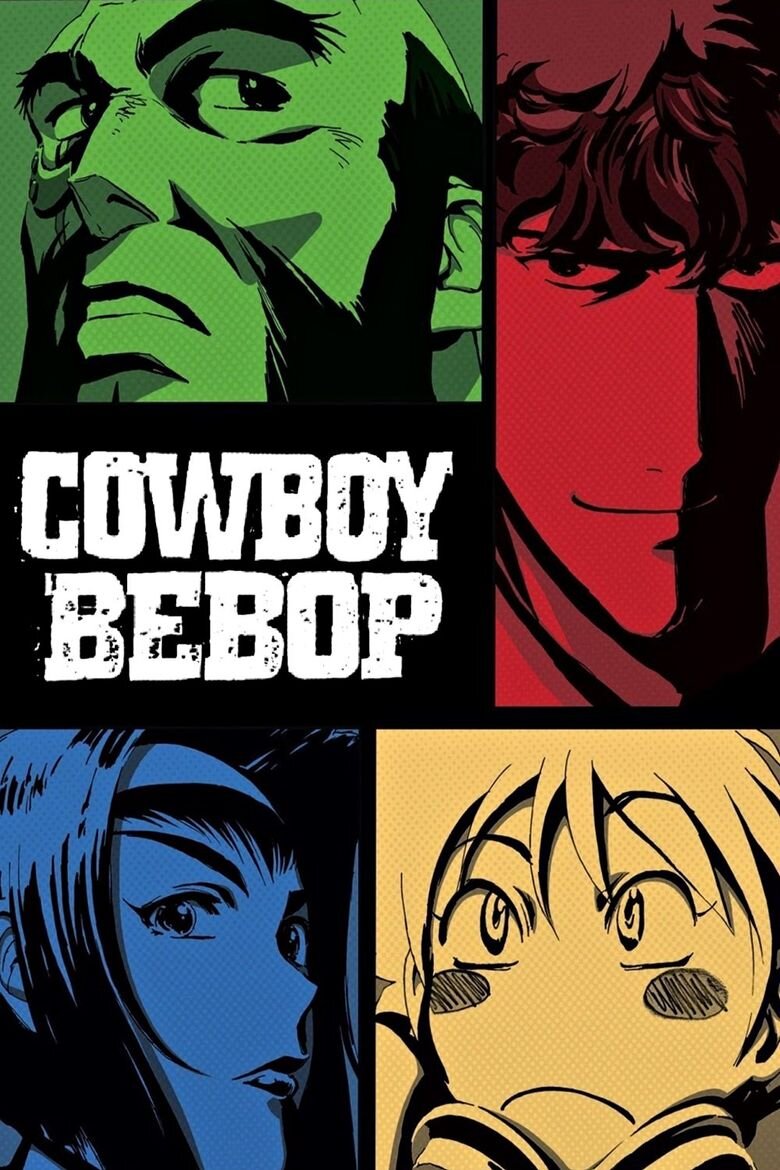
Cowboy Bebop1998
Same jazz-and-hip-hop swagger, same lone wanderer chasing his past, same sense that cool and heartbreak can share a frame beautifully.
But It's far less violent and more melancholic sci-fi noir than sword-swinging carnage — moodier than gory.
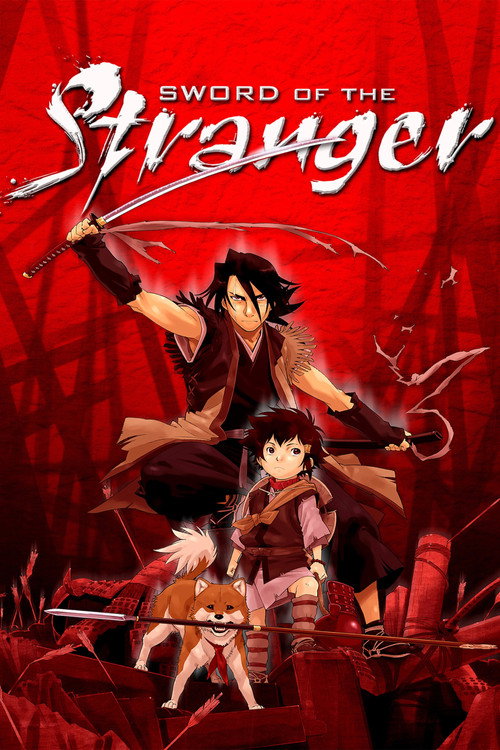
Sword of the Stranger2007
Gorgeous, brutal feudal-Japan swordplay animation with a nameless wanderer and a body count that rivals Afro's own, all in one tight sitting.
But More straightforward hero's journey, less cosmic menace, and over in two hours rather than a serialized arc.
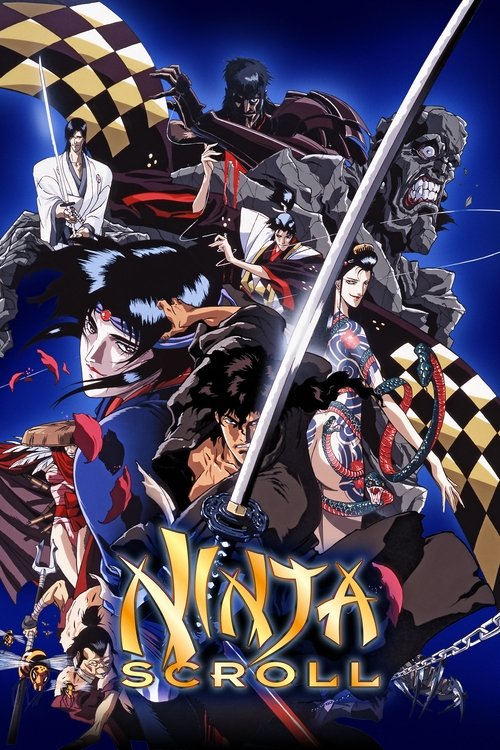
Ninja Scroll1993
A 90s ultraviolent anime classic — gonzo villains, gore, and a stoic swordsman for hire; the unhinged energy Afro Samurai clearly inherited.
But The misogyny and dated shock tactics haven't aged gracefully; go in knowing it's a product of its decade.
Mugen no Juunin: Immortal2019no page yet
An immortal swordsman cutting through endless enemies for redemption — same relentless bloodletting, same episodic revenge structure, gorgeous choreography throughout.
But It's a slow burn with heavy manga lore; newcomers might find the mythology dense before the payoff lands.
Redline2009
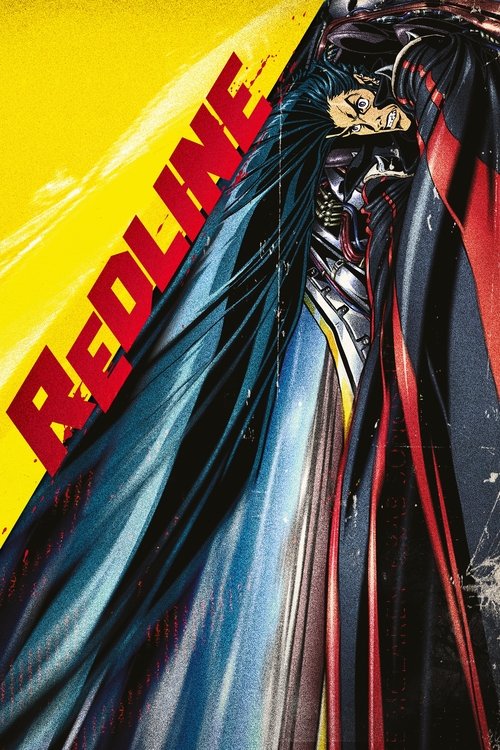
Pure sensory overload — hyperkinetic, hand-drawn racing animation with the same maximalist, style-drunk energy Afro Samurai trades in from frame one.
But It's about racing, not swords, and the plot is thin scaffolding for the visuals — style with little substance.
Vampire Hunter D: Bloodlust2001
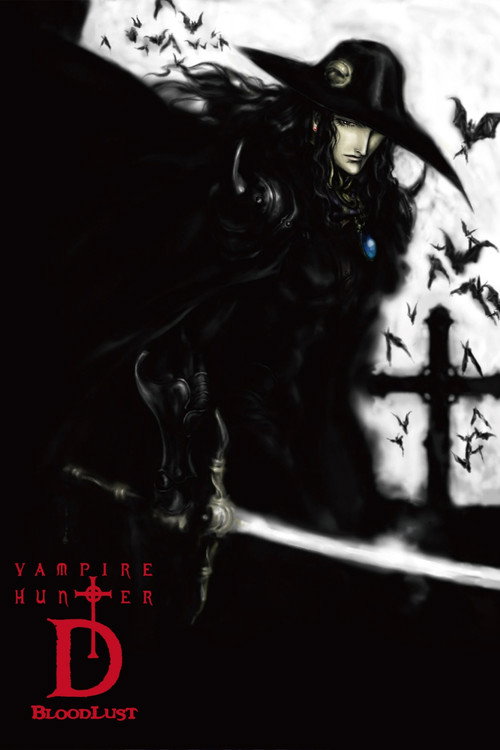
Moody gothic anime action, a lone stoic hero, gorgeous animation and gore — a cousin in tone if not setting.
But Slower and more atmospheric than propulsive; expect brooding over adrenaline for long stretches.
Ghost Dog: The Way of the Samurai1999
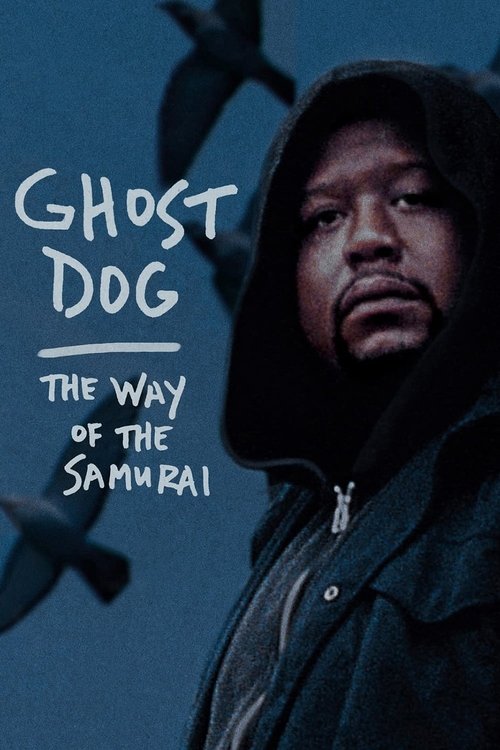
Same composer — RZA scored this film years before Afro Samurai, and it's the blueprint for fusing samurai ethics with hip-hop culture, just played dead serious instead of gonzo.
Forest Whitaker plays a hip-hop hitman living by the samurai code in a jazzy, contemplative Jim Jarmusch fable — violence treated as ritual, not spectacle.
But It's slow, philosophical, and nearly plotless by design; if you want kinetic swordplay, this will feel like a nap.
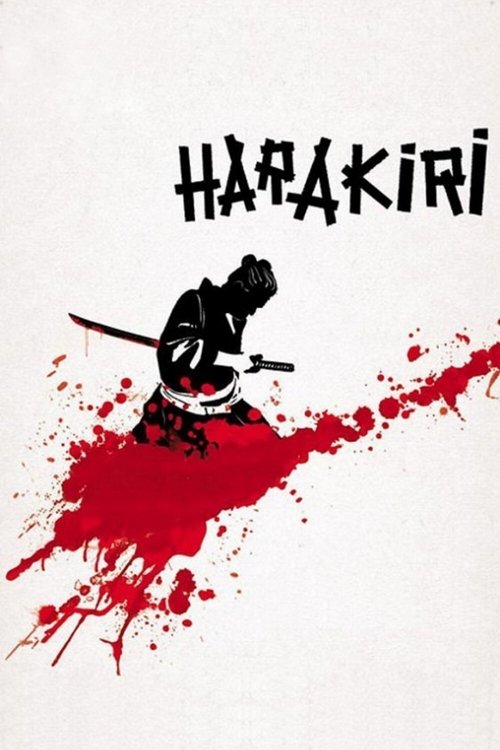
Harakiri1962
Both are revenge stories about a wronged warrior confronting a corrupt code of honour — one drowns you in blood and beats, the other in silence and dread, but they're asking the same question.
Kobayashi's austere masterpiece strips away all spectacle to ask what honour actually costs a samurai — devastating, precise, and unforgettable.
But There's no swordplay spectacle until deep in, and its slow, formal grief is the opposite of Afro's breakneck pace.