
Film
Zatoichi Meets Yojimbo
Two iconic samurai antiheroes—the blind swordsman Zatoichi and the mercenary Yojimbo—collide in a 1970 Japanese action film of audacious charm. It's a freewheeling adventure that luxuriates in character and humour alongside its sword fights, grounded by two magnetic lead performances. For anyone hungry for stylish genre cinema with personality and wit.
If you liked this
Harakiri1962
Masaki Kobayashi's masterwork uses samurai tradition as the frame for a devastating critique of honor itself. Formally perfect and emotionally annihilating—essential cinema that redefines what the genre can say.
But It's severe and bleak in ways that offer no comfort or catharsis, only truth. Watching it is closer to enduring a trial than enjoying a film.

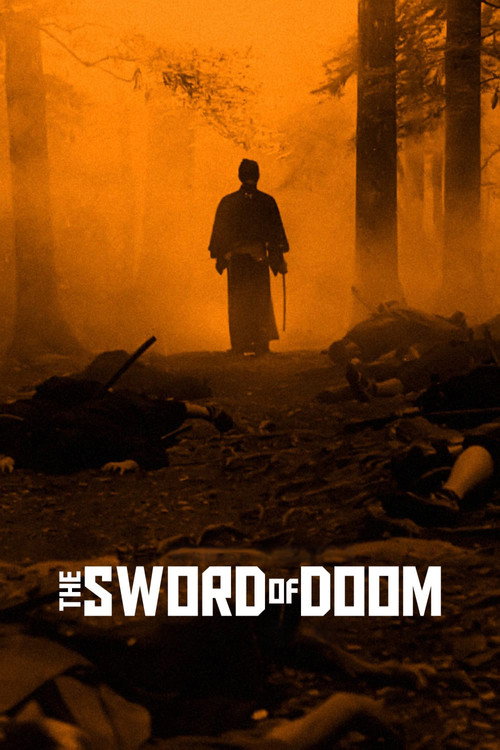
The Sword of Doom1966
Tatsuya Nakadai as a sociopathic swordsman moving through a corrupt society like a blade through silk. Visually audacious, philosophically unsettling, and hypnotically strange in its refusal to provide easy answers.
But It's abstract and digressive in structure. Narrative momentum matters less than mood and implication, which some find frustrating rather than intriguing.
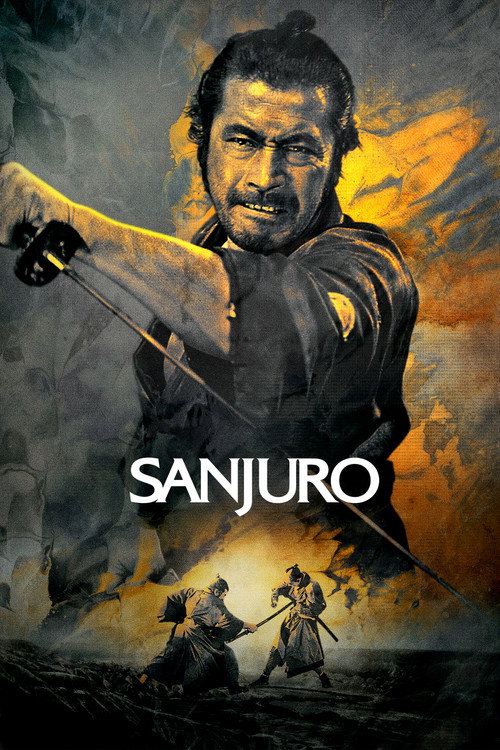
Sanjuro1962
Kurosawa's revenge comedy fizzes with invention and dark humour, built around a charismatic ensemble of swordsmen. A reminder that action and fun are not opposites, and that samurai films can be sprightly.
But Its tonal mix—comedy bleeding into brutality—doesn't always land. Some scenes feel underbaked, and the film occasionally trips over its own ambition.
Not sure tonight? Get a pick in a minute, starting from Zatoichi Meets Yojimbo
The wildcard
Something you would not have found on your own.
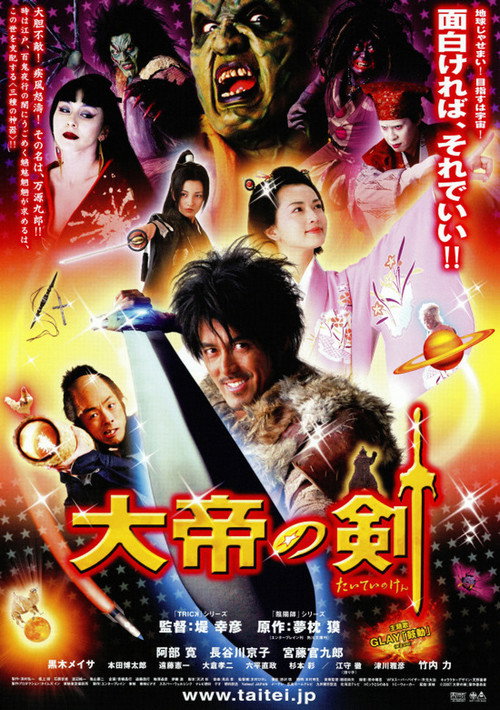
The Sword of Alexander2007
Both films pit the wily, unaligned swordsman against rigid systems of clan and faction. They share a delight in character over plot, and both heroes survive through lateral thinking as much as skill.
A Georgian swashbuckler where a peasant becomes a legendary swordsman through wit and audacity. It transplants the mercenary-hero archetype and the clash of honor and pragmatism into a completely different cultural register and visual language—and it sings.
But Finding it requires effort, and subtitles are non-negotiable; it's also less economical in pacing, with digression built in. Western audiences rarely encounter it, so there's no critical consensus to lean on.
More like this (5)
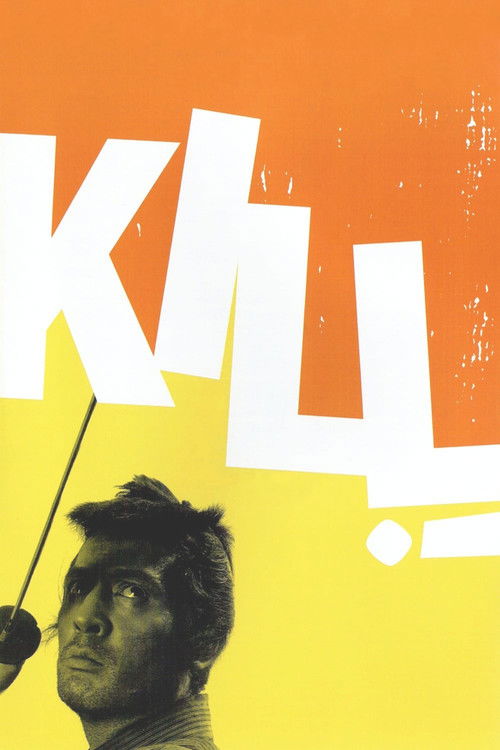
Kill!1968
Kihachi Okamoto crafts a brilliantly cynical action film where mercenaries and drifters scheme their way through a village conflict. Savage, witty, and urgently paced—a direct spiritual sibling to what you're watching.
But The plotting is intricate enough that inattention costs you; it rewards focus but won't slow down for those who aren't keeping up.
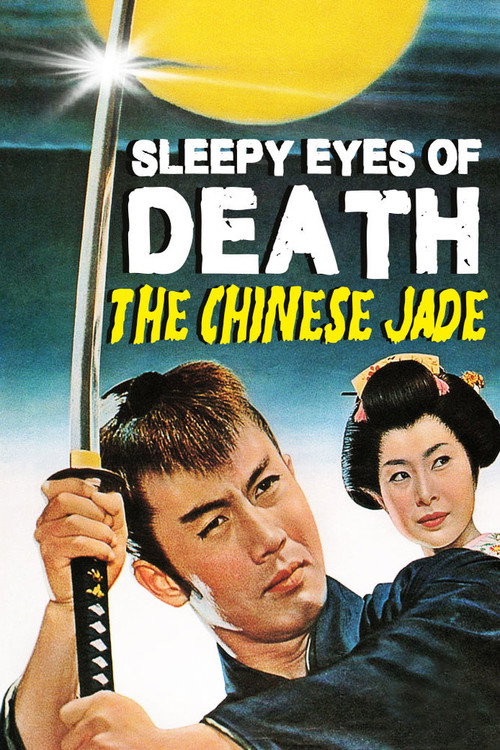
Sleepy Eyes of Death 1: The Chinese Jade1963
Raizo Ichikawa as Nemuri Kyoshiro, a bishounen assassin with an impossible skill and a tragic past. Genre entertainment at its most stylish, with real psychological depth beneath the swordplay spectacle.
But The series is long and uneven; this entry works beautifully, but doesn't guarantee the others will. Some find the aestheticism off-putting rather than beguiling.
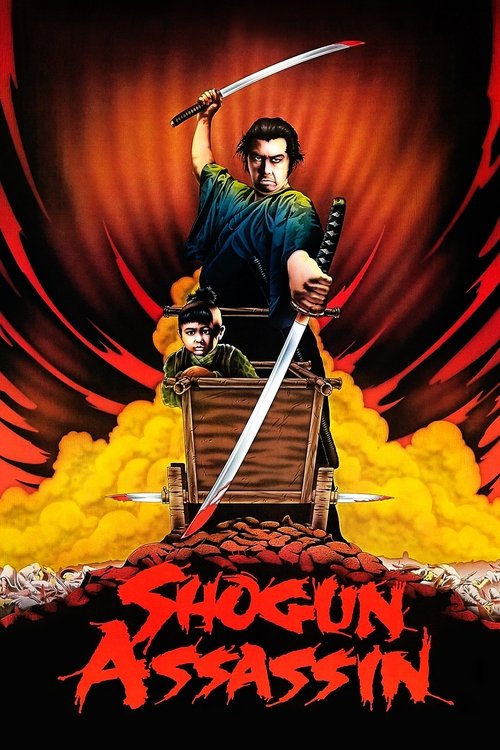
Shogun Assassin1980
A baby cart, impossible odds, and a father seeking vengeance through blade work. Stylized to the point of abstraction, it's anarchically entertaining and influenced everything that followed—a proto-action masterpiece.
But It privileges aesthetic violence over realism; if you want grounded sword combat, this baroque operatics might feel overwrought or silly.
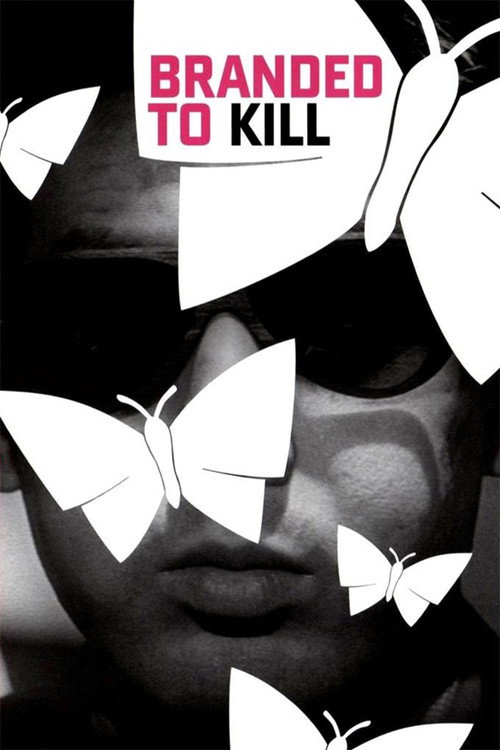
Branded to Kill1967
Like your film, it argues that a skilled outsider moving through a corrupt world of competing powers doesn't need to care about their war—only about the job and the code. Both men are more alive than anyone around them precisely because they're uncommitted.
Seijun Suzuki's formally delirious yakuza thriller abandoned plot coherence for colour, texture, and obsession itself. Not a samurai film, but a film about the same mercenary logic and the intoxication of craft for its own sake, told in the most dazzling way possible.
But It's wilfully obscure and frequently incoherent. If narrative clarity is what you want, this will seem like avant-garde nonsense pretending to be a crime film.
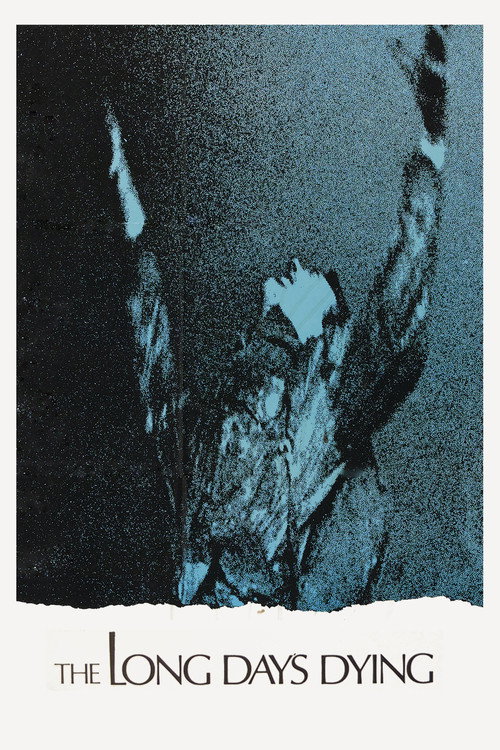
The Long Day's Dying1968
Both explore what happens when two exceptional people with irreconcilable codes occupy the same space. Both ask whether honor survives meeting its equal. Both suggest that such meetings end not in triumph but in recognition.
Rajeev Masarni's chamber piece restages the samurai-meets-rival dynamic as three soldiers lost behind enemy lines, each skilled and each alone. It keeps only the essential architecture—the clash of will and code—and makes it sting through intimacy rather than spectacle.
But It's modern, Western, and minimalist—nothing like the film you watched. Also, it's brutal and claustrophobic; some find the restraint mournful rather than compelling.
People
Cast
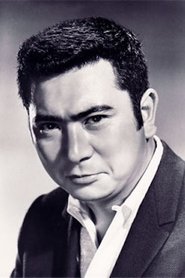 Shintarō KatsuZatoichi
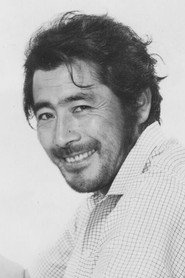 Toshirō MifuneYojimbo/Sasa
 Ayako WakaoUmeno
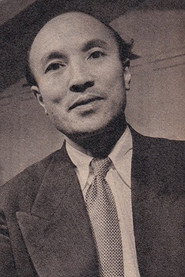 Osamu TakizawaYasuke Eboshiya
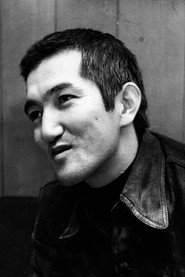 Masakane YonekuraBoss Masagoro
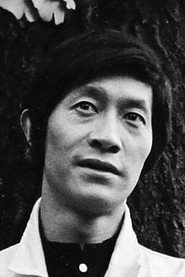 Shin KishidaKuzuryu
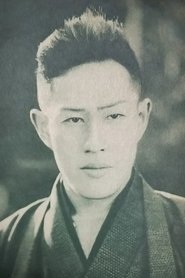 Kanjūrō ArashiHyoroku
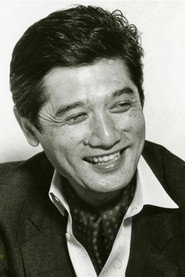 Toshiyuki HosokawaSanaemon Goto
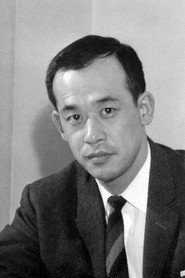 Shigeru KōyamaJinzaburo Wakiya
Directing
- Mitsuko MatsudaContinuity
- Kihachi OkamotoDirector
Writing
- Akira KurosawaOriginal Concept
- Kan ShimozawaOriginal Story
- Kihachi OkamotoScreenplay
- Tetsurō YoshidaScreenplay
Production
- Shintarō KatsuProducer
Recommended by
Legend of the Eight Samurai, Red Peony Gambler, The Adventures of Hajji Baba