
Film
Red Peony Gambler
A lone female gambler and wanderer carries a peony tattoo and a vendetta. Five years after her father's murder, Ryuko—known only as Red Peony Oryu—tracks across Japan seeking vengeance with the cool defiance of a samurai and the cunning of a card sharp. It's a stylish, violent 1968 yakuza revenge tale that treats its heroine as genuinely dangerous, not decorative.
If you liked this
Harakiri1962
Masaki Kobayashi's masterpiece about honor, ritual, and the yakuza code. Like Red Peony, it's a meditation on loyalty and death wrapped in stunning compositional violence. Hypnotic and unflinching.
But It's slower and more austere than the Oryu film—bleaker in spirit, demanding patience with long, agonizing silences.

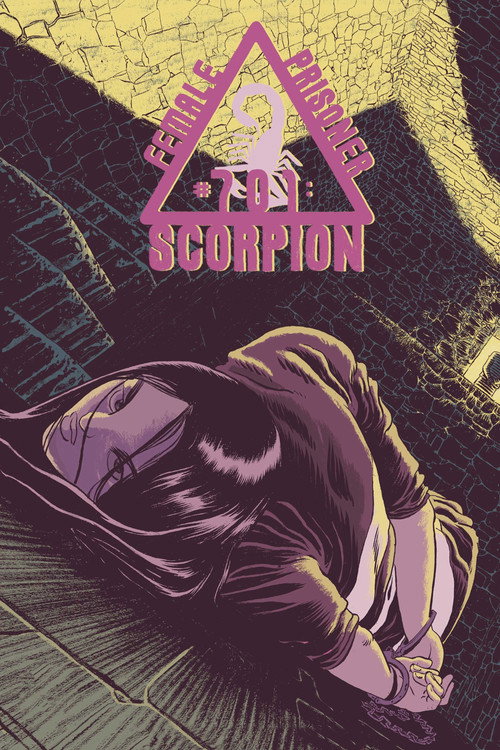
Female Prisoner #701: Scorpion1972
Meiko Kaji's iconic turn as a wronged woman seeking vengeance through the prison system. Raw, exploitative, visually arresting. Shares Red Peony's fusion of B-movie thrills with genuine character depth and feminist subtext.
But It's grittier and more claustrophobic, with sexual violence as backdrop. The tone is angrier and less stylized than the gambler film.
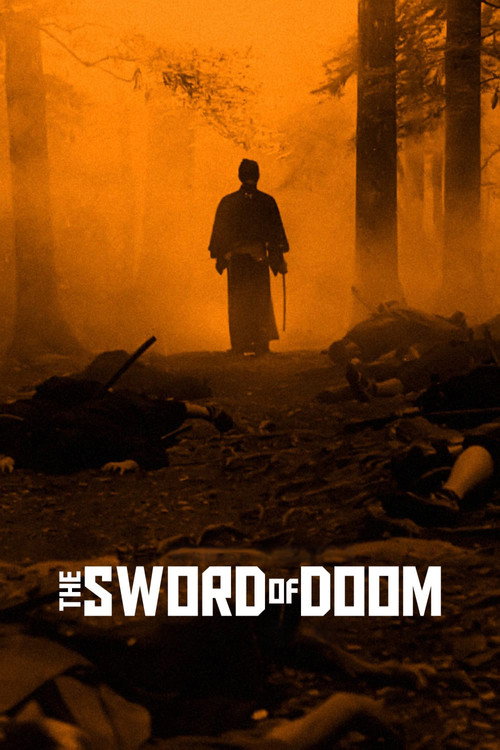
The Sword of Doom1966
Tatsuya Nakadai as a wandering swordsman with a void where his conscience should be. Existential yakuza noir with the same cool, fatalistic mood. Beautifully composed in black and white. A spiritual cousin.
But It's more introspective and philosophical, less plot-driven. The ending refuses catharsis entirely, which will frustrate some.
Not sure tonight? Get a pick in a minute, starting from Red Peony Gambler
The wildcard
Something you would not have found on your own.
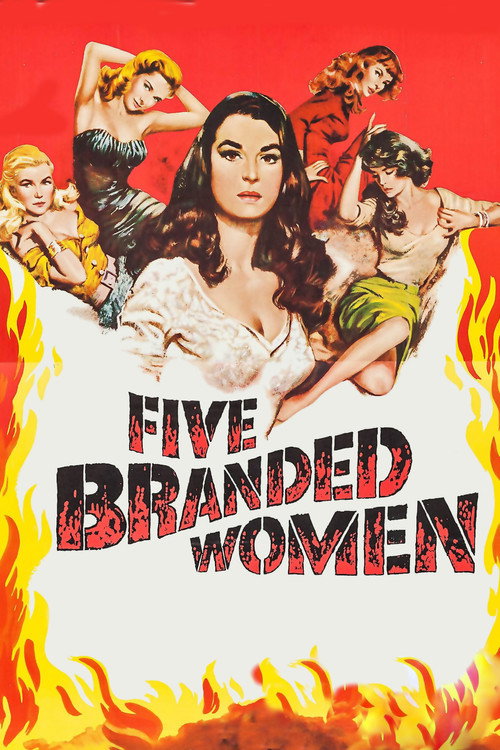
Five Branded Women1960
Both use tattooing and physical marking as a symbol of defiance against a system designed to shame women. Both feature female bodies as instruments of violence.
An American film about female prisoners tattooed and enslaved by the Nazis, who band together to fight back. It's structurally opposite to Red Peony—not a journey of vengeance but a collective uprising. Yet both claim the female body as a site of resistance and danger. Raw and unafraid.
But It's a low-budget Hollywood production that swings wildly in tone. The dialogue is sometimes trite, and the historical framing is dated.
More like this (5)
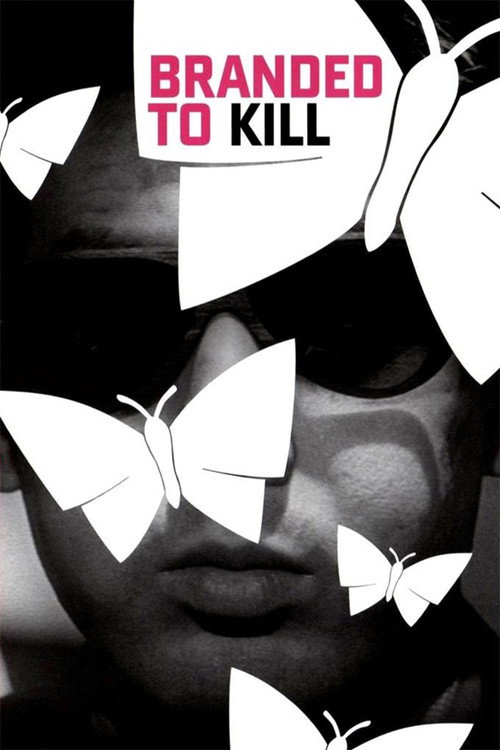
Branded to Kill1967
Seijun Suzuki's surreal, violent masterpiece about an assassin climbing the ranks. Hallucinatory, stylish, utterly unique. The same era, similar atmosphere of danger and code, but weirder and more formally adventurous than Red Peony.
But It's deliberately disorienting and abstract. If you want a clear narrative, this will feel like watching someone's fever dream.
The Killing of Sister George1968
Another 1968 entry—Kihachi Okamoto's cool, methodical film about professional assassins and the yakuza. Shares Red Peony's aesthetic restraint and fascination with competence, ritual, and betrayal.
But It's deliberately slow and meditative about violence. If you're looking for action spectacle, you'll find yourself waiting.
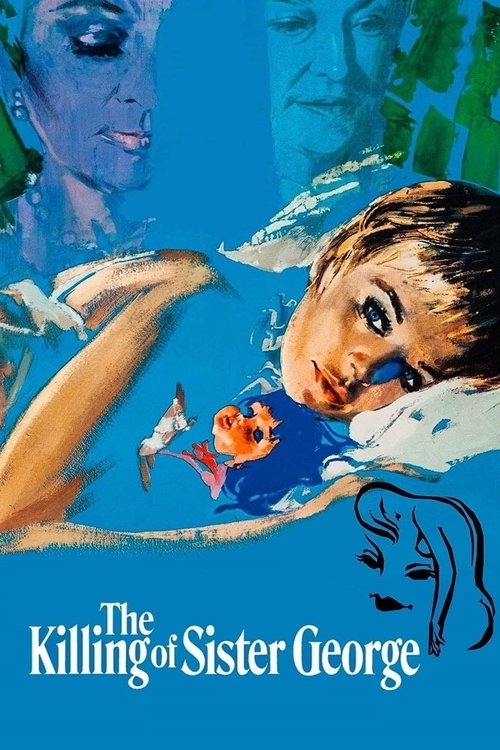
Zatoichi Meets Yojimbo1970
Two iconic wanderers collide in a town riven by yakuza power plays. Like Red Peony, it's about solitary operators moving through corrupt systems with skill and principle. Energetic and entertaining.
But It's more comedic and episodic than Red Peony. If you want density and focus, this feels lighter and more scattered.
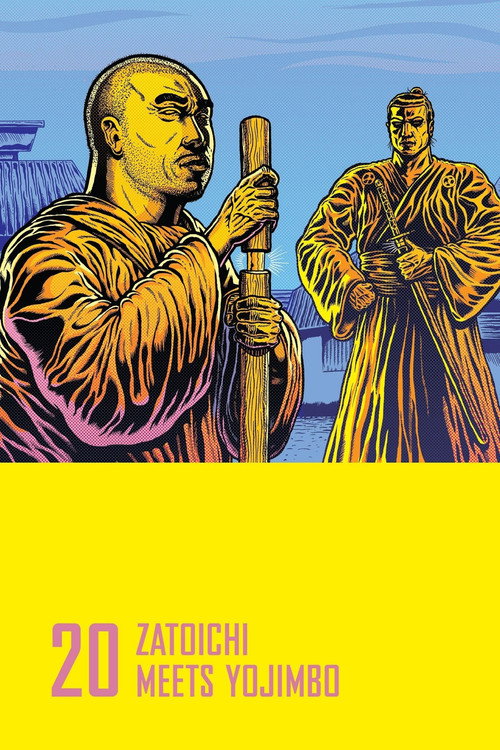
The Swordswoman in White1992
Both are female-centered revenge narratives that predate the revival of the form. Both treat their heroine's skill as earned, not supernatural. Both move across landscapes seeking a specific adversary.
A 1949 Chinese martial arts film—decades before the form became international—about a woman warrior avenging her family. It prefigures everything Oryu does, with the same code, the same journey, the same fusion of grace and brutality. Electrifying period filmmaking.
But It's in Mandarin with subtitles, shot in a very different style from Red Peony. The pacing is stately by modern standards, and the action is theatrical.
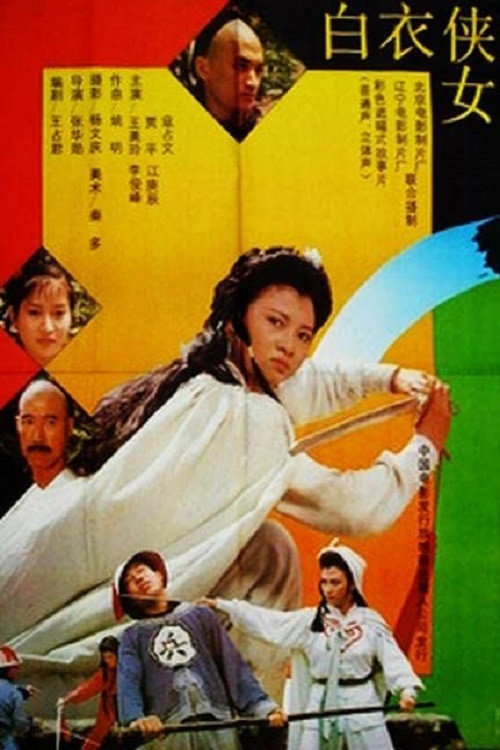
Cutter's Way1981
Both are driven by the need to solve a murder and the refusal to accept closure. Both treat the pursuit as corrosive—not redemptive. Both feature a solitary figure moving against the grain of a world that doesn't care.
A noir obsession film starring Jeff Bridges and John Heard as men pursuing a vendetta through California. It's American, modern, and male—nothing like Red Peony superficially—but it shares the same architecture: a protagonist driven by an unsolved death, moving through society, testing people, unable to stop. The same fatalistic burn.
But It's deliberately unglamorous and morally murky. The protagonist is damaged and unreliable, not heroic. If you want Oryu's cool defiance, you won't find it here.
People
Cast
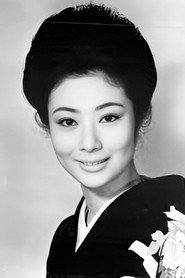 Sumiko FujiHibotan no Ryu
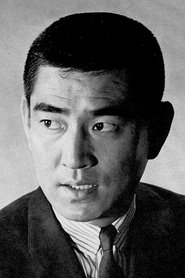 Ken TakakuraNaoki Katagiri
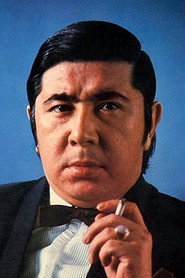 Tomisaburō WakayamaTorakichi Kumasaka
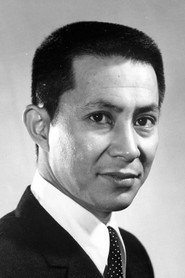 Kyōsuke MachidaFujimatsu, the Immortal
Directing
- Tatsuo HondaAssistant Director
- Kōsaku YamashitaDirector
Writing
- Norifumi SuzukiWriter