
Film
Female Prisoner #701: Scorpion
A 1972 Japanese revenge thriller where a wronged woman becomes a prison legend. Stylish, violent, and deliberately artificial—all garish colours and operatic brutality. It's exploitation cinema with an artistic edge, made for viewers who want their rage served with visual flair and no moral comfort.
Should you watch it?
Watch it if you want a lean, stylized revenge picture where grim prison-yard brutality is staged with real formal flair, and a heroine who says more with a glare than with dialogue.
Skip it if you need your prison dramas humane and talky, since this one leans on stark imagery over psychology and lingers on its brutal scenes until they feel punishing.
What it asks of you: Expect a brisk 87 minutes of long silences and sudden bursts of violence, asking you to read faces and posture more than follow an intricate plot.
Not sure? Find tonight's pick in a minute.
If you liked this
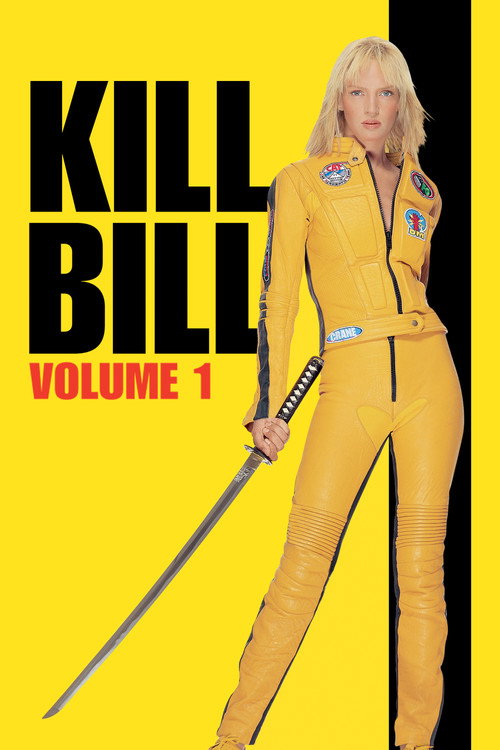
Kill Bill: Vol. 12003
Tarantino's love letter to grindhouse cinema, built on the same engine: a woman's methodical revenge against those who wronged her, told through gorgeously composed violence and a heroine who becomes unstoppable once she's decided you're dead.
But The stylisation can feel more interested in itself than in consequences. Nearly two and a half hours, and the second half leaves some threads hanging until the sequel.
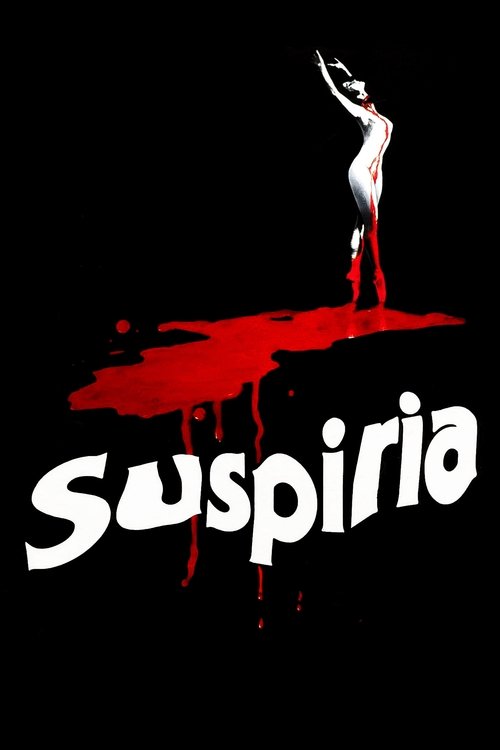
Suspiria1977
Dario Argento's masterpiece of pure visual and sonic assault—a woman trapped in a nightmarish institution with hostile women and cryptic power structures. Like Scorpion, it trades realism for atmosphere and makes style inseparable from dread.
But The plot is thin and the dubbing occasionally absurd. If you need logic and naturalistic acting, this isn't it. It's a fever dream, not a puzzle to solve.
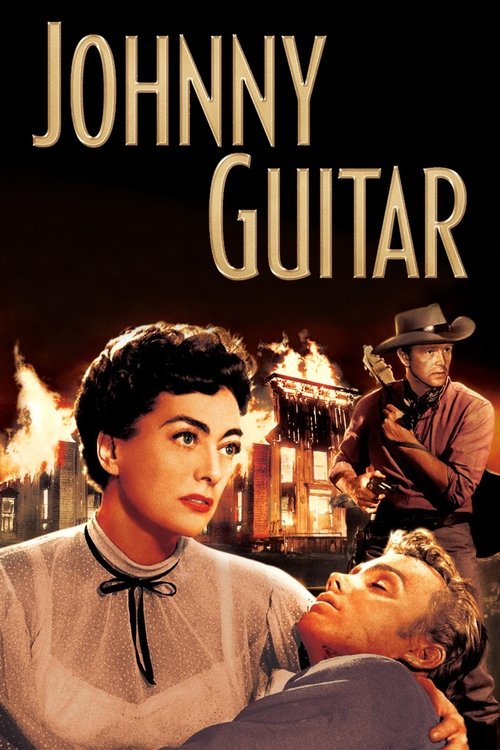
Johnny Guitar1954
Nicholas Ray's western told from a woman's perspective, with Vienna as a tough, defiant figure surrounded by hostile men and women. Strange, operatic, and genuinely weird—a '50s film that breaks its own rules to center female rage and refusal.
But It's a western without the usual momentum. The pacing is deliberate and sometimes stagey. Some find it too mannered to connect with.
Not sure tonight? Get a pick in a minute, starting from Female Prisoner #701: Scorpion
The wildcard
Something you would not have found on your own.
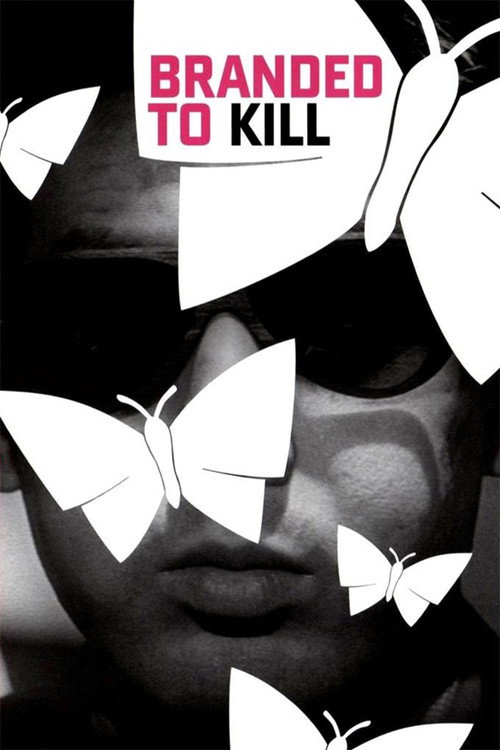
Branded to Kill1967
Both are Japanese action films from the early '70s that treat the revenge narrative as pure cinema—rejecting realism in favour of visual excess and emotional truth. Both female and male antiheroes driven by betrayal and obsession.
Seijun Suzuki's surrealist yakuza film about an assassin destroyed by circumstances and his own obsessions. Like Scorpion, it uses wild colour, artificial violence, and operatic emotion to tell a revenge story that prioritises *feeling* over plot logic.
But The narrative is deliberately fragmented and dreamlike. If you need clarity and linear storytelling, you'll find it maddening. It's a film that asks you to surrender to style over sense.
More like this (8)
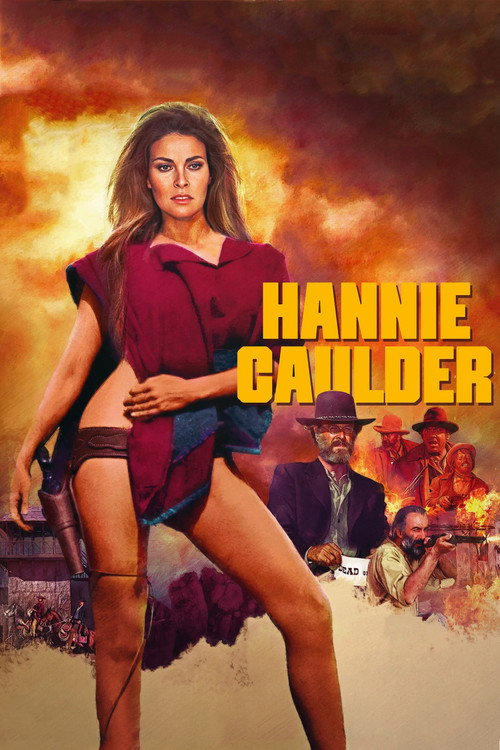
Hannie Caulder1971
A rape-revenge western where a woman trains to hunt down her attackers. Raw and direct in ways its contemporaries weren't, with genuine anger beneath the genre mechanics. Raquel Welch does real work here.
But The opening assault is brutal and not romanticised. The film's moral stance is sometimes muddied by its own sensationalism. Some will find it exploitative despite its intentions.
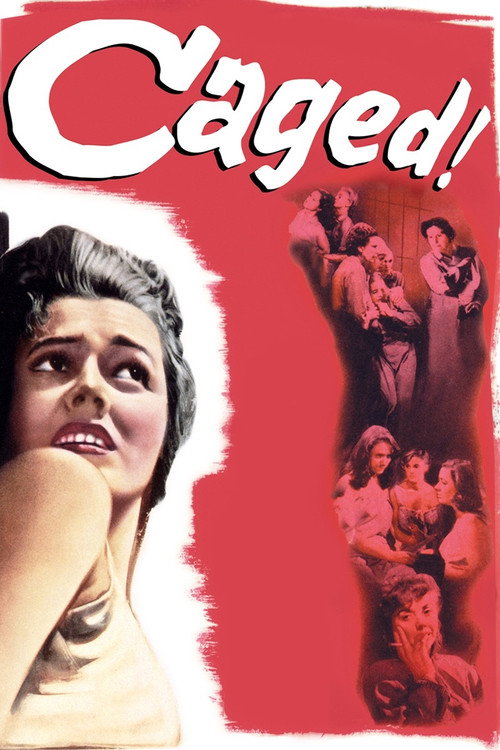
Caged1950
An earlier women's prison film where a young woman's humanity is systematically stripped away by the system and other inmates. Grim, claustrophobic, and genuinely empathetic—it takes the genre seriously as social critique.
But It's in black and white and moves at '50s pace. The ending is deliberately bleak. Less stylish than Scorpion, more focused on degradation than catharsis.
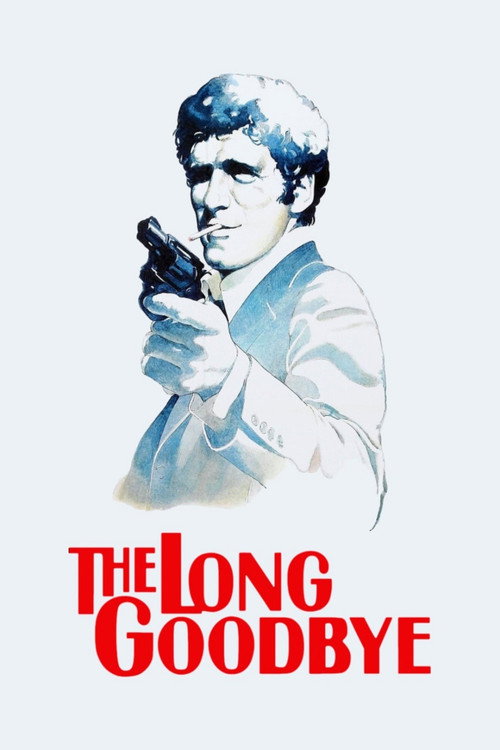
The Long Goodbye1973
Altman's revisionist thriller about a man navigating betrayal and the corruption of everyone around him. Like Scorpion, it uses visual artifice and a strange, almost comic tone to explore how institutions and intimacy corrupt.
But It's meditative and digressive—the opposite of propulsive. Some find Elliot Gould's performance too detached. It's a film that requires patience and appetite for ambiguity.
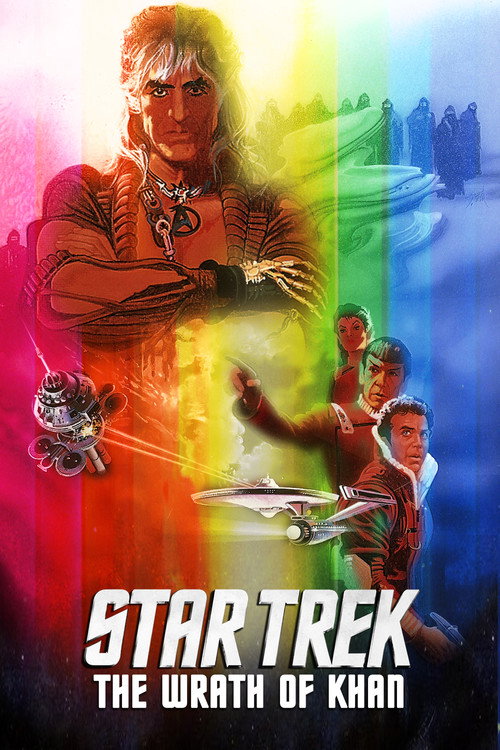
Star Trek II: The Wrath of Khan1982
A revenge narrative about Khan's decades-long pursuit of the man who wronged him, told with visual invention and genuine theatrical flair. It understands that revenge is as much about performance and obsession as it is about justice.
But It's Star Trek—if you can't meet the film on its own pulpy, sci-fi terms, you'll find the premise silly. Some of the acting is broad and the dialogue occasionally overwrought.
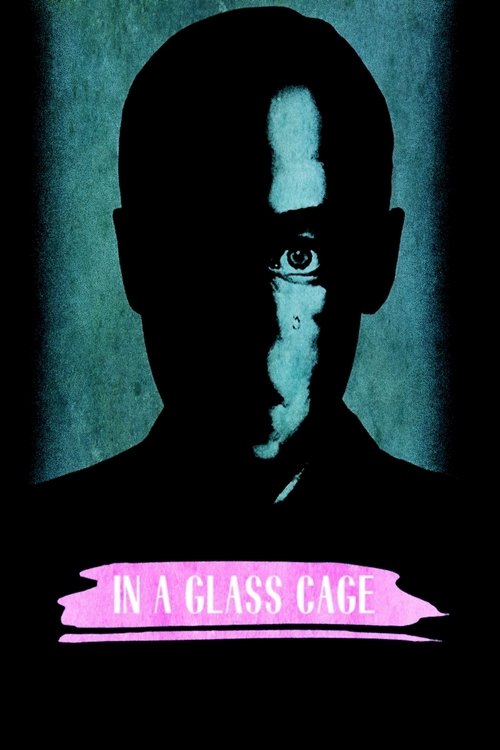
In a Glass Cage1986
A Spanish thriller about a paralysed man and his mysterious new caretaker, built entirely on the architecture of revenge and hidden identity. Disturbing, visually precise, and genuinely twisted in its moral architecture.
But It deals with paedophilia and extreme violence in deliberately uncomfortable ways. Bleak and difficult. Not a film that offers catharsis or easy answers—it will alienate many viewers.
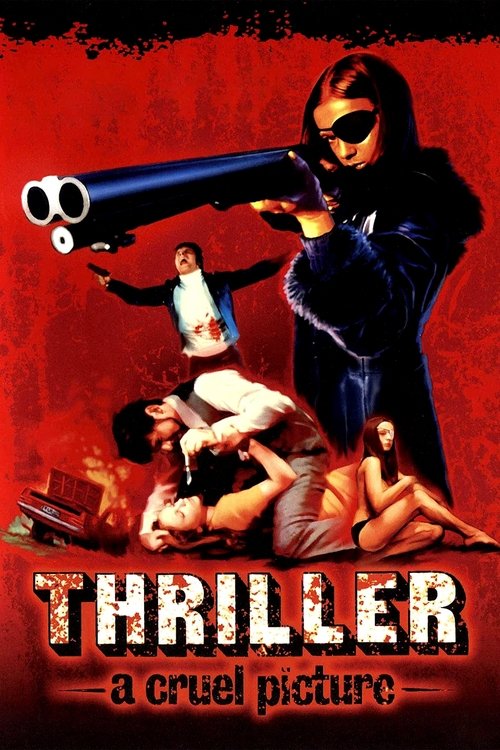
Thriller: A Cruel Picture1973
A Swedish rape-revenge film that predates Kill Bill by decades. A mute woman is exploited, abused, and then methodically trains herself to become lethal. Genuinely transgressive and unflinching in ways that influenced everything after it.
But It's graphically violent and the sexual assault is not softened. The pacing is slow and deliberate. Some will find it punishing to watch, and not in a cathartic way.
A Prophet2009
Both films use the prison as a character itself—a place where the outside world's rules don't apply and where a person can be completely remade. Both chart an arc of dehumanisation and power acquisition.
Jacques Audiard's prison drama about a young man's ruthless ascension through the ranks. Like Scorpion, it understands the prison as a fully realised world with its own laws and hierarchies, where vulnerability is fatal and adaptation is survival.
But It's long (two hours twenty) and moves at a measured pace. The violence is sudden but not stylised. It's interested in sociology more than catharsis—less operatic than Scorpion, more documentary-like.

Mulholland Drive2001
Both films use visual artifice and formal strangeness to convey psychological devastation. Both are structured around a woman's relationship to betrayal, desire, and the corruption of intimacy. Both refuse naturalistic storytelling in favour of tone and image.
Lynch's nightmarish Los Angeles where identity fractures, betrayal is total, and the woman we think we know dissolves. Like Scorpion, it's a film about what happens when you realise everyone around you has betrayed you—but told through surrealism and dream logic.
But It's deliberately obscure and non-linear. The second half abandons plot almost entirely. Many find it frustrating rather than rewarding, and it demands interpretation rather than offering answers.

People
Cast
 Meiko KajiNami Matsushima
 Rie YokoyamaKatagiri
 Isao NatsuyagiSugimi
 Fumio WatanabeWarden Goda
 Yayoi WatanabeYukiko Kida
 Yōko MiharaMasaki / Red-Haired Bully
 Akemi NegishiOtsuka
 Hideo MurotaOkizaki
 Yumiko KatayamaKitô
 Keiko KuniNemoto
 Emi JoMorikawa
- Sue MitobeImune
Directing
- Yutaka KohiraAssistant Director
- Shunya ItoDirector
Writing
- Toru ShinoharaComic Book
- Fumio KōnamiScreenplay
- Hirō MatsudaScreenplay
Production
- Kineo YoshimineProducer