
Film
Blind Woman's Curse
- Gangster
- Revenge action
- Horror
- Very dark
A 1970 Japanese yakuza film where a scarred gang leader finds herself hunted by a blinded rival and a supernatural black cat seeking vengeance. It's violent, genuinely eerie, and utterly unconcerned with conventional morality. Essential viewing for anyone curious about how Japanese cinema handled genre in its wildest period.
Should you watch it?
Watch it if you love lurid, stylish 1970s genre films where a revenge curse, a blood-soaked yakuza feud and gorgeously framed violence are the whole point, and you like your horror delivered with a grin.
Skip it if you need tidy plotting or realistic menace, since the supernatural logic is loose and the ghoulish set pieces lean hard into exploitation excess that some viewers will find tiresome.
What it asks of you: At about eighty-five minutes it moves briskly, with bursts of stark, ornate violence between quieter stretches, and it wants you to accept its strange premise and enjoy the style without asking for much explanation.
Not sure? Find tonight's pick in a minute.
If you liked this
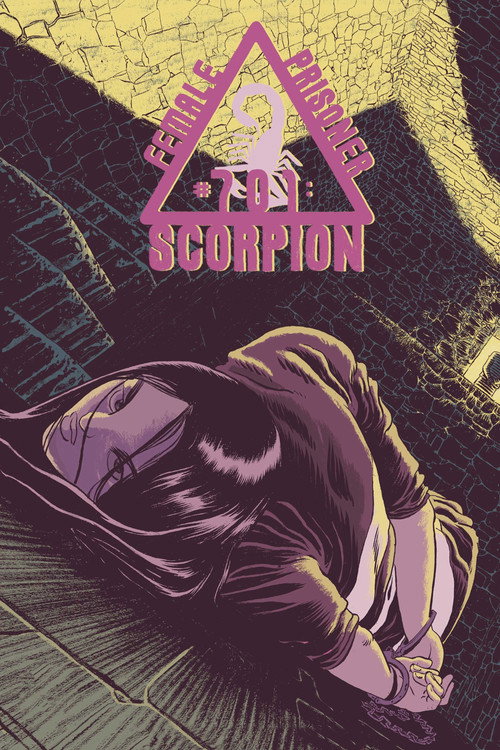
Female Prisoner #701: Scorpion1972
The spiritual sibling to Blind Woman's Curse: another Meiko Kaji vehicle, equally graphic, equally focused on a damaged woman's capacity for violence as both weapon and curse. Raw exploitation cinema with real emotional weight.
But The prison setting means sexual violence is part of the landscape. It's not gratuitous, but it's unflinching, and some viewers will find that line impossible to cross.
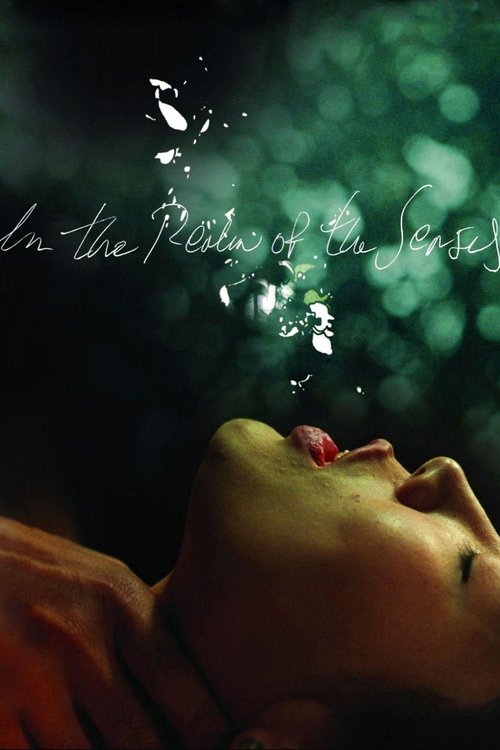
In the Realm of the Senses1976
Nagisa Oshima's masterpiece about obsessive desire and its destruction. Like Blind Woman's Curse, it treats the body as a text and violence as inevitable. Visually stunning and philosophically uncompromising.
But Extremely explicit sex and extreme violence are central to the film's argument, not decoration. Not for viewers who need distance from their subject matter.
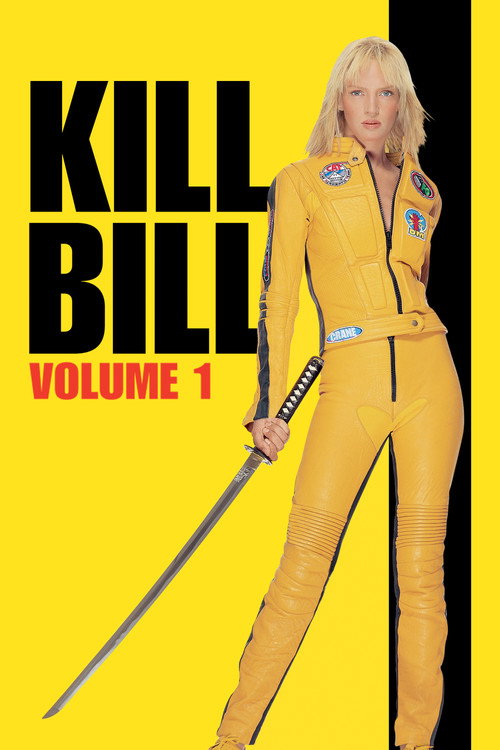
Kill Bill: Vol. 12003
Tarantino's direct descendant of this film: a scarred woman's revenge fantasy that builds a mythology around female violence. The yakuza sequences, the sword logic, the refusal to punish the protagonist for being dangerous—all here.
But It's glossy Hollywood rather than gritty exploitation, which loses some of the texture that makes the original matter. Homage can soften what the source material hardens.
Not sure tonight? Get a pick in a minute, starting from Blind Woman's Curse
The wildcard
Something you would not have found on your own.
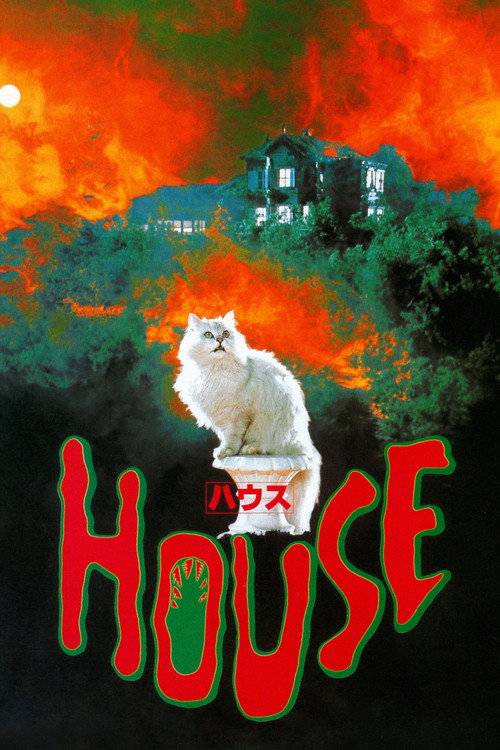
House1977
Both use supernatural elements not for jump-scares but as manifestations of inner states—revenge, guilt, violation made literal and visual.
Nobuhiko Obayashi's surrealist haunted-house film shares Blind Woman's Curse's willingness to treat horror as visual abstraction rather than narrative logic. A black cat features here too—as one of many uncanny presences. Both films trust mood and weirdness over explanation.
But It's deliberately artificial and dreamlike. If you want coherence or naturalistic acting, this will feel precious and exhausting. The artifice is the point, but the point isn't for everyone.
More like this (7)
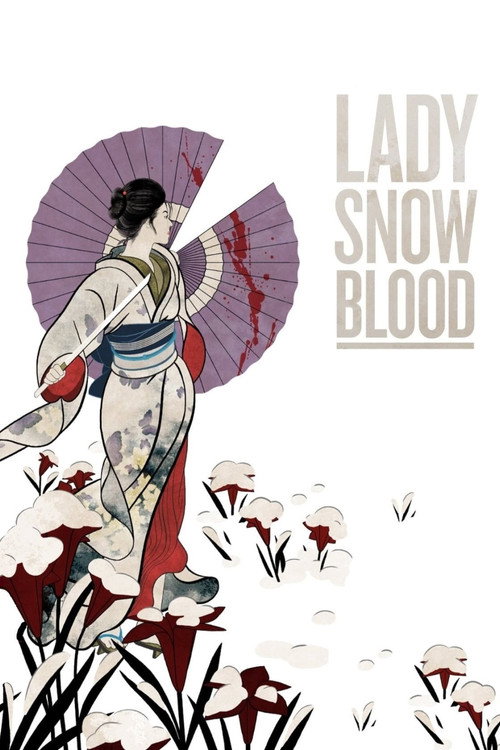
Lady Snowblood1973
Meiko Kaji again, in another revenge narrative structured around a woman's supernatural capacity for violence. Gorgeous cinematography and a similar fatalism about whether vengeance saves or damns you.
But The pacing is slower and more meditative than Blind Woman's Curse. If you want propulsive yakuza action, you might find yourself waiting for it.
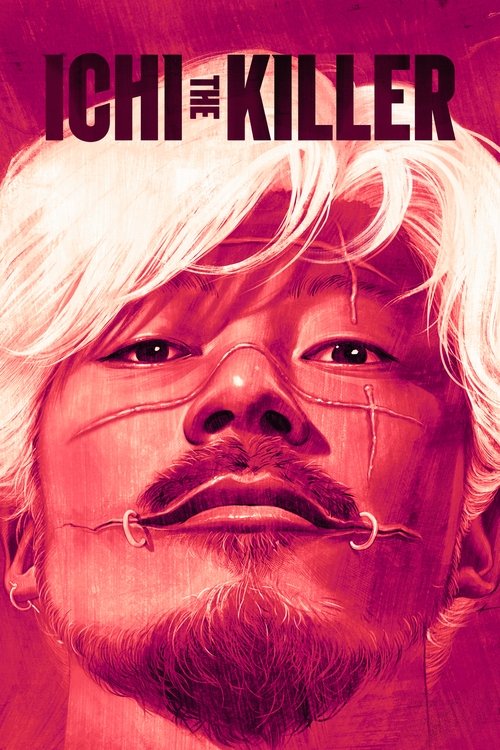
Ichi the Killer2001
Takashi Miike's delirious, violent yakuza saga that shares Blind Woman's Curse's interest in how trauma reshapes the body and mind. It's grotesque and funny and genuinely unsettling in equal measure.
But It's deliberately repellent. The violence is extreme and sometimes sexual, and Miike doesn't position you safely above it. Endurance is required.
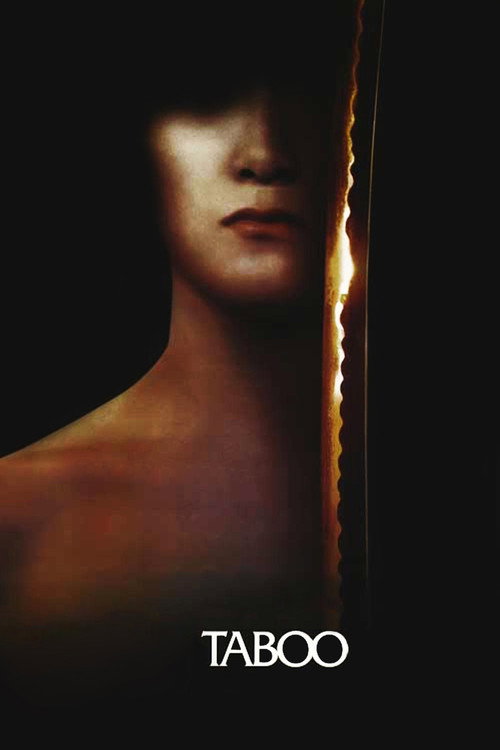
Taboo1999
Nagisa Oshima again, examining desire and violence within a rigid hierarchical structure—here, a samurai militia. The same conviction that aesthetics and morality are inseparable, and that beauty can be weaponized.
But It's a slow-burn psychological drama, not an action film. The eroticism is oblique rather than explicit, which some find more powerful and others find frustratingly restrained.
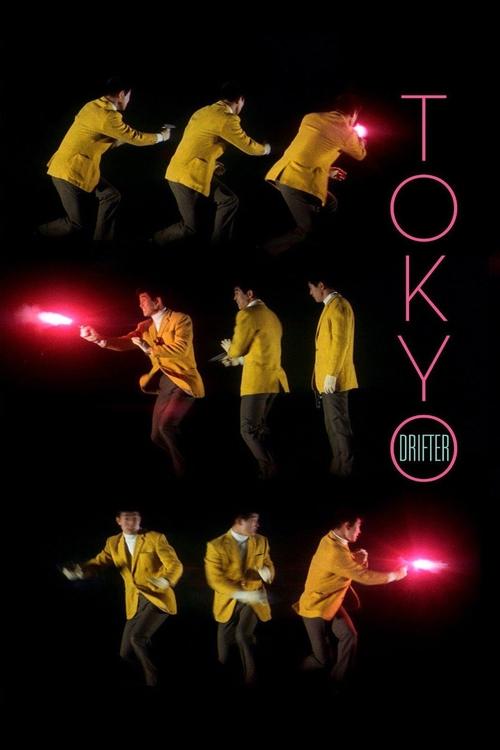
Tokyo Drifter1966
Seijun Suzuki's colour-saturated yakuza film proves that 1960s Japanese genre cinema was capable of anything. The visual inventiveness, the refusal to treat violence sentimentally—it's a direct ancestor to what Blind Woman's Curse does.
But It's a bit lighter in tone than you might expect from a yakuza film, which could read as dated or frivolous to viewers seeking weightier material.
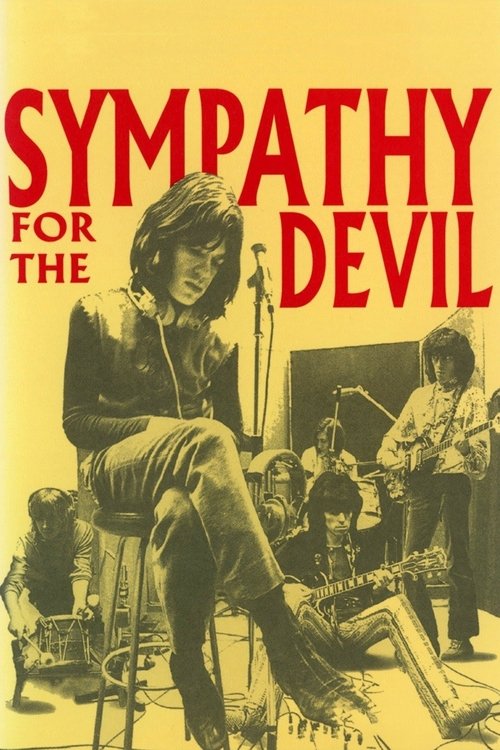
Sympathy for the Devil1968
Kinji Fukasaku's yakuza masterpiece: sprawling, brutal, and deeply invested in how violence shapes communities and individuals. The same moral ambiguity, the same refusal to sentimentalize crime.
But At over two hours, it's a commitment, and the plot can feel meandering. Patience with digression is essential to get what the film is doing.
Arrival2016
Both protagonists are marked by their encounters—one by violence, one by knowledge—in ways that can't be undone. Both films are about inhabiting a new self rather than returning to the old one.
A science-fiction film about a woman learning an alien language and being changed irreversibly by it. Like Blind Woman's Curse, it's about the body as a text that can be rewritten, and about accepting transformation rather than fighting it. Quiet, intelligent, devastating.
But It's meditative and serious where you might expect spectacle. No action sequences, no clear villains—just a woman reckoning with permanent change and loss.

Mulholland Drive2001
Both films use a female protagonist's damaged perception as the film's actual subject. What we see is warped by what she's endured, and the film makes no apologies for that distortion.
David Lynch's fever dream about identity and Los Angeles. Like Blind Woman's Curse, it uses a woman's fractured perspective to explore how trauma reshapes reality. The supernatural elements emerge from psychology, not the other way around. Hypnotic and cruel.
But It's intentionally confusing, with no single correct reading. If you need clear narrative resolution, you will feel deliberately frustrated. Lynch wants you to sit with uncertainty.

People
Cast
 Meiko KajiAkemi Tachibana
 Hoki TokudaAiko Gouda
 Makoto SatōTani Shouichi
 Hideo SunazukaKantaro
- Nobuko AokiFemale Prisoner A
 Shirō ŌtsujiSenba-tatsu
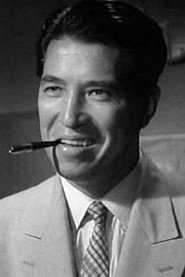 Tōru AbeDobashi
- Yôko TakagiChie Mitsui / Chie-chan
- Tatsumi HijikataUshimatsu / Hunchback Dancer
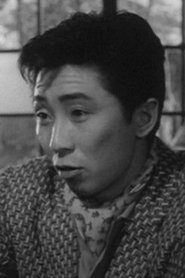 Shirō YanaseKawaguchi
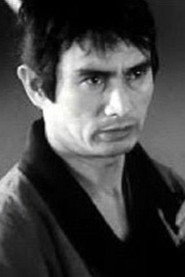 Ryōhei UchidaAozora
- Bumon KaharaGouda
Directing
- Saburo EndoAssistant Director
- Teruo IshiiDirector
Writing
- Chūsei SoneScreenplay
- Teruo IshiiScreenplay
Production
- Hideo KoiProducer
- Chôjirô HasegawaProduction Manager
Recommended by
Zatoichi: Darkness Is His Ally, Fraulein Doktor, Zatoichi and the Fugitives